

Shifting salmon policy
Photo by Alex Harris.
Ecosystems are complex. They are communities of living organisms connected through interacting processes and features on the land, in water, and between the two. Yet BC’s antiquated environmental policy doesn’t reflect this. Colonial society governs ecosystems by siloing them into distinct ministries and resources instead of reflecting the interconnected nature of habitats that make them function in the living world. This “siloed decision making”is the root cause of many of the ecological challenges we face today.
Our policy goals
1. Manage fisheries for ecosystems
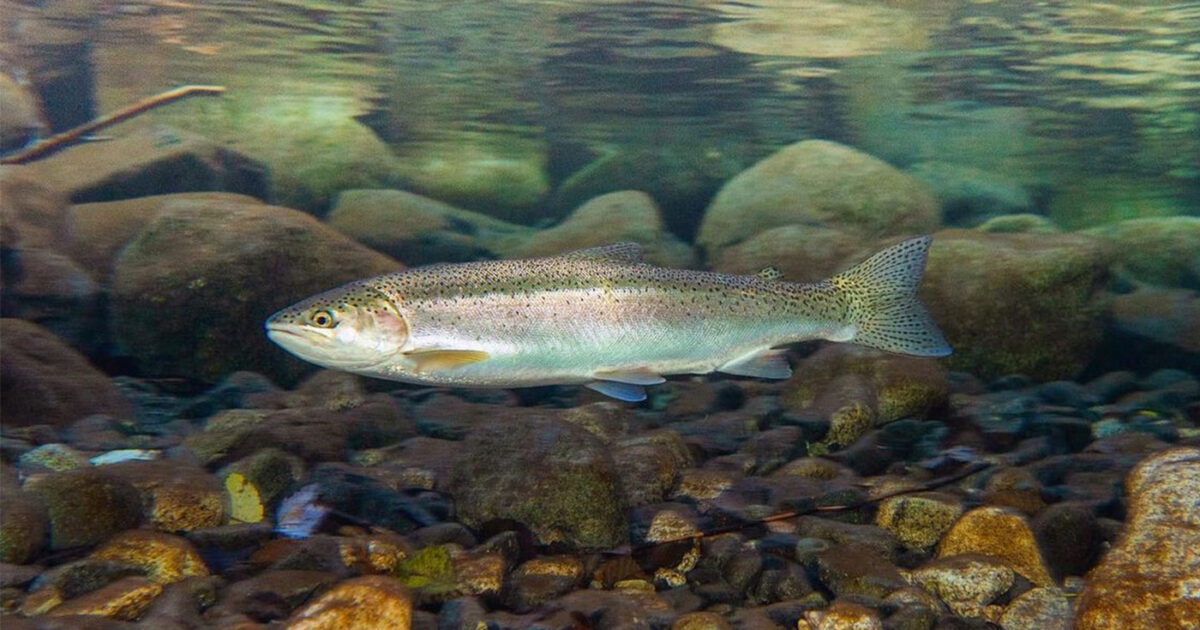
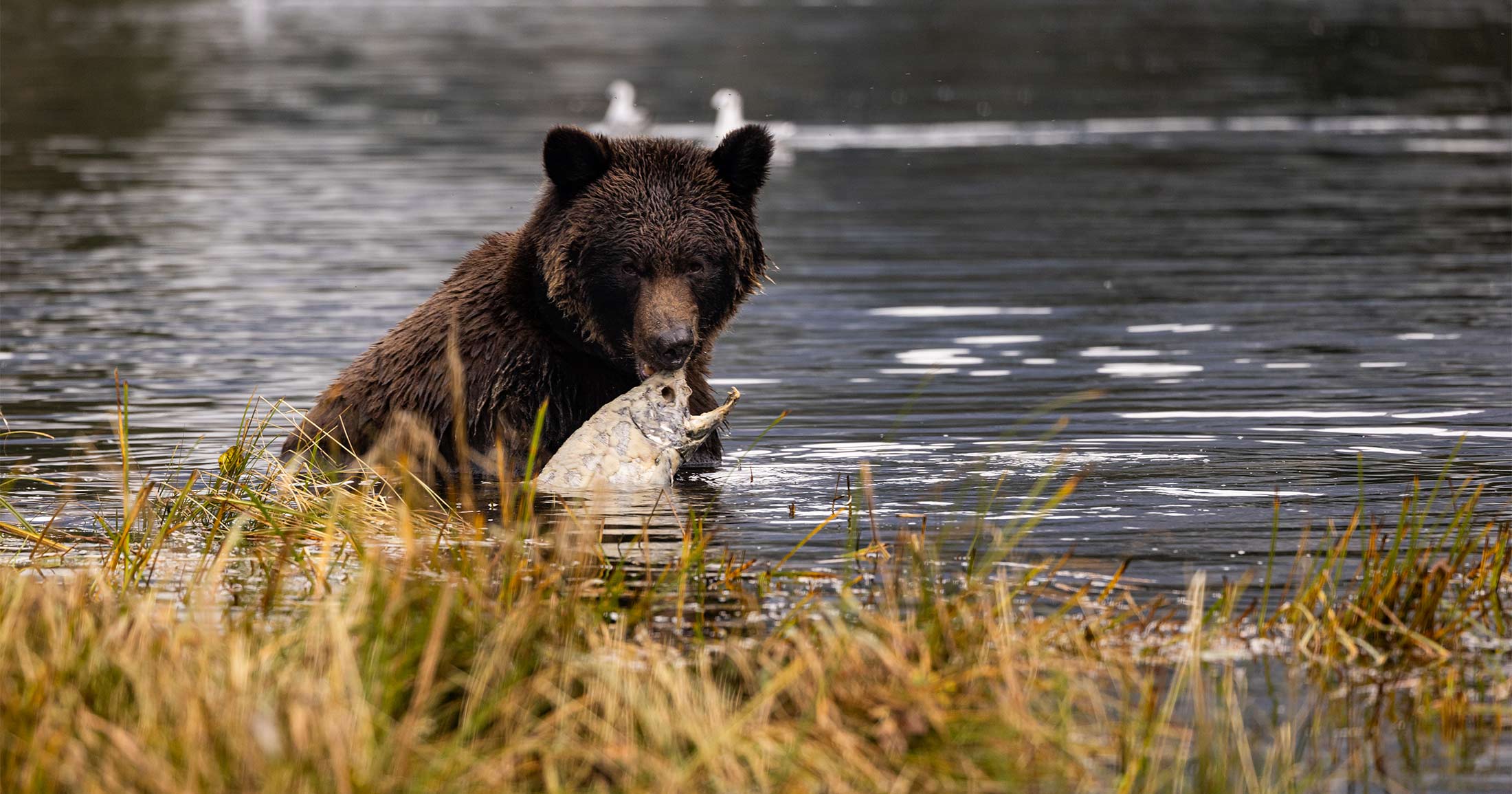
- Set salmon harvest at levels that optimize the benefits of spawning salmon to watersheds and wildlife.
- Shift away from historic management paradigms that minimize the number of spawning salmon reaching rivers and maximize harvest (called Maximum Sustainable Yield). Move towards fisheries management that meets salmon spawning targets that are ecologically based, not harvest-based.
- Shift harvest toward selective terminal fisheries (conducted in or near the rivers of origin) that respect the ‘place-based’ nature of salmon, and optimize the benefits to ecosystems, Indigenous cultures, and local communities.
2. Implement ecological-based governance
- Conservation planning and a commitment to sustainability that looks 7 generations ahead.
- A “whole-of-government” approach that implements shared solutions by Indigenous, federal, provincial, and municipal governments to achieve salmon recovery from inland watersheds and rivers, to the open ocean.
- Governance that honours Aboriginal rights and title, inherent Indigenous jurisdiction and law, and the United Nations Declaration on the Rights of Indigenous Peoples (UNDRIP) and the Declaration on the Rights of Indigenous Peoples Act (DRIPA).
- Sustainable funding strategies for watershed-scale restoration and planning.
3. Advance land-use policies that prioritize the health of wild salmon and biodiversity
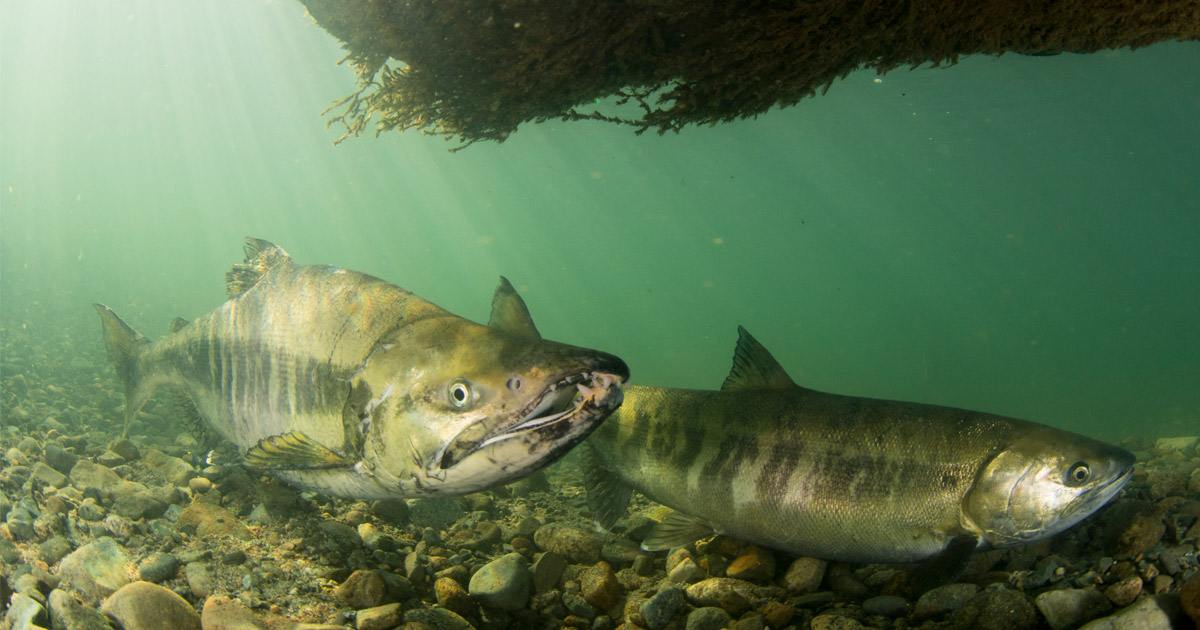
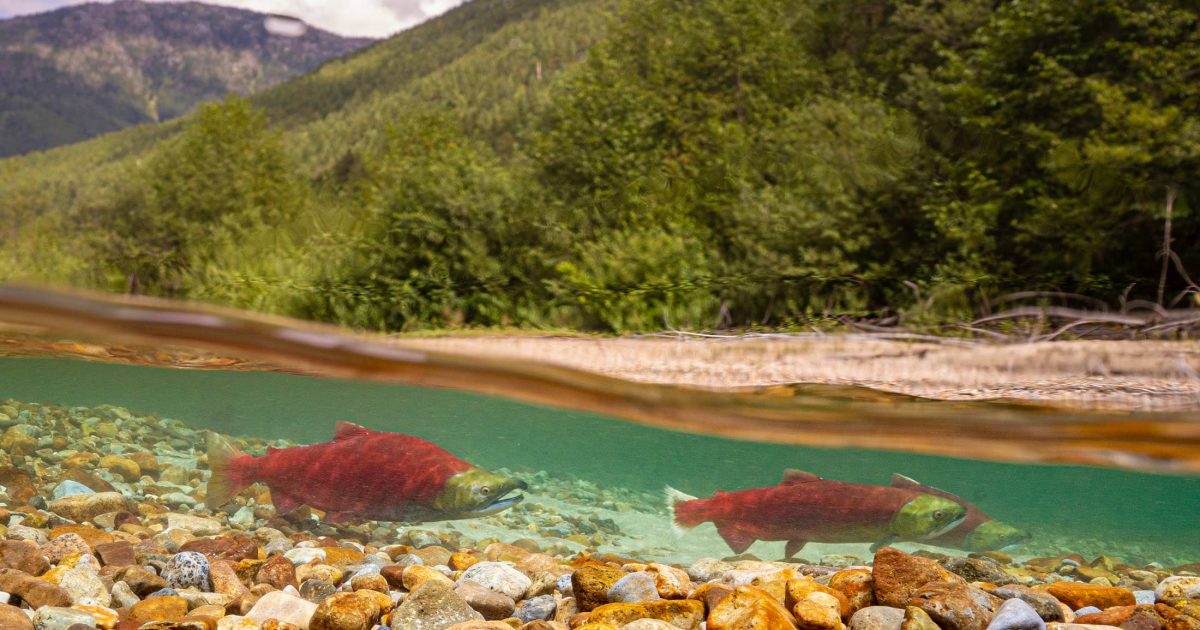
- Zoning that bolsters functioning watersheds and riparian habitat (i.e.protect natural features, limit impervious surfaces, reduce urban sprawl, adopt nature-based solutions).
- Forestry policy that prioritizes salmon health by restricting clear-cutting in salmon watersheds, and incentivizes a sustainable, second or third-growth forest economy.
- Climate adaptation policy that incentivizes nature-based solutions including natural shorelines, intact riparian areas, unrestricted floodplains, managed retreat, and use of rain-gardens in urban areas.
Our recent reports
Recent articles

Hibernation associated changes in POP levels and patterns in BC grizzly bears
Christensen, J.R., M. MacDuffee, M.B Yunker, and P.S. Ross. 2007. Hibernation associated changes in persistent organic pollutants (POP) levels and patterns in British Columbia grizzly bears (Ursus arctos horribilis). Environmental Science and Technology. 41: 1834-1840 Hibernation paper pdf

Applications of Paleolimnology to Sockeye Lakes
MacDuffee, M and E. MacIssac. 2009. Applications of paleolimnology to sockeye salmon nursery lakes and ecosystems in the Pacific Northwest and Alaska: Proceedings of a workshop at the Institute of Ocean Sciences. Canadian Technical Report of Fisheries and Aquatic Sciences 2847. Fisheries and Oceans Canada Applications of Paleolimnology to Sockeye Salmon Nursery Lakes and Ecosystems…
Fraser River Sockeye collapse
by Mike Price Biologist, Raincoast Aquaculture Campaign September 2009 The headlines continue to blare across local, regional, and national newspapers: 11 million Fraser River sockeye missing; poor early marine survival blamed.

Raincoast Kids – Run Walk Cheer
Raincoast is an official pledge charity of the 30th Annual Royal Victoria Marathon, October 11 And your school team could fundraise for Raincoast! This is an interactive program that aims to inspire children and youth interested in Raincoast’s science and conservation initiatives to protect British Columbia’s coast. Become a part of Raincoast and become…
Grizzly Bear concerns on central coast
Watch video here. Reporting by CTV. Raincoast believes that the most serious threat to coastal grizzly bears, both in the short term and into the future, is the lack of security for salmon.
Sea lice a drag on their hosts
Biologist suggests the parasites could reduce salmon survival rates By Judith Lavoie, Times Colonist, September 9, 2009 Try swimming in the Pacific Ocean wearing a backpack, and that might hint at difficulties faced by juvenile salmon when sea lice are hitching a ride, according to conservation biologist Michael Price.