

Shifting salmon policy
Photo by Alex Harris.
Ecosystems are complex. They are communities of living organisms connected through interacting processes and features on the land, in water, and between the two. Yet BC’s antiquated environmental policy doesn’t reflect this. Colonial society governs ecosystems by siloing them into distinct ministries and resources instead of reflecting the interconnected nature of habitats that make them function in the living world. This “siloed decision making”is the root cause of many of the ecological challenges we face today.
Our policy goals
1. Manage fisheries for ecosystems
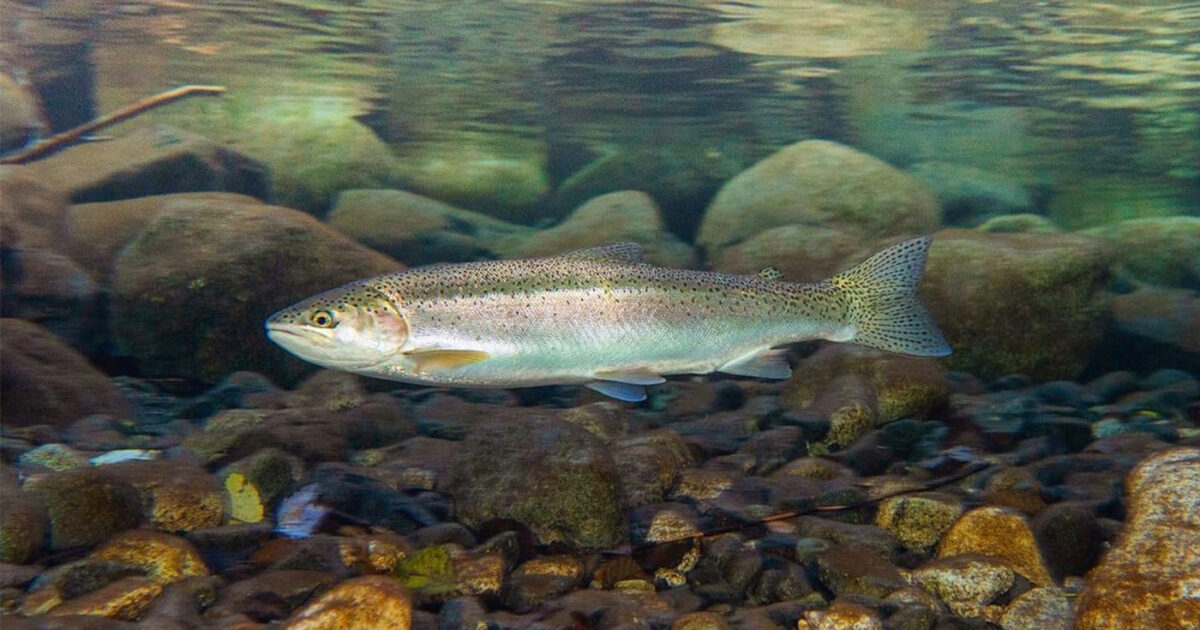
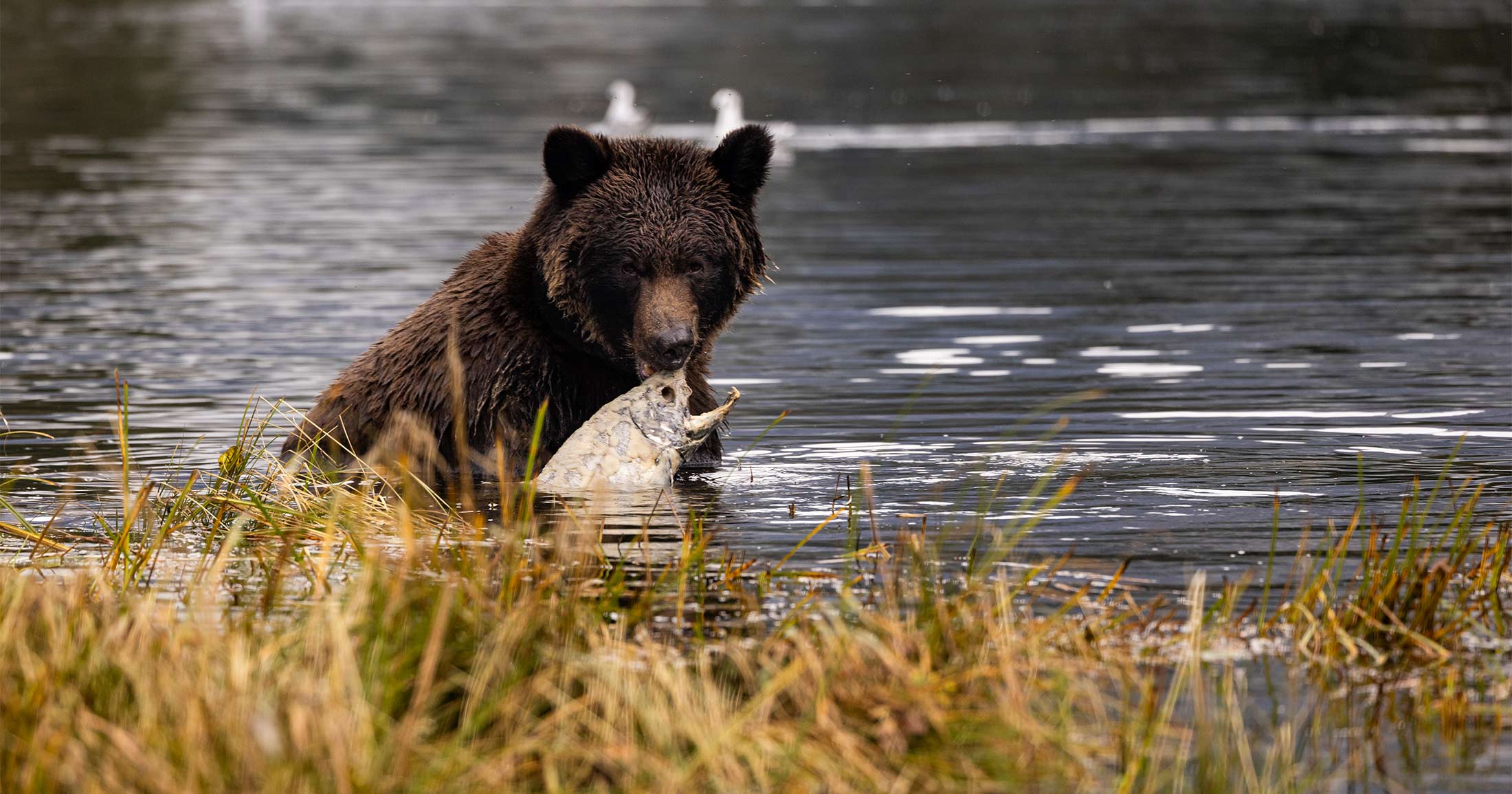
- Set salmon harvest at levels that optimize the benefits of spawning salmon to watersheds and wildlife.
- Shift away from historic management paradigms that minimize the number of spawning salmon reaching rivers and maximize harvest (called Maximum Sustainable Yield). Move towards fisheries management that meets salmon spawning targets that are ecologically based, not harvest-based.
- Shift harvest toward selective terminal fisheries (conducted in or near the rivers of origin) that respect the ‘place-based’ nature of salmon, and optimize the benefits to ecosystems, Indigenous cultures, and local communities.
2. Implement ecological-based governance
- Conservation planning and a commitment to sustainability that looks 7 generations ahead.
- A “whole-of-government” approach that implements shared solutions by Indigenous, federal, provincial, and municipal governments to achieve salmon recovery from inland watersheds and rivers, to the open ocean.
- Governance that honours Aboriginal rights and title, inherent Indigenous jurisdiction and law, and the United Nations Declaration on the Rights of Indigenous Peoples (UNDRIP) and the Declaration on the Rights of Indigenous Peoples Act (DRIPA).
- Sustainable funding strategies for watershed-scale restoration and planning.
3. Advance land-use policies that prioritize the health of wild salmon and biodiversity
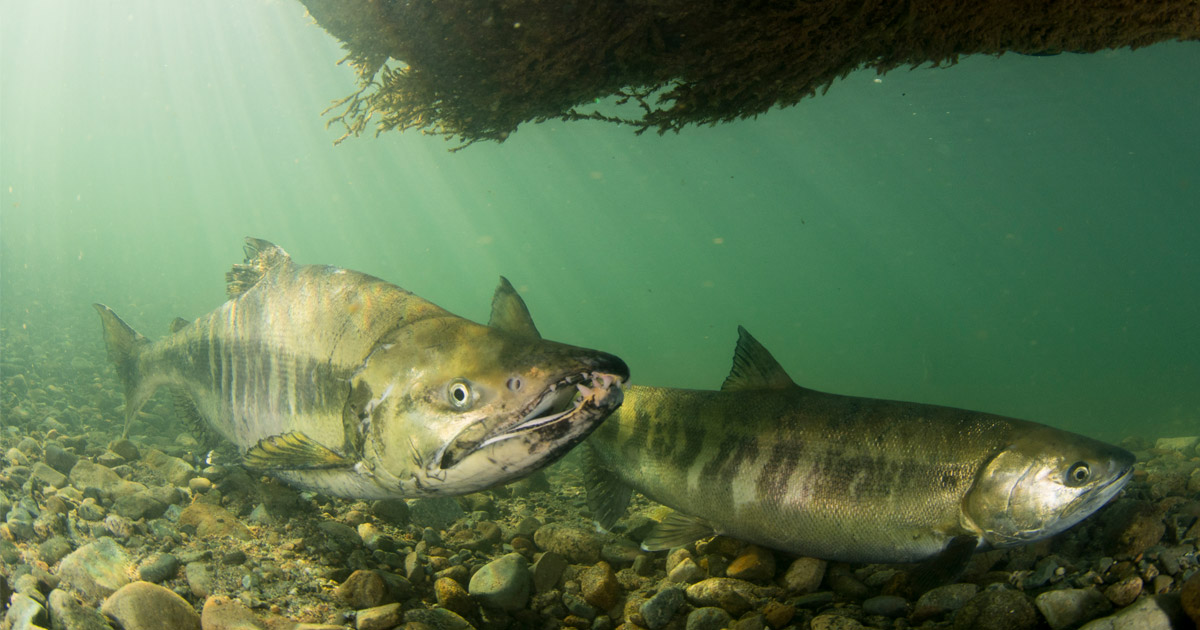
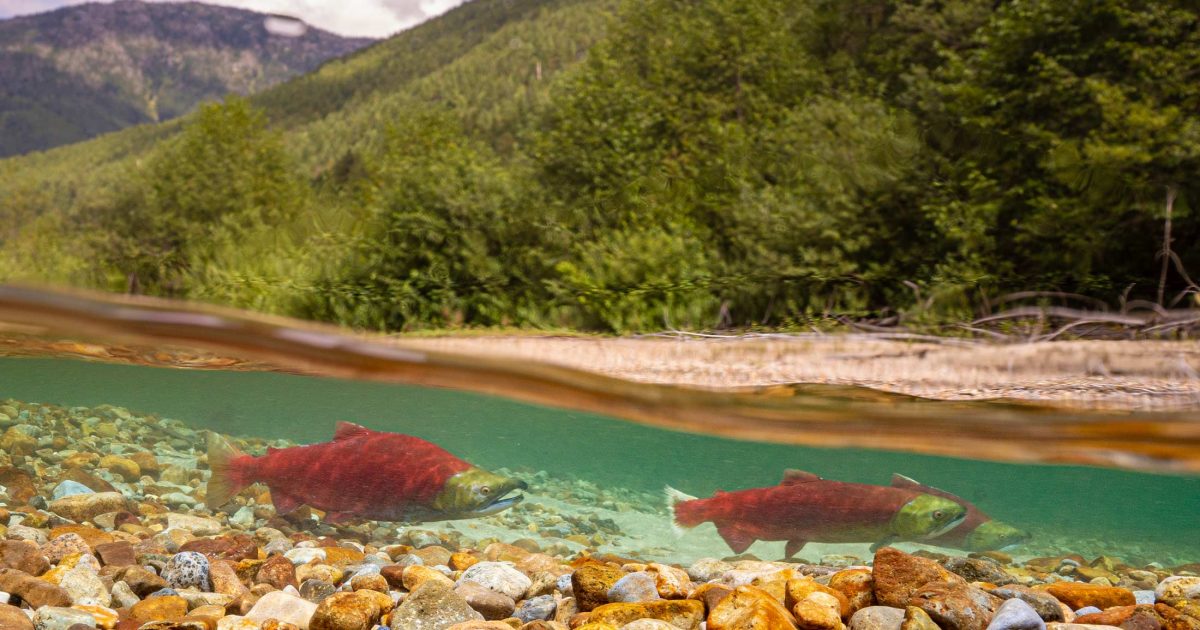
- Zoning that bolsters functioning watersheds and riparian habitat (i.e.protect natural features, limit impervious surfaces, reduce urban sprawl, adopt nature-based solutions).
- Forestry policy that prioritizes salmon health by restricting clear-cutting in salmon watersheds, and incentivizes a sustainable, second or third-growth forest economy.
- Climate adaptation policy that incentivizes nature-based solutions including natural shorelines, intact riparian areas, unrestricted floodplains, managed retreat, and use of rain-gardens in urban areas.
Our recent reports
Recent articles

Raincoast Research among top 100 Science Stories of 2009.
Discover Magazine has identified the work of Raincoast research scientists Dr. Chris Darimont and Dr. Paul Paquet in their Top Science Stories of 2009.
Victoria researcher gains fame for big-shrink theory
By Judith Lavoie, Victoria Times Colonist Predatory behaviour of humans is causing some species to shrink at an unprecedented rate, says a Victoria research scientist whose study has been deemed one of the top science stories of last year.

Close Encounters of the Black Bear Kind
The black bear poked his head around the big cedar stump and we stared at each other for a moment. I was sitting on a fallen limb on the other side of the stump,
Re: A climate of denial
Focus Magazine, January 2010 Re: A climate of denial (Dec 2009) All the credible evidence vetted in countless scientifically peer-reviewed papers shows the primary cause of climate disruption is anthropogenic. Further, the scientific community agrees that global warming poses severe risks to humanity and requires immediate action to limit carbon emissions.
Climate change is real and demands a concerted effort
By Chris Genovali, Vancouver Sun, December 22, 2009 Re: The scare tacticians: ‘Scientists’ should face criminal prosecution, Dec. 18 David Warren’s paranoia-ridden anti-science polemic reads like something Sarah Palin would have penned. Come to think of it, she recently wrote an article in the Washington Post peddling the same kinds of fringe theories on climate…
Raincoast’s Heather Bryan celebrated by Wings WorldQuest
Raincoast’s Heather Bryan is celebrated by Wings World Quest for her work on wolves in Canada’s great bear rainforest. Click here to get the pdf story. Heather’s 2008 Wings World Quest report is available at: http://explore.wingsworldquest.org/BC_Bryan_2008.