

Shifting salmon policy
Photo by Alex Harris.
Ecosystems are complex. They are communities of living organisms connected through interacting processes and features on the land, in water, and between the two. Yet BC’s antiquated environmental policy doesn’t reflect this. Colonial society governs ecosystems by siloing them into distinct ministries and resources instead of reflecting the interconnected nature of habitats that make them function in the living world. This “siloed decision making”is the root cause of many of the ecological challenges we face today.
Our policy goals
1. Manage fisheries for ecosystems
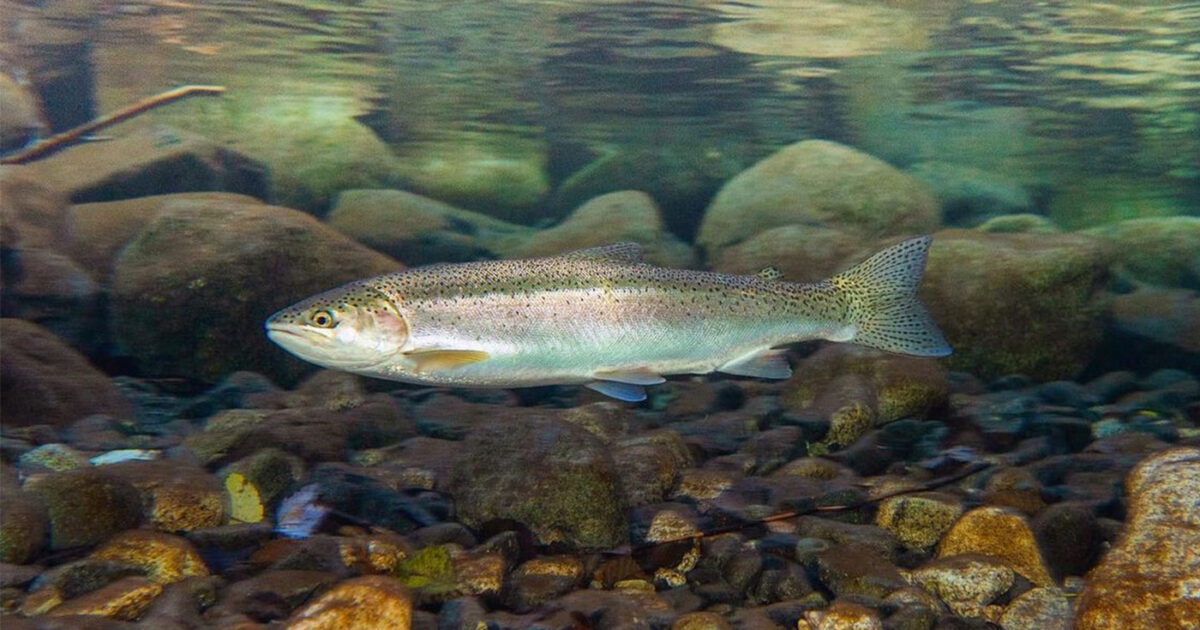
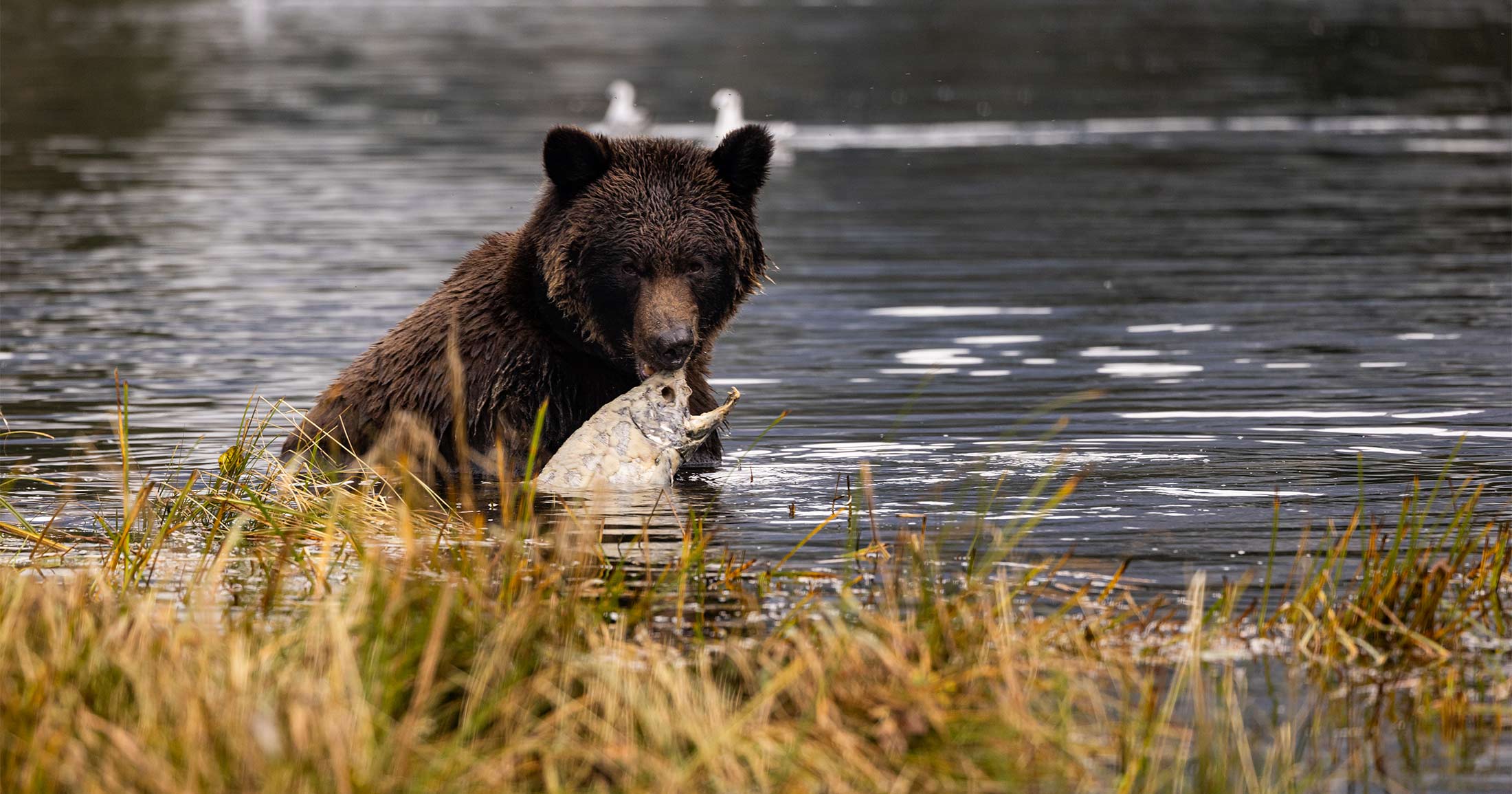
- Set salmon harvest at levels that optimize the benefits of spawning salmon to watersheds and wildlife.
- Shift away from historic management paradigms that minimize the number of spawning salmon reaching rivers and maximize harvest (called Maximum Sustainable Yield). Move towards fisheries management that meets salmon spawning targets that are ecologically based, not harvest-based.
- Shift harvest toward selective terminal fisheries (conducted in or near the rivers of origin) that respect the ‘place-based’ nature of salmon, and optimize the benefits to ecosystems, Indigenous cultures, and local communities.
2. Implement ecological-based governance
- Conservation planning and a commitment to sustainability that looks 7 generations ahead.
- A “whole-of-government” approach that implements shared solutions by Indigenous, federal, provincial, and municipal governments to achieve salmon recovery from inland watersheds and rivers, to the open ocean.
- Governance that honours Aboriginal rights and title, inherent Indigenous jurisdiction and law, and the United Nations Declaration on the Rights of Indigenous Peoples (UNDRIP) and the Declaration on the Rights of Indigenous Peoples Act (DRIPA).
- Sustainable funding strategies for watershed-scale restoration and planning.
3. Advance land-use policies that prioritize the health of wild salmon and biodiversity
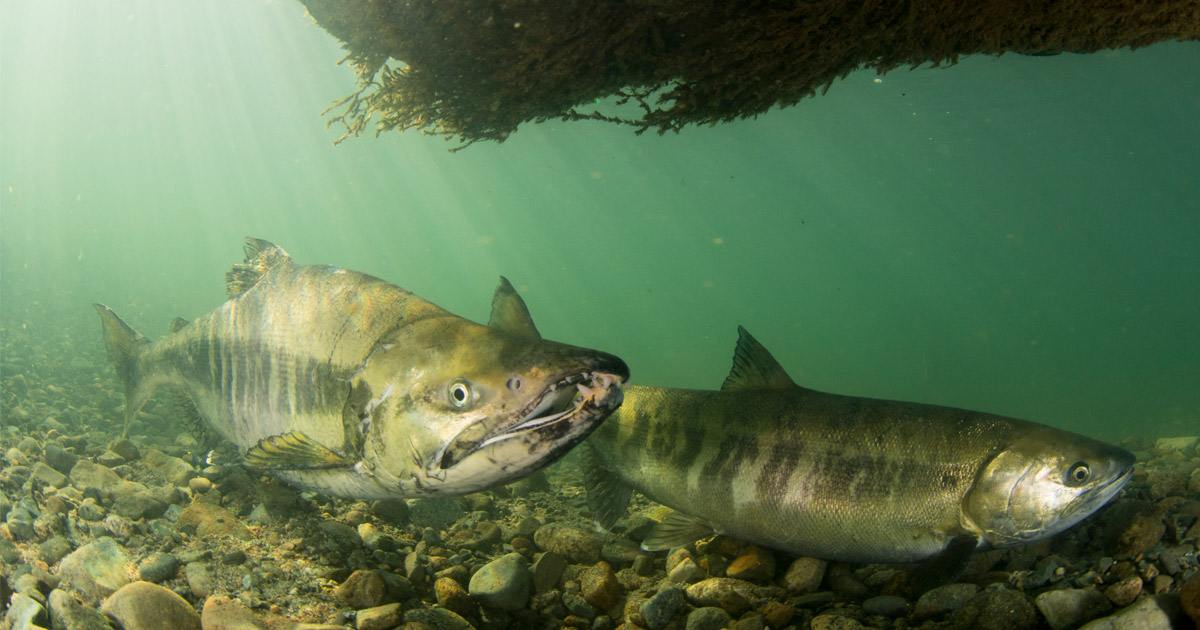
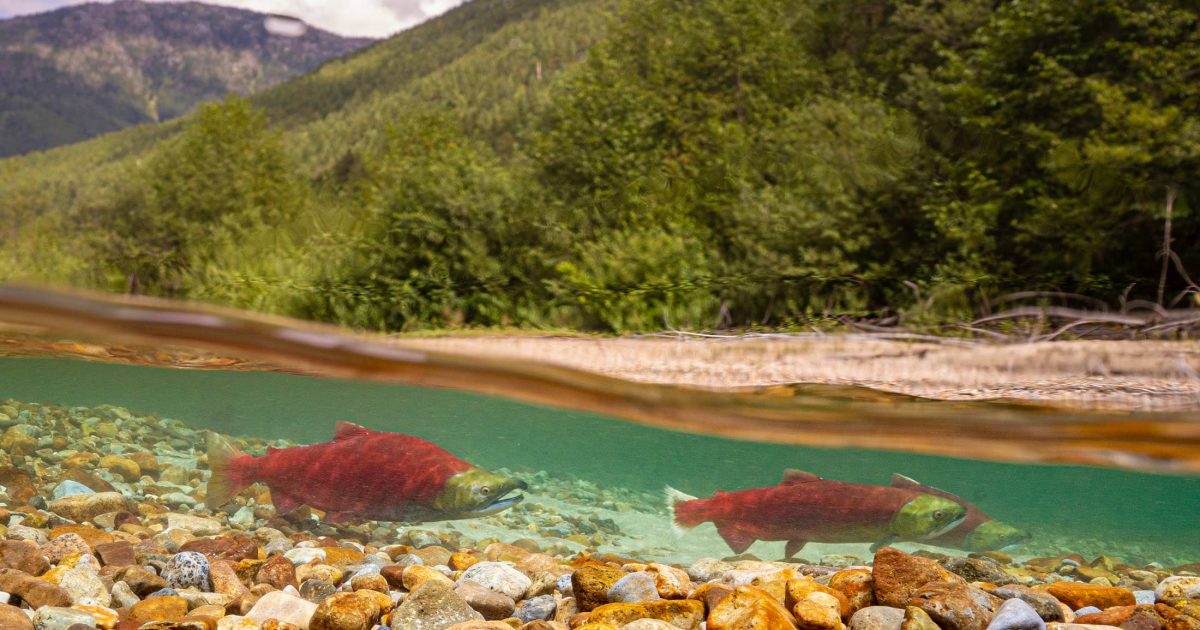
- Zoning that bolsters functioning watersheds and riparian habitat (i.e.protect natural features, limit impervious surfaces, reduce urban sprawl, adopt nature-based solutions).
- Forestry policy that prioritizes salmon health by restricting clear-cutting in salmon watersheds, and incentivizes a sustainable, second or third-growth forest economy.
- Climate adaptation policy that incentivizes nature-based solutions including natural shorelines, intact riparian areas, unrestricted floodplains, managed retreat, and use of rain-gardens in urban areas.
Our recent reports
Recent articles

An oil spill could be ‘catastrophic’ for British Columbia killer whales
Orca population would not survive an ecological incident, researchers say By Nicholas Read, Special To The Sun March 22, 2010 British Columbia killer whales could become extinct in the long term if an oil spill similar in scope to that from the Exxon Valdez occurred off the coast of B.C., says a conservation biologist with…

We’re a never-kill-wolf province, public says
B.C. government faced with tough decision on caribou recovery issue By Larry Pynn, Vancouver Sun, March 18, 2010 The public has rejected the idea of an aerial wolf kill in B.C. to benefit threatened mountain caribou, even before the first gun has been loaded.

Meet the Raincoast Marine Team
In 2007, the crew surveyed the stormy waters off BC’s central and north coast until December, in order to expand our understanding of abundance and distribution patterns of animals throughout the year…
Groups call for emergency corridor for wild salmon smolts: closure of three fish farms
Dan Maclennan, Courier-Islander Wednesday, March 10, 2010 A host of environmental, recreation and tourism organizations are calling on Ottawa to shut down three fish farms to create an emergency corridor for out-migrating wild salmon smolts.
Raincoast’s Oscar pick
Raincoast joins with other national and international organizations to support James Cameron and send a message about the Alberta Tar Sands Project that would bring oil tankers to the BC coast. Click here to see the ad in Hollywood’s Variety Magazine.

Marine Bird Research Takes Flight
I was on my back on the aft deck of the research vessel. My repose was involuntary as we plied the lumpy waters of Haida Gwaii’s west coast. Not one prone to sea-sickness, I nevertheless felt like my head was virtually nailed down, a result of the interminable chop.