
Shifting salmon policy
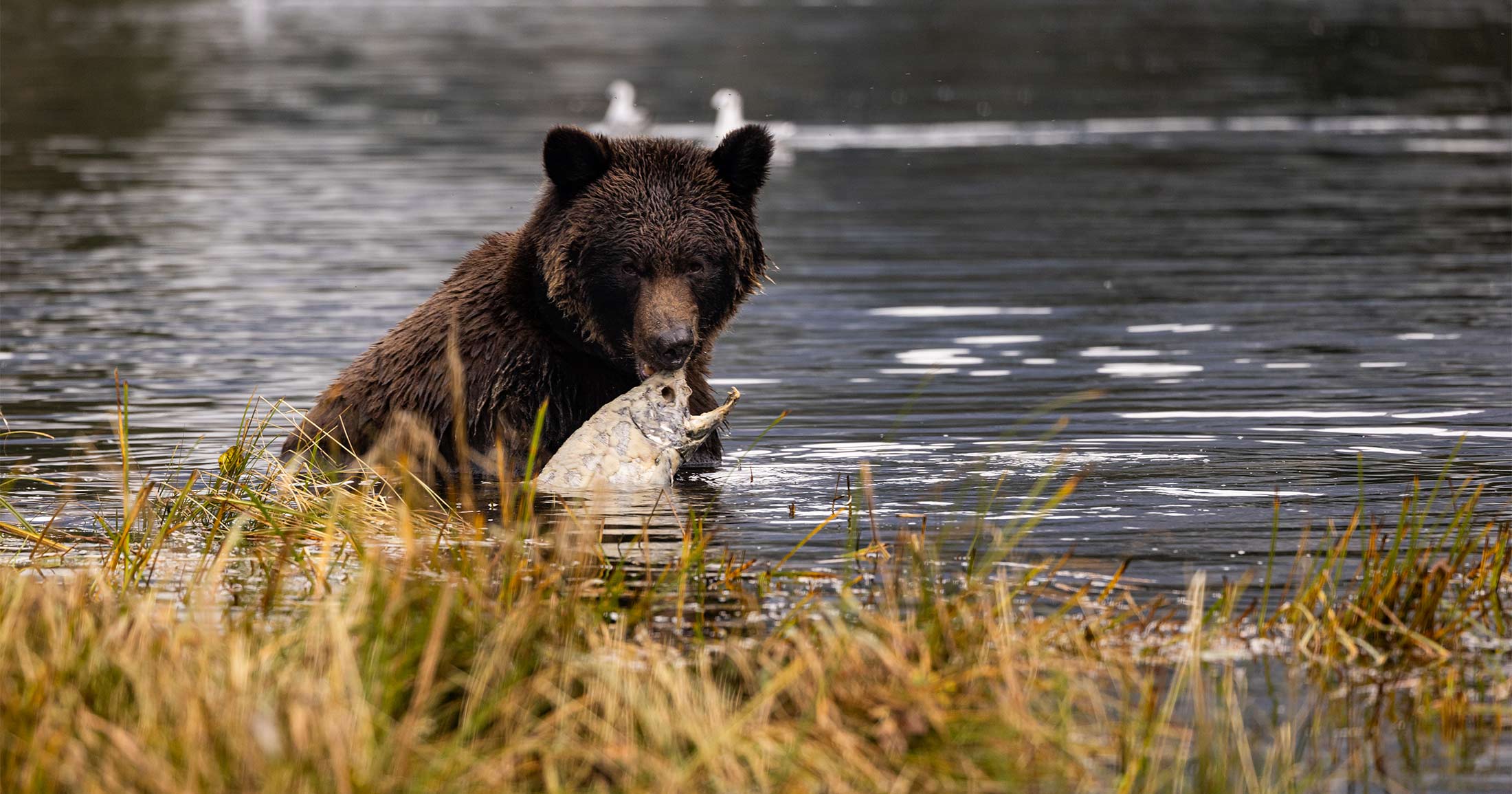
Photo by Alex Harris.
Ecosystems are complex. They are communities of living organisms connected through interacting processes and features on the land, in water, and between the two. Yet BC’s antiquated environmental policy doesn’t reflect this. Colonial society governs ecosystems by siloing them into distinct ministries and resources instead of reflecting the interconnected nature of habitats that make them function in the living world. This “siloed decision making”is the root cause of many of the ecological challenges we face today.
Our policy goals
1. Manage fisheries for ecosystems
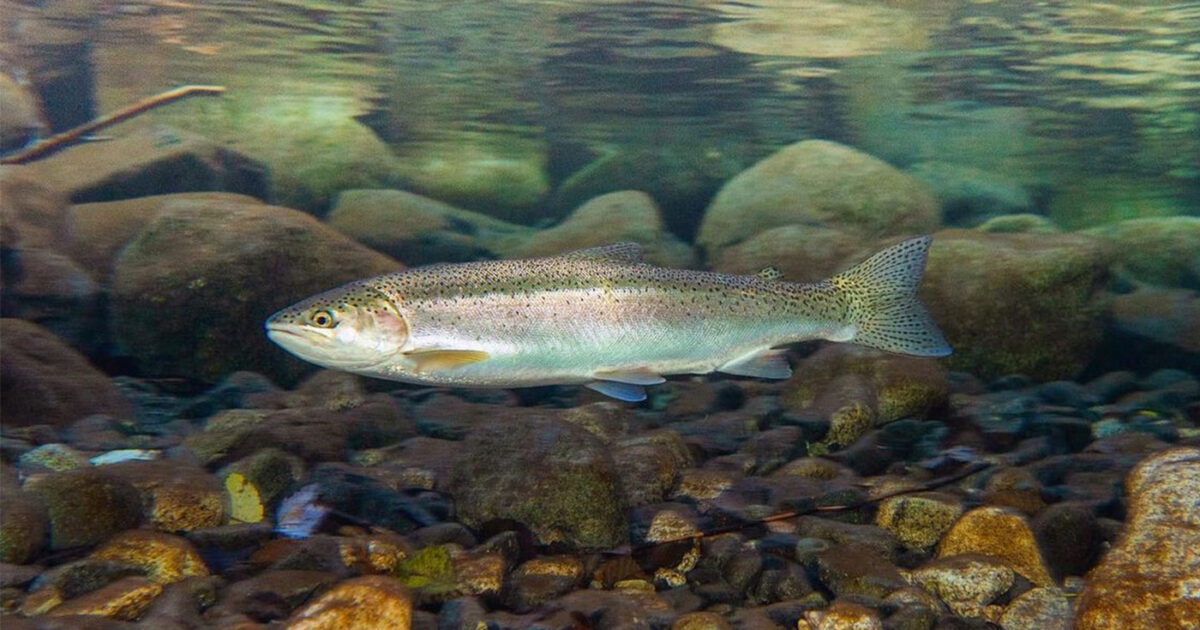
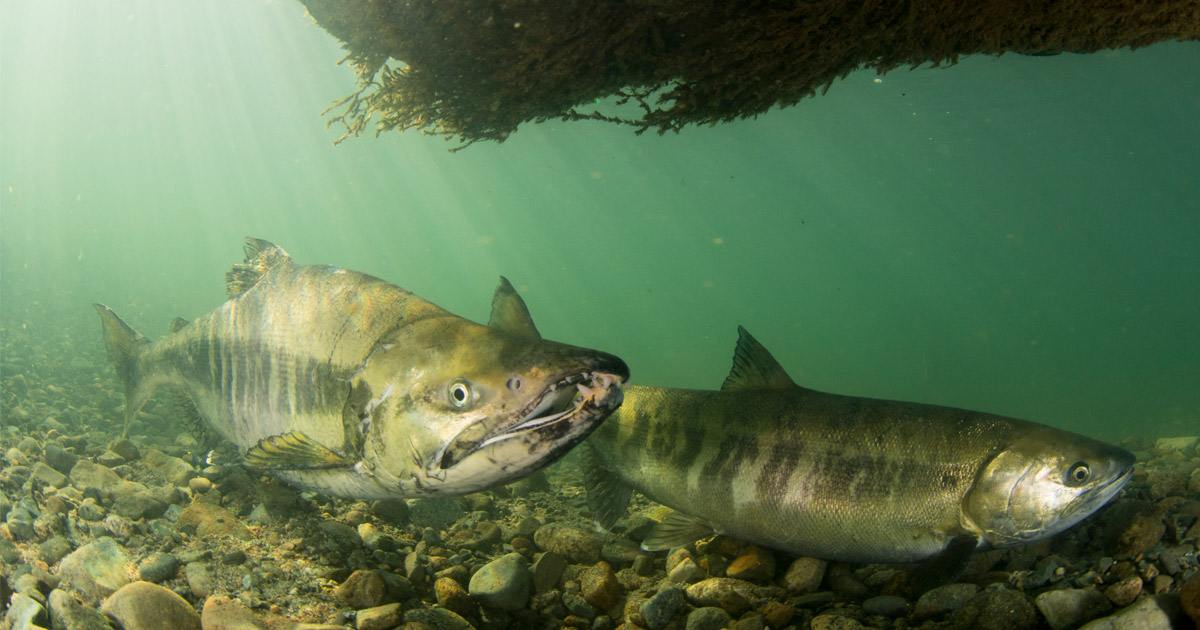
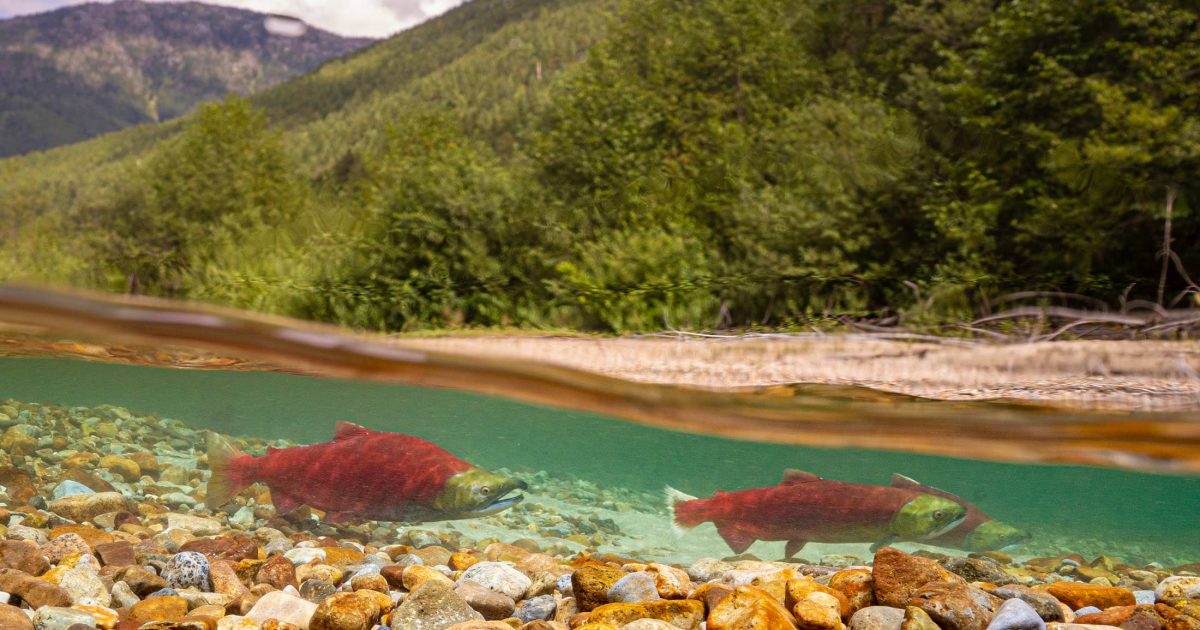
- Set salmon harvest at levels that optimize the benefits of spawning salmon to watersheds and wildlife.
- Shift away from historic management paradigms that minimize the number of spawning salmon reaching rivers and maximize harvest (called Maximum Sustainable Yield). Move towards fisheries management that meets salmon spawning targets that are ecologically based, not harvest-based.
- Shift harvest toward selective terminal fisheries (conducted in or near the rivers of origin) that respect the ‘place-based’ nature of salmon, and optimize the benefits to ecosystems, Indigenous cultures, and local communities.
2. Implement ecological-based governance
- Conservation planning and a commitment to sustainability that looks 7 generations ahead.
- A “whole-of-government” approach that implements shared solutions by Indigenous, federal, provincial, and municipal governments to achieve salmon recovery from inland watersheds and rivers, to the open ocean.
- Governance that honours Aboriginal rights and title, inherent Indigenous jurisdiction and law, and the United Nations Declaration on the Rights of Indigenous Peoples (UNDRIP) and the Declaration on the Rights of Indigenous Peoples Act (DRIPA).
- Sustainable funding strategies for watershed-scale restoration and planning.
3. Advance land-use policies that prioritize the health of wild salmon and biodiversity
- Zoning that bolsters functioning watersheds and riparian habitat (i.e.protect natural features, limit impervious surfaces, reduce urban sprawl, adopt nature-based solutions).
- Forestry policy that prioritizes salmon health by restricting clear-cutting in salmon watersheds, and incentivizes a sustainable, second or third-growth forest economy.
- Climate adaptation policy that incentivizes nature-based solutions including natural shorelines, intact riparian areas, unrestricted floodplains, managed retreat, and use of rain-gardens in urban areas.
Our recent reports
Recent articles
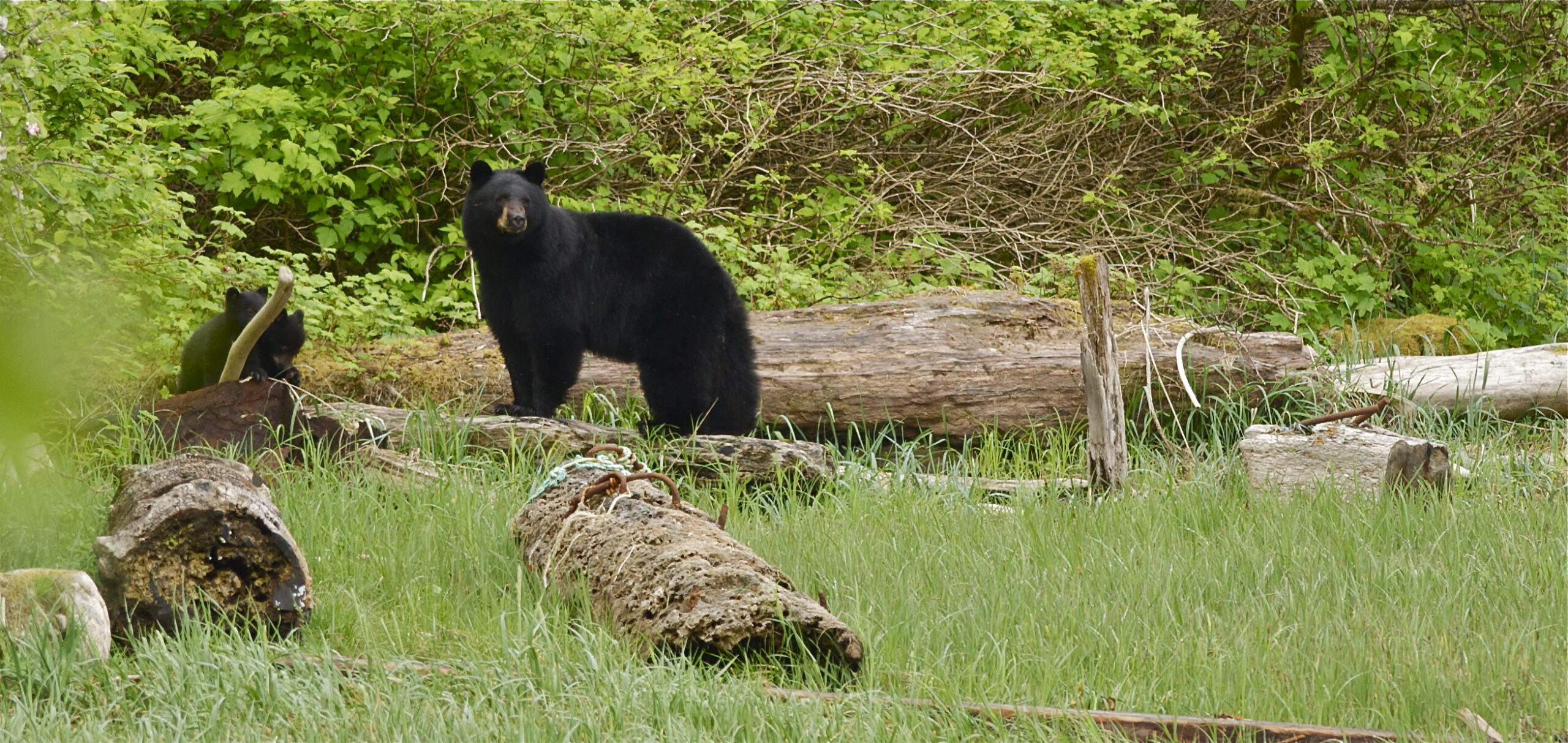
Humans need to change to avoid violent wildlife encounters: expert
Globe and Mail, July 30, 2010 Shannon Moneo As B.C. experiences a bizarre season of wildlife-human conflicts, with a rare attack by a black bear and deer being demonized for attacking people and pets, a wildlife ecologist says people need to change.

Farmed salmon fail organic test
Victoria Times Colonist, July 25, 2010 Re: “Farmed B.C. salmon could carry organic label under federal plan,” July 15. The proposal by the Canadian General Standards Board and the organic aquaculture working group at Fisheries and Oceans Canada to give the “organic stamp of approval” to B.C. farmed salmon raised in open-net pens is nothing…

Vampire Blues: suckin’ blood from the earth
Canadian federal and provicial governments seem eager to turn BC’s coast into an energy corridor. Enbridge Inc. is pushing hard to construct a twinned pipeline from the tar sands of Alberta to the coast of BC, where Exxon Valdez-sized supertankers would ship oil to Asian and American markets.
A Koeye Camp Idyll
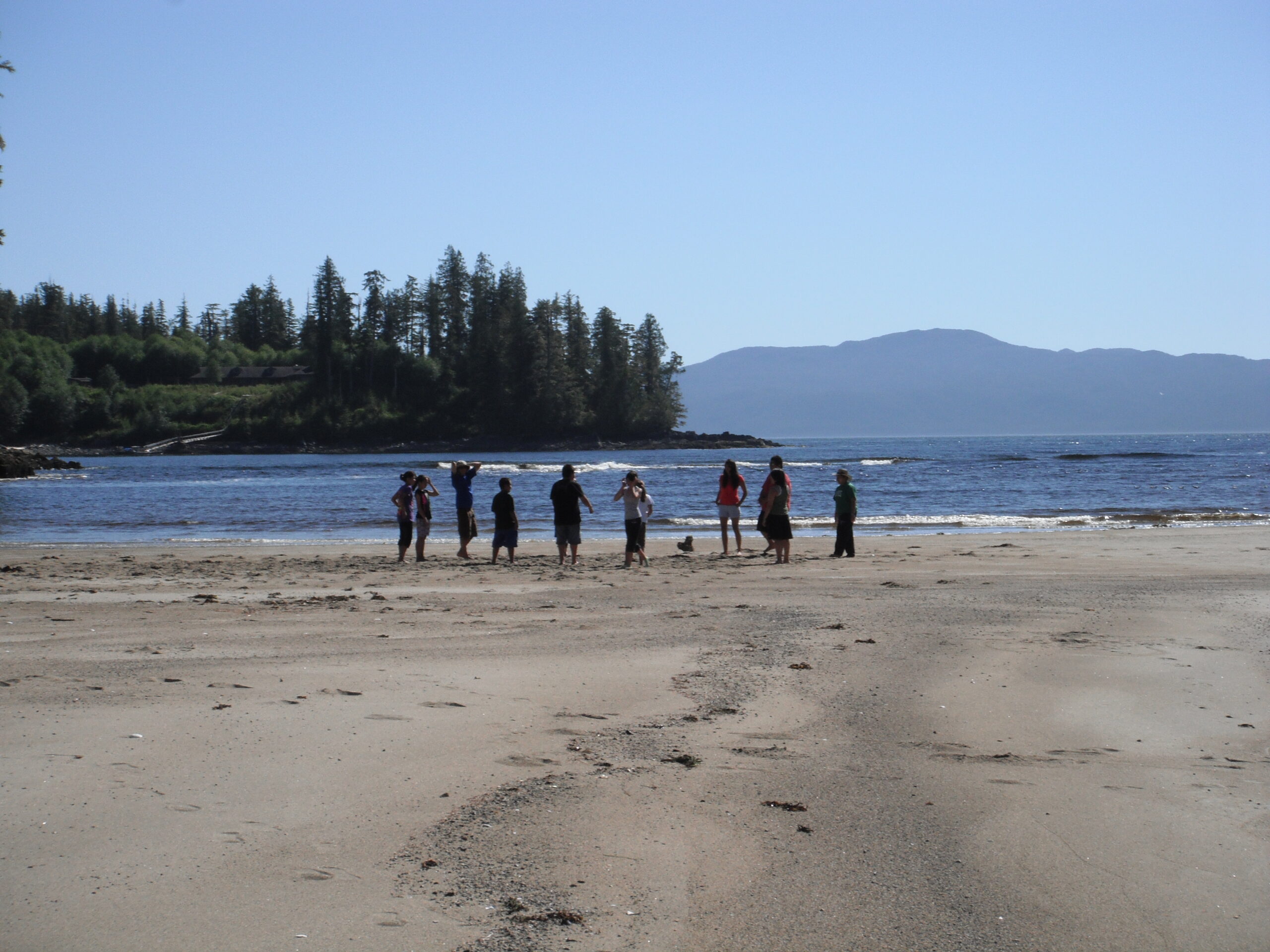
by Bryce Bocking As the boat containing my fellow Raincoast colleagues and I drew near the Koeye River, memories of the last time I was here, nearly five years ago (at age fourteen), began to return. As a first year engineering student and volunteer with Raincoast, I looked forward to the following days I’d be…
Join the fray
Time for BC boycott Calgary Herald, July 16, 2010 Edmonton Journal, July 18, 2010 Regarding the billboard ads urging Americans not to visit Alberta this summer, B.C. conservation groups might want to take a page from U.S. environmental organizations and adopt a similar campaign urging British Columbians to “rethink” travelling to Alberta.
B.C. should get in on the act
Calgary Sun, July 16, 2010 Re: The billboard ads urging Americans not to visit Alberta. B.C. conservation groups might want to take a page from U.S. environmental organizations and adopt a similar campaign urging British Columbians to “rethink” travelling to Alberta.