

Shifting salmon policy
Photo by Alex Harris.
Ecosystems are complex. They are communities of living organisms connected through interacting processes and features on the land, in water, and between the two. Yet BC’s antiquated environmental policy doesn’t reflect this. Colonial society governs ecosystems by siloing them into distinct ministries and resources instead of reflecting the interconnected nature of habitats that make them function in the living world. This “siloed decision making”is the root cause of many of the ecological challenges we face today.
Our policy goals
1. Manage fisheries for ecosystems
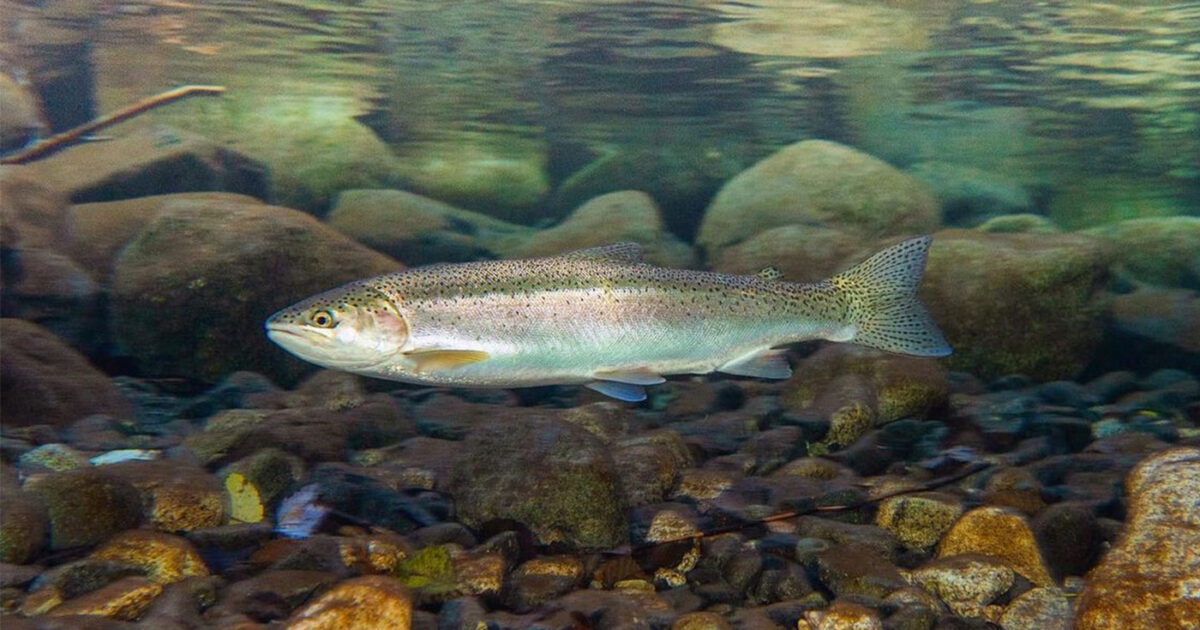
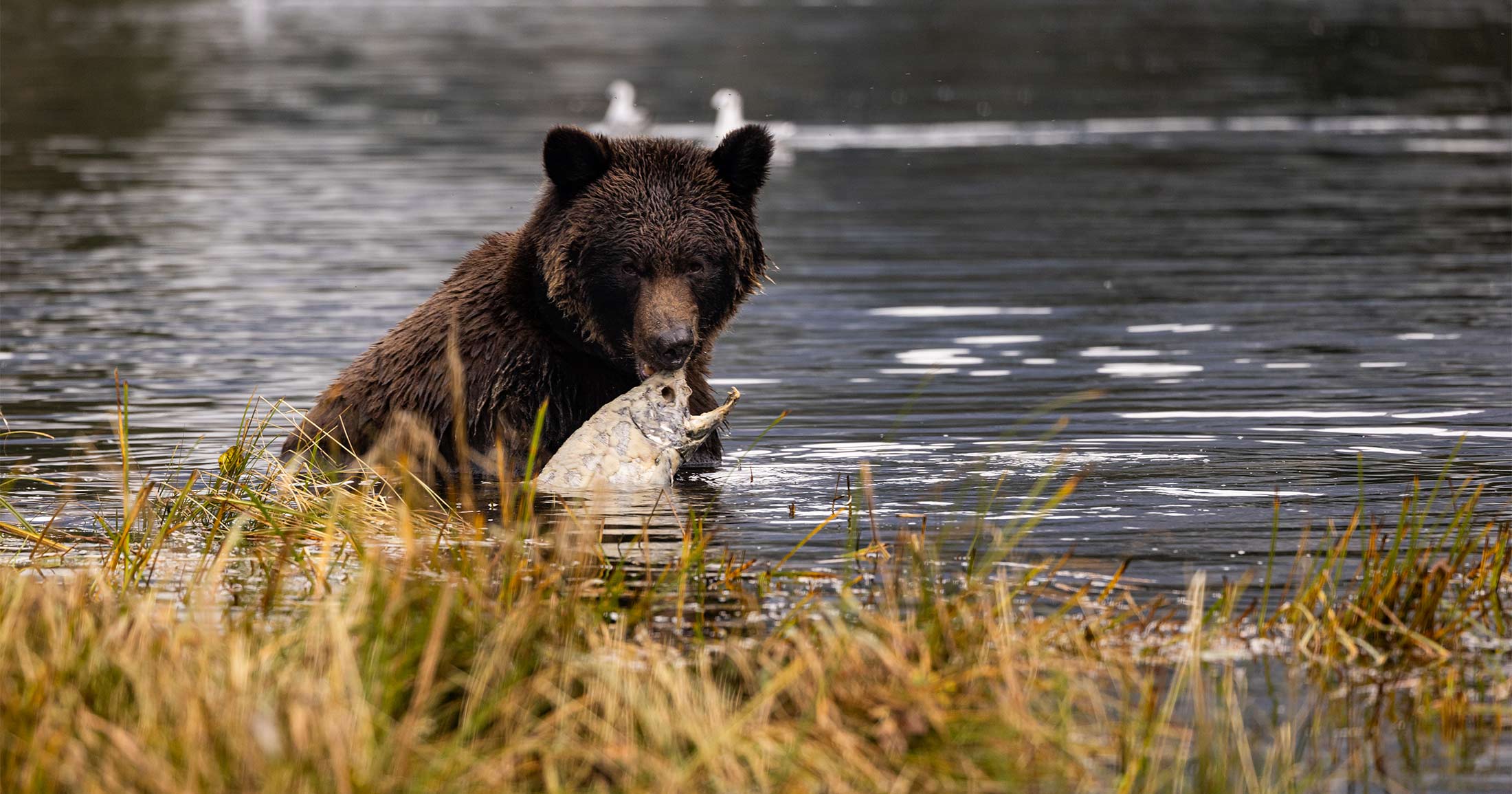
- Set salmon harvest at levels that optimize the benefits of spawning salmon to watersheds and wildlife.
- Shift away from historic management paradigms that minimize the number of spawning salmon reaching rivers and maximize harvest (called Maximum Sustainable Yield). Move towards fisheries management that meets salmon spawning targets that are ecologically based, not harvest-based.
- Shift harvest toward selective terminal fisheries (conducted in or near the rivers of origin) that respect the ‘place-based’ nature of salmon, and optimize the benefits to ecosystems, Indigenous cultures, and local communities.
2. Implement ecological-based governance
- Conservation planning and a commitment to sustainability that looks 7 generations ahead.
- A “whole-of-government” approach that implements shared solutions by Indigenous, federal, provincial, and municipal governments to achieve salmon recovery from inland watersheds and rivers, to the open ocean.
- Governance that honours Aboriginal rights and title, inherent Indigenous jurisdiction and law, and the United Nations Declaration on the Rights of Indigenous Peoples (UNDRIP) and the Declaration on the Rights of Indigenous Peoples Act (DRIPA).
- Sustainable funding strategies for watershed-scale restoration and planning.
3. Advance land-use policies that prioritize the health of wild salmon and biodiversity
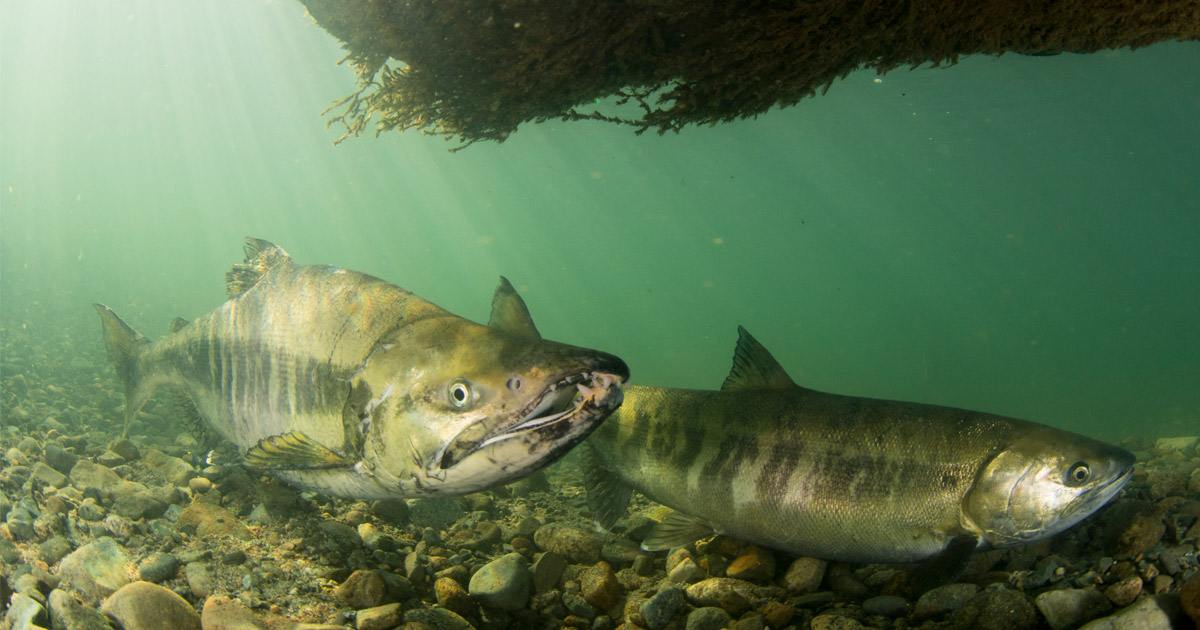
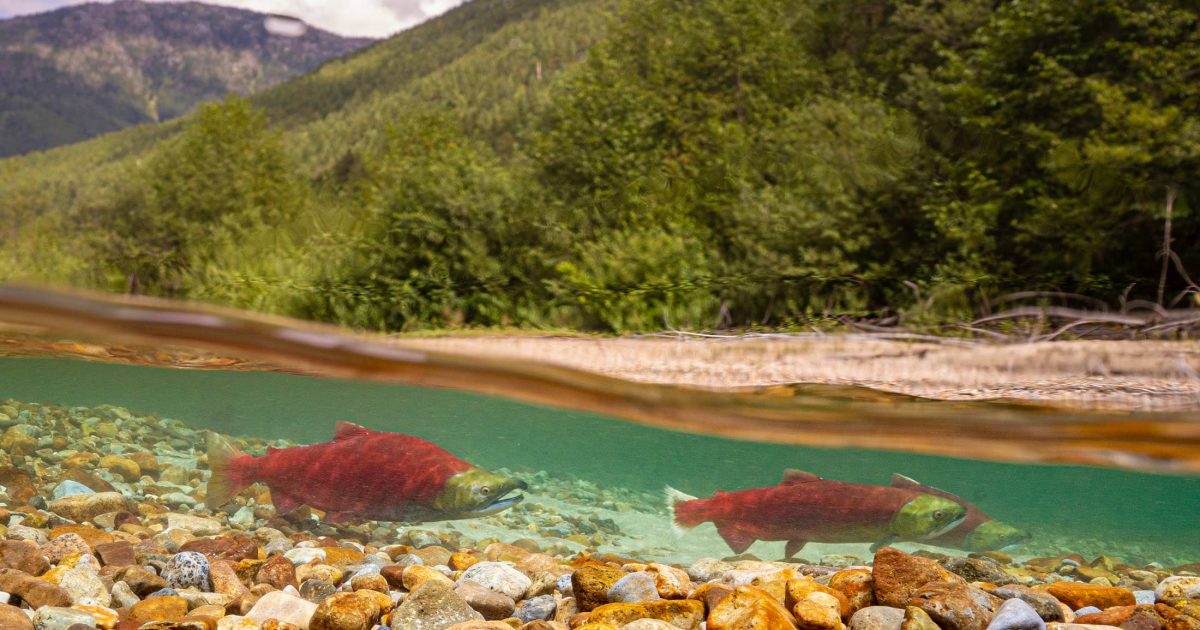
- Zoning that bolsters functioning watersheds and riparian habitat (i.e.protect natural features, limit impervious surfaces, reduce urban sprawl, adopt nature-based solutions).
- Forestry policy that prioritizes salmon health by restricting clear-cutting in salmon watersheds, and incentivizes a sustainable, second or third-growth forest economy.
- Climate adaptation policy that incentivizes nature-based solutions including natural shorelines, intact riparian areas, unrestricted floodplains, managed retreat, and use of rain-gardens in urban areas.
Our recent reports
Recent articles

Help Raincoast end the trophy hunt
IMAGINE if your conservation investment could go directly to protecting the lives of wild animals, now and forever.
In 2005, our supporters helped us purchase a vast hunting territory and end commercial trophy hunting in an area three times the size of Yellowstone National Park….
If you can’t beat ’em, buy ’em
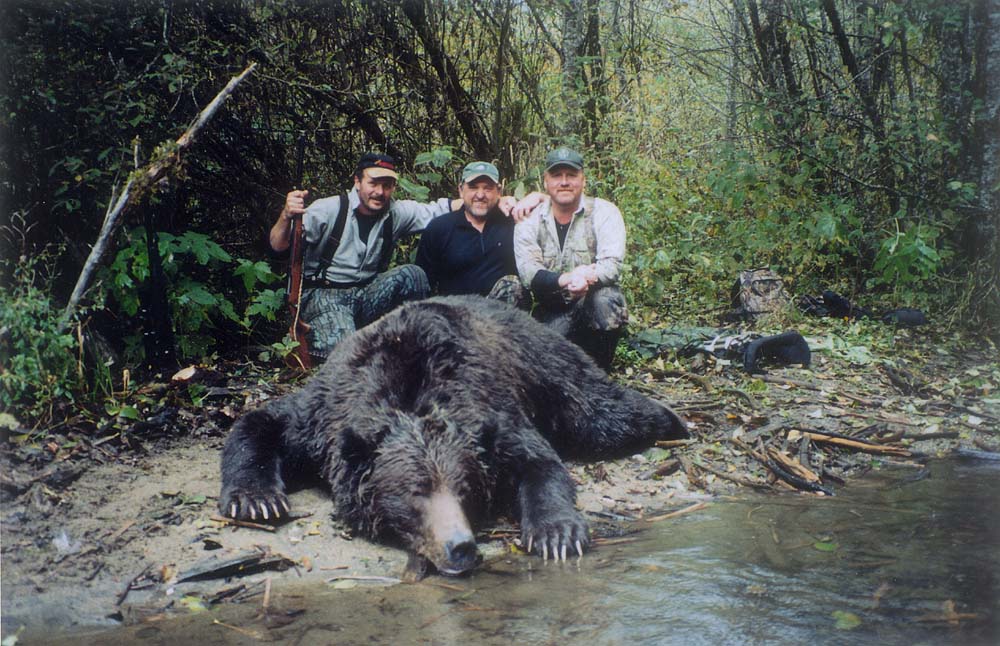
Raincoast has a track record with big ideas. In a move that garnered worldwide attention, we purchased an exclusive 24,700 km2 hunting license for $1.3 million in 2005. Our purchase ended commercial trophy hunting over this huge region. Grizzlies, wolves, and black bears were no longer targets for commercial trophy hunters throughout much of British…

Cougar protection urged
By Ken Manning – North Island Gazette
Published: January 27, 2011
Say the word “cougar” on the North Island and people pay attention. Say that cougars need our protection, not vice versa, and you are probably in for an argument…
Raincoast to purchase Spirit Bear hunting territory
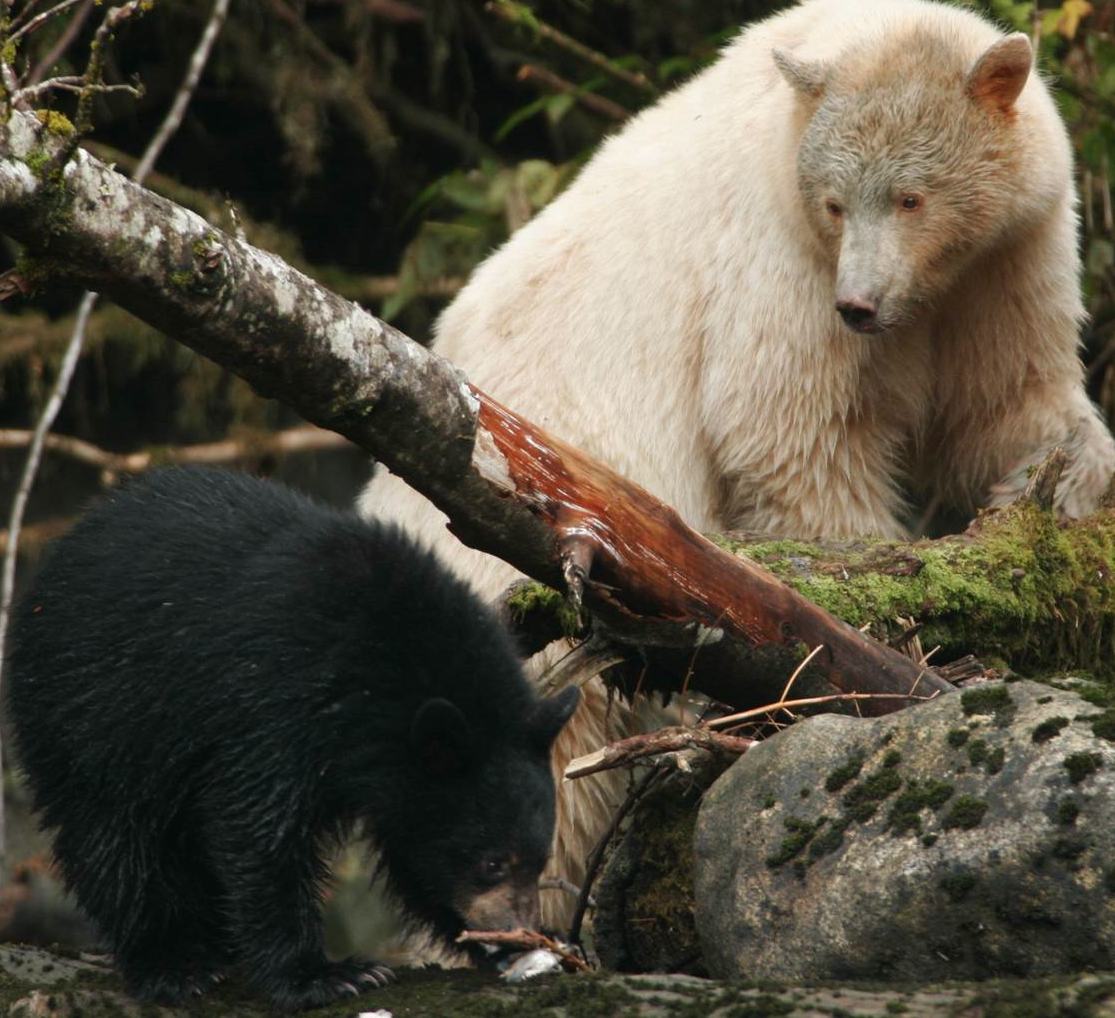
Last year, Raincoast began negotiations to acquire a very unique hunting territory – the primary place where spirit bears roam. Despite a restriction on killing spirit bears, trophy hunting of black bears – that carry the recessive gene that causes the white coat – is allowed. Our purchase will help protect these rare bears and…
The Magic of Cougars
Times Colonist
January 22, 2011
Cougars help make Vancouver Island what it is. Most of us never see one. But their existence confirms that the wildness at the heart of this land has not been lost as humans have claimed more and more space for their own….
Kochs invade Canada
After losing their fight for Proposition 23 in California, one might have hoped the world would be safe from oil-rich climate deniers Charles and David Koch for a little while. But unfortunately their misinformation campaign is drifting over the border into Ontario, Canada…