

Shifting salmon policy
Photo by Alex Harris.
Ecosystems are complex. They are communities of living organisms connected through interacting processes and features on the land, in water, and between the two. Yet BC’s antiquated environmental policy doesn’t reflect this. Colonial society governs ecosystems by siloing them into distinct ministries and resources instead of reflecting the interconnected nature of habitats that make them function in the living world. This “siloed decision making”is the root cause of many of the ecological challenges we face today.
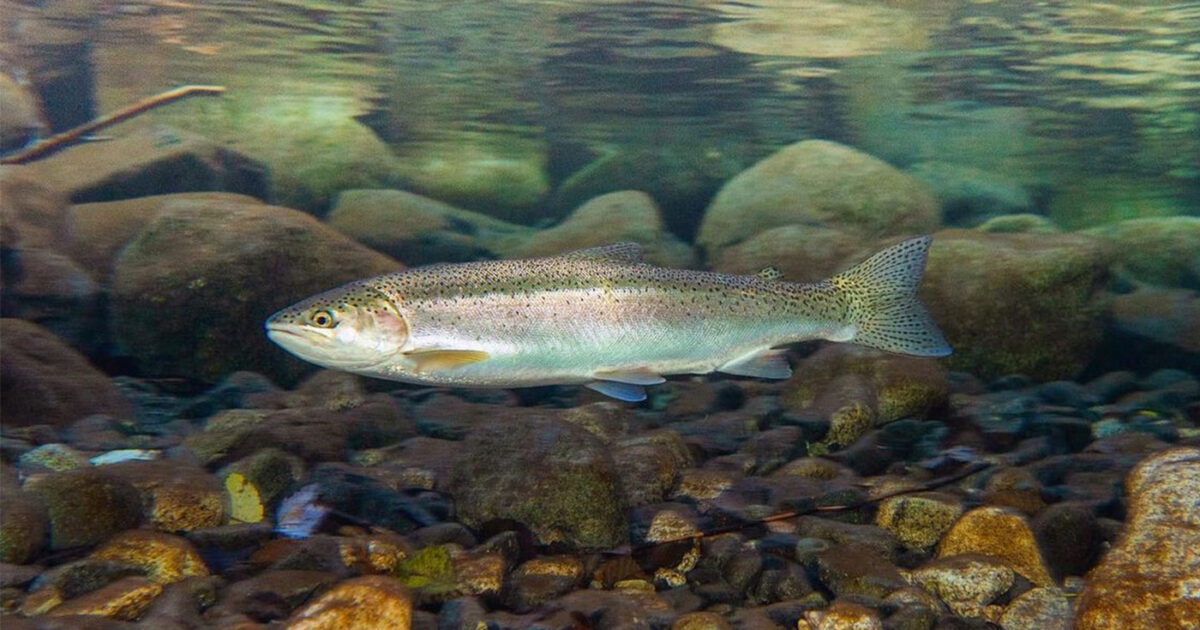
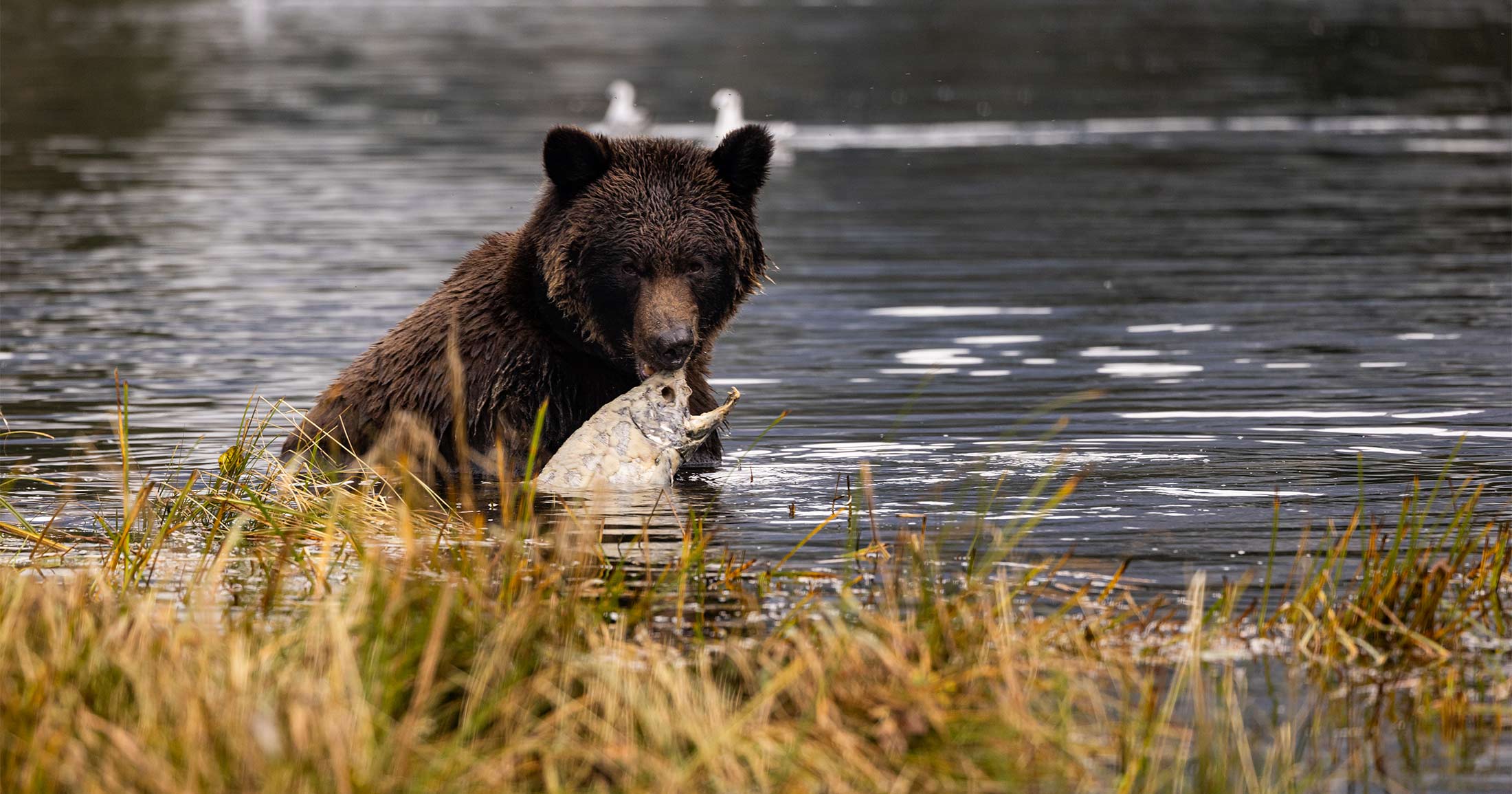
Our policy goals
1. Manage fisheries for ecosystems
- Set salmon harvest at levels that optimize the benefits of spawning salmon to watersheds and wildlife.
- Shift away from historic management paradigms that minimize the number of spawning salmon reaching rivers and maximize harvest (called Maximum Sustainable Yield). Move towards fisheries management that meets salmon spawning targets that are ecologically based, not harvest-based.
- Shift harvest toward selective terminal fisheries (conducted in or near the rivers of origin) that respect the ‘place-based’ nature of salmon, and optimize the benefits to ecosystems, Indigenous cultures, and local communities.
2. Implement ecological-based governance
- Conservation planning and a commitment to sustainability that looks 7 generations ahead.
- A “whole-of-government” approach that implements shared solutions by Indigenous, federal, provincial, and municipal governments to achieve salmon recovery from inland watersheds and rivers, to the open ocean.
- Governance that honours Aboriginal rights and title, inherent Indigenous jurisdiction and law, and the United Nations Declaration on the Rights of Indigenous Peoples (UNDRIP) and the Declaration on the Rights of Indigenous Peoples Act (DRIPA).
- Sustainable funding strategies for watershed-scale restoration and planning.
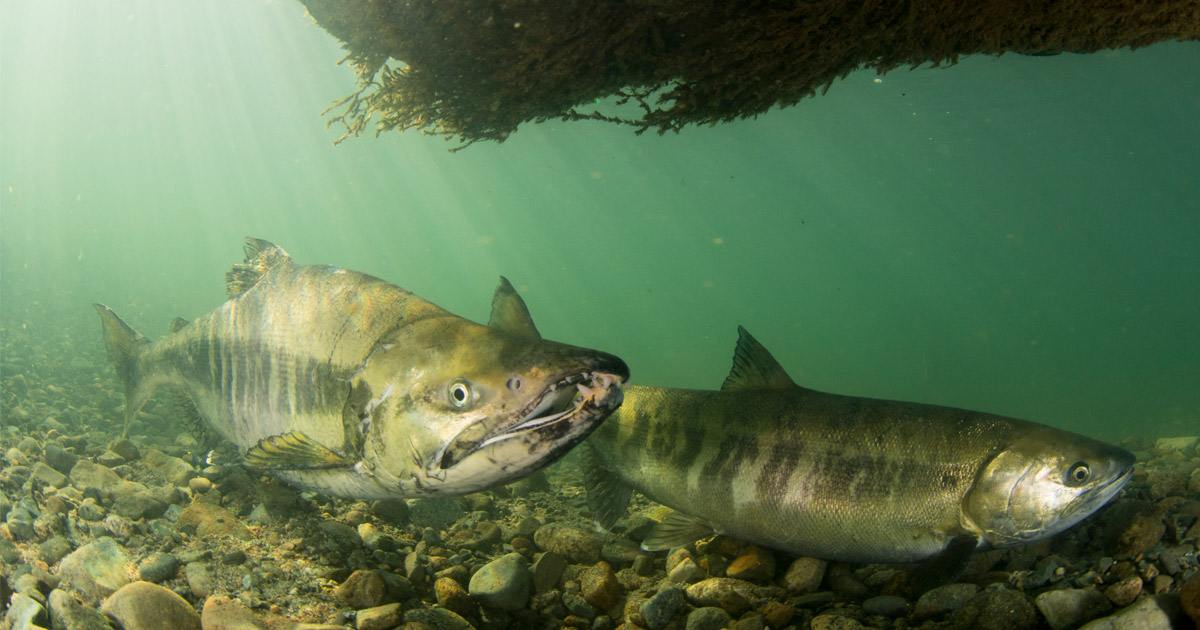
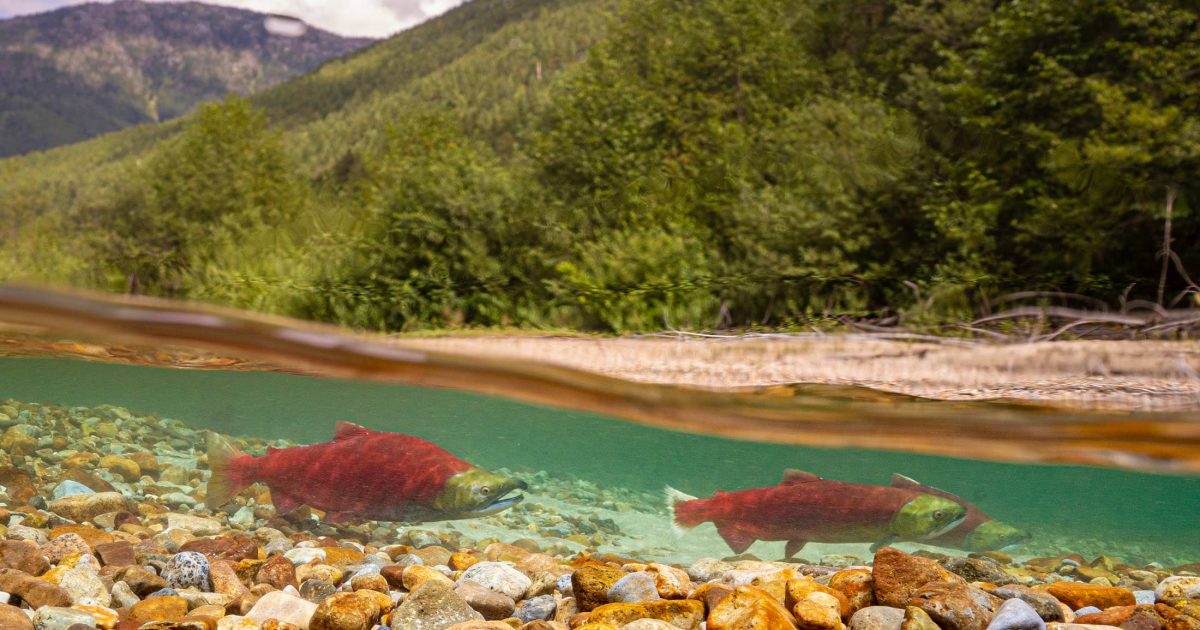
3. Advance land-use policies that prioritize the health of wild salmon and biodiversity
- Zoning that bolsters functioning watersheds and riparian habitat (i.e.protect natural features, limit impervious surfaces, reduce urban sprawl, adopt nature-based solutions).
- Forestry policy that prioritizes salmon health by restricting clear-cutting in salmon watersheds, and incentivizes a sustainable, second or third-growth forest economy.
- Climate adaptation policy that incentivizes nature-based solutions including natural shorelines, intact riparian areas, unrestricted floodplains, managed retreat, and use of rain-gardens in urban areas.
Our recent reports
Recent articles

The bloody lesson of the Whistler sled dog slaughter
By Chris Genovali, The Guardian
British Columbia’s premier has taken a strong line on this dog cull. But what about the routine horrors of trophy hunting in BC?

Concern over sled dogs should include all animals
As long as trophy hunts still exist, the province’s stance is hypocritical
By Chris Genovali, Times Colonist
The outrage over the killing of 100 sled dogs in Whistler is an important sign a significant number of people are still in touch with a clear sense of right and wrong…

The Sockeye Whisperer
Seaside Times
February 2011
By Chris Genovali, Executive Director, Raincoast Conservation Foundation
Raincoast Conservation Foundation biologist Michael Price is truly a local boy made good…

Defending our killer whale legal victory
FISHERIES MINISTER APPEALING FEDERAL COURT’S KILLER WHALE RULING by Misty MacDuffee Wild Salmon Program biologist and killer whale advocate January 2011 Raincoast and our conservation partners recently won a major legal victory for British Columbia’s endangered and threatened resident killer whales. Led by lawyer Margot Venton at Ecojustice, we challenged the federal government’s lack of…
Defending our killer whale legal victory
FISHERIES MINISTER APPEALING FEDERAL COURT’S KILLER WHALE RULING
by Misty MacDuffee
Wild Salmon Program biologist and killer whale advocate…
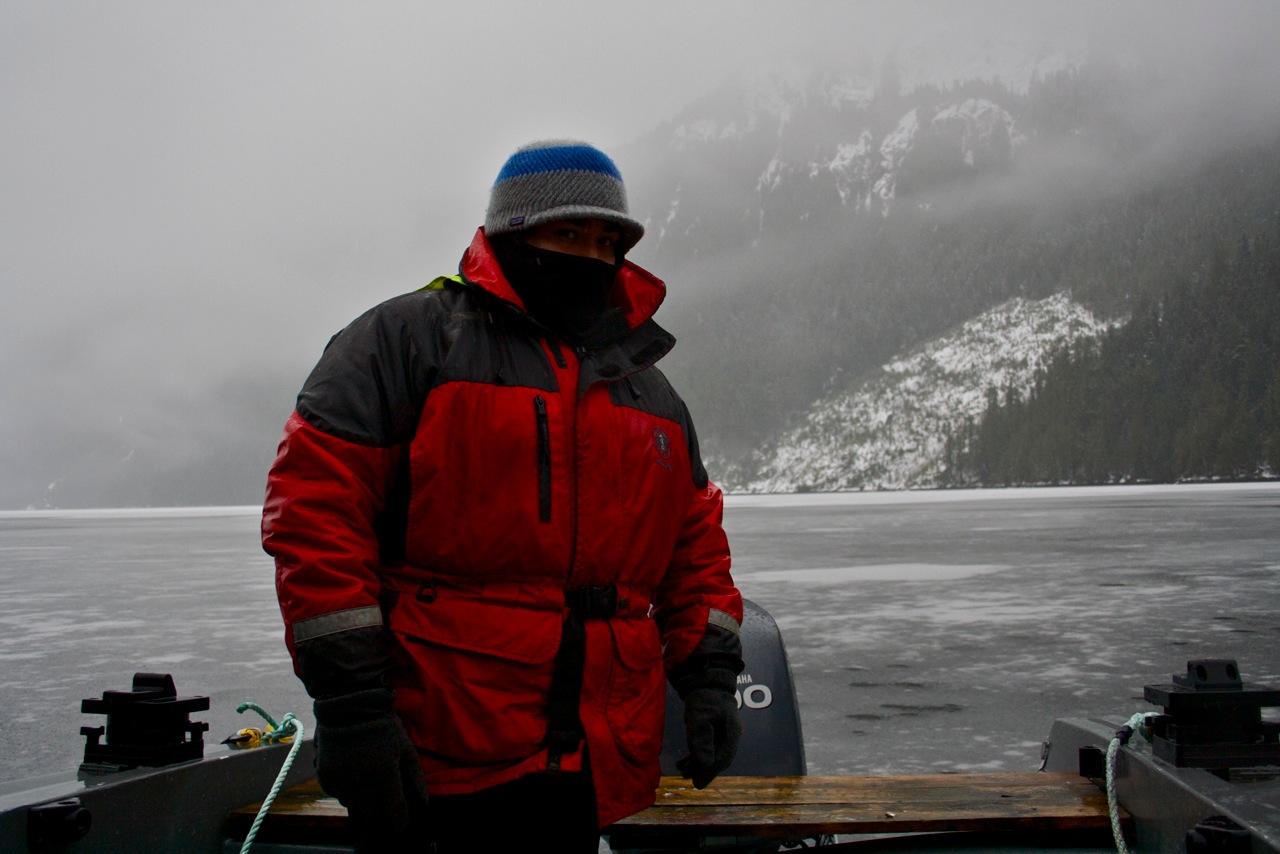
Winter in the Great Bear Rainforest
Check out these images of winter in the Great Bear Rainforest on BC’s central coast taken by Raincoast Field Station Manager and photographer Doug Brown…