

Shifting salmon policy
Photo by Alex Harris.
Ecosystems are complex. They are communities of living organisms connected through interacting processes and features on the land, in water, and between the two. Yet BC’s antiquated environmental policy doesn’t reflect this. Colonial society governs ecosystems by siloing them into distinct ministries and resources instead of reflecting the interconnected nature of habitats that make them function in the living world. This “siloed decision making”is the root cause of many of the ecological challenges we face today.
Our policy goals
1. Manage fisheries for ecosystems
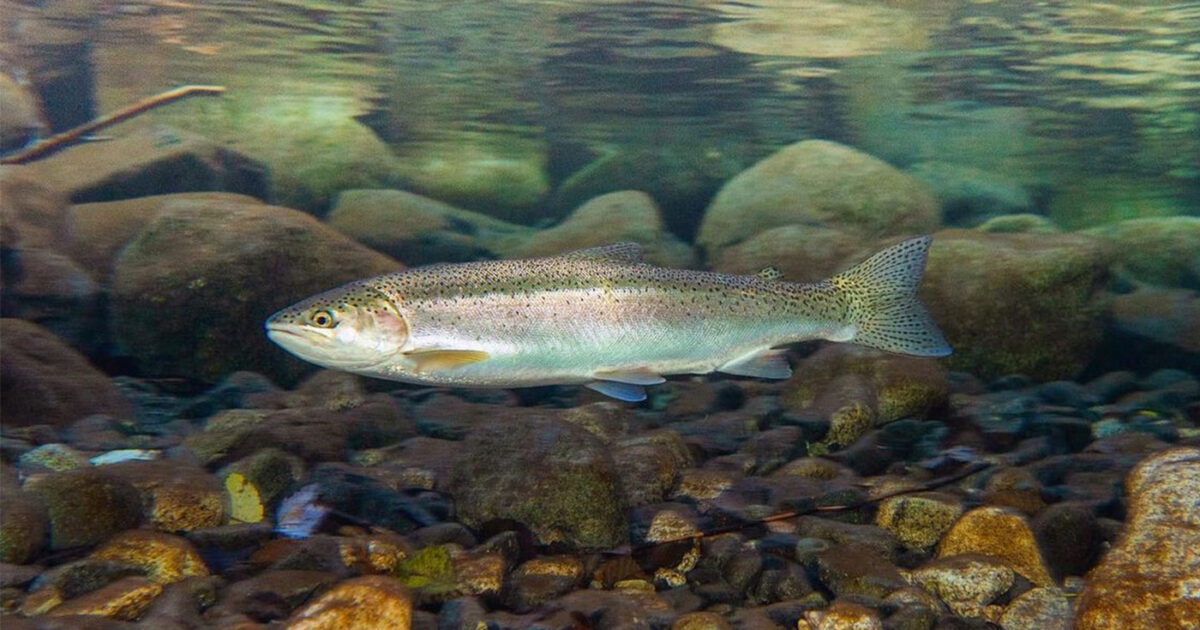
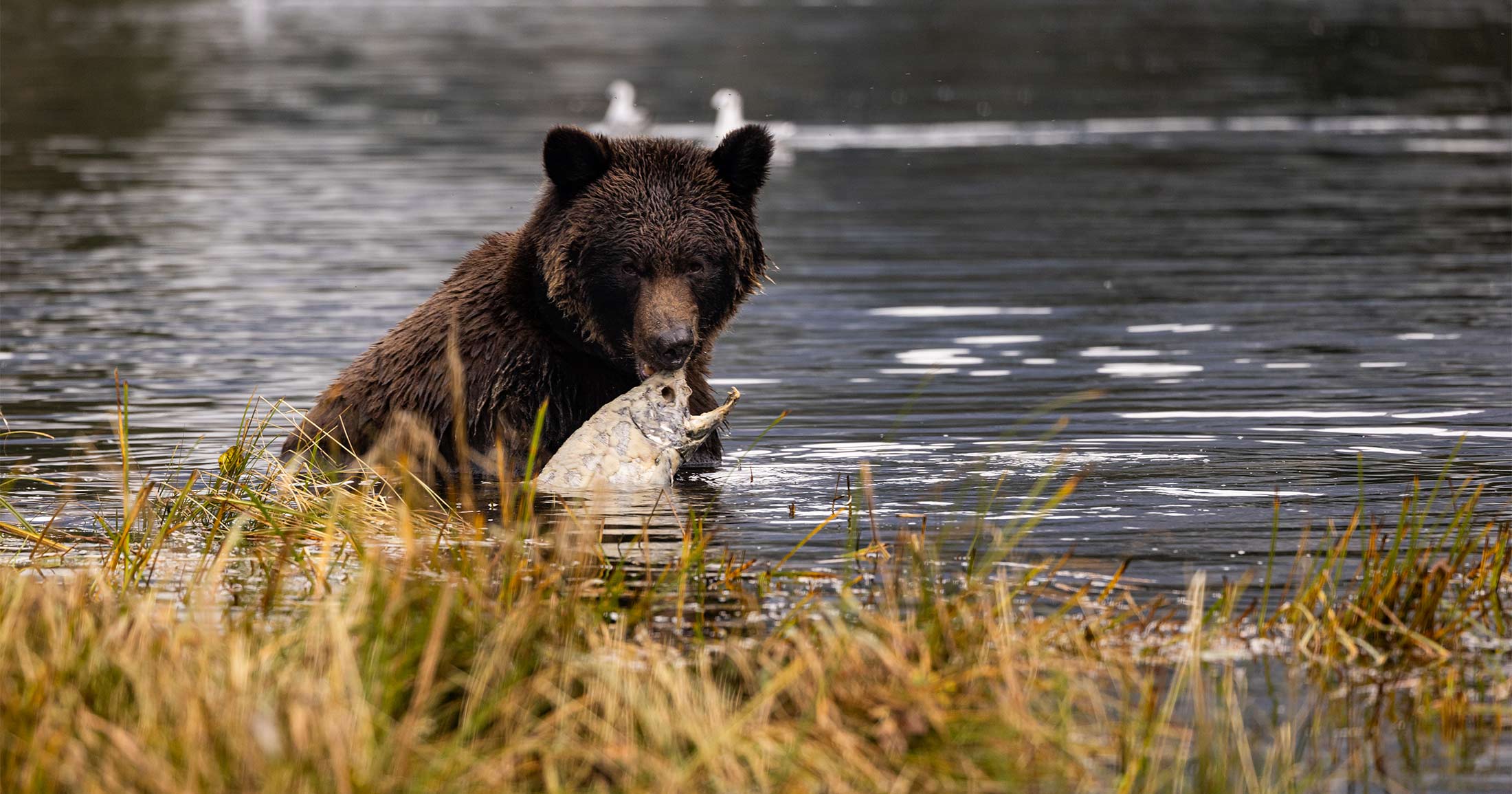
- Set salmon harvest at levels that optimize the benefits of spawning salmon to watersheds and wildlife.
- Shift away from historic management paradigms that minimize the number of spawning salmon reaching rivers and maximize harvest (called Maximum Sustainable Yield). Move towards fisheries management that meets salmon spawning targets that are ecologically based, not harvest-based.
- Shift harvest toward selective terminal fisheries (conducted in or near the rivers of origin) that respect the ‘place-based’ nature of salmon, and optimize the benefits to ecosystems, Indigenous cultures, and local communities.
2. Implement ecological-based governance
- Conservation planning and a commitment to sustainability that looks 7 generations ahead.
- A “whole-of-government” approach that implements shared solutions by Indigenous, federal, provincial, and municipal governments to achieve salmon recovery from inland watersheds and rivers, to the open ocean.
- Governance that honours Aboriginal rights and title, inherent Indigenous jurisdiction and law, and the United Nations Declaration on the Rights of Indigenous Peoples (UNDRIP) and the Declaration on the Rights of Indigenous Peoples Act (DRIPA).
- Sustainable funding strategies for watershed-scale restoration and planning.
3. Advance land-use policies that prioritize the health of wild salmon and biodiversity
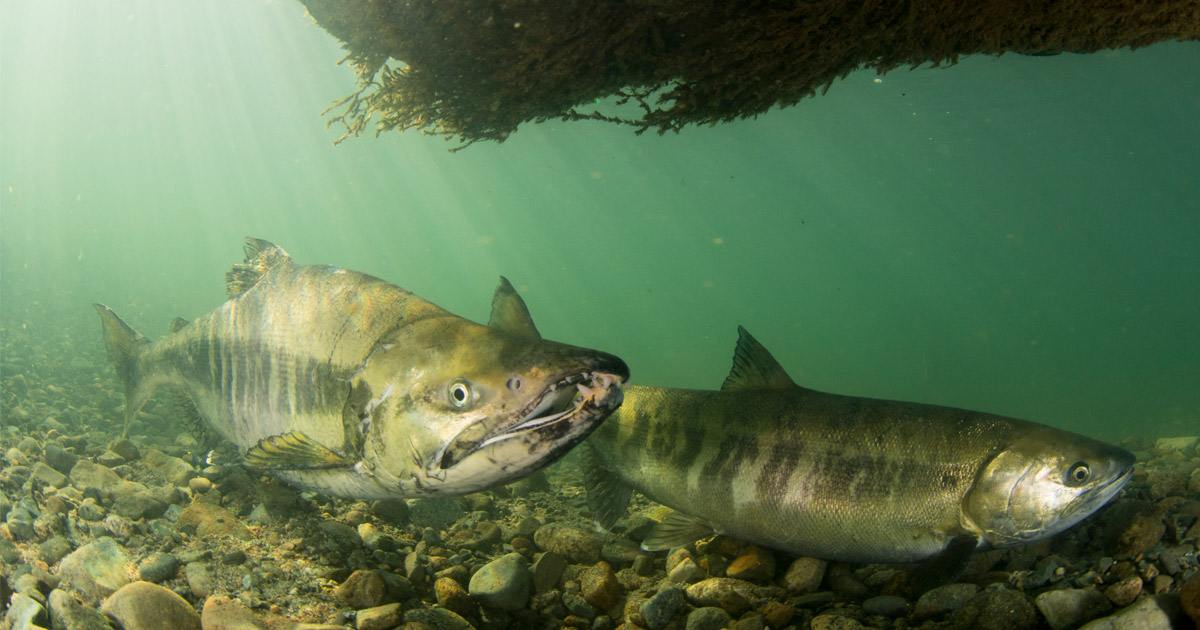
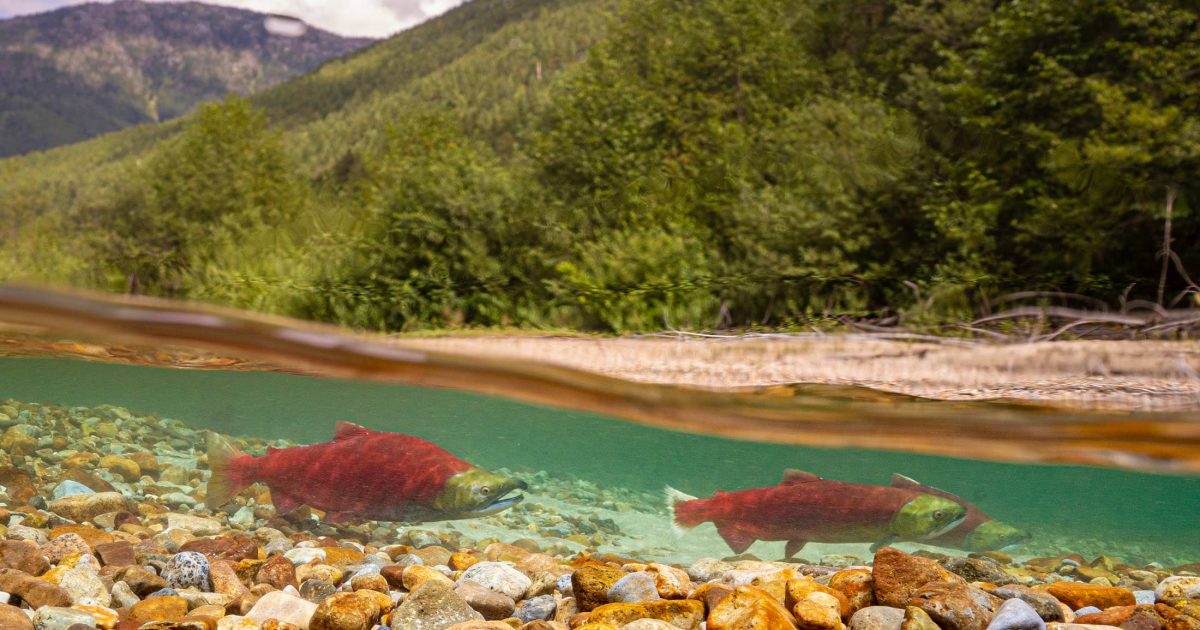
- Zoning that bolsters functioning watersheds and riparian habitat (i.e.protect natural features, limit impervious surfaces, reduce urban sprawl, adopt nature-based solutions).
- Forestry policy that prioritizes salmon health by restricting clear-cutting in salmon watersheds, and incentivizes a sustainable, second or third-growth forest economy.
- Climate adaptation policy that incentivizes nature-based solutions including natural shorelines, intact riparian areas, unrestricted floodplains, managed retreat, and use of rain-gardens in urban areas.
Our recent reports
Recent articles

First day of fieldwork for the Bear Scene Investigation (BSI) team
After an almost 24-hour trip from Victoria to Bella Bella and a 3-day stint of preparation and decompression, today was the first day back in the field for the BSI (Bear Scene Investigation) crew. Today’s doses of sun followed yesterday’s 50+ mm of rain quite nicely, and made for a great reintroduction to our coastal…
The cruelest month for British Columbia’s coastal carnivores
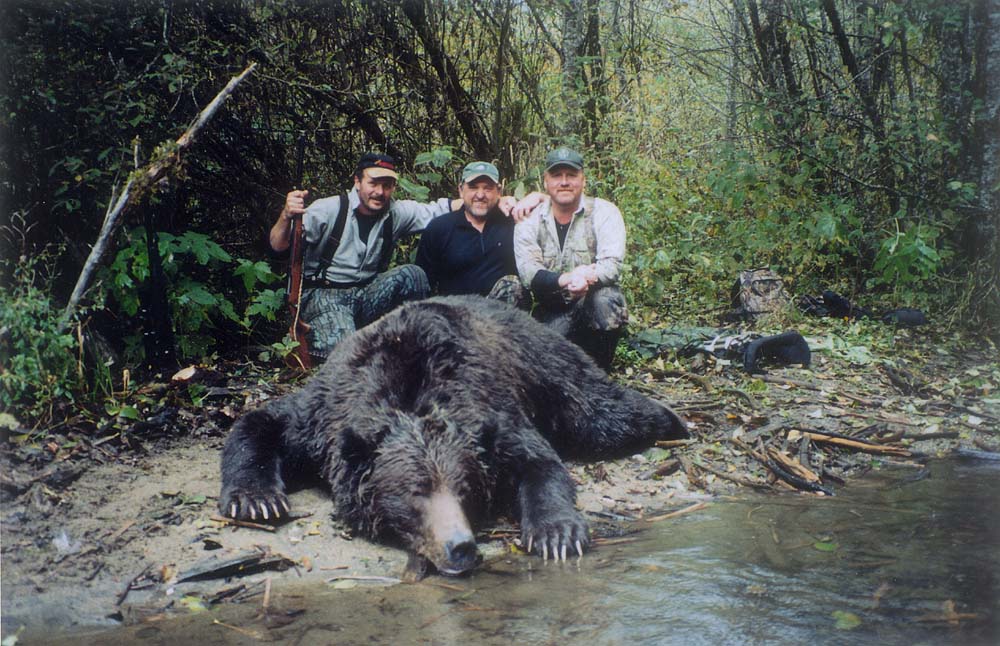
For large carnivores in British Columbia’s Great Bear Rainforest April marks the start of the spring recreational hunting season, and signals a time to start dodging bullets from “sportsmen” wielding high-powered rifles in search of “trophies.”

Marine Debris in BC Coastal Waters
Researchers from Raincoast, the University of St. Andrews, Oceans Initiative and Environment Canada teamed up to assess the presence and potential threats from marine garbage to BC’s marine animals…

Canada’s tar sands: bringing pipelines, tankers and climate disruption to an ecosystem near you
Enbridge’s Northern Gateway project invites the world’s largest supertankers and dirtiest oil to the unspoiled waters of coastal British Columbia. Similarly, Kinder Morgan’s Trans-Mountain pipeline expansion would dramatically raise the level of tanker traffic traversing through Vancouver, the Fraser estuary and the Gulf Islands. For more on Kinder Morgan proposal click here. Read below for a…
The Will of the Land
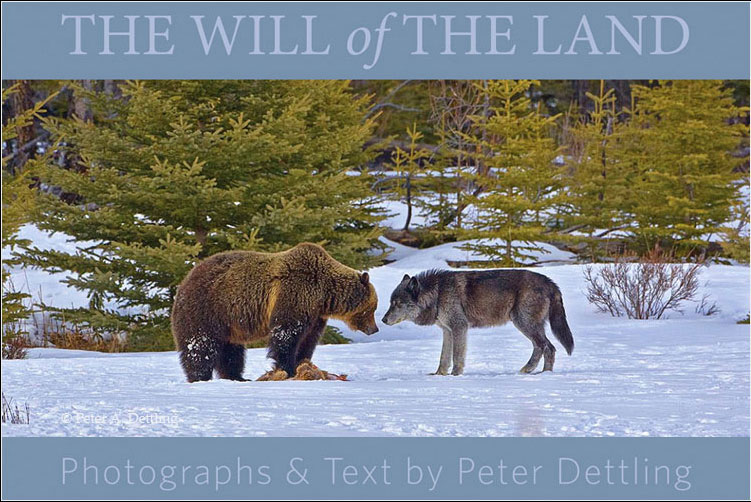
Peter Dettling’s new book “The Will of the Land” takes an important look at wolves and grizzlies in the region of Banff National Park. Peter is a remarkable photographer and advocate for wildlife. The foreward is written by Raincoast’s Dr. Paul Paquet…

‘Welfare of wolves’ goes to International Canine conference
As part of the International Conference on Canines in Germany this October, Raincoast’s Dr. Paul Paquet will be speaking on the need to apply animal welfare considerations to wildlife…