

Shifting salmon policy
Photo by Alex Harris.
Ecosystems are complex. They are communities of living organisms connected through interacting processes and features on the land, in water, and between the two. Yet BC’s antiquated environmental policy doesn’t reflect this. Colonial society governs ecosystems by siloing them into distinct ministries and resources instead of reflecting the interconnected nature of habitats that make them function in the living world. This “siloed decision making”is the root cause of many of the ecological challenges we face today.
Our policy goals
1. Manage fisheries for ecosystems
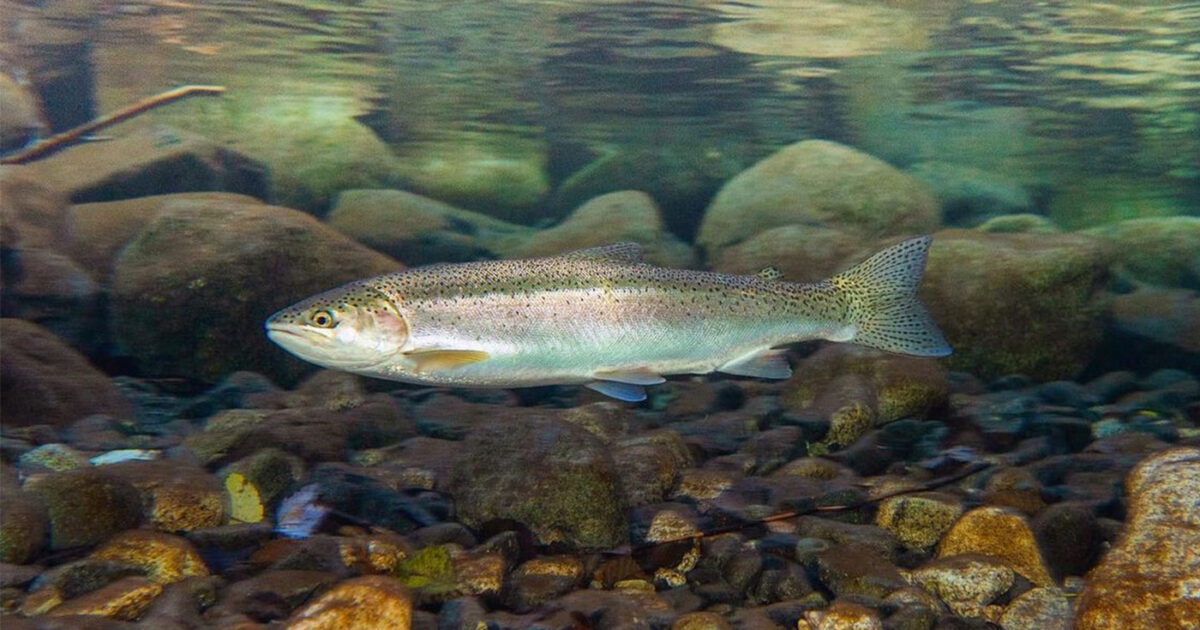
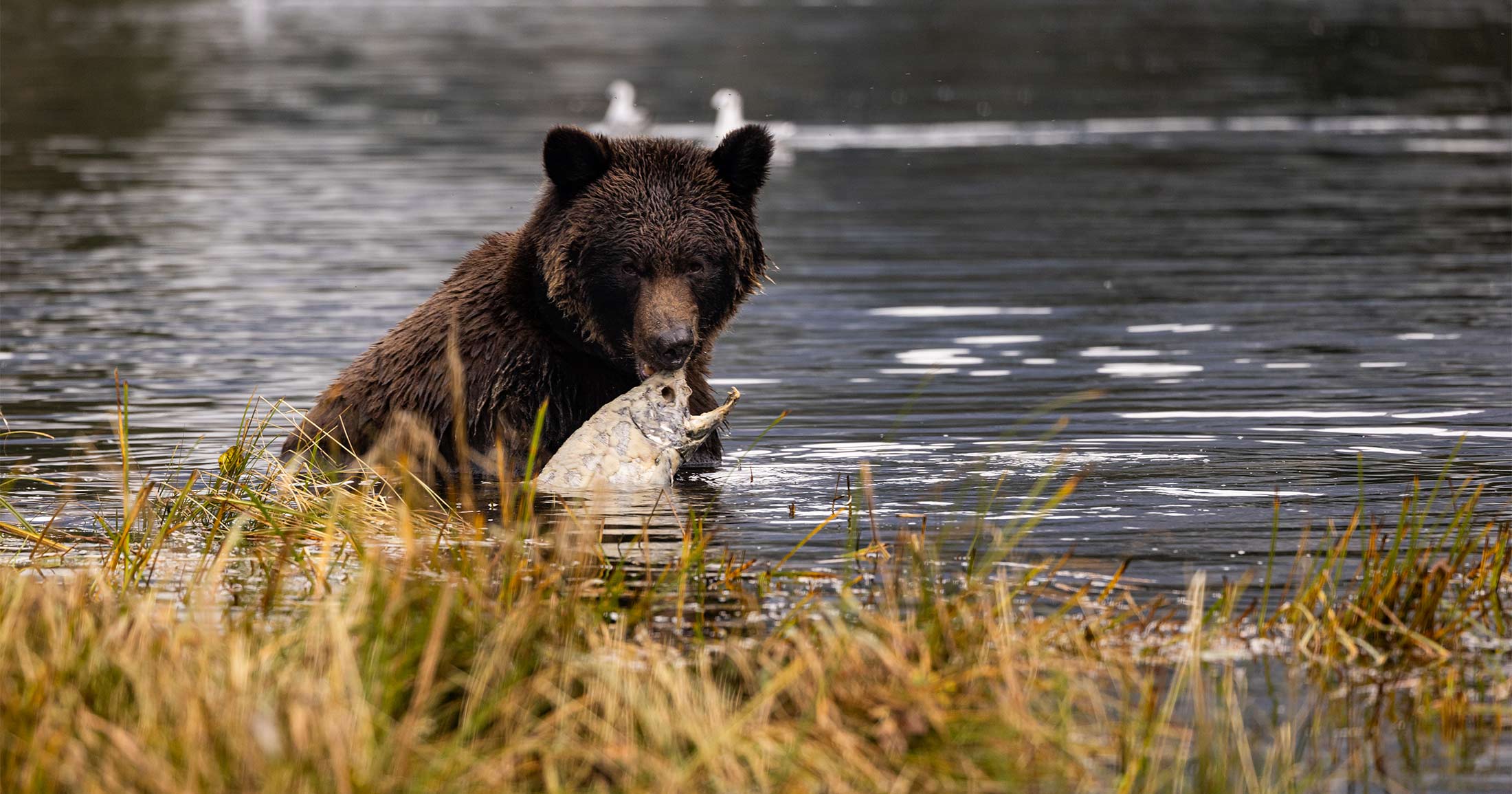
- Set salmon harvest at levels that optimize the benefits of spawning salmon to watersheds and wildlife.
- Shift away from historic management paradigms that minimize the number of spawning salmon reaching rivers and maximize harvest (called Maximum Sustainable Yield). Move towards fisheries management that meets salmon spawning targets that are ecologically based, not harvest-based.
- Shift harvest toward selective terminal fisheries (conducted in or near the rivers of origin) that respect the ‘place-based’ nature of salmon, and optimize the benefits to ecosystems, Indigenous cultures, and local communities.
2. Implement ecological-based governance
- Conservation planning and a commitment to sustainability that looks 7 generations ahead.
- A “whole-of-government” approach that implements shared solutions by Indigenous, federal, provincial, and municipal governments to achieve salmon recovery from inland watersheds and rivers, to the open ocean.
- Governance that honours Aboriginal rights and title, inherent Indigenous jurisdiction and law, and the United Nations Declaration on the Rights of Indigenous Peoples (UNDRIP) and the Declaration on the Rights of Indigenous Peoples Act (DRIPA).
- Sustainable funding strategies for watershed-scale restoration and planning.
3. Advance land-use policies that prioritize the health of wild salmon and biodiversity
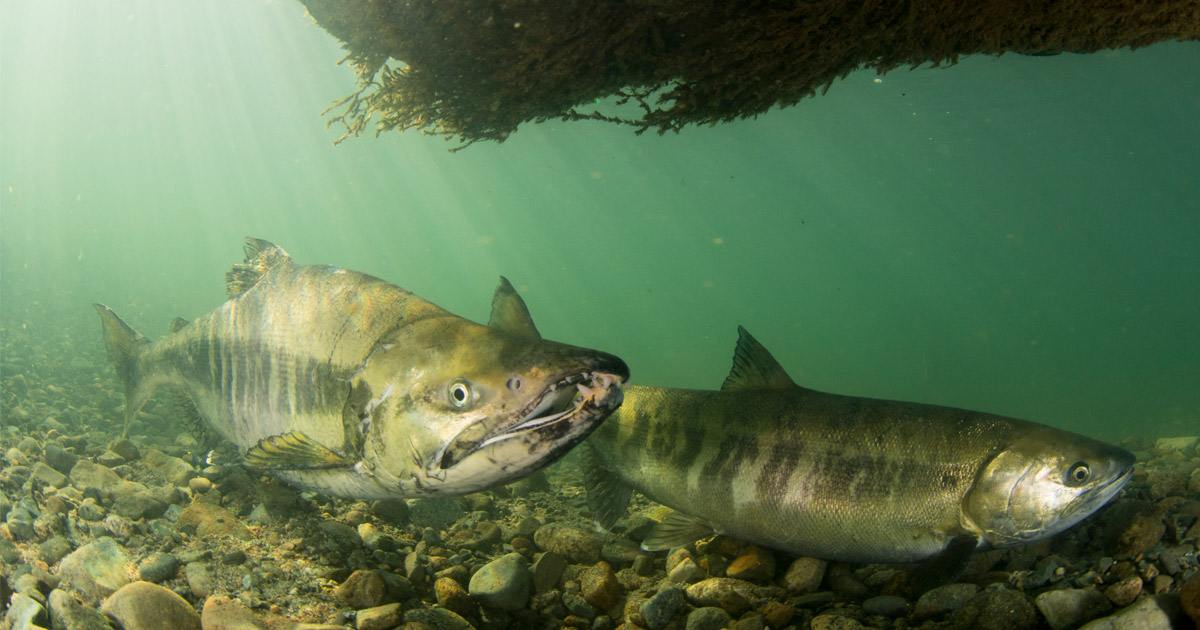
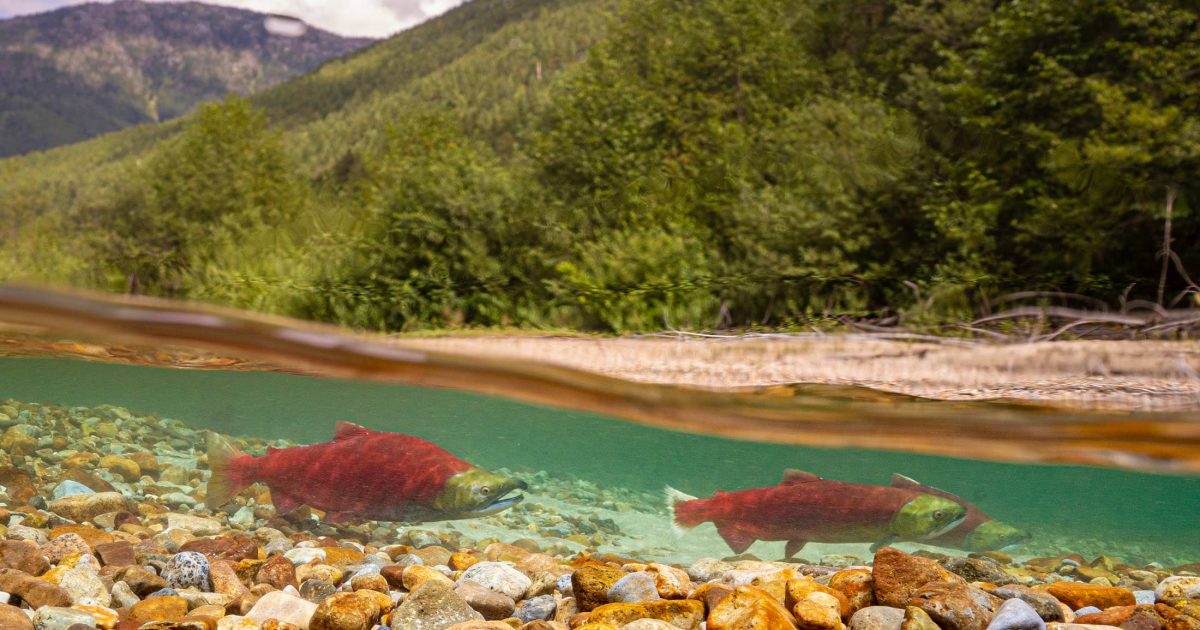
- Zoning that bolsters functioning watersheds and riparian habitat (i.e.protect natural features, limit impervious surfaces, reduce urban sprawl, adopt nature-based solutions).
- Forestry policy that prioritizes salmon health by restricting clear-cutting in salmon watersheds, and incentivizes a sustainable, second or third-growth forest economy.
- Climate adaptation policy that incentivizes nature-based solutions including natural shorelines, intact riparian areas, unrestricted floodplains, managed retreat, and use of rain-gardens in urban areas.
Our recent reports
Recent articles

The cost of oil on B.C.’s priceless coast
By Chris Genovali and Misty MacDuffee, Vancouver Sun June 18, 2011
If the Enbridge Northern Gateway project is approved, an estimated 225 supertankers a year would enter Kitimat …..

My visit with Raincoast in the Great Bear – guest blog from Dean Azim
Amazing. The most overused word in my current vocabulary. Every day at the Raincoast Field Station has been absolutely amazing. I feel as though every Canadian should have a right of passage of sorts, to experience this coast in person. It’s a place near impossible to translate through photos or words. Its a wonderland of…
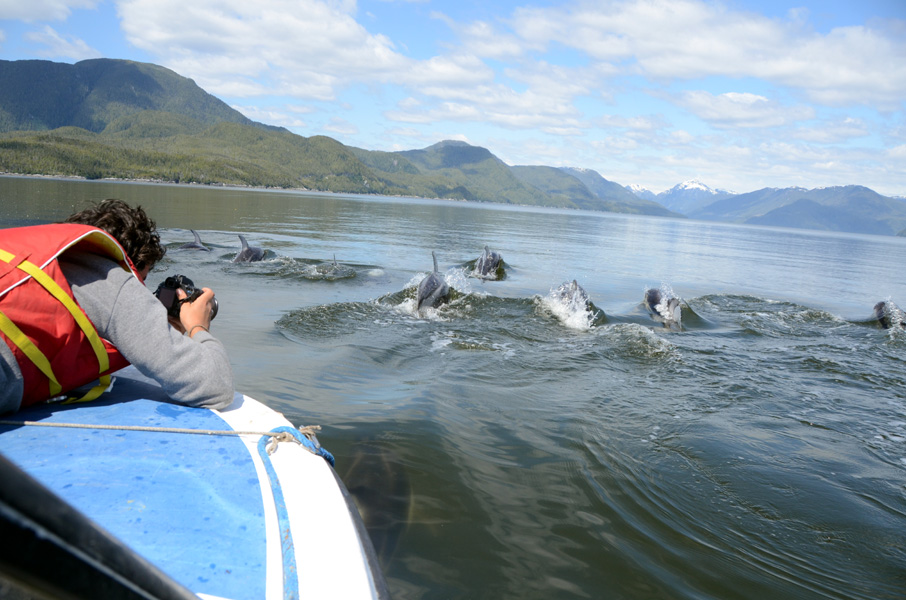
Sharing the love for the coast
Apart from our passion for science, one of Raincoast’s aims is to inspire a wide audience about this very special area of the BC’s coast. In pursuit of this goal, every year we invite a range of guests to come stay with us to experience the area and our work first hand. Some of these…

Saving Canada’s Pacific Coast
CounterPunch June 6, 2011
The growing emphasis on B.C.’s coast as an energy corridor has spurred substantial concerns from coastal communities and the public about the impacts and risks associated with large-scale oil operations and spills…

Two days of ‘wildlife gone wild’!
Often the best gifts are those received when you least expect them. I have been known to be comically talented at not seeing wildlife– when I explicitly set out to view carnivores and other wildlife I am remarkably good at JUST missing them. As such, being lucky enough to be blessed with wildlife encounters when…
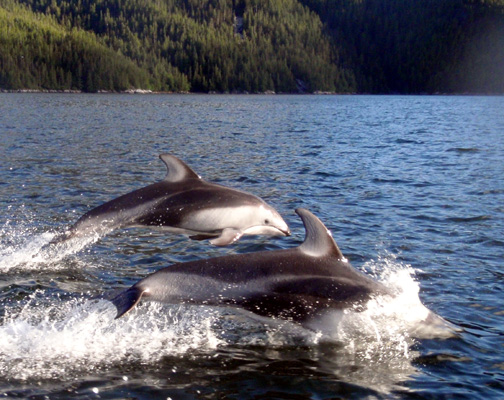
British Columbia’s Coast: Priceless And Irreplaceable
Island Tides June 2-15, 2011
BC’s Coast: Priceless And Irreplaceable
By Chris Genovali, Paul C. Paquet and Misty MacDuffee
With the conclusion of the international Marine Conservation Congress, recently held in Victoria, we cannot help but reflect on the current, and future, status of British Columbia’s coast…