

Shifting salmon policy
Photo by Alex Harris.
Ecosystems are complex. They are communities of living organisms connected through interacting processes and features on the land, in water, and between the two. Yet BC’s antiquated environmental policy doesn’t reflect this. Colonial society governs ecosystems by siloing them into distinct ministries and resources instead of reflecting the interconnected nature of habitats that make them function in the living world. This “siloed decision making”is the root cause of many of the ecological challenges we face today.
Our policy goals
1. Manage fisheries for ecosystems
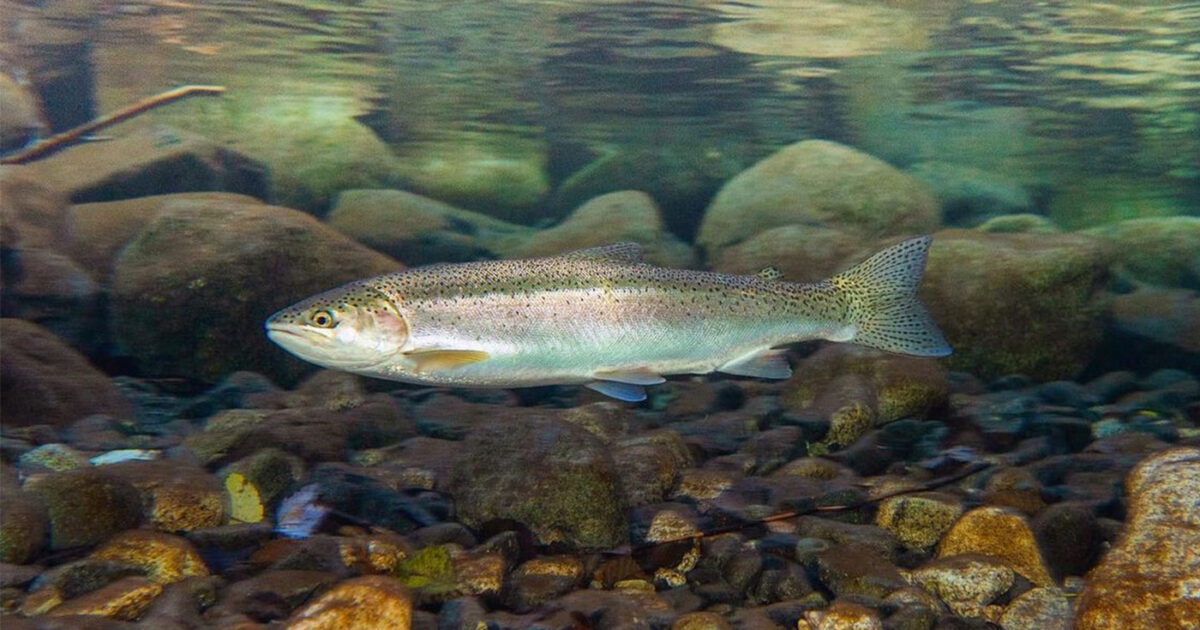
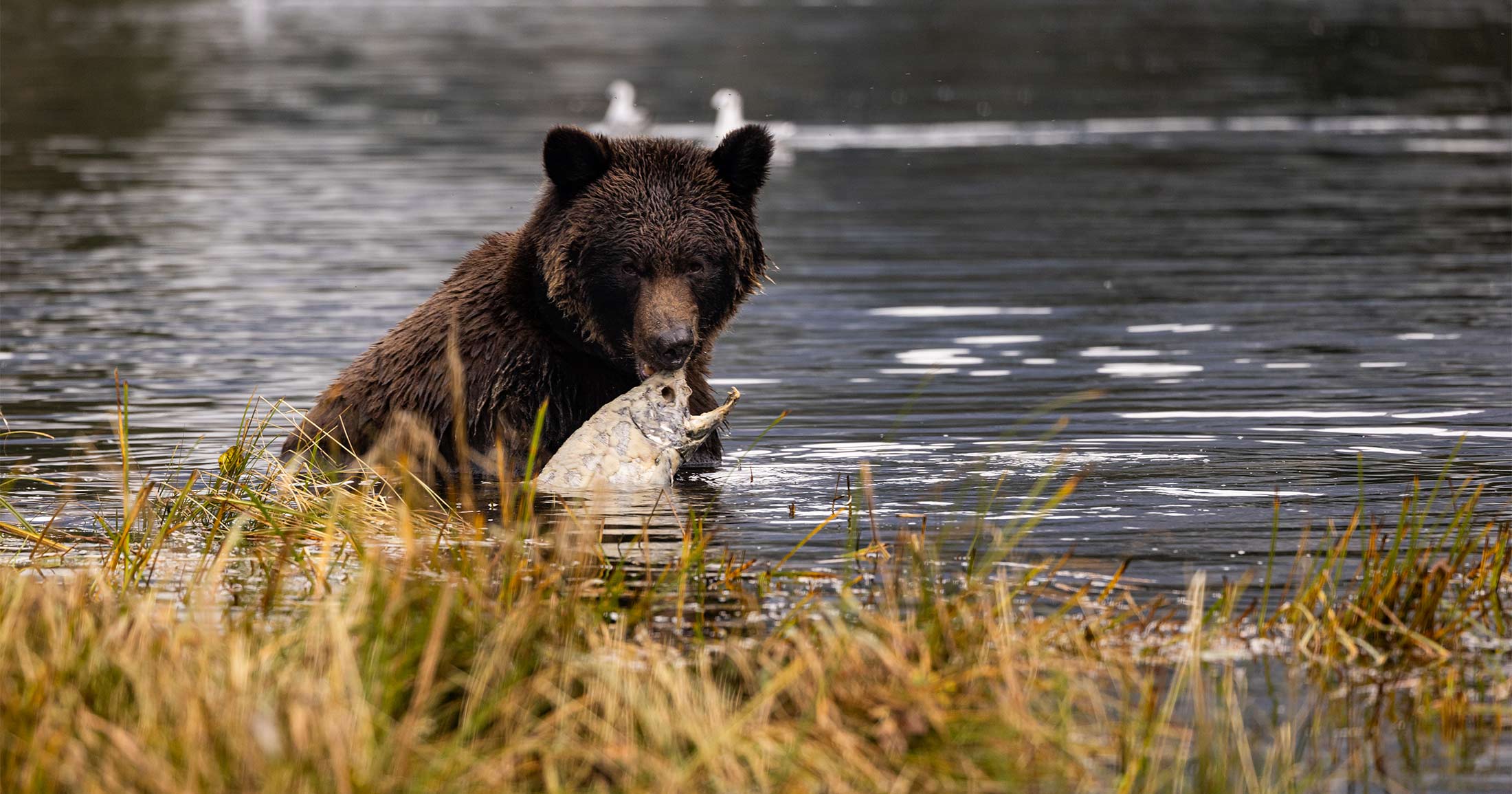
- Set salmon harvest at levels that optimize the benefits of spawning salmon to watersheds and wildlife.
- Shift away from historic management paradigms that minimize the number of spawning salmon reaching rivers and maximize harvest (called Maximum Sustainable Yield). Move towards fisheries management that meets salmon spawning targets that are ecologically based, not harvest-based.
- Shift harvest toward selective terminal fisheries (conducted in or near the rivers of origin) that respect the ‘place-based’ nature of salmon, and optimize the benefits to ecosystems, Indigenous cultures, and local communities.
2. Implement ecological-based governance
- Conservation planning and a commitment to sustainability that looks 7 generations ahead.
- A “whole-of-government” approach that implements shared solutions by Indigenous, federal, provincial, and municipal governments to achieve salmon recovery from inland watersheds and rivers, to the open ocean.
- Governance that honours Aboriginal rights and title, inherent Indigenous jurisdiction and law, and the United Nations Declaration on the Rights of Indigenous Peoples (UNDRIP) and the Declaration on the Rights of Indigenous Peoples Act (DRIPA).
- Sustainable funding strategies for watershed-scale restoration and planning.
3. Advance land-use policies that prioritize the health of wild salmon and biodiversity
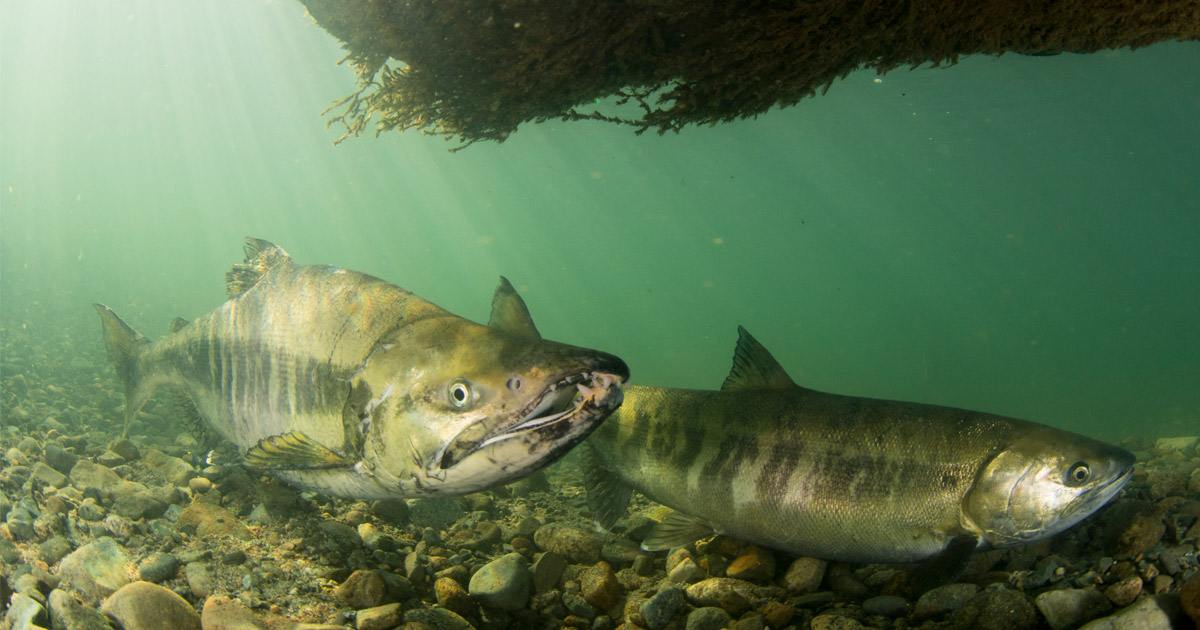
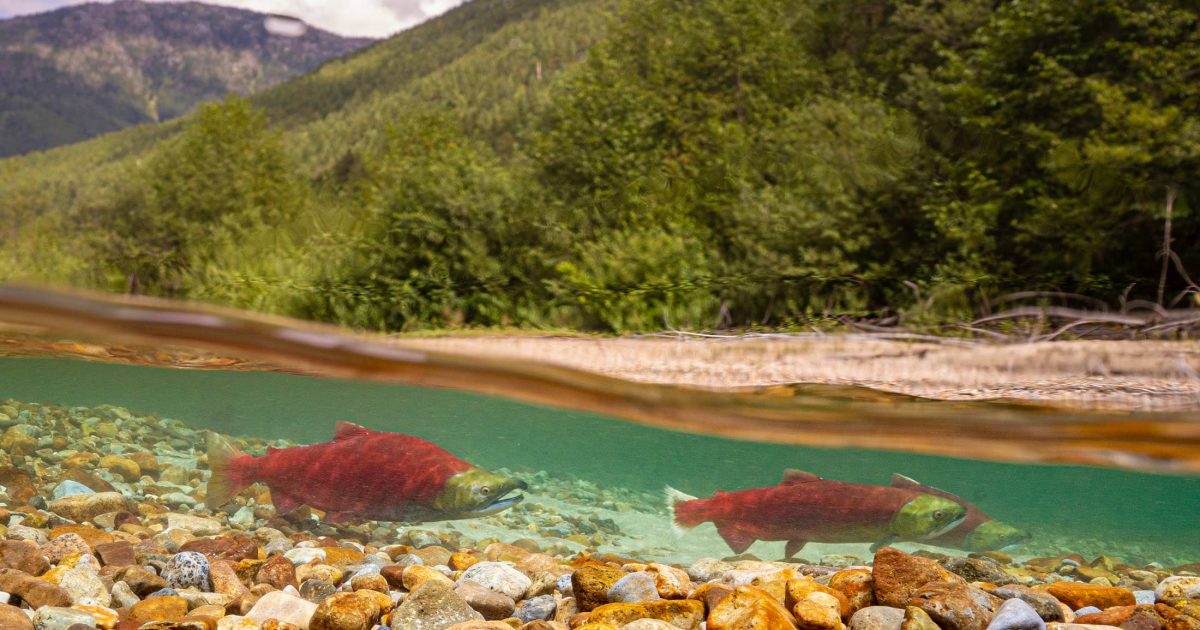
- Zoning that bolsters functioning watersheds and riparian habitat (i.e.protect natural features, limit impervious surfaces, reduce urban sprawl, adopt nature-based solutions).
- Forestry policy that prioritizes salmon health by restricting clear-cutting in salmon watersheds, and incentivizes a sustainable, second or third-growth forest economy.
- Climate adaptation policy that incentivizes nature-based solutions including natural shorelines, intact riparian areas, unrestricted floodplains, managed retreat, and use of rain-gardens in urban areas.
Our recent reports
Recent articles

Tankers and orcas cannot co-exist
By Misty MacDuffee and Chris Genovali, Island Tides July 28, 2011
According to Kinder Morgan, an estimated 288 tankers (576 transits) will leave Westridge Terminal by 2016, up from 71 tankers (142 transits) in 2010. This translates to more than one tanker per day transiting our region’s front yard…

B.C. coast at risk if crude oil delivery rises substantially
By Misty MacDuffee and Chris Genovali, Edmonton Journal July 23, 2011
Earlier this year, energy giant Kinder Morgan submitted an application proposing to increase the capacity of the Trans Mountain pipeline that is delivering oilsands crude to the Westridge Marine Terminal in British Columbia’s Burrard Inlet…

Wildlife wandering in the city unlikely to get out alive
By Judith Lavoie, Times Colonist
When conservation officers respond to a bear or cougar in a populated area, the animal will usually be shot rather than relocated, says B.C.’s top conservation officer…

A few more pictures from Salmon-Carnivore spring field season
Here are a few more of my favourite pictures and moments from this past field season…

Trash Talk: How plastic is strangling our ocean
Pacific Yachting June 2011
by Marianne Scott
The mission of 3 young sailors to document plastic debris in the world’s oceans was reinforced locally with Raincoast’s most recent paper on the distribution of plastic debris on the BC coast…
Enbridge’s Northern Gateway project: profit at what price?
Does any oil spill damage cost estimate even begin to cover the price of a pod of killer whales driven to extinction or the demise of a coastal fishing community’s way of life?