

Shifting salmon policy
Photo by Alex Harris.
Ecosystems are complex. They are communities of living organisms connected through interacting processes and features on the land, in water, and between the two. Yet BC’s antiquated environmental policy doesn’t reflect this. Colonial society governs ecosystems by siloing them into distinct ministries and resources instead of reflecting the interconnected nature of habitats that make them function in the living world. This “siloed decision making”is the root cause of many of the ecological challenges we face today.
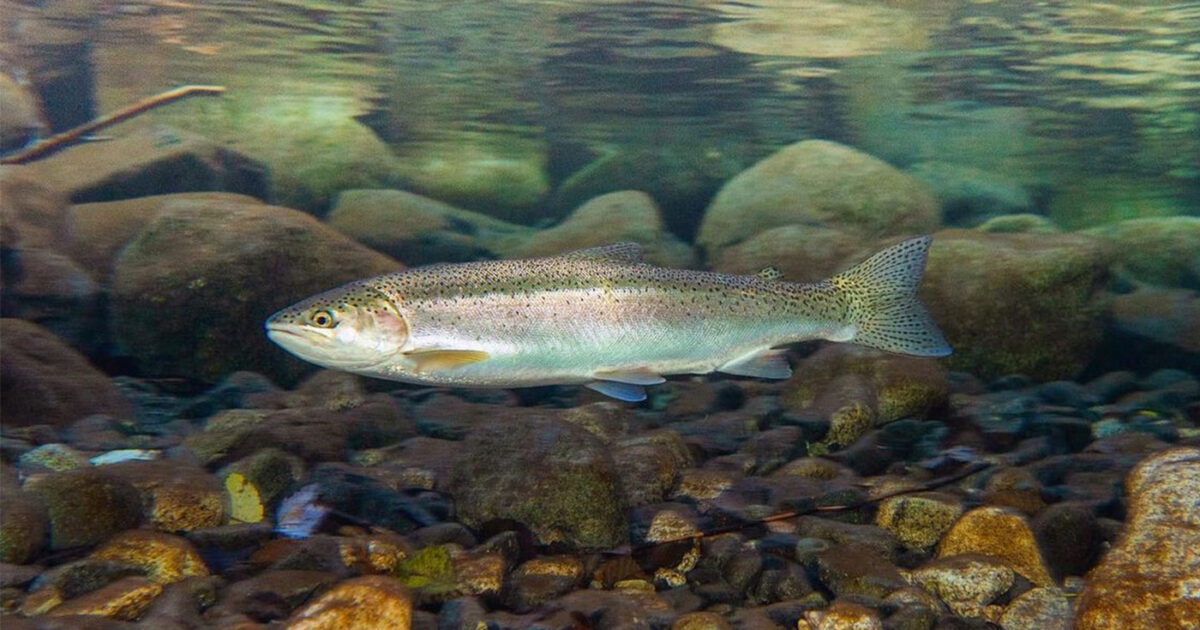
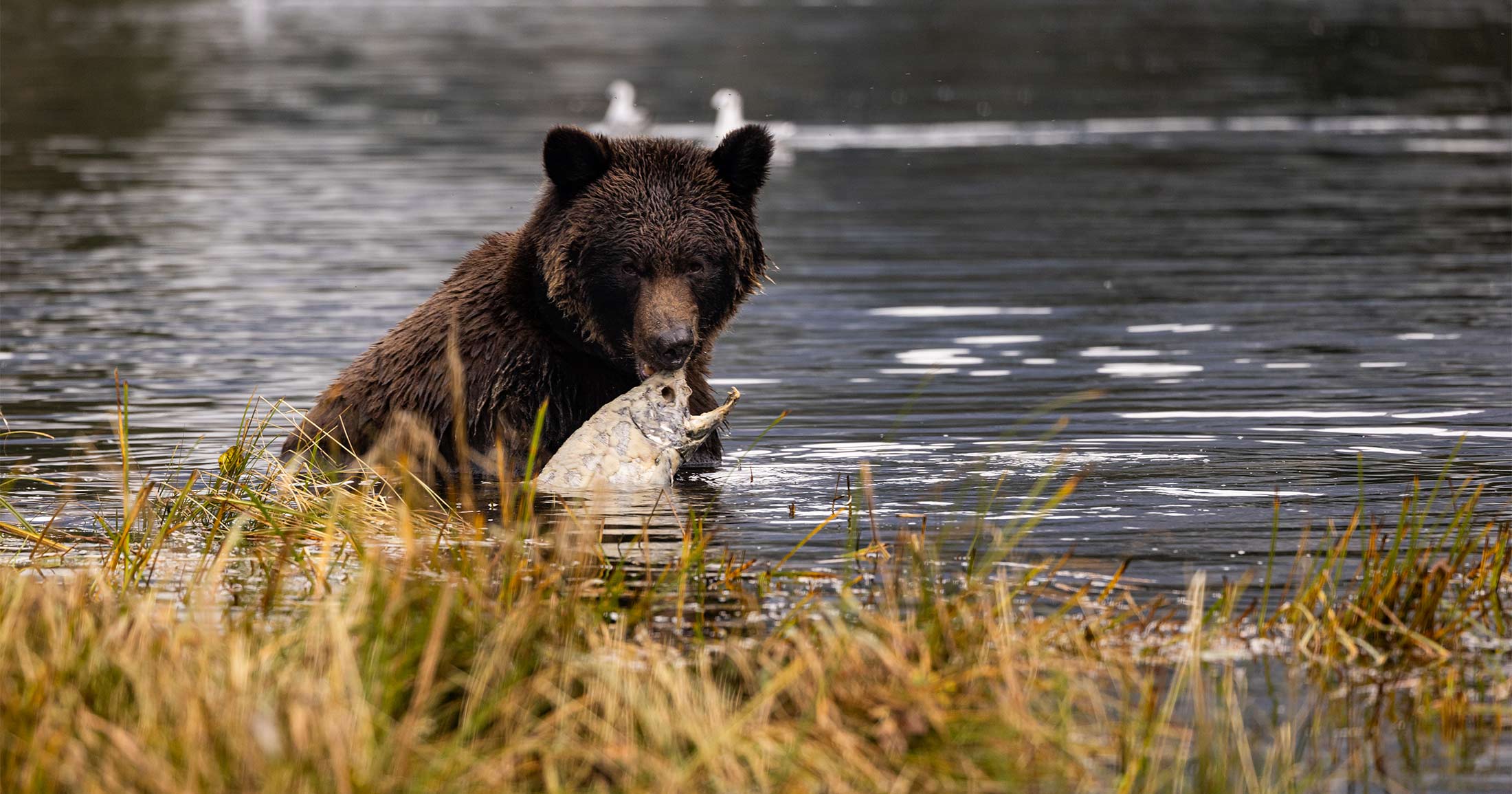
Our policy goals
1. Manage fisheries for ecosystems
- Set salmon harvest at levels that optimize the benefits of spawning salmon to watersheds and wildlife.
- Shift away from historic management paradigms that minimize the number of spawning salmon reaching rivers and maximize harvest (called Maximum Sustainable Yield). Move towards fisheries management that meets salmon spawning targets that are ecologically based, not harvest-based.
- Shift harvest toward selective terminal fisheries (conducted in or near the rivers of origin) that respect the ‘place-based’ nature of salmon, and optimize the benefits to ecosystems, Indigenous cultures, and local communities.
2. Implement ecological-based governance
- Conservation planning and a commitment to sustainability that looks 7 generations ahead.
- A “whole-of-government” approach that implements shared solutions by Indigenous, federal, provincial, and municipal governments to achieve salmon recovery from inland watersheds and rivers, to the open ocean.
- Governance that honours Aboriginal rights and title, inherent Indigenous jurisdiction and law, and the United Nations Declaration on the Rights of Indigenous Peoples (UNDRIP) and the Declaration on the Rights of Indigenous Peoples Act (DRIPA).
- Sustainable funding strategies for watershed-scale restoration and planning.
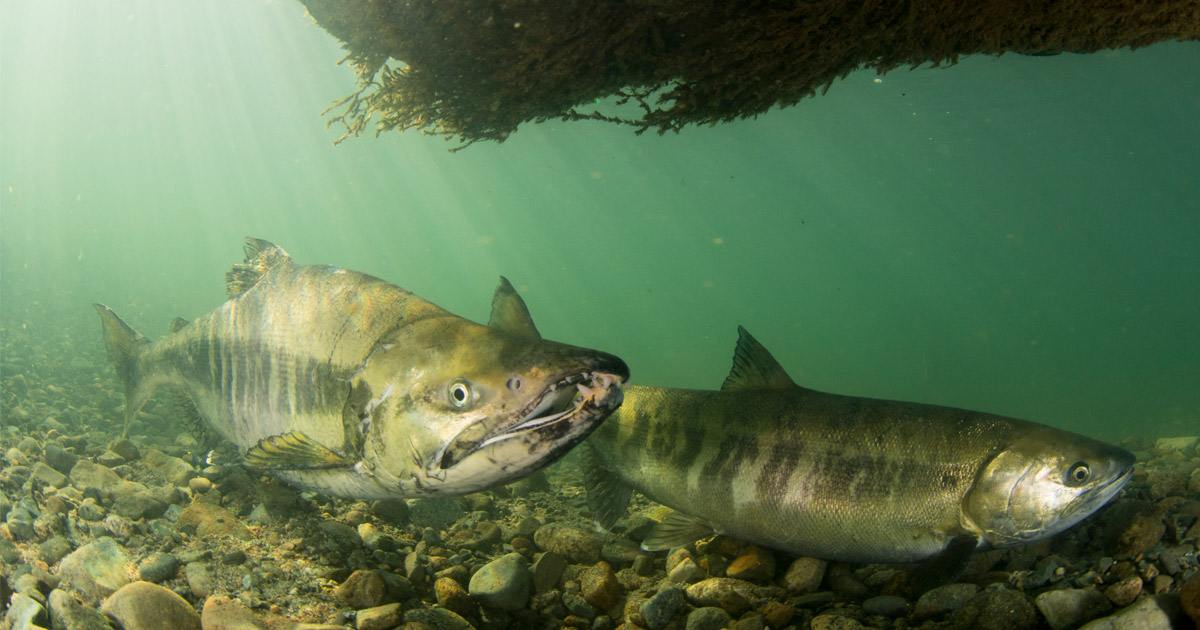
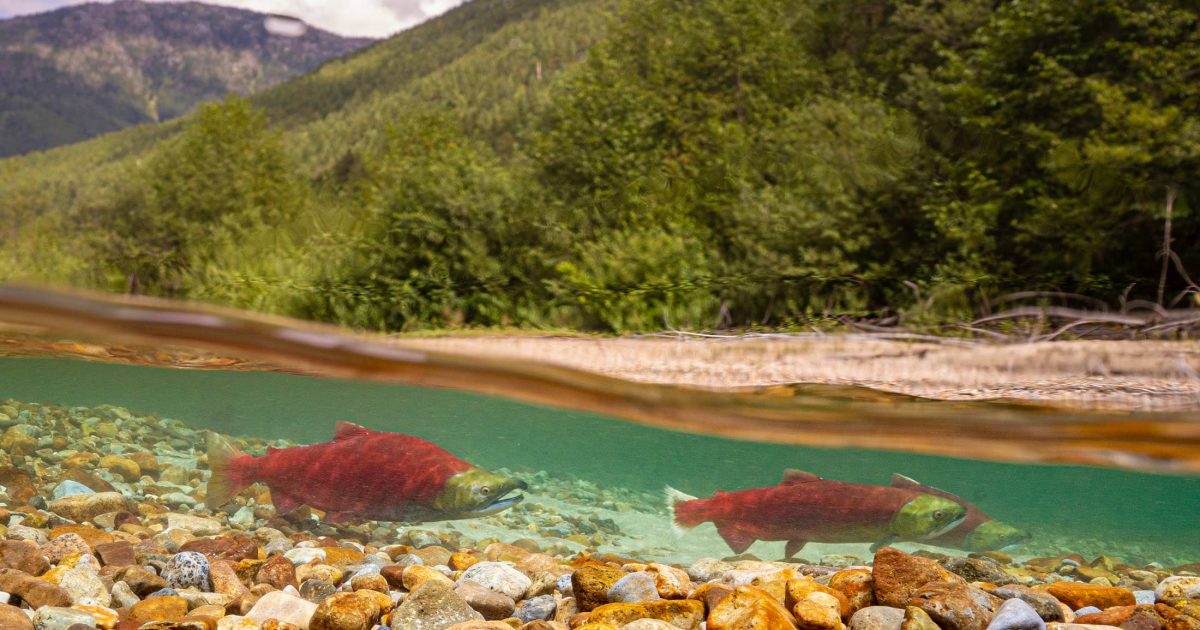
3. Advance land-use policies that prioritize the health of wild salmon and biodiversity
- Zoning that bolsters functioning watersheds and riparian habitat (i.e.protect natural features, limit impervious surfaces, reduce urban sprawl, adopt nature-based solutions).
- Forestry policy that prioritizes salmon health by restricting clear-cutting in salmon watersheds, and incentivizes a sustainable, second or third-growth forest economy.
- Climate adaptation policy that incentivizes nature-based solutions including natural shorelines, intact riparian areas, unrestricted floodplains, managed retreat, and use of rain-gardens in urban areas.
Our recent reports
Recent articles

Challenging terrain biggest hurdle in cougar hunt, tracker says
By Cindy E. Harnett, Times Colonist August 31, 2011
Monday’s attack is extremely rare and Parks Canada says public protection is a key mandate. However, Paul Paquet, senior scientist for Raincoast, who has a doctorate in zoology, said protection of wildlife is also in the mandate…

Pipeline proposal could triple oil tanker trips
By Sean McIntyre – Gulf Islands Driftwood
Published: August 31, 2011
Broader public consultation and a thorough risk assessment are needed before a decision to increase tanker traffic by more than 200% through the Gulf Islands is made…..

Hungry grizzlies enticed into giving away secrets
Members of Heiltsuk First Nation have set up bear hair snare stations to learn more about coastal grizzlies and, helped by data-sharing with Raincoast, a scientific analysis of the bears’ diet and movements is being compiled…

Animal welfare in the wild
By Chris Darimont
Owing to Raincoast’s leadership in using exclusively non-invasive research, I was called upon to organize and chair a conference session on “Wildlife Science and the 3 Rs” at the 8th World Congress on Alternatives and Animal Use in the Life Sciences…
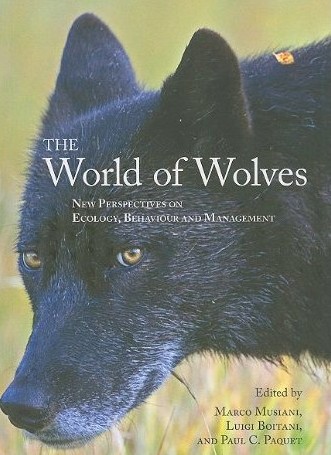
The World of Wolves
New perspectives on ecology, behavior and management
Raincoast Senior Scientist Dr. Paul Paquet and two other international authorities on the biology, behavior and conservation of wolves are the editors of this new book reviewed in the journal Animal Welfare…

The whales, the minister, and MacDuffee
FOCUS online By Briony Penn
Taking on the federal fisheries minister in the Canadian courts with Ecojustice lawyer Margaret Venton, and backed by eight other ENGOs, is applicant Misty MacDuffee of Raincoast…