

Shifting salmon policy
Photo by Alex Harris.
Ecosystems are complex. They are communities of living organisms connected through interacting processes and features on the land, in water, and between the two. Yet BC’s antiquated environmental policy doesn’t reflect this. Colonial society governs ecosystems by siloing them into distinct ministries and resources instead of reflecting the interconnected nature of habitats that make them function in the living world. This “siloed decision making”is the root cause of many of the ecological challenges we face today.
Our policy goals
1. Manage fisheries for ecosystems
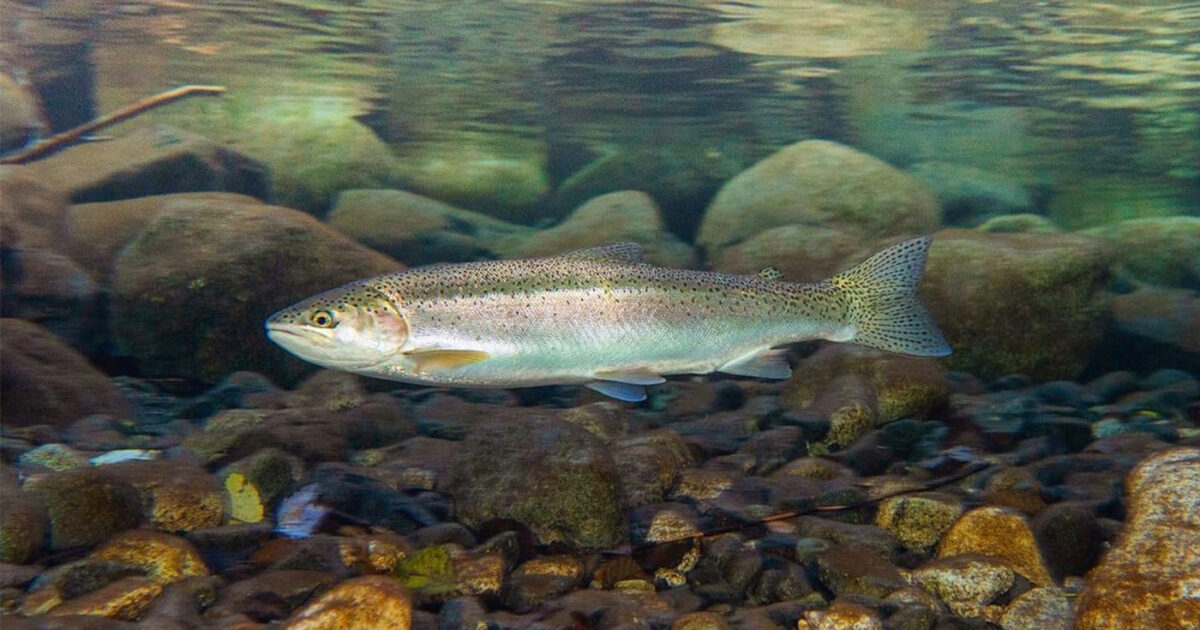
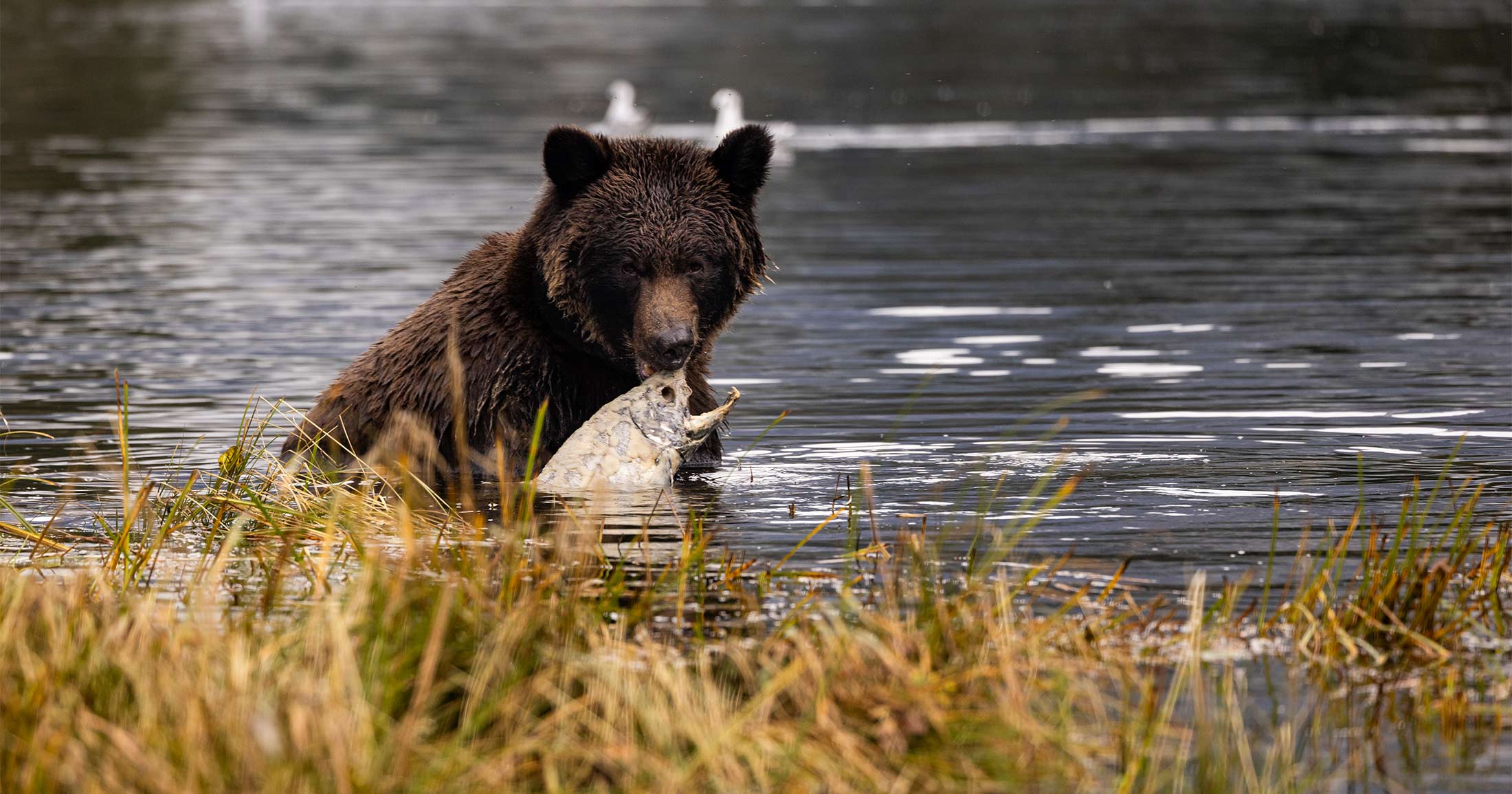
- Set salmon harvest at levels that optimize the benefits of spawning salmon to watersheds and wildlife.
- Shift away from historic management paradigms that minimize the number of spawning salmon reaching rivers and maximize harvest (called Maximum Sustainable Yield). Move towards fisheries management that meets salmon spawning targets that are ecologically based, not harvest-based.
- Shift harvest toward selective terminal fisheries (conducted in or near the rivers of origin) that respect the ‘place-based’ nature of salmon, and optimize the benefits to ecosystems, Indigenous cultures, and local communities.
2. Implement ecological-based governance
- Conservation planning and a commitment to sustainability that looks 7 generations ahead.
- A “whole-of-government” approach that implements shared solutions by Indigenous, federal, provincial, and municipal governments to achieve salmon recovery from inland watersheds and rivers, to the open ocean.
- Governance that honours Aboriginal rights and title, inherent Indigenous jurisdiction and law, and the United Nations Declaration on the Rights of Indigenous Peoples (UNDRIP) and the Declaration on the Rights of Indigenous Peoples Act (DRIPA).
- Sustainable funding strategies for watershed-scale restoration and planning.
3. Advance land-use policies that prioritize the health of wild salmon and biodiversity
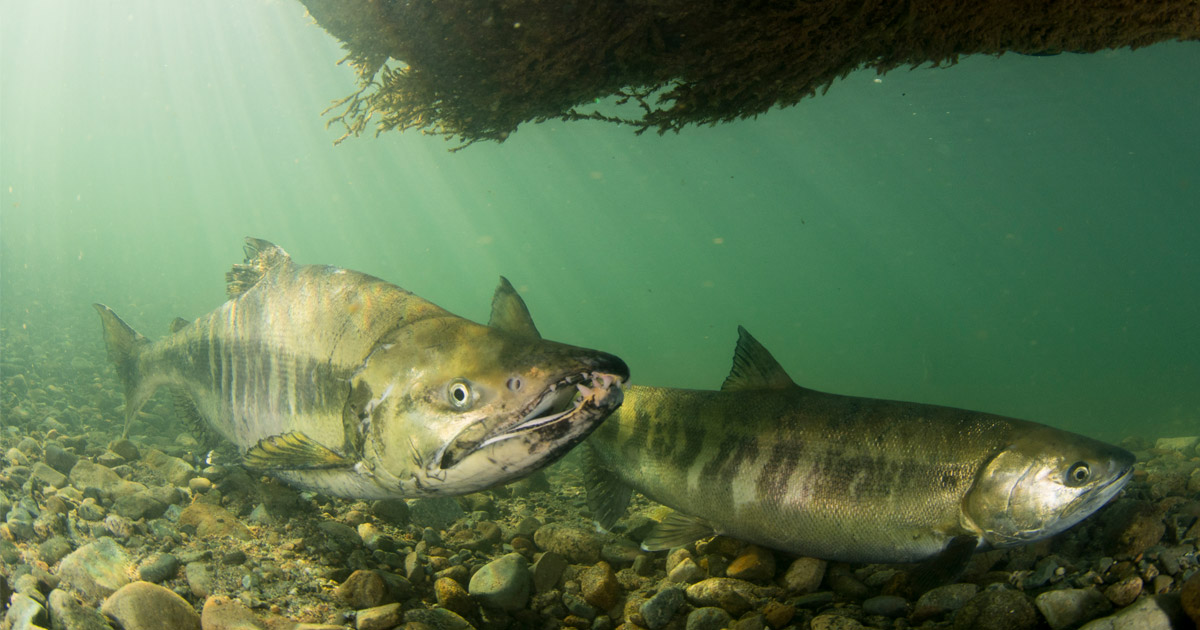
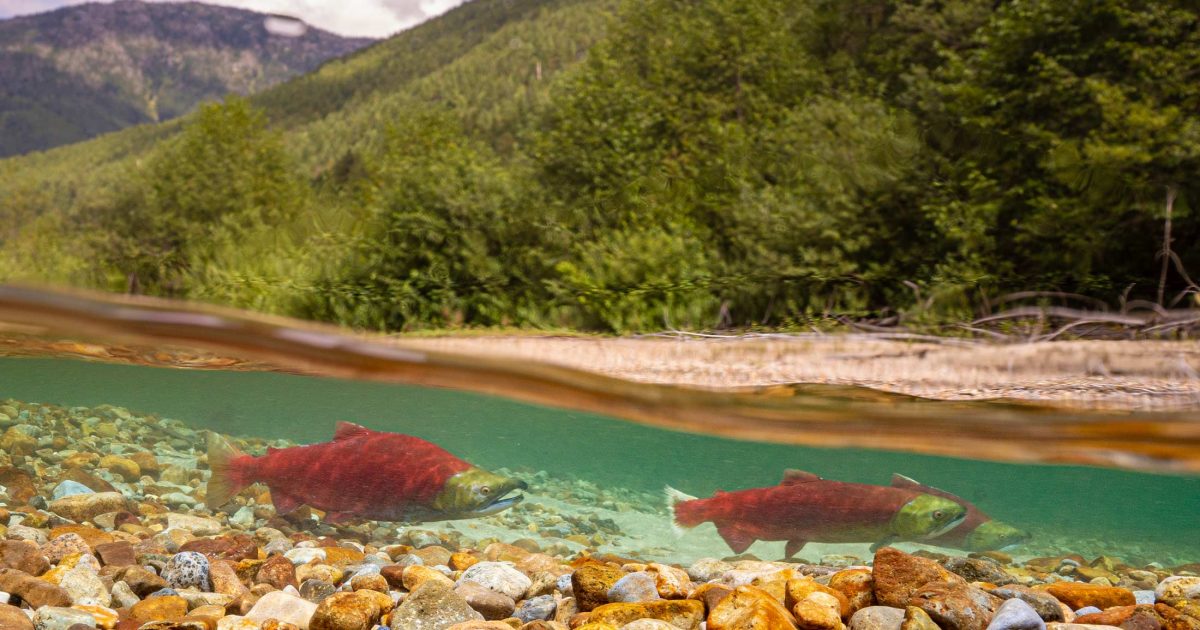
- Zoning that bolsters functioning watersheds and riparian habitat (i.e.protect natural features, limit impervious surfaces, reduce urban sprawl, adopt nature-based solutions).
- Forestry policy that prioritizes salmon health by restricting clear-cutting in salmon watersheds, and incentivizes a sustainable, second or third-growth forest economy.
- Climate adaptation policy that incentivizes nature-based solutions including natural shorelines, intact riparian areas, unrestricted floodplains, managed retreat, and use of rain-gardens in urban areas.
Our recent reports
Recent articles

The Other Oil Sands Pipeline Project: Northern Gateway
Outside Magazine Online
If the U.S. doesn’t allow the northern half of the Keystone XL pipeline to be built, Canada will sell its oil to China. That’s one of the common rebuttals to opposition of the Keystone XL pipeline…

23rd Anniversary of Exxon Valdez: Have we learned anything?
The answer appears to be a resounding “no,” given the support to expand Kinder Morgan’s Trans Mountain pipeline and the dramatic escalation in oil tanker traffic that will accompany it…

Raincoast calls on military to respect the critical habitat of killer whales
The suspicious death of L112 warrants full disclosure by the Canadian military of sonar and other training activities that were occurring in the Juan de Fuca at the time of the whale’s death. Click for the CHEK TV story…
Naval Gazing: Military must address activities in Killer whale critical habitat
VANCOUVER – Eight BC conservation organizations are urging the Canadian Navy to exclude military training exercises from the critical habitat of southern resident killer whales…

Wolves scapegoated for tar sands oil development
Raincoast’s Dr. Paul Paquet speaks out on blaming wolves when tar sands development and habitat destruction are the actual cause for decline of woodland caribou…

Activists outraged by portrayal of wolves in The Grey
Wolf advocates angry over the inaccurate portrayal of grey wolves in the new action-thriller The Grey, starring Liam Neeson…