

Shifting salmon policy
Photo by Alex Harris.
Ecosystems are complex. They are communities of living organisms connected through interacting processes and features on the land, in water, and between the two. Yet BC’s antiquated environmental policy doesn’t reflect this. Colonial society governs ecosystems by siloing them into distinct ministries and resources instead of reflecting the interconnected nature of habitats that make them function in the living world. This “siloed decision making”is the root cause of many of the ecological challenges we face today.
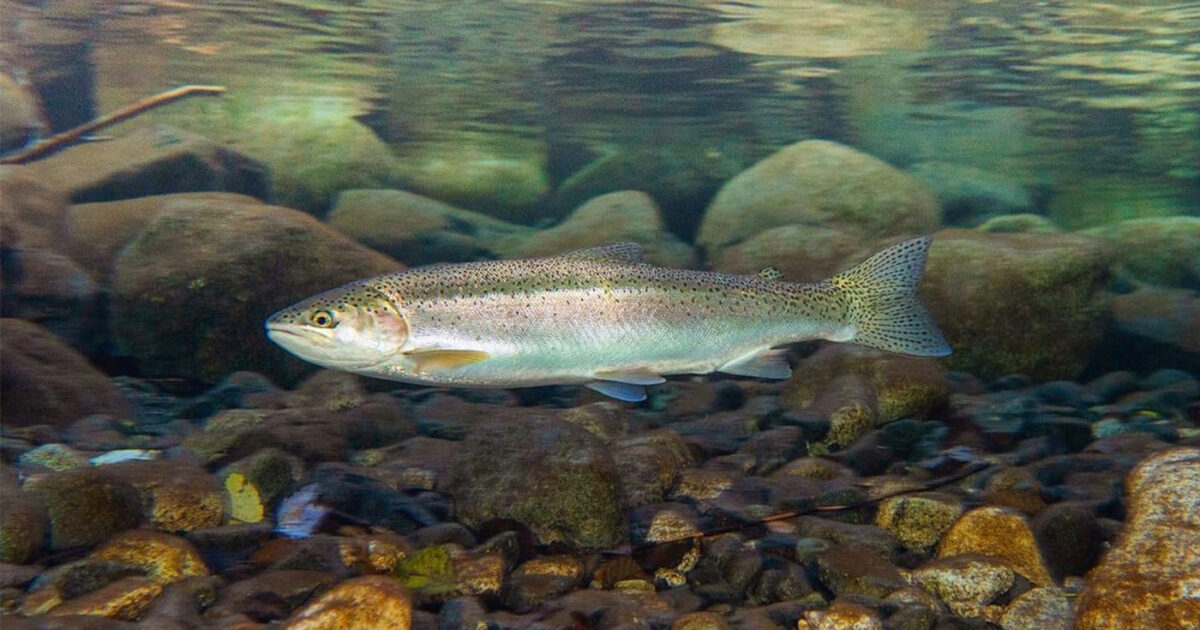
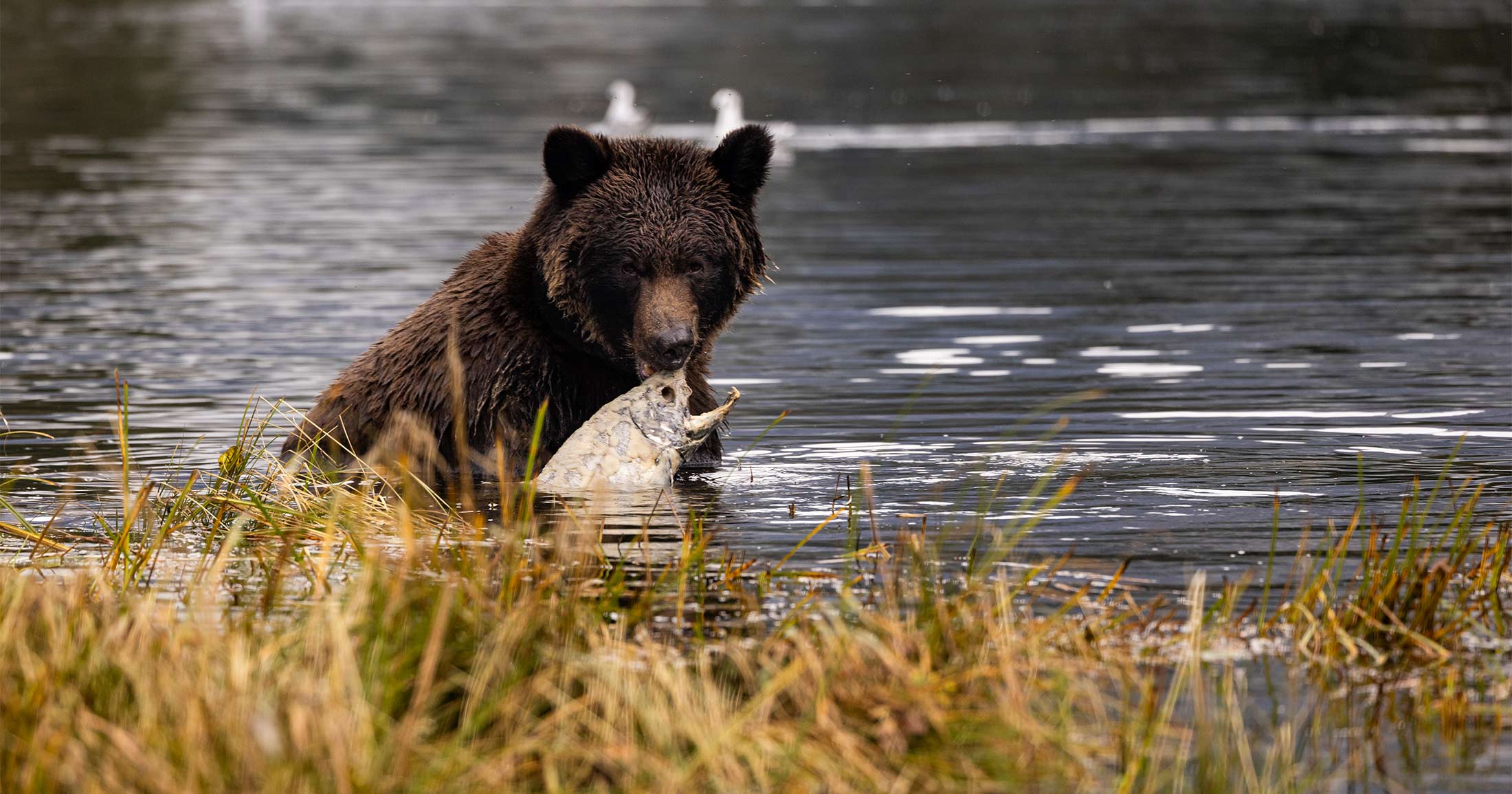
Our policy goals
1. Manage fisheries for ecosystems
- Set salmon harvest at levels that optimize the benefits of spawning salmon to watersheds and wildlife.
- Shift away from historic management paradigms that minimize the number of spawning salmon reaching rivers and maximize harvest (called Maximum Sustainable Yield). Move towards fisheries management that meets salmon spawning targets that are ecologically based, not harvest-based.
- Shift harvest toward selective terminal fisheries (conducted in or near the rivers of origin) that respect the ‘place-based’ nature of salmon, and optimize the benefits to ecosystems, Indigenous cultures, and local communities.
2. Implement ecological-based governance
- Conservation planning and a commitment to sustainability that looks 7 generations ahead.
- A “whole-of-government” approach that implements shared solutions by Indigenous, federal, provincial, and municipal governments to achieve salmon recovery from inland watersheds and rivers, to the open ocean.
- Governance that honours Aboriginal rights and title, inherent Indigenous jurisdiction and law, and the United Nations Declaration on the Rights of Indigenous Peoples (UNDRIP) and the Declaration on the Rights of Indigenous Peoples Act (DRIPA).
- Sustainable funding strategies for watershed-scale restoration and planning.
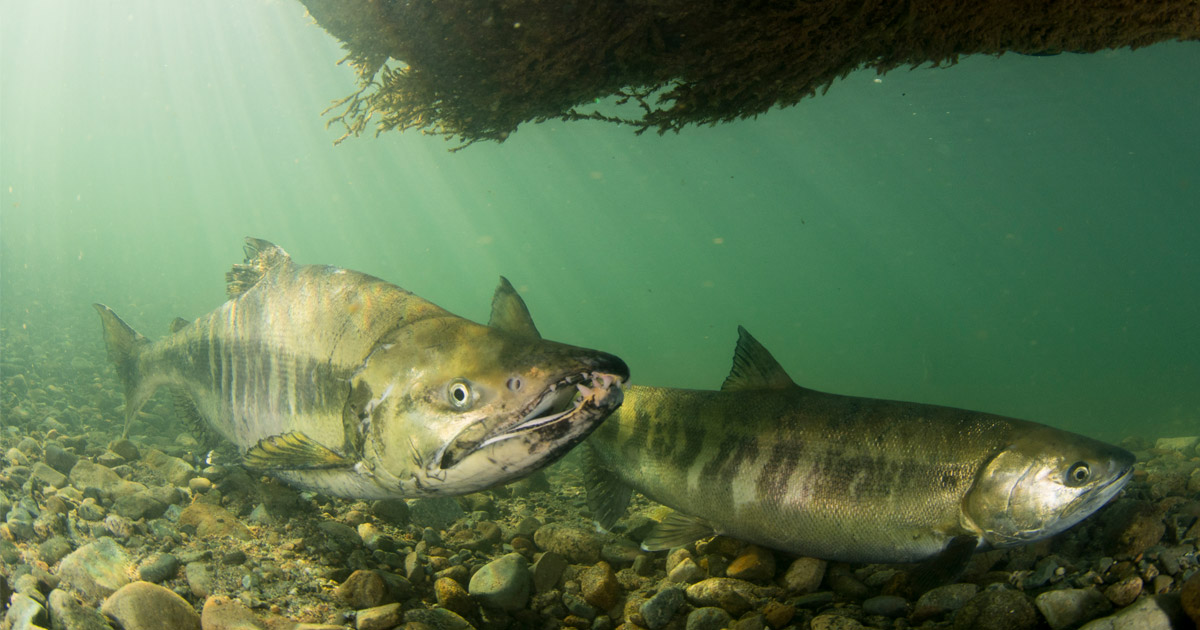
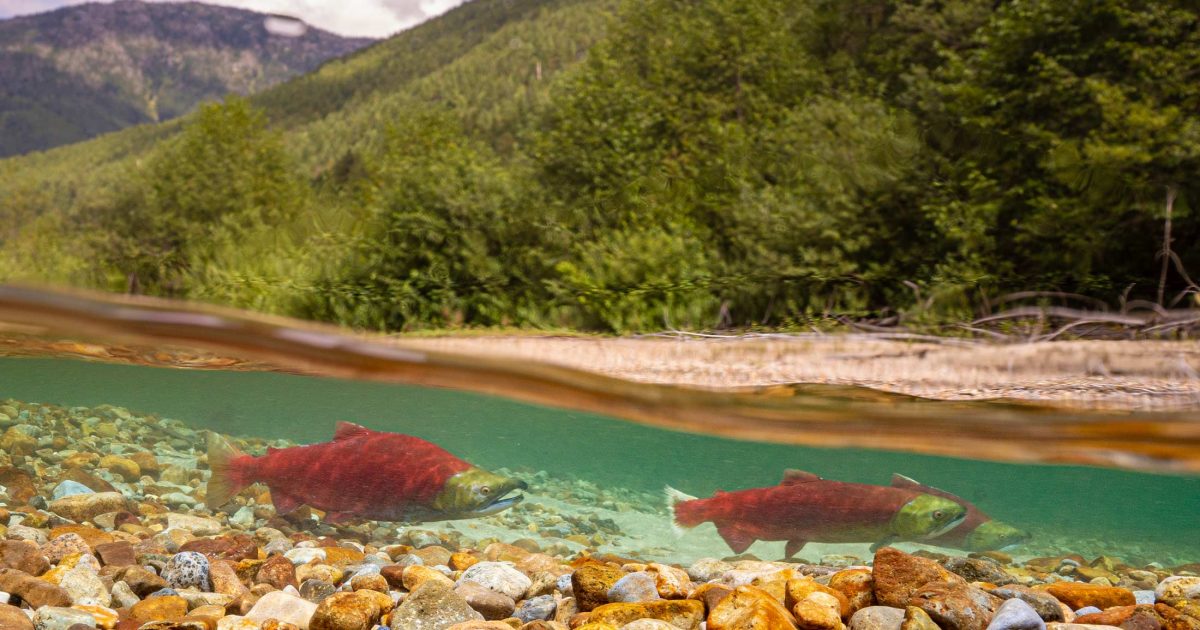
3. Advance land-use policies that prioritize the health of wild salmon and biodiversity
- Zoning that bolsters functioning watersheds and riparian habitat (i.e.protect natural features, limit impervious surfaces, reduce urban sprawl, adopt nature-based solutions).
- Forestry policy that prioritizes salmon health by restricting clear-cutting in salmon watersheds, and incentivizes a sustainable, second or third-growth forest economy.
- Climate adaptation policy that incentivizes nature-based solutions including natural shorelines, intact riparian areas, unrestricted floodplains, managed retreat, and use of rain-gardens in urban areas.
Our recent reports
Recent articles

Opinion: Are you directly affected by the Kinder Morgan proposal?
Chris Genovali & Ross Dixon / Vancouver Sun
What do you love about the Fraser River, the Gulf Islands, and the Salish Sea…

Roy Henry Vickers prints support ‘salvation fish project’
Prints now available. All proceeds go to the ‘Salvation Fish initiative.’ Thanks to Picture Perfect Gallery and Hemp & Company for their support…

Directly Affected Film Evenings – Victoria & Vancouver
Join Raincoast, filmmakers and an expert panel for shows in Vancouver and Victoria…

Are you Directly Affected by the Kinder Morgan proposal?
Raincoast has upcoming film premieres of Directly Affected in Vancouver and Victoria. Check out dates and locations…

MacLeans covers the trophy hunting of BC grizzly bears
Magazine speaks with three Raincoast leaders about the BC grizzly hunt and the province’s determination to kill bears…

‘Coast guard under estimated risk of fuel spill’ says Raincoast Captain
Raincoast’s Captain Brian Falconer speaks with the Times Colonist about the disabled Russian container ship adrift off Haida Gwaii…