

Shifting salmon policy
Photo by Alex Harris.
Ecosystems are complex. They are communities of living organisms connected through interacting processes and features on the land, in water, and between the two. Yet BC’s antiquated environmental policy doesn’t reflect this. Colonial society governs ecosystems by siloing them into distinct ministries and resources instead of reflecting the interconnected nature of habitats that make them function in the living world. This “siloed decision making”is the root cause of many of the ecological challenges we face today.


Our policy goals
1. Manage fisheries for ecosystems
- Set salmon harvest at levels that optimize the benefits of spawning salmon to watersheds and wildlife.
- Shift away from historic management paradigms that minimize the number of spawning salmon reaching rivers and maximize harvest (called Maximum Sustainable Yield). Move towards fisheries management that meets salmon spawning targets that are ecologically based, not harvest-based.
- Shift harvest toward selective terminal fisheries (conducted in or near the rivers of origin) that respect the ‘place-based’ nature of salmon, and optimize the benefits to ecosystems, Indigenous cultures, and local communities.
2. Implement ecological-based governance
- Conservation planning and a commitment to sustainability that looks 7 generations ahead.
- A “whole-of-government” approach that implements shared solutions by Indigenous, federal, provincial, and municipal governments to achieve salmon recovery from inland watersheds and rivers, to the open ocean.
- Governance that honours Aboriginal rights and title, inherent Indigenous jurisdiction and law, and the United Nations Declaration on the Rights of Indigenous Peoples (UNDRIP) and the Declaration on the Rights of Indigenous Peoples Act (DRIPA).
- Sustainable funding strategies for watershed-scale restoration and planning.


3. Advance land-use policies that prioritize the health of wild salmon and biodiversity
- Zoning that bolsters functioning watersheds and riparian habitat (i.e.protect natural features, limit impervious surfaces, reduce urban sprawl, adopt nature-based solutions).
- Forestry policy that prioritizes salmon health by restricting clear-cutting in salmon watersheds, and incentivizes a sustainable, second or third-growth forest economy.
- Climate adaptation policy that incentivizes nature-based solutions including natural shorelines, intact riparian areas, unrestricted floodplains, managed retreat, and use of rain-gardens in urban areas.
Our recent reports
Recent articles
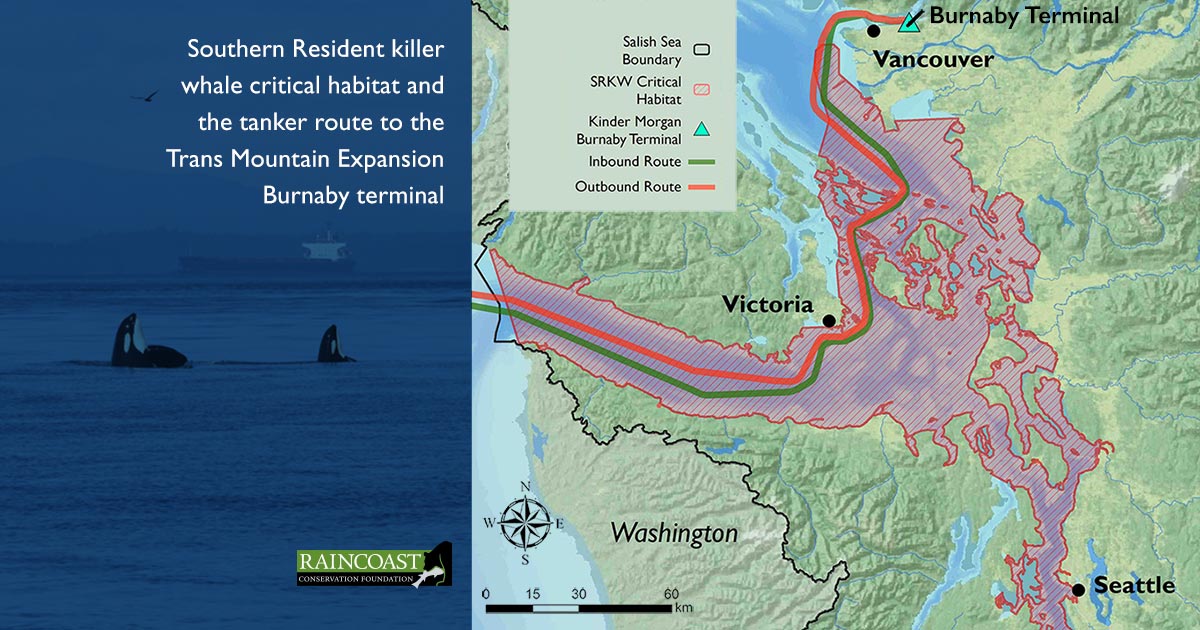
Raincoast’s evidence on Southern Resident killer whales for the National Energy Board’s reconsideration of the Trans Mountain Expansion
The National Energy Board is now preparing its recommendations to cabinet on the Trans Mountain Expansion. When we won our legal case in the federal court of appeal in August 2018, the courts quashed the Trans Mountain permits and required the National Energy Board to reconsider their recommendations…

Provincial Wild Salmon Secretariat needs a focus on habitat
In order to recover and sustainably manage depleted wild salmon populations, place-based management and the restoration of salmon watersheds is the best way forward given the changing environmental conditions that confront these fish and the value that British Columbians place on them.

Converging knowledges to inform and empower conservation
This past summer, I had the opportunity to travel aboard the Raincoast vessel Achiever with several other members of the ACS lab to participate in Koeye camp, a cultural revitalization and education program operated by the Heiltsuk First Nation’s QQS Projects Society. We were there to engage with the youth campers about the research conducted by…
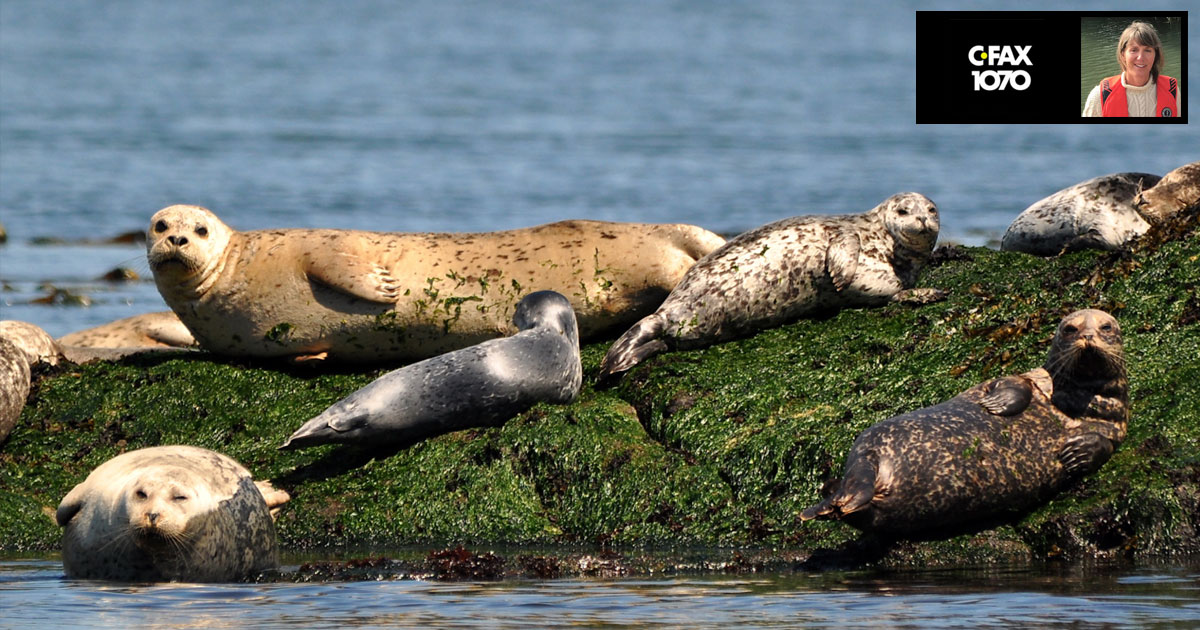
Seals and sea lions in the Salish Sea are all part of a healthy food web
Since the killing of seals and sea lions ended in the 1970s, pinnipeds in the Salish Sea have been recovering. The recovery of seals slowed by 2000 and for the last fifteen years or so the number of seals in the Salish Sea has been relatively stable. This population of fish eaters has recovered to what was likely historic levels…

Research: Differentiating between regulation and hunting as conservation interventions
Wildlife conservation literature and public discourse, too often gloss over the important difference between hunting and the regulation of hunting. This is so common that there is a persistent, misinformed idea that extinctions have been avoided through the act of hunting. Historically, the regulation of hunting, not hunting itself, has averted extinction…

Join us in the Great Bear Rainforest in 2019
We watch as her three little cubs slowly take to the high water and make their way to mom. They graze on roots, and search for salmon carcasses that simply aren’t there. The cub’s curiosity…