

Shifting salmon policy
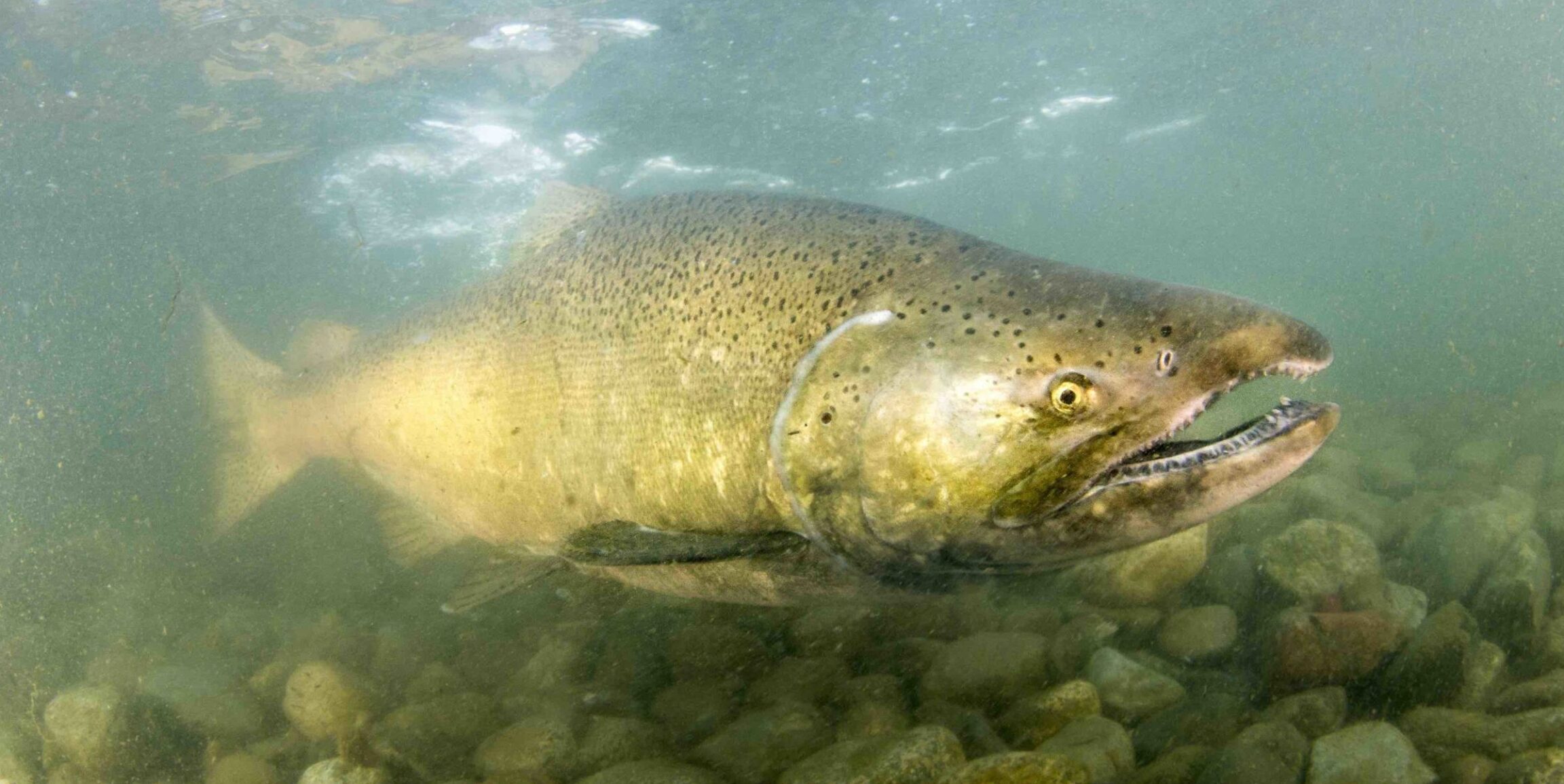
Photo by Alex Harris.
Ecosystems are complex. They are communities of living organisms connected through interacting processes and features on the land, in water, and between the two. Yet BC’s antiquated environmental policy doesn’t reflect this. Colonial society governs ecosystems by siloing them into distinct ministries and resources instead of reflecting the interconnected nature of habitats that make them function in the living world. This “siloed decision making”is the root cause of many of the ecological challenges we face today.


Our policy goals
1. Manage fisheries for ecosystems
- Set salmon harvest at levels that optimize the benefits of spawning salmon to watersheds and wildlife.
- Shift away from historic management paradigms that minimize the number of spawning salmon reaching rivers and maximize harvest (called Maximum Sustainable Yield). Move towards fisheries management that meets salmon spawning targets that are ecologically based, not harvest-based.
- Shift harvest toward selective terminal fisheries (conducted in or near the rivers of origin) that respect the ‘place-based’ nature of salmon, and optimize the benefits to ecosystems, Indigenous cultures, and local communities.
2. Implement ecological-based governance
- Conservation planning and a commitment to sustainability that looks 7 generations ahead.
- A “whole-of-government” approach that implements shared solutions by Indigenous, federal, provincial, and municipal governments to achieve salmon recovery from inland watersheds and rivers, to the open ocean.
- Governance that honours Aboriginal rights and title, inherent Indigenous jurisdiction and law, and the United Nations Declaration on the Rights of Indigenous Peoples (UNDRIP) and the Declaration on the Rights of Indigenous Peoples Act (DRIPA).
- Sustainable funding strategies for watershed-scale restoration and planning.


3. Advance land-use policies that prioritize the health of wild salmon and biodiversity
- Zoning that bolsters functioning watersheds and riparian habitat (i.e.protect natural features, limit impervious surfaces, reduce urban sprawl, adopt nature-based solutions).
- Forestry policy that prioritizes salmon health by restricting clear-cutting in salmon watersheds, and incentivizes a sustainable, second or third-growth forest economy.
- Climate adaptation policy that incentivizes nature-based solutions including natural shorelines, intact riparian areas, unrestricted floodplains, managed retreat, and use of rain-gardens in urban areas.
Our recent reports
Recent articles

Nature conservation should be central to Canada’s recovery from COVID-19
The Right Honourable Justin Trudeau, PC, MPPrime Minister of CanadaOffice of the Prime Minister and Privy Council Parliament BuildingsOttawa, Ontario K1A 1A6 July 10, 2020 Dear Prime Minister Trudeau: As organizations with a strong commitment to defending nature in Canada, we want to acknowledge the efforts that the Government of Canada has made to protect…
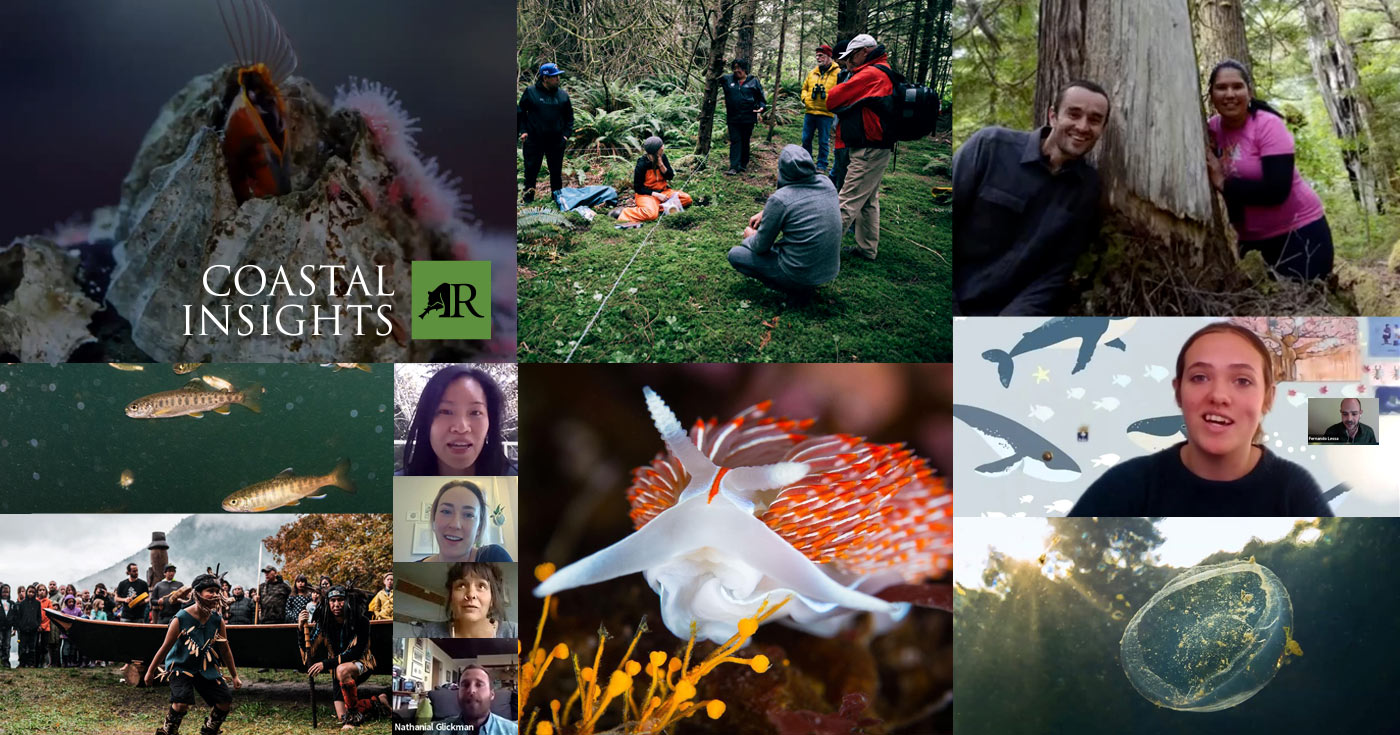
Coastal Insights online education series about nature, people, and place is now complete and available
The pandemic has impacted our lives in many ways, particularly with regard to learning in schools and experiential programming. Teachers have had to fast-track their technological skills and shift from their regular face to face connections with students to engaging through online learning. Raincoast knows this first hand as we were literally one week away…
Open letter to The Right Honourable Justin Trudeau: Curb the wildlife trade
The undersigned Canadian animal protection organizations and scientific experts commend your leadership and efforts to contain and combat the spread of COVID-19 during this most difficult time for our country. Unfortunately, the emergence of COVID-19 was a textbook example of emerging zoonotic infections…
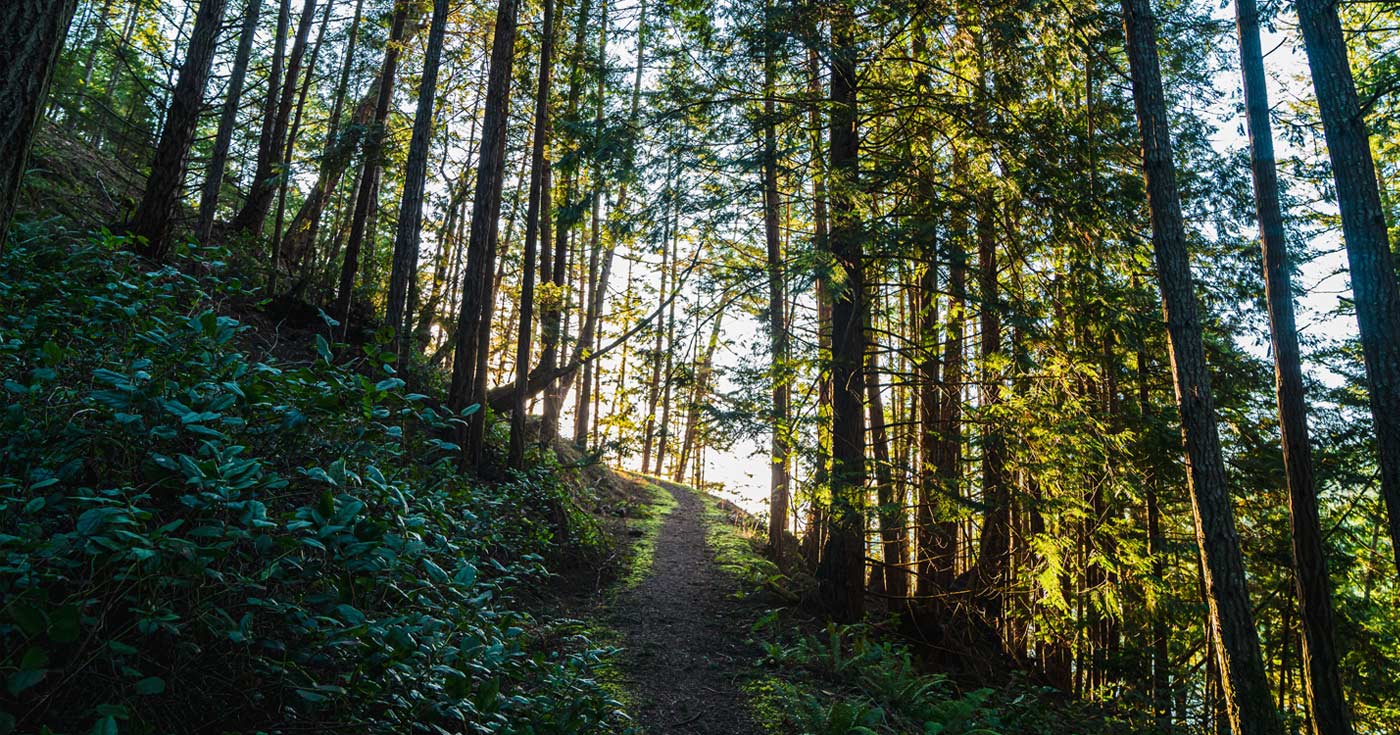
A winter on S,DÁYES in a future ancient forest
The term “management” is often preceded by “resource” and thus implies a process resulting in economically beneficial outcomes. Governance suggests a more comprehensive, more collaborative approach to making land-use decisions…
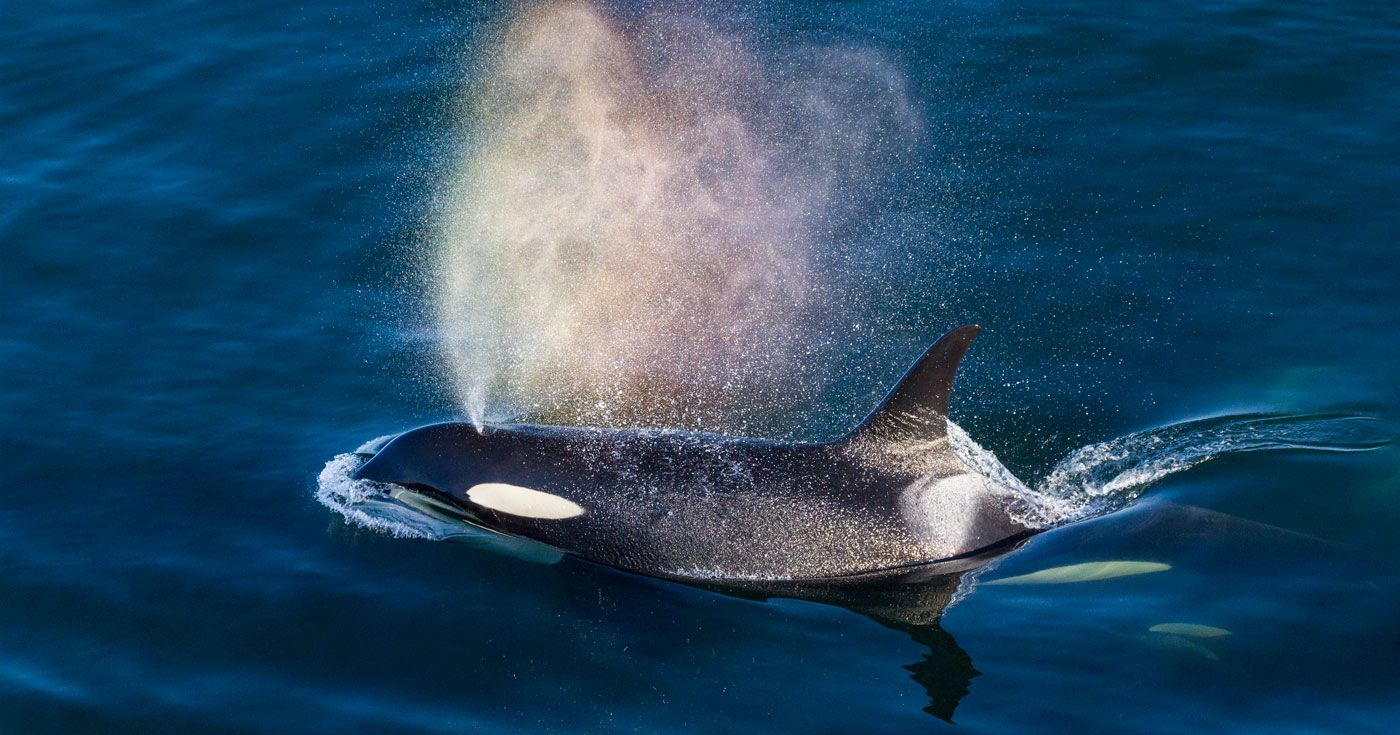
Terminal 2 Backgrounder: Impacts on Southern Resident killer whales
The shipping expansion at the Deltaport terminal will place further stress on the Fraser estuary that has already lost more than 70% of its natural habitat. Raincoast is particularly concerned about the impacts from the terminal on Fraser Chinook salmon and Southern Resident killer whales…
Terminal 2 Backgrounder: Impacts to Fraser Chinook salmon
The Port of Vancouver is proposing to double the size of its shipping terminal at Roberts Bank beside the Tsawwassen Ferry Terminal. The existing terminal is already a significant presence in the Fraser estuary. Its 210-acre container terminal connects to the largest coal terminal in North America. A four-kilometre long causeway across the Fraser estuary facilitates truck and rail transit between the terminal and the shore…