

Shifting salmon policy
Photo by Alex Harris.
Ecosystems are complex. They are communities of living organisms connected through interacting processes and features on the land, in water, and between the two. Yet BC’s antiquated environmental policy doesn’t reflect this. Colonial society governs ecosystems by siloing them into distinct ministries and resources instead of reflecting the interconnected nature of habitats that make them function in the living world. This “siloed decision making”is the root cause of many of the ecological challenges we face today.


Our policy goals
1. Manage fisheries for ecosystems
- Set salmon harvest at levels that optimize the benefits of spawning salmon to watersheds and wildlife.
- Shift away from historic management paradigms that minimize the number of spawning salmon reaching rivers and maximize harvest (called Maximum Sustainable Yield). Move towards fisheries management that meets salmon spawning targets that are ecologically based, not harvest-based.
- Shift harvest toward selective terminal fisheries (conducted in or near the rivers of origin) that respect the ‘place-based’ nature of salmon, and optimize the benefits to ecosystems, Indigenous cultures, and local communities.
2. Implement ecological-based governance
- Conservation planning and a commitment to sustainability that looks 7 generations ahead.
- A “whole-of-government” approach that implements shared solutions by Indigenous, federal, provincial, and municipal governments to achieve salmon recovery from inland watersheds and rivers, to the open ocean.
- Governance that honours Aboriginal rights and title, inherent Indigenous jurisdiction and law, and the United Nations Declaration on the Rights of Indigenous Peoples (UNDRIP) and the Declaration on the Rights of Indigenous Peoples Act (DRIPA).
- Sustainable funding strategies for watershed-scale restoration and planning.


3. Advance land-use policies that prioritize the health of wild salmon and biodiversity
- Zoning that bolsters functioning watersheds and riparian habitat (i.e.protect natural features, limit impervious surfaces, reduce urban sprawl, adopt nature-based solutions).
- Forestry policy that prioritizes salmon health by restricting clear-cutting in salmon watersheds, and incentivizes a sustainable, second or third-growth forest economy.
- Climate adaptation policy that incentivizes nature-based solutions including natural shorelines, intact riparian areas, unrestricted floodplains, managed retreat, and use of rain-gardens in urban areas.
Our recent reports
Recent articles
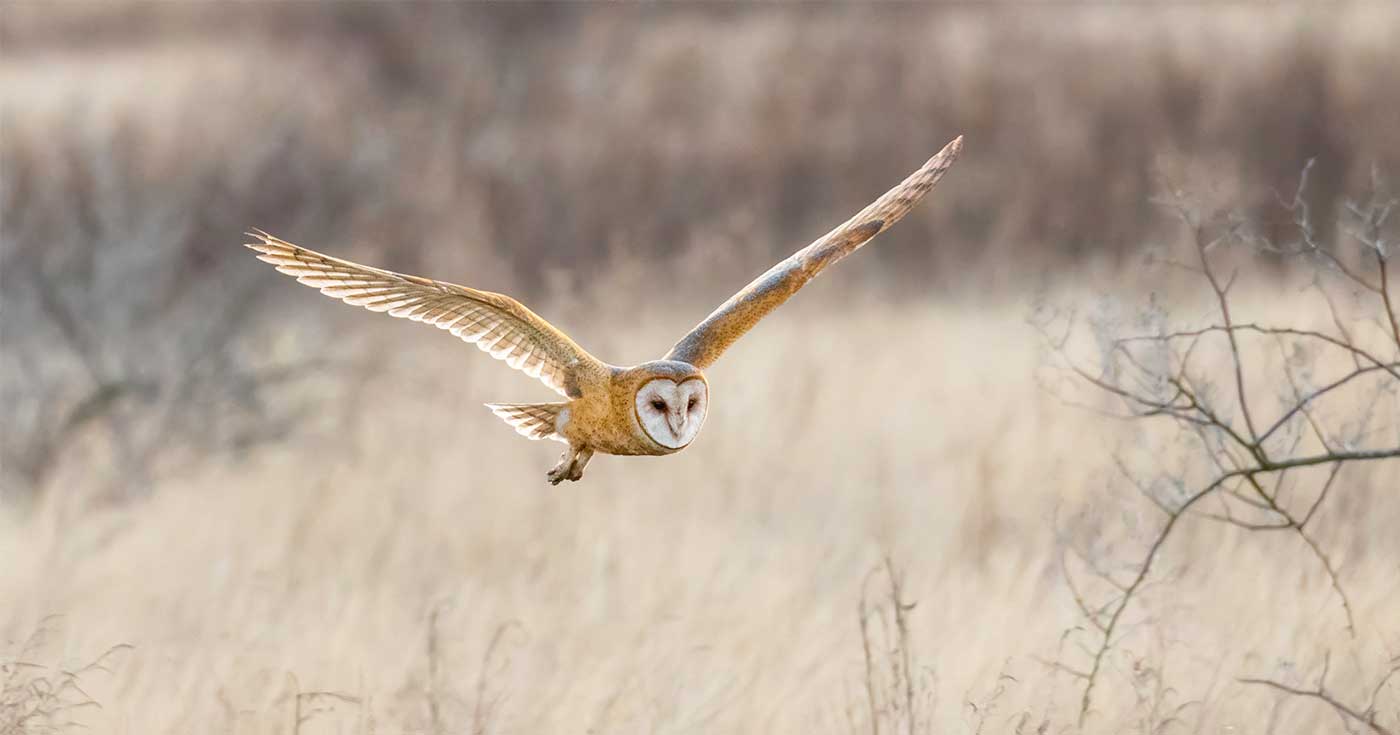
Rooting people to place through the Connected Estuary webinar series
Over the course of the Connected Estuary webinar series, we explored the connectivity and ecological importance of the Fraser River Estuary to a myriad of species, including Pacific salmon, Southern Resident killer whales and migratory birds.
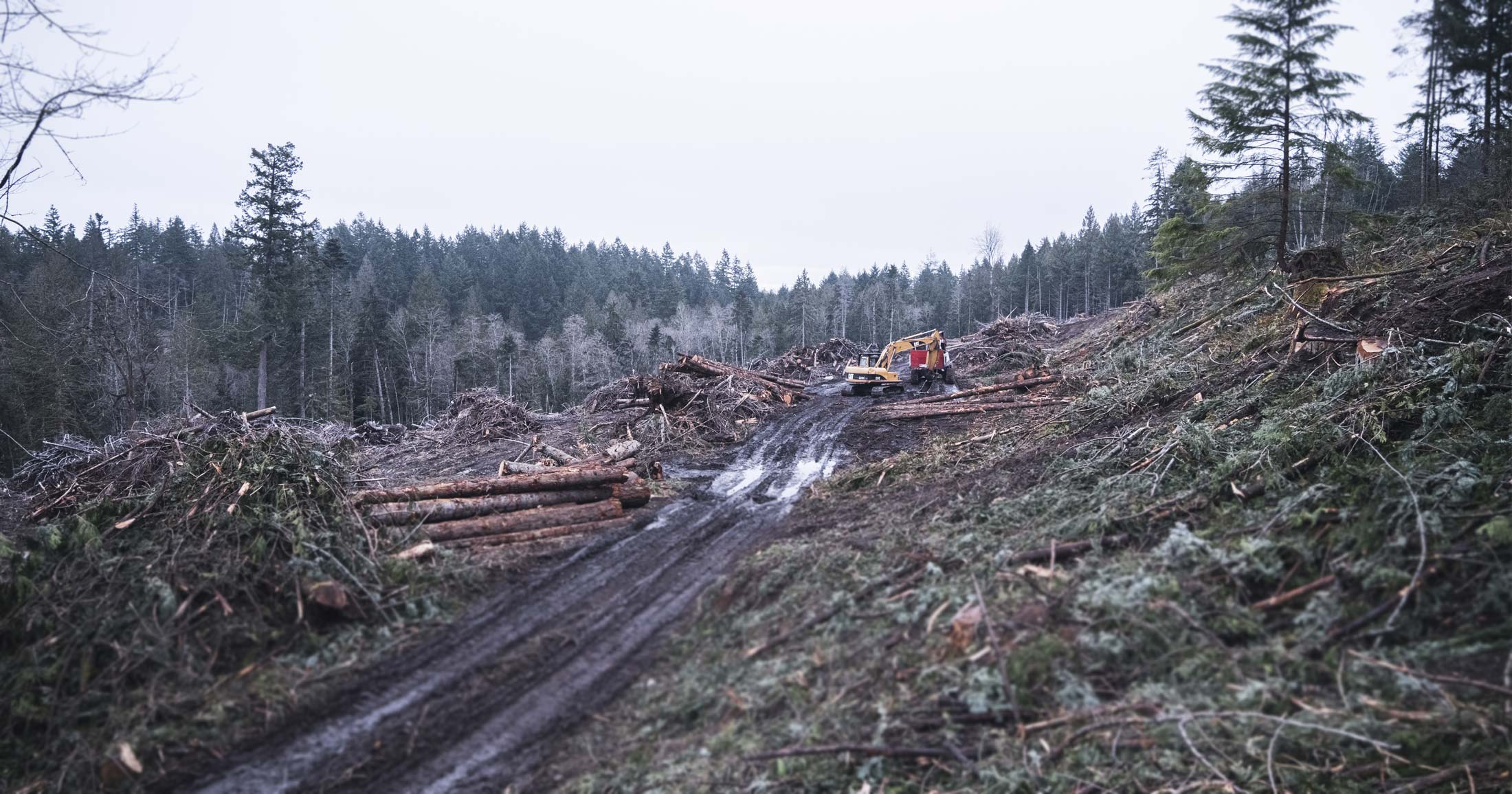
Cumulative impacts a serious problem for Gulf Islands forests
The Gulf Islands represent 33.2% of the provincial extent of Coastal Douglas-fir forests and associated habitats which are among the most biodiverse in the province. Yet, this region is also the most degraded.

The painful truth of colonization
In light of recent evidence of the unmarked graves of 215 children that have been found at the former Kamloops Indian Residential School in Canada, we express our deep condolences to the Tk’emlúps te Secwépemc, Residential School Survivors and all Indigenous people who continue to be affected.

Join us for the last webinar of our Connected Estuary series
In Episode 6, we will build on this learning with Morgan Guerin, a community member, past Councilor, and Senior Marine Planning Specialist for the Musqueam Nation. Morgan is also an artist who has developed materials for the c̓əsnaʔəm exhibit at the Musqueam Community Cultural Centre and he continues to share his knowledge, expertise and teachings through tool-kits for use in schools and other communities.
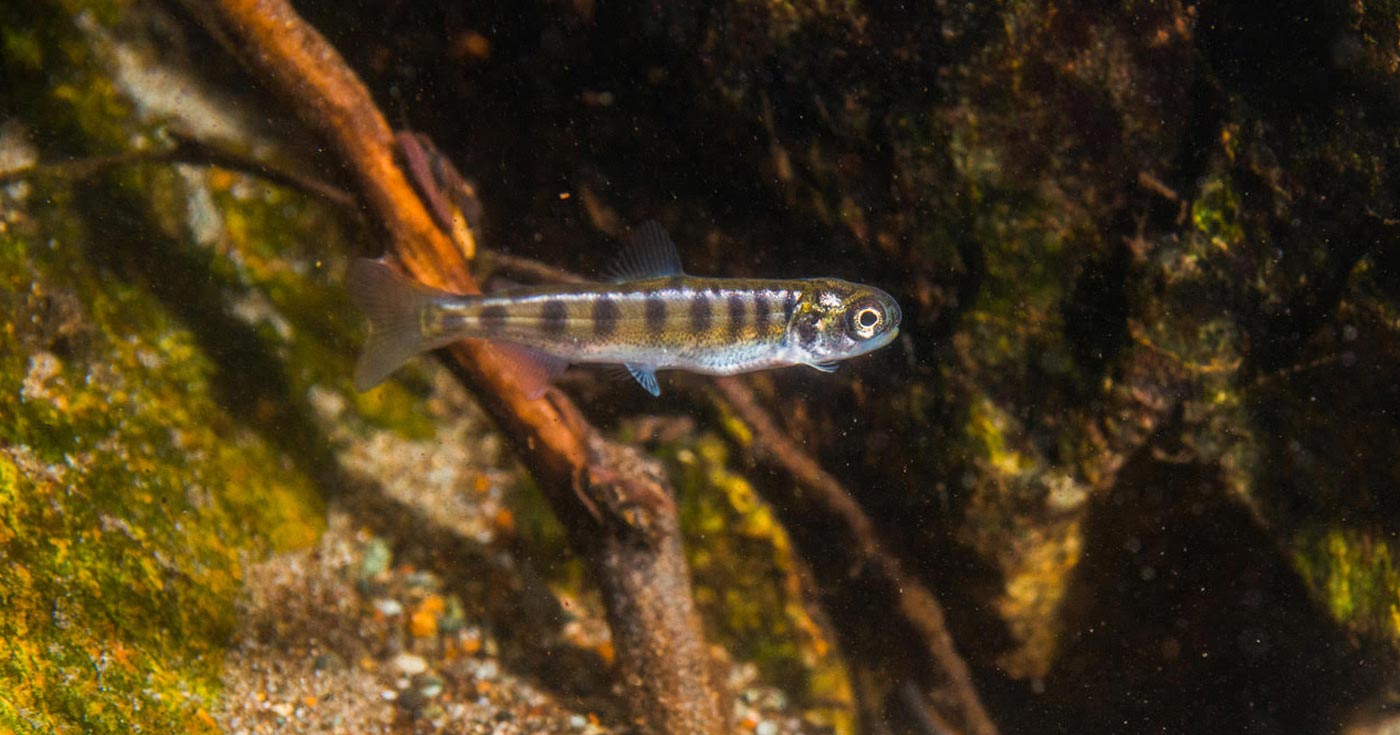
An opportunity to learn about the importance of improved connectivity in the Fraser River Estuary
Join Dave Scott, Raincoast’s Lower Fraser Salmon Program Research and Restoration Coordinator, for an online information session about the upcoming North Arm Jetty Breaches Project and the importance of improved connectivity in the Fraser River Estuary. The session will include an opportunity for participants to ask questions and provide input on the project.
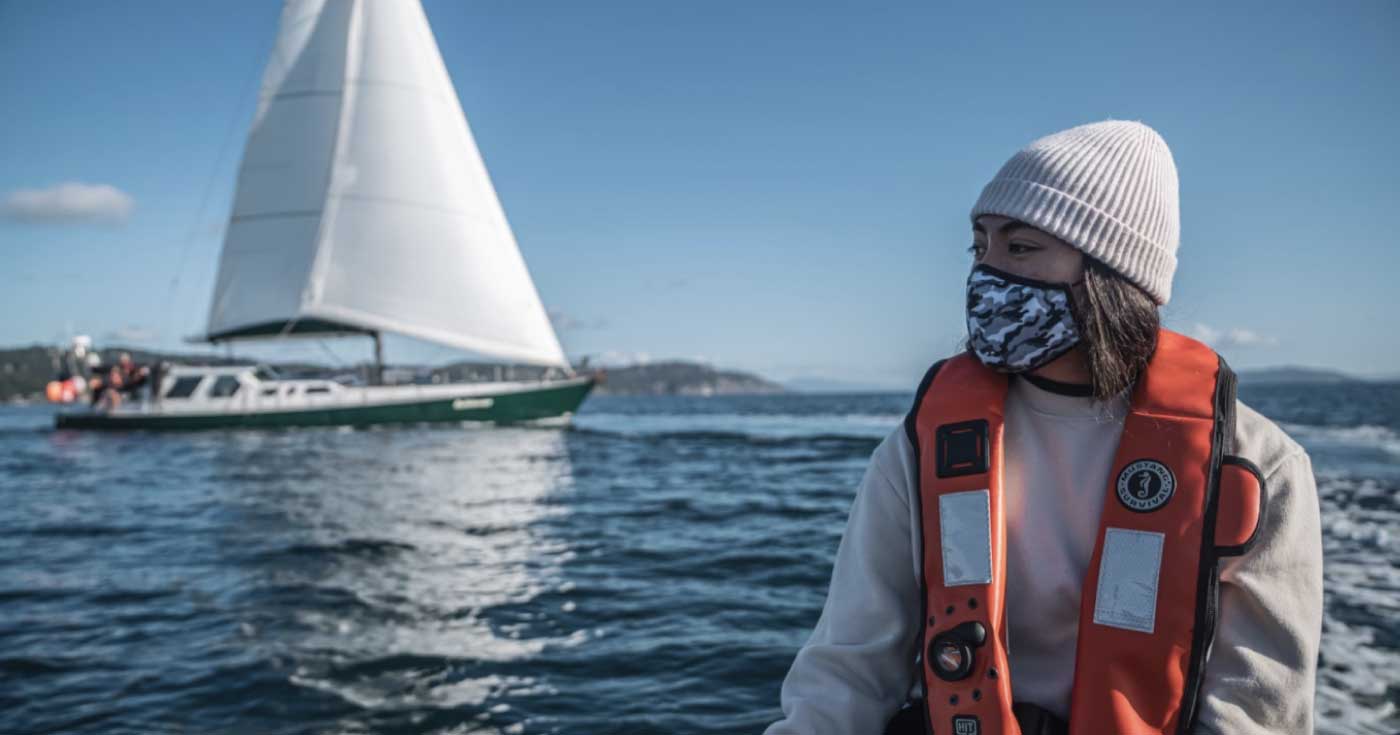
The 2021 Student Innovation Challenge
Raincoast Conservation Foundation is excited to be partnering with the Take A Stand: Youth for Conservation to create the 2021 Student Innovation Challenge.