
Plastic pollution

Photo by April Benze.

Plastic pollution is choking our waterways and threatening the health of fish and wildlife. We are collecting plastic and microplastic data as part of our community-oriented water pollution monitoring program. We are collaborating on research projects with universities, governments and experts in the field. We are providing advice to local, regional and federal governments on plastic science, policies, and regulations. We are working with Ocean Diagnostics to support a strong science-based foundation for solutions.


Lots of garbage on a beach.
Photo by Simon Ager.
People working together to take samples of water in jars.
Photo by Alex Harris / Raincoast Conservation Foundation.

Our approach

  • Design a source identification toolbox for plastic pollution; 
  • Working with Indigenous and coastal communities to document plastic pollution and track this back to its source;
  • Conduct research on the source, transport and fate of micro and macroplastics in the environment;
  • Engage in outside-the-box dialogue with industry and governments to support more sustainable design, manufacturing and processes that stem the release of plastics during the life cycle of a product;
  • Support community-oriented outreach and training to support solution-oriented actions and capacity building.

Plastics are everywhere

Plastics from just about every sector can now be found all over the world – from mountain tops to the seafloor, from the Arctic to the Antarctic, and from our homes to the ocean. A modern-day scourge that is blighting remote beaches and shorelines, getting mistaken for food by wildlife, and getting into the foods that nourish us. Whether it’s the structural features of plastic products that suffocate, entangle, or create intestinal blockages – or the endocrine disrupting-contaminants that serve as ingredients of the product (e.g. Bisphenol A or phthalate esters) or as hitchhikers soaked up by plastics in the environment (e.g. PCBs or metals) – plastics are harmful.

Underwater photo of plastic floating near the top of the water.
Chinook salmon swim in a river as seen from head on; epic.
Photo by Fernando Lessa.

The impact on the environment

Without a dramatic re-think, the plastic crisis is here to stay. Despite the best intentions of governments, industry, and consumers to reduce, recycle or re-use, global plastic production continues to enjoy exponential growth. And the unintentional loss to the environment of plastic products and byproducts will continue – plastic bags, bottles, and fishing gear, as well as the discharge of microplastics through domestic and industrial waste. With that will come a constant stream of items that will be mistaken for food but offer zero nutrition, that will entangle wildlife, and will deliver endocrine disruptors to our aquatic food webs. We will document impacts, share findings, and work for change through science, community engagement, and expert advice.

Recent articles
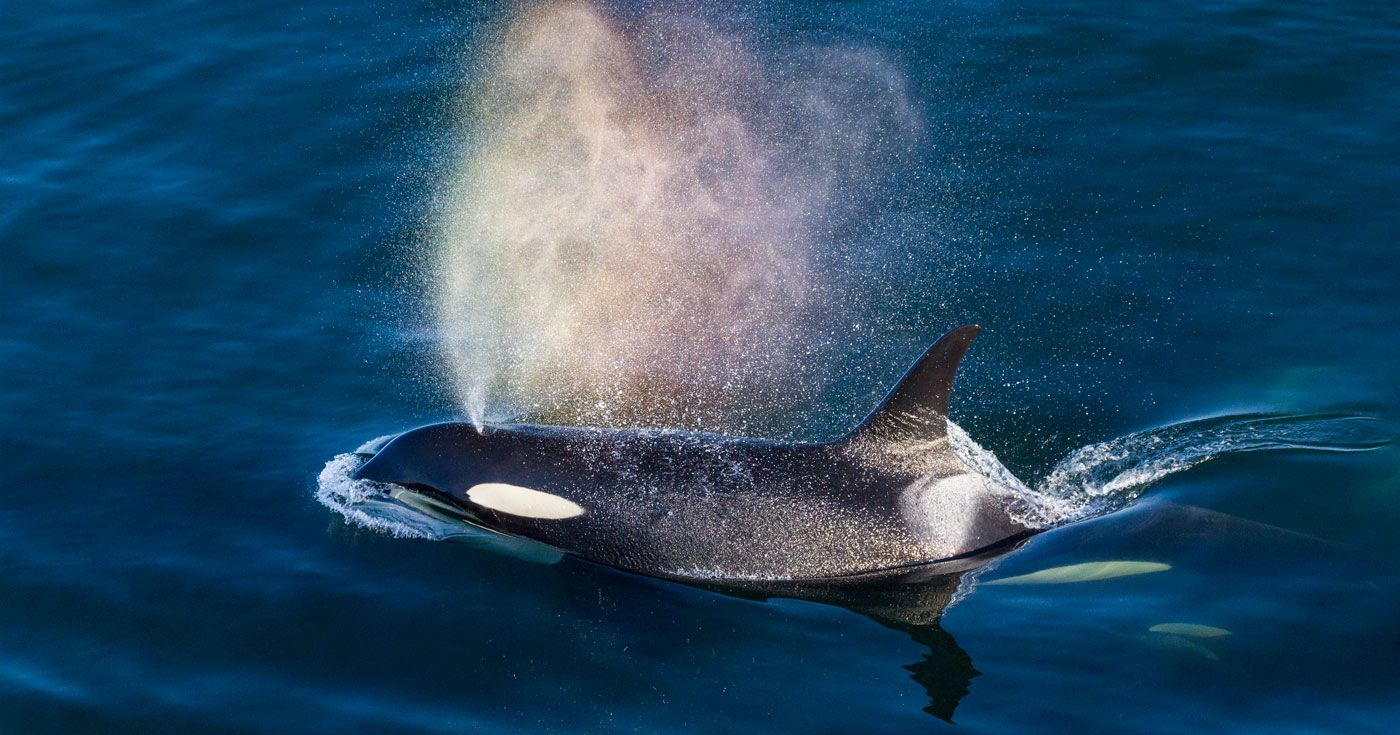
Killer whales swim by Saturna island

Terminal 2 Backgrounder: Impacts on Southern Resident killer whales
The shipping expansion at the Deltaport terminal will place further stress on the Fraser estuary that has already lost more than 70% of its natural habitat. Raincoast is particularly concerned about the impacts from the terminal on Fraser Chinook salmon and Southern Resident killer whales…
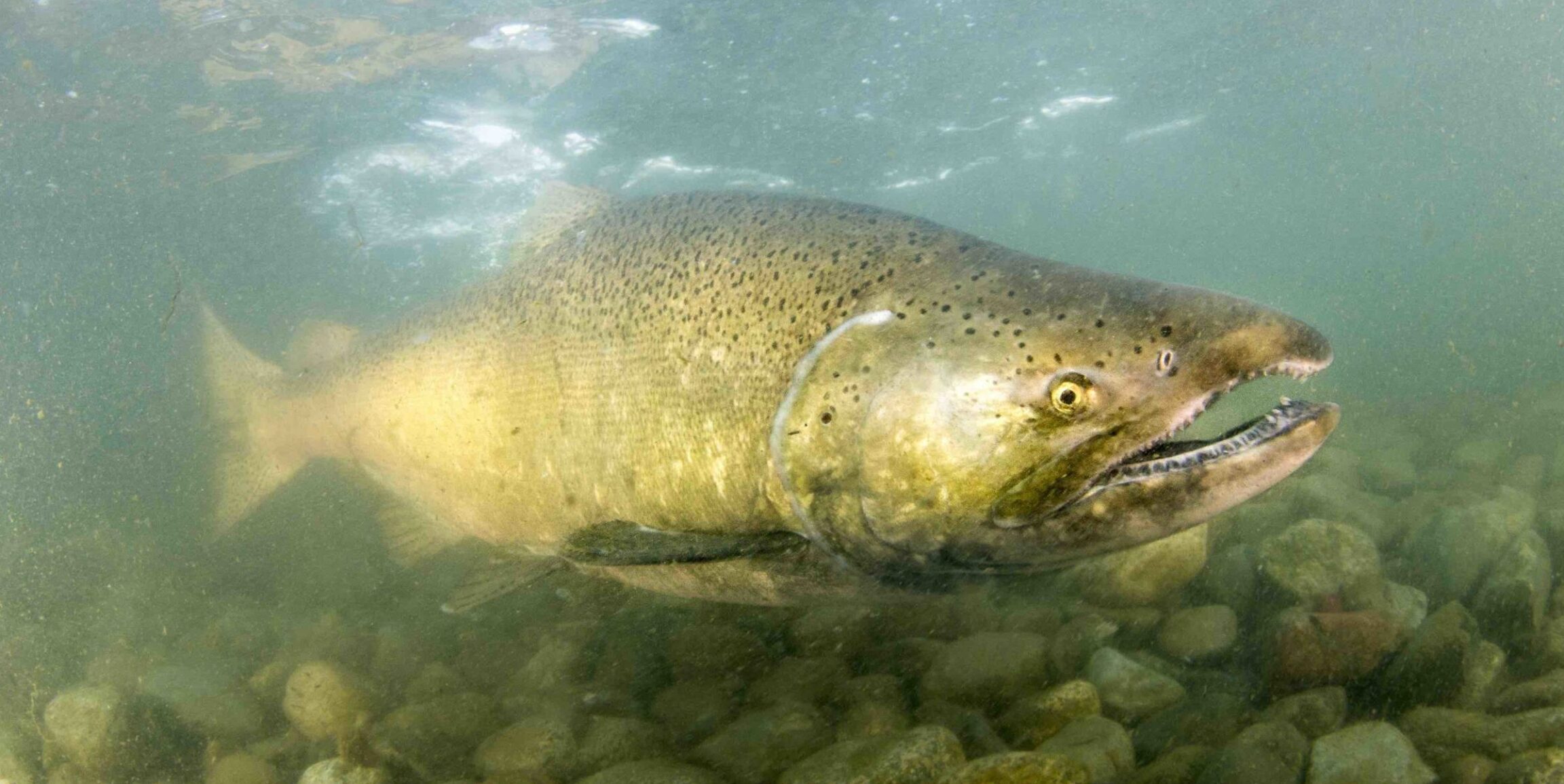
A large salmon swimming under the water.

Terminal 2 Backgrounder: Impacts to Fraser Chinook salmon

The Port of Vancouver is proposing to double the size of its shipping terminal at Roberts Bank beside the Tsawwassen Ferry Terminal. The existing terminal is already a significant presence in the Fraser estuary. Its 210-acre container terminal connects to the largest coal terminal in North America. A four-kilometre long causeway across the Fraser estuary facilitates truck and rail transit between the terminal and the shore…
A wolf walks across the beach in the early morning light, with figure 1 in the foreground.

Research: Addressing poor statistical support for wolf control and maternal penning as conservation measures for endangered mountain caribou

A new study shows that while addressing potential threats from wolves does not seem to be effective, an important new signal has emerged from the data: ecotype.
A darkly coloured wolf with black highlights walks across the sand in the intertidal zone.

Current situational analysis of BC wolves

In British Columbia, Canada, wolves continue to be killed through a variety of means. These include legal recreational hunting and trapping. Our goal is to stop the hunting and trapping of BC’s wolves. Our initial initiative includes educating the public about the biology, behavior and ecology of wolves and their current situation in British Columbia…
Juvenile Spirit bear and black bear mother stand by a river with salmon strewn across the bank.

Study: Spatial patterns and rarity of the white‐phased ‘Spirit bear’ allele reveal gaps in habitat protection

New research has identified that the small genetic change responsible for Spirit bears – a rare, white-coated form of black bears – is up to 50% rarer in the Great Bear Rainforest than previously estimated. The study also indicates that geographic hotspots, where the Spirit bear version of the gene was especially prominent lack adequate protection from resource extraction…
Jess Housty, Misty MacDuffee and others on a panel about the book, Spirits of the Coast.

Spirits of the Coast – live event

Join us on July 22 for an unique evening bringing together contributors from the book, Spirits of the Coast. Hear from Jess Housty, Nikki Iyolo Sanchez, Misty MacDuffee and Eric Mazimpaka, as they discuss their own connection to killer whales…
Paul Paquet and Michael Soule out on the land.

In memory of Dr. Michael Soulé

Michael Soulé’s work has been central to the growth of conservation science. He has been called the grandfather of conservation biology. Soulé has been an important source of knowledge, counsel, and insight to many of the scientists at Raincoast Conservation Foundation. May 28, 1936 – June 17, 2020 Thoughtful counsel and generosity My last conversations…
Takaya walks along the rocks in the low pink light of dusk.

Takaya the grey wolf will become B.C.’s Cecil the lion

Without the crushing emotional burden of a pandemic, Takaya the grey wolf would surely and immediately emerge as British Columbia’s Cecil the Lion. His senseless killing by a hunter this week could – and should – leave a significant and enduring mark on society and provincial wildlife management. To get there, however, we need to…