
Plastic pollution

Photo by April Benze.

Plastic pollution is choking our waterways and threatening the health of fish and wildlife. We are collecting plastic and microplastic data as part of our community-oriented water pollution monitoring program. We are collaborating on research projects with universities, governments and experts in the field. We are providing advice to local, regional and federal governments on plastic science, policies, and regulations. We are working with Ocean Diagnostics to support a strong science-based foundation for solutions.


Lots of garbage on a beach.
Photo by Simon Ager.
People working together to take samples of water in jars.
Photo by Alex Harris / Raincoast Conservation Foundation.

Our approach

  • Design a source identification toolbox for plastic pollution; 
  • Working with Indigenous and coastal communities to document plastic pollution and track this back to its source;
  • Conduct research on the source, transport and fate of micro and macroplastics in the environment;
  • Engage in outside-the-box dialogue with industry and governments to support more sustainable design, manufacturing and processes that stem the release of plastics during the life cycle of a product;
  • Support community-oriented outreach and training to support solution-oriented actions and capacity building.

Plastics are everywhere

Plastics from just about every sector can now be found all over the world – from mountain tops to the seafloor, from the Arctic to the Antarctic, and from our homes to the ocean. A modern-day scourge that is blighting remote beaches and shorelines, getting mistaken for food by wildlife, and getting into the foods that nourish us. Whether it’s the structural features of plastic products that suffocate, entangle, or create intestinal blockages – or the endocrine disrupting-contaminants that serve as ingredients of the product (e.g. Bisphenol A or phthalate esters) or as hitchhikers soaked up by plastics in the environment (e.g. PCBs or metals) – plastics are harmful.

Underwater photo of plastic floating near the top of the water.
Chinook salmon swim in a river as seen from head on; epic.
Photo by Fernando Lessa.

The impact on the environment

Without a dramatic re-think, the plastic crisis is here to stay. Despite the best intentions of governments, industry, and consumers to reduce, recycle or re-use, global plastic production continues to enjoy exponential growth. And the unintentional loss to the environment of plastic products and byproducts will continue – plastic bags, bottles, and fishing gear, as well as the discharge of microplastics through domestic and industrial waste. With that will come a constant stream of items that will be mistaken for food but offer zero nutrition, that will entangle wildlife, and will deliver endocrine disruptors to our aquatic food webs. We will document impacts, share findings, and work for change through science, community engagement, and expert advice.

Recent articles

Shauna Doll looks up while she big tree hunting on Salts Spring.

Big tree hunting on Salt Spring Island

Earlier this month I spent two beautiful days on the coast of the Salish Sea, hunting for big trees. I was fortunate to join a research group of passionate “tree people” including Dr. Tara Martin, head of the Conservation Decisions Lab in the Faculty of Forestry at UBC; her Research Assistant, Cassandra Holt; Tony MacLeod from the Salt Spring Conservancy, and Jeff Shatford from the Ministry of Forests, Lands, Natural Resource Operations and Rural Development to measure some of the tallest trees on Salt Spring Island…
Wolf School with Heather Bryan.

Wolf School Episode 3 with biologist Dr. Heather Bryan
After our fantastic second episode with the Wolf Conservation Center’s Regan Downey last week, our next wolf school session will feature another inspiring scientist and educator, Dr. Heather Bryan. Now an Assistant Professor in Ecosystem Science and Management at the University of Northern BC, Heather has played a critical role in Raincoast’s work on coastal wolves and bears for many years…
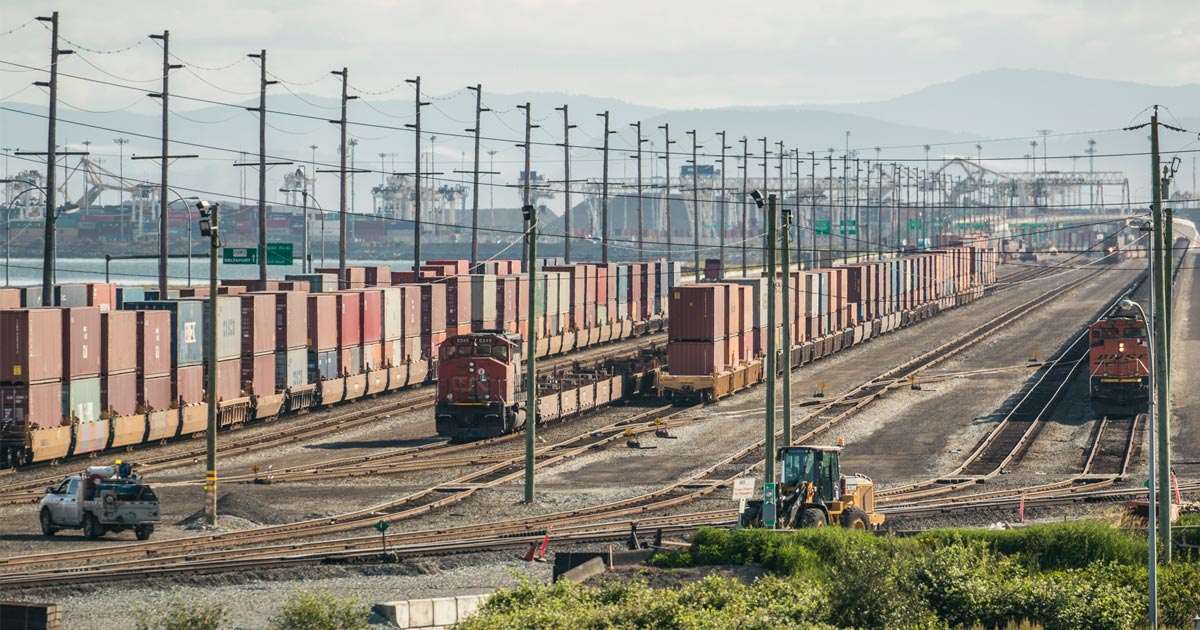
The trains and containers on the causeway to Terminal 2.

US organizations call on Washington State to oppose Canada’s Terminal 2 expansion in the Salish Sea
41 environmental and sustainability organizations in Washington State have written Governor Jay Inslee (PDF) asking him to oppose RBT2 on behalf of Washingtonians and the environmental, cultural and economic resources of Washington state…
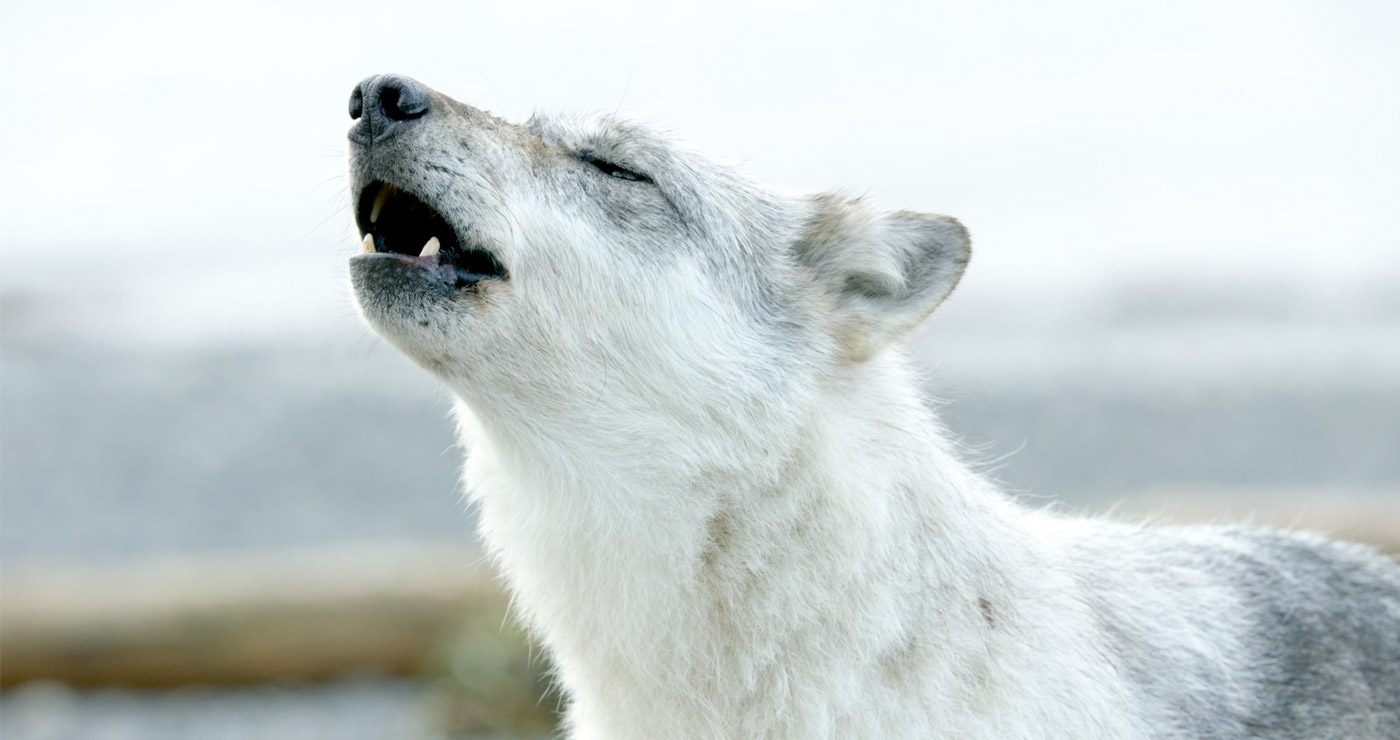
A close up on the face and mouth of a wolf with white and grey markings while it howls.

Your invitation to Wolf School

With close family ties and complex communication, wolves live lives that humans can easily empathize with across cultures. Yet, the wolf is still persecuted, including here in BC…
Cover of the open letter to the PMO standing beside a large elk.

Nature conservation should be central to Canada’s recovery from COVID-19
The Right Honourable Justin Trudeau, PC, MPPrime Minister of CanadaOffice of the Prime Minister and Privy Council Parliament BuildingsOttawa, Ontario K1A 1A6 July 10, 2020 Dear Prime Minister Trudeau: As organizations with a strong commitment to defending nature in Canada, we want to acknowledge the efforts that the Government of Canada has made to protect…
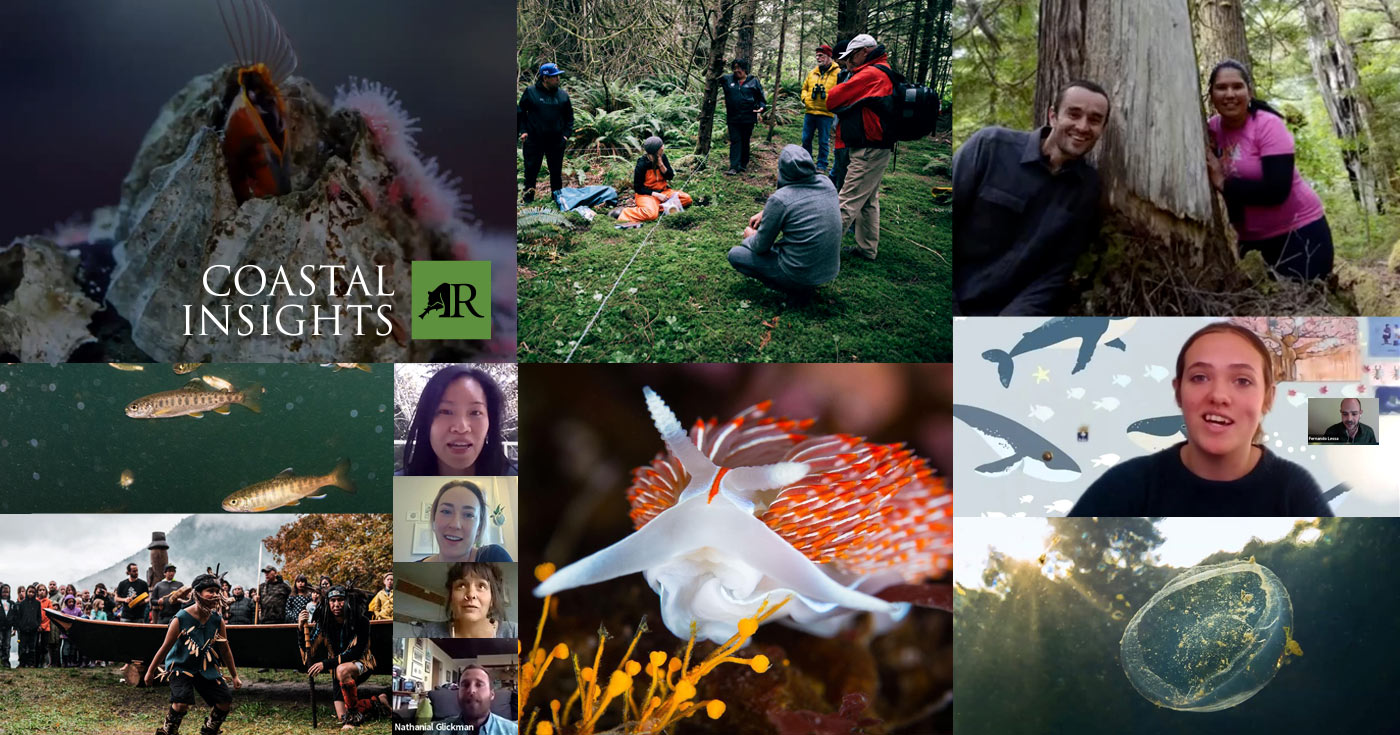
A mashup of images and profile photos from the Coastal Insights series episodes.

Coastal Insights online education series about nature, people, and place is now complete and available
The pandemic has impacted our lives in many ways, particularly with regard to learning in schools and experiential programming. Teachers have had to fast-track their technological skills and shift from their regular face to face connections with students to engaging through online learning. Raincoast knows this first hand as we were literally one week away…
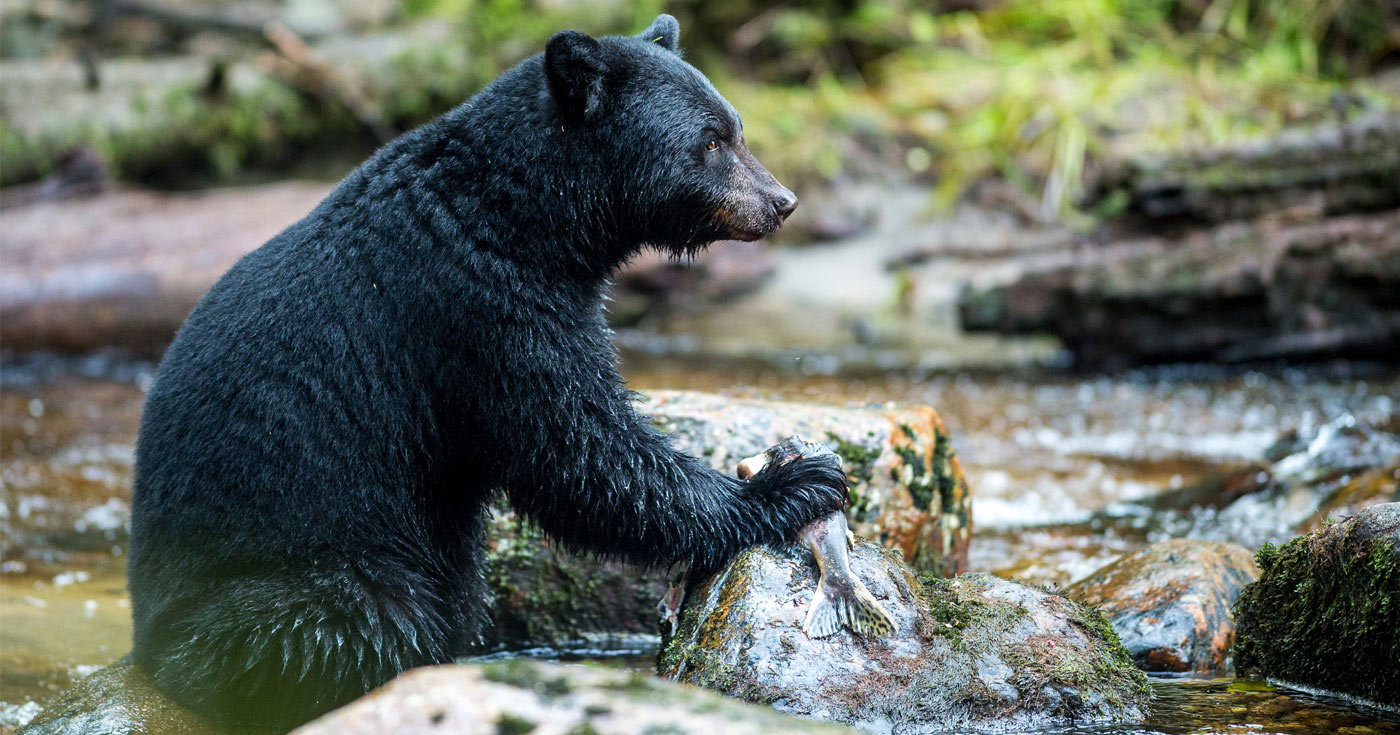
A black bear sits in the stream and holds a fish against a rock in the water.

Open letter to The Right Honourable Justin Trudeau: Curb the wildlife trade
The undersigned Canadian animal protection organizations and scientific experts commend your leadership and efforts to contain and combat the spread of COVID-19 during this most difficult time for our country. Unfortunately, the emergence of COVID-19 was a textbook example of emerging zoonotic infections…
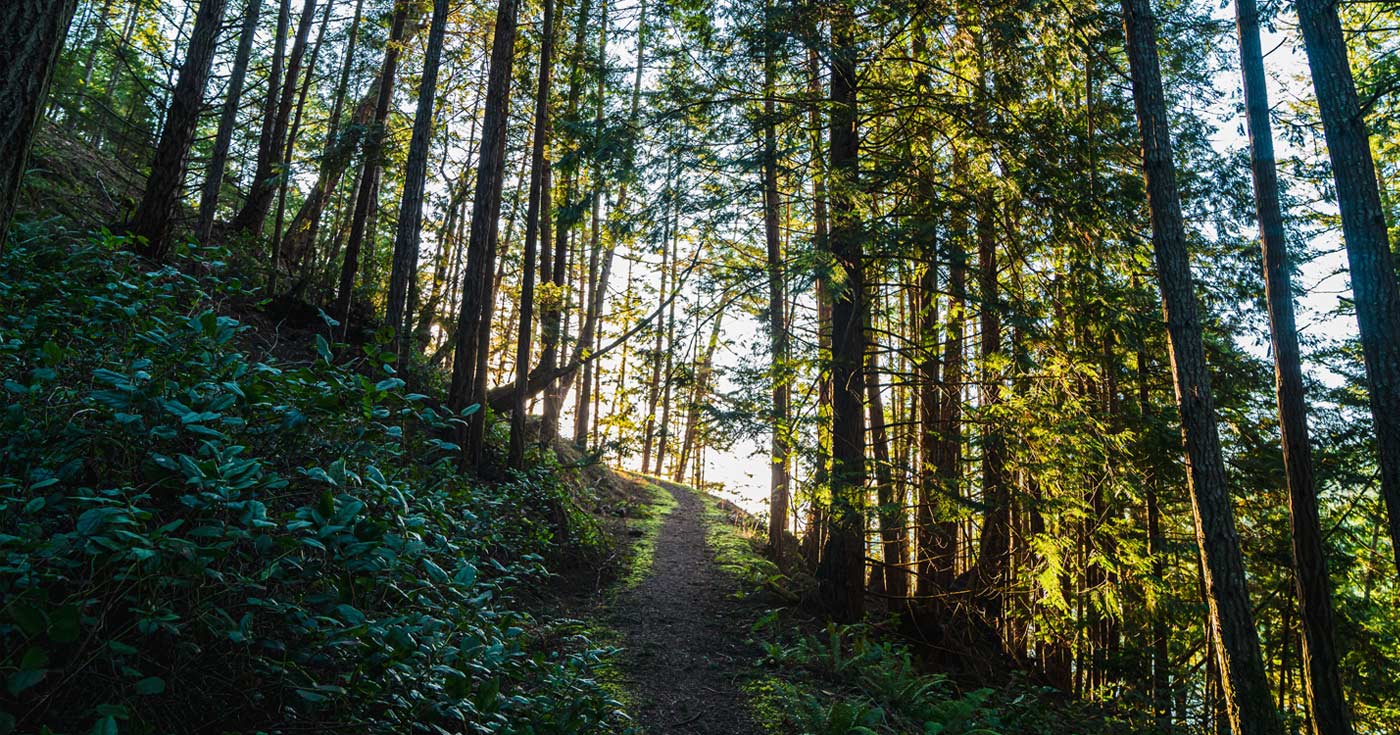
A path winds its way up a hill through a forest into the light.

A winter on S,DÁYES in a future ancient forest

The term “management” is often preceded by “resource” and thus implies a process resulting in economically beneficial outcomes. Governance suggests a more comprehensive, more collaborative approach to making land-use decisions…