Plastic pollution

Photo by April Benze.

Plastic pollution is choking our waterways and threatening the health of fish and wildlife. We are collecting plastic and microplastic data as part of our community-oriented water pollution monitoring program. We are collaborating on research projects with universities, governments and experts in the field. We are providing advice to local, regional and federal governments on plastic science, policies, and regulations. We are working with Ocean Diagnostics to support a strong science-based foundation for solutions.


Lots of garbage on a beach.
Photo by Simon Ager.
People working together to take samples of water in jars.
Photo by Alex Harris / Raincoast Conservation Foundation.

Our approach

  • Design a source identification toolbox for plastic pollution; 
  • Working with Indigenous and coastal communities to document plastic pollution and track this back to its source;
  • Conduct research on the source, transport and fate of micro and macroplastics in the environment;
  • Engage in outside-the-box dialogue with industry and governments to support more sustainable design, manufacturing and processes that stem the release of plastics during the life cycle of a product;
  • Support community-oriented outreach and training to support solution-oriented actions and capacity building.

Plastics are everywhere

Plastics from just about every sector can now be found all over the world – from mountain tops to the seafloor, from the Arctic to the Antarctic, and from our homes to the ocean. A modern-day scourge that is blighting remote beaches and shorelines, getting mistaken for food by wildlife, and getting into the foods that nourish us. Whether it’s the structural features of plastic products that suffocate, entangle, or create intestinal blockages – or the endocrine disrupting-contaminants that serve as ingredients of the product (e.g. Bisphenol A or phthalate esters) or as hitchhikers soaked up by plastics in the environment (e.g. PCBs or metals) – plastics are harmful.

Underwater photo of plastic floating near the top of the water.
Chinook salmon swim in a river as seen from head on; epic.
Photo by Fernando Lessa.

The impact on the environment

Without a dramatic re-think, the plastic crisis is here to stay. Despite the best intentions of governments, industry, and consumers to reduce, recycle or re-use, global plastic production continues to enjoy exponential growth. And the unintentional loss to the environment of plastic products and byproducts will continue – plastic bags, bottles, and fishing gear, as well as the discharge of microplastics through domestic and industrial waste. With that will come a constant stream of items that will be mistaken for food but offer zero nutrition, that will entangle wildlife, and will deliver endocrine disruptors to our aquatic food webs. We will document impacts, share findings, and work for change through science, community engagement, and expert advice.

Recent articles

Heavy equipment lays an oil pipe in the ground

U.S. spill turns up heat on proposed pipeline

Vancouver Sun, August 3, 2010 Re: U.S. spill turns up heat on proposed B.C.-Alberta pipeline, July 29 With his “we’ll do whatever it takes to make things right” rhetoric, Enbridge Inc. CEO Patrick Daniel sounds remarkably like BP’s Tony Hayward. Oil-industry disaster-response talking points aside, British Columbians should be paying close attention to the Kalamazoo…
Misty smiles at the camera, she stands at the shore of a beach at low tide.

The Salmon Goddess

At Raincoast Conservation Foundation, biologist Misty MacDuffee is known as The Salmon Goddess. Misty has gained this appellation not only for the expertise she has developed in salmonid ecology, but also for her passion and dedication as an advocate for these amazing fish.
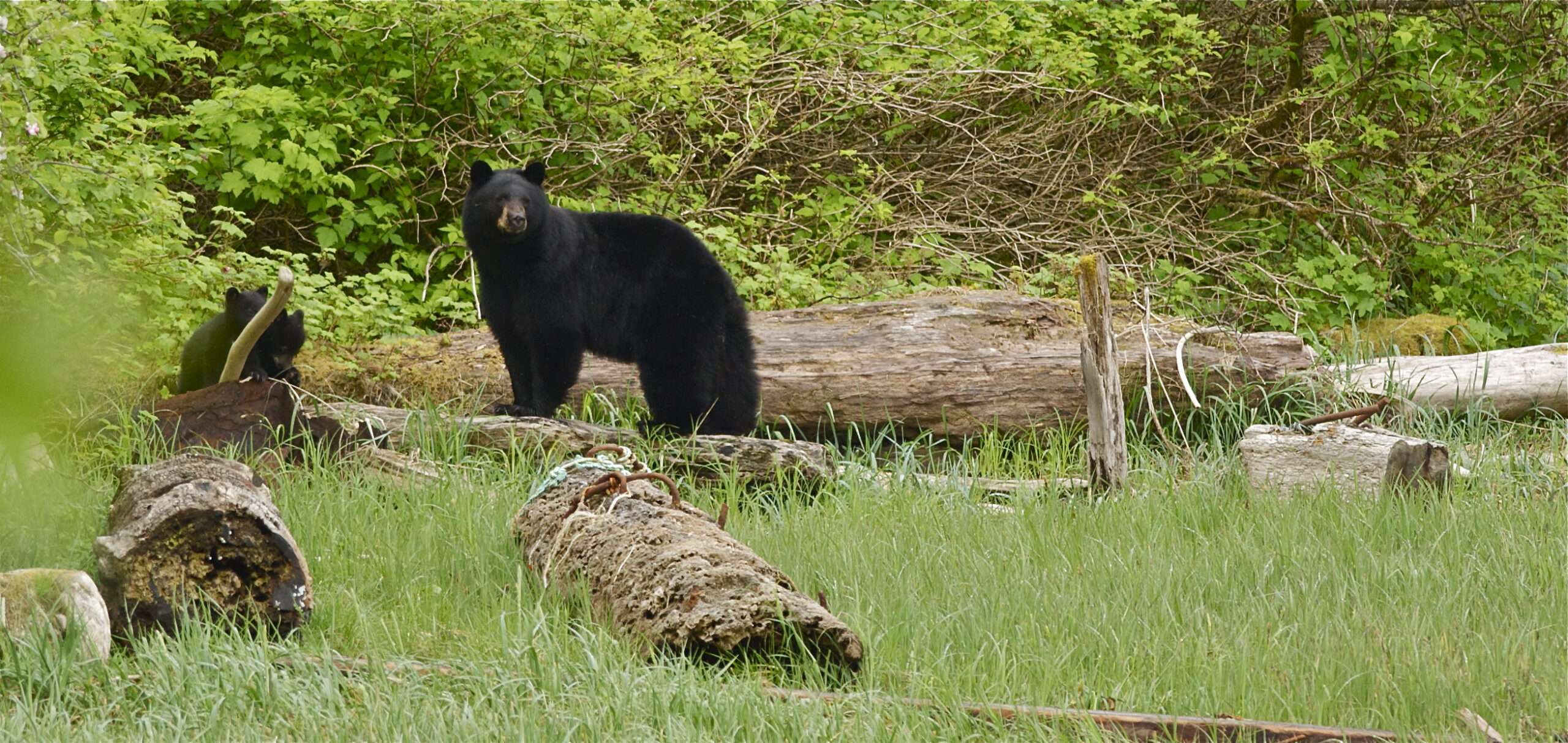
A black bear and a cub standing in a grassy area.

Humans need to change to avoid violent wildlife encounters: expert

Globe and Mail, July 30, 2010 Shannon Moneo As B.C. experiences a bizarre season of wildlife-human conflicts, with a rare attack by a black bear and deer being demonized for attacking people and pets, a wildlife ecologist says people need to change.
Fish farms on the BC coast threaten wild salmon.

Farmed salmon fail organic test

Victoria Times Colonist, July 25, 2010 Re: “Farmed B.C. salmon could carry organic label under federal plan,” July 15. The proposal by the Canadian General Standards Board and the organic aquaculture working group at Fisheries and Oceans Canada to give the “organic stamp of approval” to B.C. farmed salmon raised in open-net pens is nothing…
Heavy equipment lays an oil pipe in the ground

Vampire Blues: suckin’ blood from the earth
Canadian federal and provicial governments seem eager to turn BC’s coast into an energy corridor. Enbridge Inc. is pushing hard to construct a twinned pipeline from the tar sands of Alberta to the coast of BC, where Exxon Valdez-sized supertankers would ship oil to Asian and American markets.
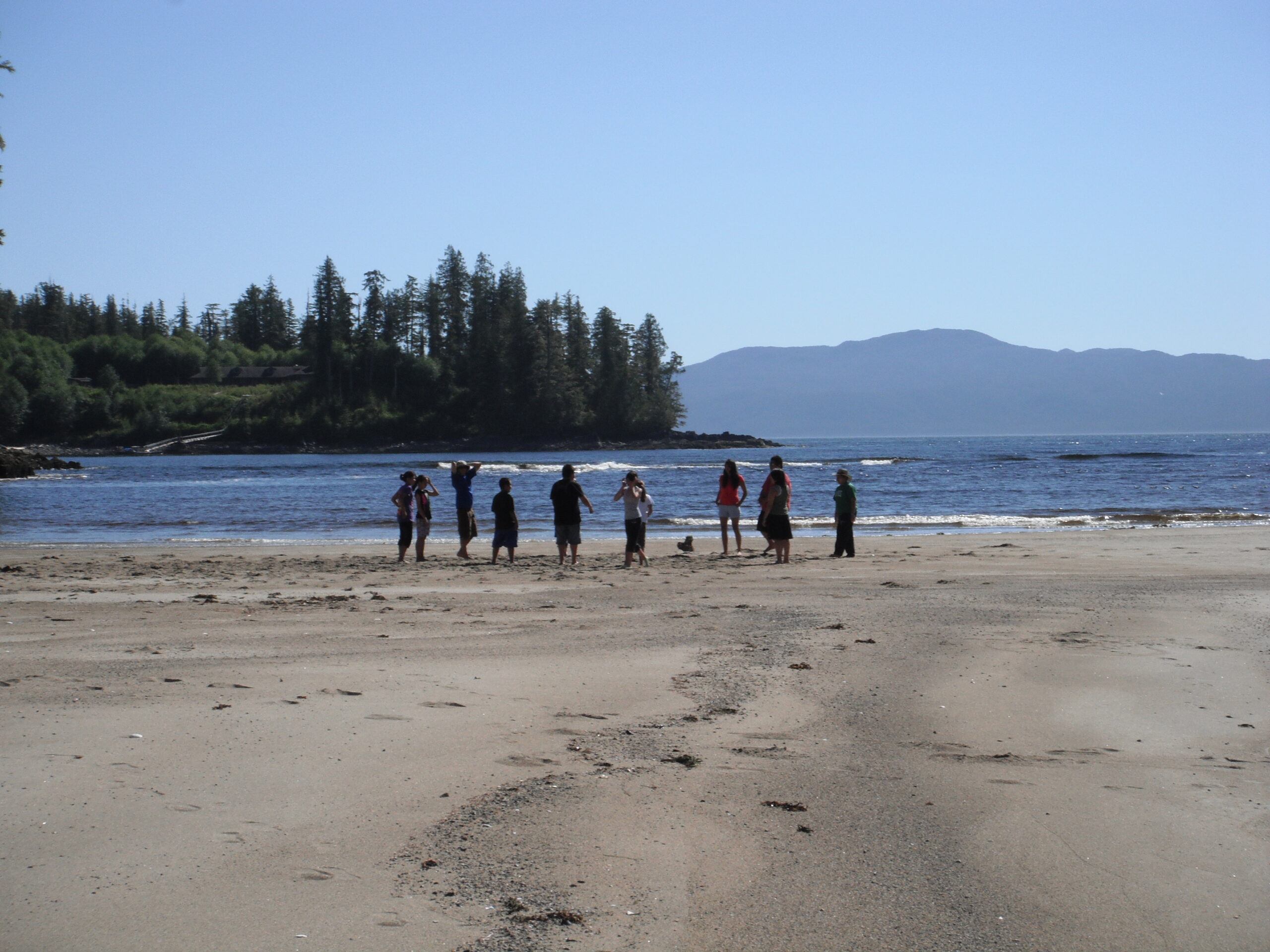
A group of people standing on a sandy beach.

A Koeye Camp Idyll

by Bryce Bocking As the boat containing my fellow Raincoast colleagues and I drew near the Koeye River, memories of the last time I was here, nearly five years ago (at age fourteen), began to return. As a first year engineering student and volunteer with Raincoast, I looked forward to the following days I’d be…
Heavy equipment lays an oil pipe in the ground

Join the fray

Time for BC boycott Calgary Herald, July 16, 2010 Edmonton Journal, July 18, 2010 Regarding the billboard ads urging Americans not to visit Alberta this summer, B.C. conservation groups might want to take a page from U.S. environmental organizations and adopt a similar campaign urging British Columbians to “rethink” travelling to Alberta.
Heavy equipment lays an oil pipe in the ground

B.C. should get in on the act

Calgary Sun, July 16, 2010 Re: The billboard ads urging Americans not to visit Alberta. B.C. conservation groups might want to take a page from U.S. environmental organizations and adopt a similar campaign urging British Columbians to “rethink” travelling to Alberta.