

Plastic pollution
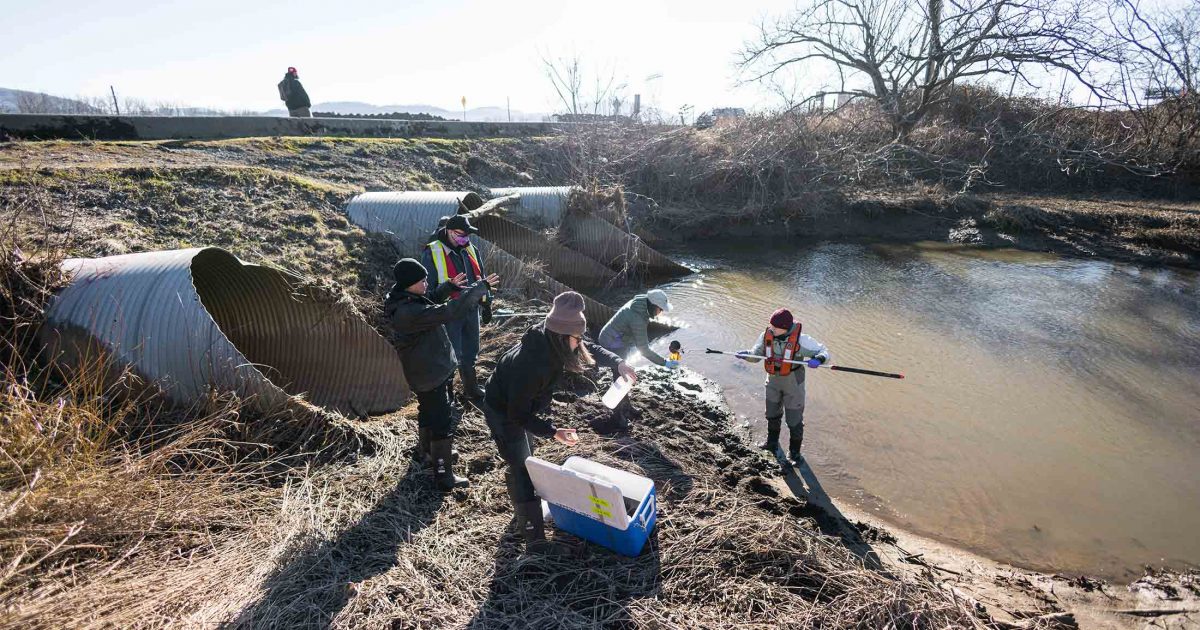
Plastic pollution is choking our waterways and threatening the health of fish and wildlife. We are collecting plastic and microplastic data as part of our community-oriented water pollution monitoring program. We are collaborating on research projects with universities, governments and experts in the field. We are providing advice to local, regional and federal governments on plastic science, policies, and regulations. We are working with Ocean Diagnostics to support a strong science-based foundation for solutions.

Our approach
- Design a source identification toolbox for plastic pollution;
- Working with Indigenous and coastal communities to document plastic pollution and track this back to its source;
- Conduct research on the source, transport and fate of micro and macroplastics in the environment;
- Engage in outside-the-box dialogue with industry and governments to support more sustainable design, manufacturing and processes that stem the release of plastics during the life cycle of a product;
- Support community-oriented outreach and training to support solution-oriented actions and capacity building.
Plastics are everywhere
Plastics from just about every sector can now be found all over the world – from mountain tops to the seafloor, from the Arctic to the Antarctic, and from our homes to the ocean. A modern-day scourge that is blighting remote beaches and shorelines, getting mistaken for food by wildlife, and getting into the foods that nourish us. Whether it’s the structural features of plastic products that suffocate, entangle, or create intestinal blockages – or the endocrine disrupting-contaminants that serve as ingredients of the product (e.g. Bisphenol A or phthalate esters) or as hitchhikers soaked up by plastics in the environment (e.g. PCBs or metals) – plastics are harmful.


The impact on the environment
Without a dramatic re-think, the plastic crisis is here to stay. Despite the best intentions of governments, industry, and consumers to reduce, recycle or re-use, global plastic production continues to enjoy exponential growth. And the unintentional loss to the environment of plastic products and byproducts will continue – plastic bags, bottles, and fishing gear, as well as the discharge of microplastics through domestic and industrial waste. With that will come a constant stream of items that will be mistaken for food but offer zero nutrition, that will entangle wildlife, and will deliver endocrine disruptors to our aquatic food webs. We will document impacts, share findings, and work for change through science, community engagement, and expert advice.
Recent articles

Junior researchers in the temperate rainforest

Worksheet: Junior researchers in the forest

Mapping thermal refuges: Identifying critical cooling centres for salmon in the Coldwater River

After dark with the Southern Residents

Decoding killer whale communication is key to defending their home

Guide to public comments on proposed regulations to protect Southern Resident killer whales

Letter in support of the proposed increase of a 1,000m approach distance for Southern Resident killer whales
