
Plastic pollution

Photo by April Benze.

Plastic pollution is choking our waterways and threatening the health of fish and wildlife. We are collecting plastic and microplastic data as part of our community-oriented water pollution monitoring program. We are collaborating on research projects with universities, governments and experts in the field. We are providing advice to local, regional and federal governments on plastic science, policies, and regulations. We are working with Ocean Diagnostics to support a strong science-based foundation for solutions.


Lots of garbage on a beach.
Photo by Simon Ager.
People working together to take samples of water in jars.
Photo by Alex Harris / Raincoast Conservation Foundation.

Our approach

  • Design a source identification toolbox for plastic pollution; 
  • Working with Indigenous and coastal communities to document plastic pollution and track this back to its source;
  • Conduct research on the source, transport and fate of micro and macroplastics in the environment;
  • Engage in outside-the-box dialogue with industry and governments to support more sustainable design, manufacturing and processes that stem the release of plastics during the life cycle of a product;
  • Support community-oriented outreach and training to support solution-oriented actions and capacity building.

Plastics are everywhere

Plastics from just about every sector can now be found all over the world – from mountain tops to the seafloor, from the Arctic to the Antarctic, and from our homes to the ocean. A modern-day scourge that is blighting remote beaches and shorelines, getting mistaken for food by wildlife, and getting into the foods that nourish us. Whether it’s the structural features of plastic products that suffocate, entangle, or create intestinal blockages – or the endocrine disrupting-contaminants that serve as ingredients of the product (e.g. Bisphenol A or phthalate esters) or as hitchhikers soaked up by plastics in the environment (e.g. PCBs or metals) – plastics are harmful.

Underwater photo of plastic floating near the top of the water.
Chinook salmon swim in a river as seen from head on; epic.
Photo by Fernando Lessa.

The impact on the environment

Without a dramatic re-think, the plastic crisis is here to stay. Despite the best intentions of governments, industry, and consumers to reduce, recycle or re-use, global plastic production continues to enjoy exponential growth. And the unintentional loss to the environment of plastic products and byproducts will continue – plastic bags, bottles, and fishing gear, as well as the discharge of microplastics through domestic and industrial waste. With that will come a constant stream of items that will be mistaken for food but offer zero nutrition, that will entangle wildlife, and will deliver endocrine disruptors to our aquatic food webs. We will document impacts, share findings, and work for change through science, community engagement, and expert advice.

Recent articles
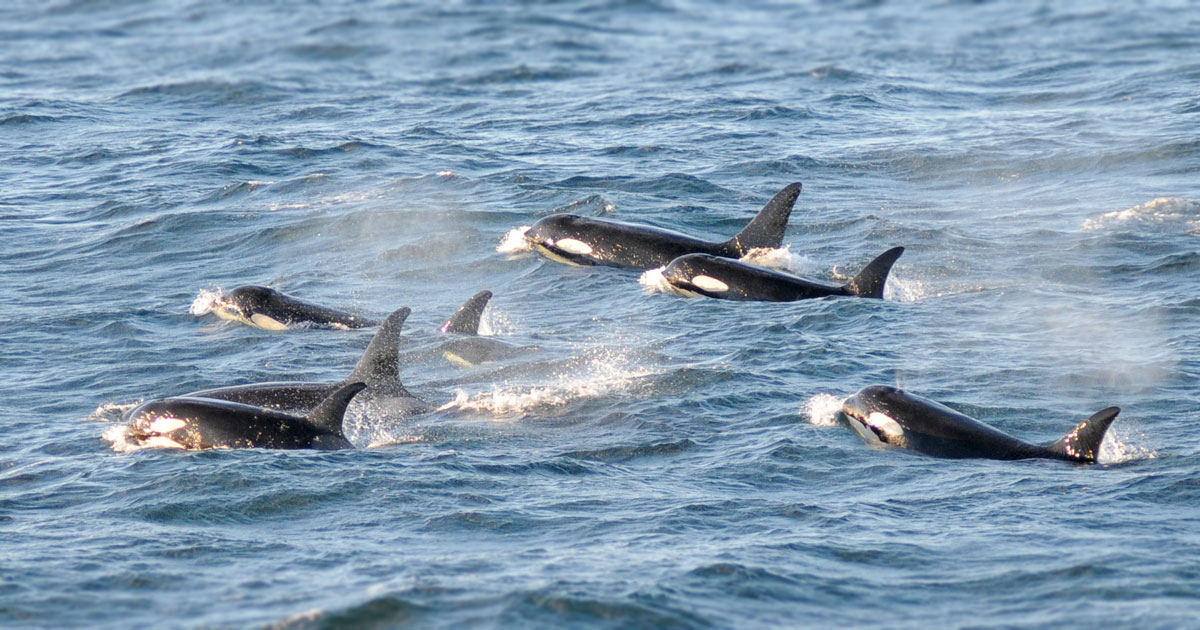
Southern Resident killer whales surface in a group in the Salish Sea.

Backgrounder: Trans Mountain approval wrong choice for endangered killer whales and climate

Timeline and quick facts by Ecojustice, Living Oceans Society and Raincoast Conservation Foundation. If built, the Trans Mountain pipeline project would lead to a sevenfold increase in tanker traffic – for a total of 408 trips per year – through critical Southern Resident habitat…
Pint of Free Whaley, Killer Creamery ice cream.

Killer Creamery Partners with Raincoast to Protect Southern Resident Killer Whales
Killer Creamery, the healthy ice cream company, is partnering with Raincoast to raise funds for research and protection of Southern Resident killer whales, of which there are less than 80 remaining…
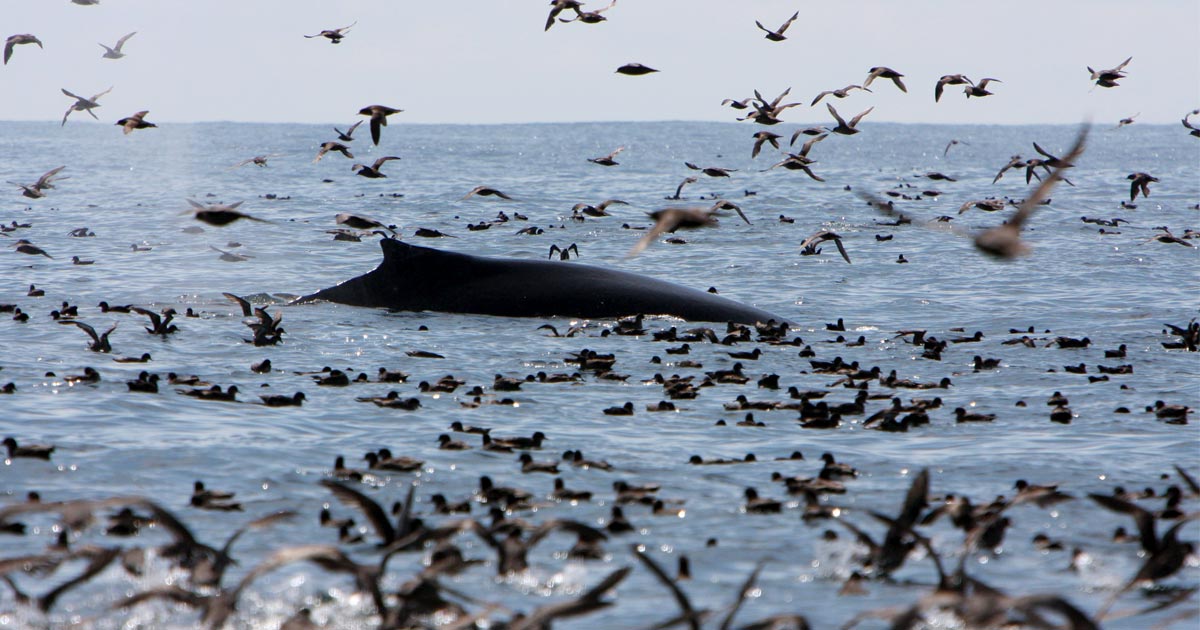
A Humpback whale fin is visible above the surface of the ocean.

Ecological legacy of coastal B.C. hangs in the balance
One hundred years ago, whaling largely extirpated humpback and fin whales from the inside waters of the B.C. coast. As the federal government looks to codify a 35-year moratorium on oil-tanker traffic into law, these whale populations are recovering and returning to their historic feeding grounds…
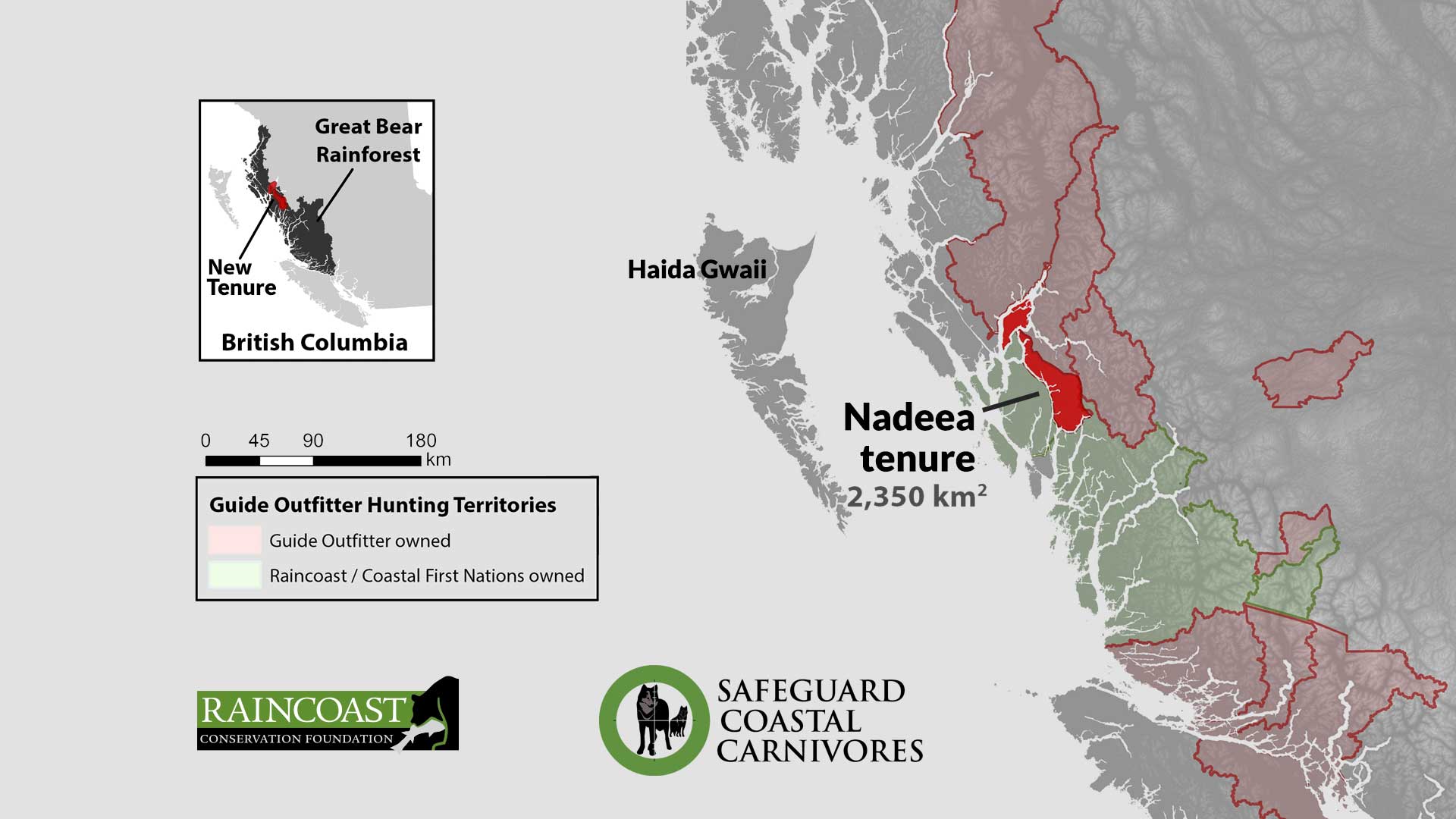
A map of guide outfitter hunting tenures in the Great Bear Rainforest, showing the new tenure we are working to acquire.

Fundraising resources to help stop commercial trophy hunting in the Nadeea tenure

There are an infinite ways for you to connect with the people in your life and ask them to make a donation to save bears. You can be creative as you want. And you can decide where you want to put yourself in the comfort-discomfort zone.
Cecil Paul and Brian Falconer sit on a river bank speaking about the Kitlope.

Back to the Kitlope

While Kitlope is protected from logging, and the current ban protects grizzly bears from hunting, there remains unfinished business in the Kitlope. Until now, commercial guides have been bringing trophy hunters into this place…
J16 spy hops: Southern Resident killer whale.

Canada’s recovery measures for endangered killer whales a positive step
A coalition of six conservation groups commend the federal government’s new measures to support Southern Resident killer whale recovery. The measures are the boldest yet; greater whale-watching restrictions, expanded voluntary slow downs for international shipping and the creation of no-vessel zones in feeding areas.  However, important feeding areas protected from fishing are smaller than last year’s areas, allowing less protection for whales and more areas for fishing…
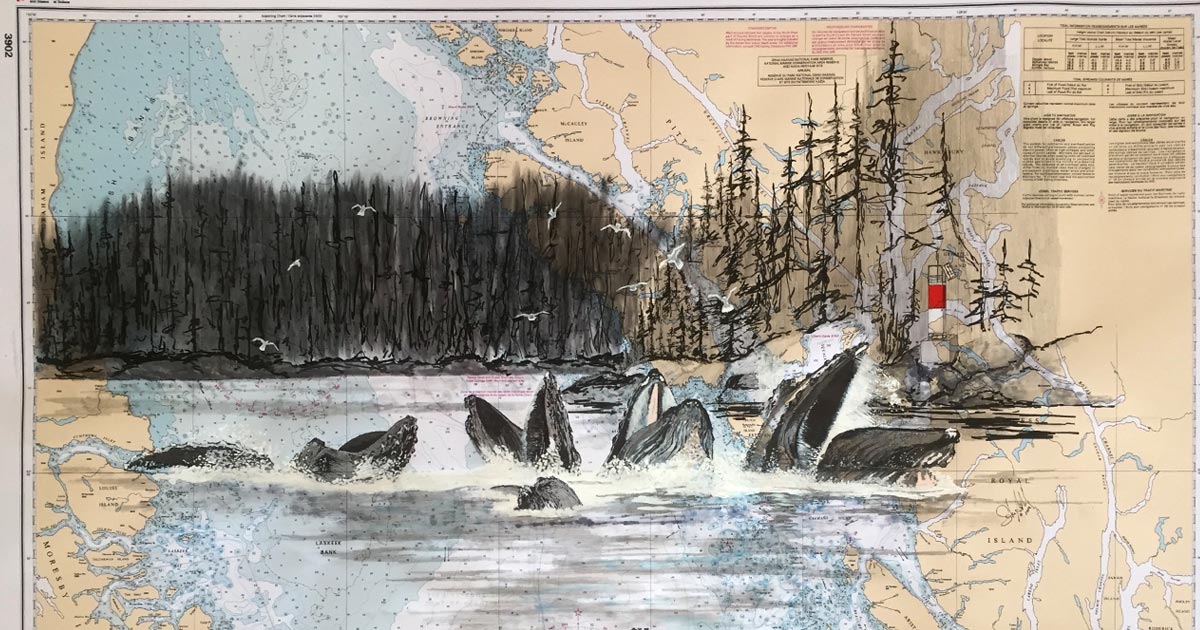
Forest and Humpbacks drawn over a map of the Hecate Strait.

Humpback whales, artistic cartography, for the coast

Watching these magnificent creatures work in unison to catch their meal was truly inspirational and became the idea behind my first Artistic Cartography piece for Raincoast. Listening to them, via the hydrophone that Captain Nick dropped over the side, still makes the hair on the back of neck stand on end and solidified the artistic idea that this hunting method had to be painted…
A single Southern Resident killer whale surfaces in the Salish Sea.

No half measures for Southern Resident killer whales

Right now, as we anticipate the return of these endangered whales to the Salish Sea, the federal government is considering exactly what measures they will take to aid recovery in 2019. They are asking you for your input, and it is critical that you encourage them to make the right choice. Many voices are advocating for less ambitious recovery actions…