Conservation Genetics Laboratory 

Our conservation genetics research addresses threats to cetaceans, fish, and coastal carnivores. 

The Conservation Genetics Lab is an integral part of Raincoast’s efforts to protect the land, waters and wildlife of coastal BC. The DNA and RNA analysis we perform provides our scientists with reliable insights into the population structure, health, diets, and resilience and genetic isolation of coastal species. The lab works closely with our Cetacean Conservation Research Program and also helps answer important questions for our other conservation initiatives. 
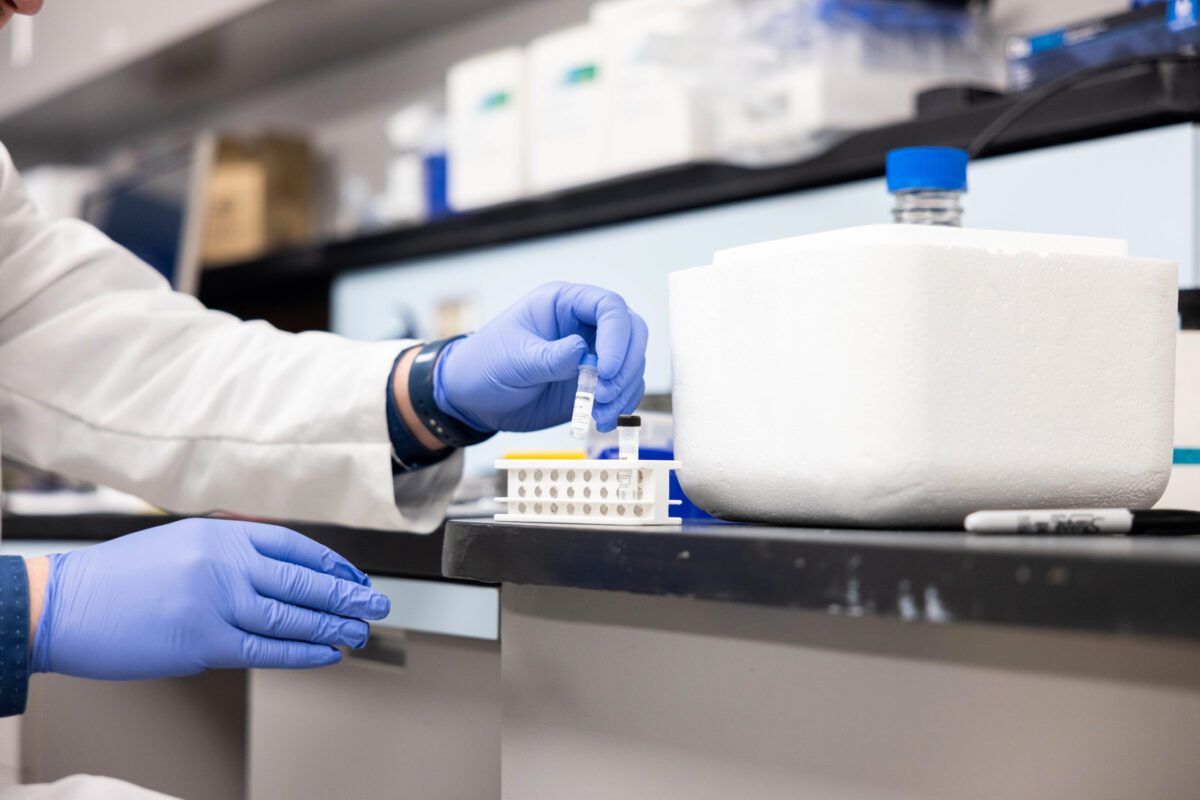
Two hands wearing blue gloves holding and organizing beakers.
Research scientist Adam Warner holding two small beakers while wearing a lab coat in a lab.

Cutting edge genetics and genomics analysis

The Raincoast Conservation Genetics Lab is equipped with a complete set of instrumentation to conduct molecular biology and genetics, including cutting-edge DNA sequencing technology. Our Research Scientist, Dr. Adam Warner, has extensive experience in genetics, genomics and DNA sequencing, has set up our lab space and has begun to carry out this research under the guidance of our Cetacean Research Program directors Dr. Lance Barrett-Lennard and Dr. Valeria Vergara. The lab works alongside Fisheries and Oceans Canada, which is hosting our lab space at the Pacific Science Enterprise Centre.

Understanding killer whale diet

A lack of sufficient Chinook salmon in the diets of Southern and Northern Resident killer whales has been linked to declines in population health. Our lab has the ability to extract and analyze salmon DNA from Resident killer whales feces, to identify the salmon stocks of most importance to the whales. Since we can identify the individual whales that produced fecal material genetically, we can link other health metrics such as stress hormone levels (also found in the fecal material) to individual killer whales. 
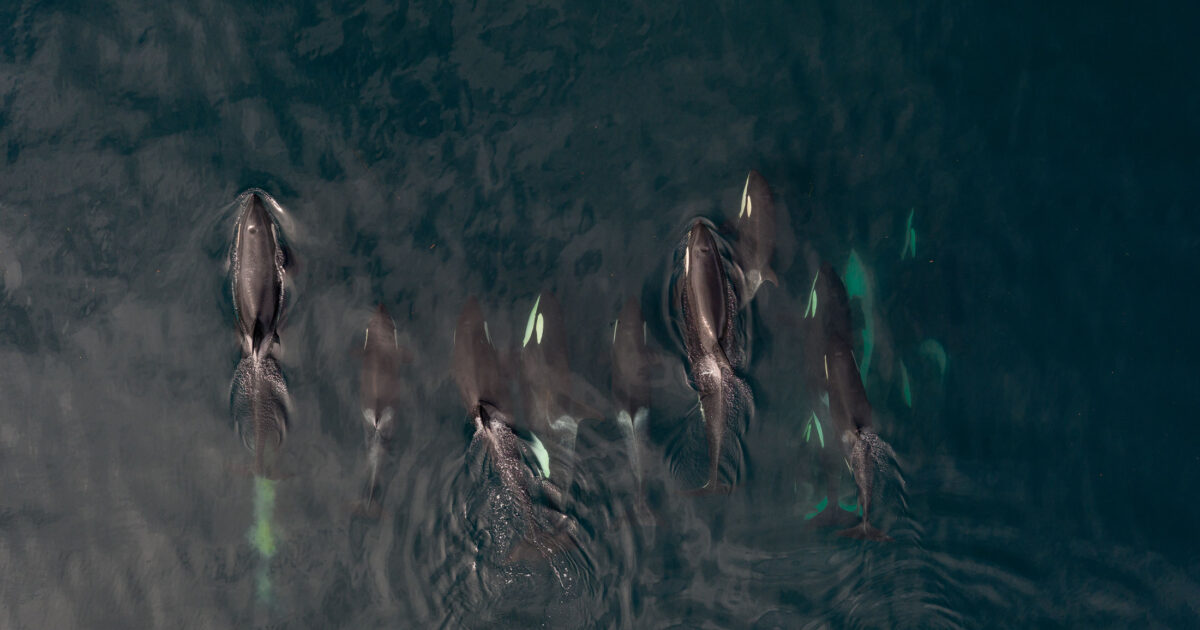
Overhead photo of a pod of killer whales swimming in the ocean.
Photo by Raincoast Conservation Foundation, taken under SARA Research License XMMS-2-2022.
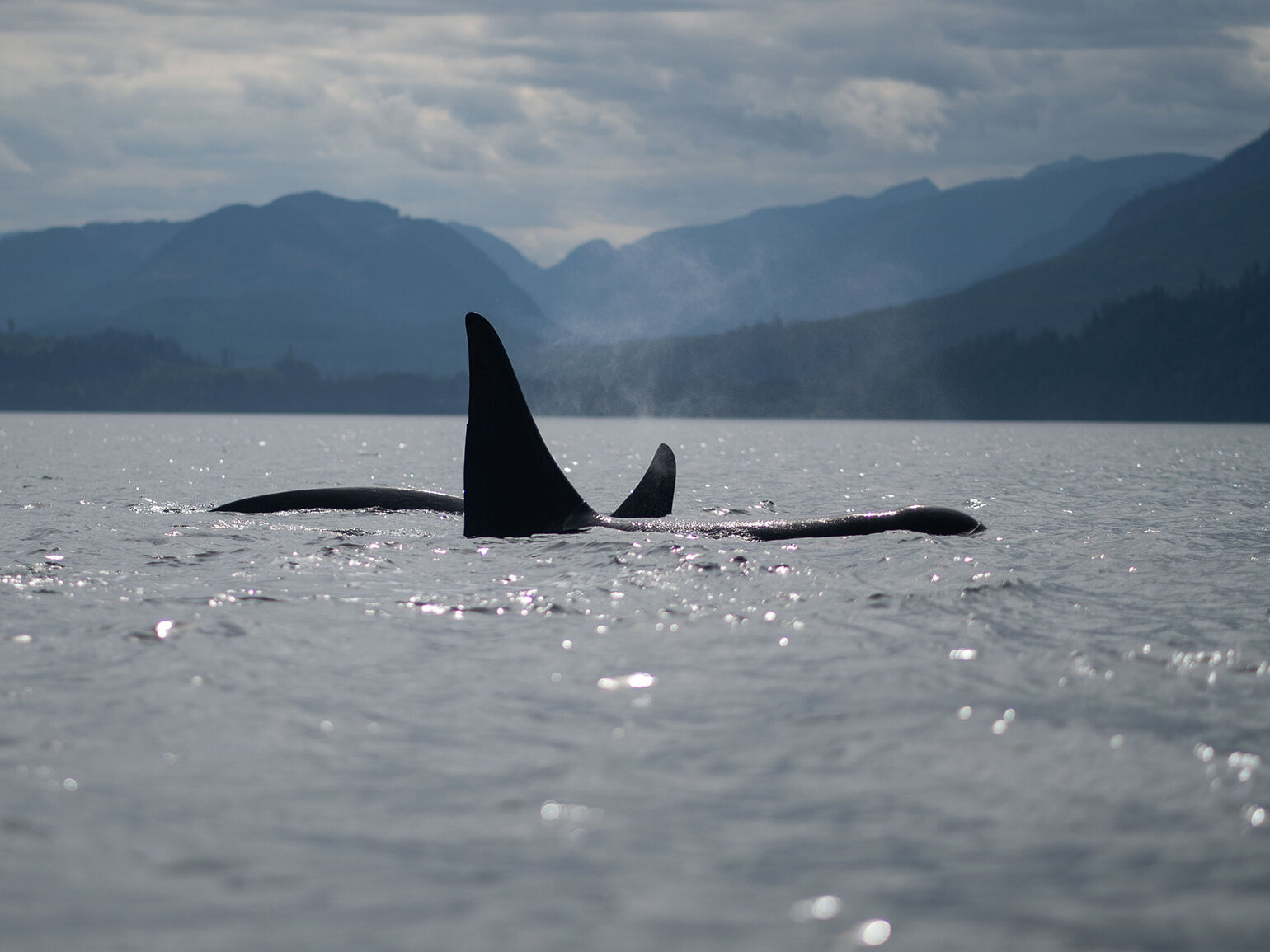
Two killer whales surfacing on the ocean.
Photo by John Kelsey.

Killer whale population health and dynamics

Killer whales live in small populations that from their size alone would appear to be vulnerable to negative effects of inbreeding.  We recently sequenced the entire genomes of 142 members of the Northern Resident population to directly  assess inbreeding, genetic diversity, and immune system strength. We are comparing this information in this dataset to one for Southern Residents compiled by NOAA in the United States. This will help us gain insight into the comparative health of these important fish-eating populations of killer whales. We are also finalizing a study of inbreeding in marine mammal-eating Bigg’s killer whales, which will inform our understanding of similarities and differences between North Pacific killer whale populations.

Environmental DNA to aid research focused on wild salmon and coastal wolves

Our research on wild salmon and coastal wolf populations has the potential to be expanded through the use of environmental DNA (eDNA) monitoring and analysis. Through eDNA, we can track and assess salmon populations and determine abundance and diversity. Using wolf scat samples we can identify specific individuals, their sex, and the prey consumed. By learning more about these important populations, we hope to drive policy change to protect biodiversity.

Research scientist Adam Warner holding two small beakers while wearing a lab coat in a lab.
Photo by Alex Harris / Raincoast Conservation Foundation.

Recent articles

Lia Chalifour walks through the tall grass of the Fraser Estuary hauling her equipment for the salmon ear bone study.

Unpacking new research on the Fraser Estuary’s importance to Chinook salmon

A new paper, “Chinook salmon exhibit long-term rearing and early marine growth in the Fraser River, B.C., a large urban estuary,” has highlighted the importance of the Fraser estuary as critical habitat for Chinook salmon. The researchers used salmon ear bones, or otoliths, to study how juvenile salmon were using the Fraser estuary, and found…
Two people holding a net while doing fish research on a cloudy day

Fraser River juvenile salmon, upstream and in the estuary

Wild Salmon Research Assistant, Paige Roper, shares about Raincoast’s recent work in the Harrison River.
Spirit Bear sleeping in the moss.

Guardians of the Coast: The next generation of stewards
In this last session of Coastal Insights, we will be joined by some of the inspiring young leaders who are taking action in their communities to sustain and protect the coast.
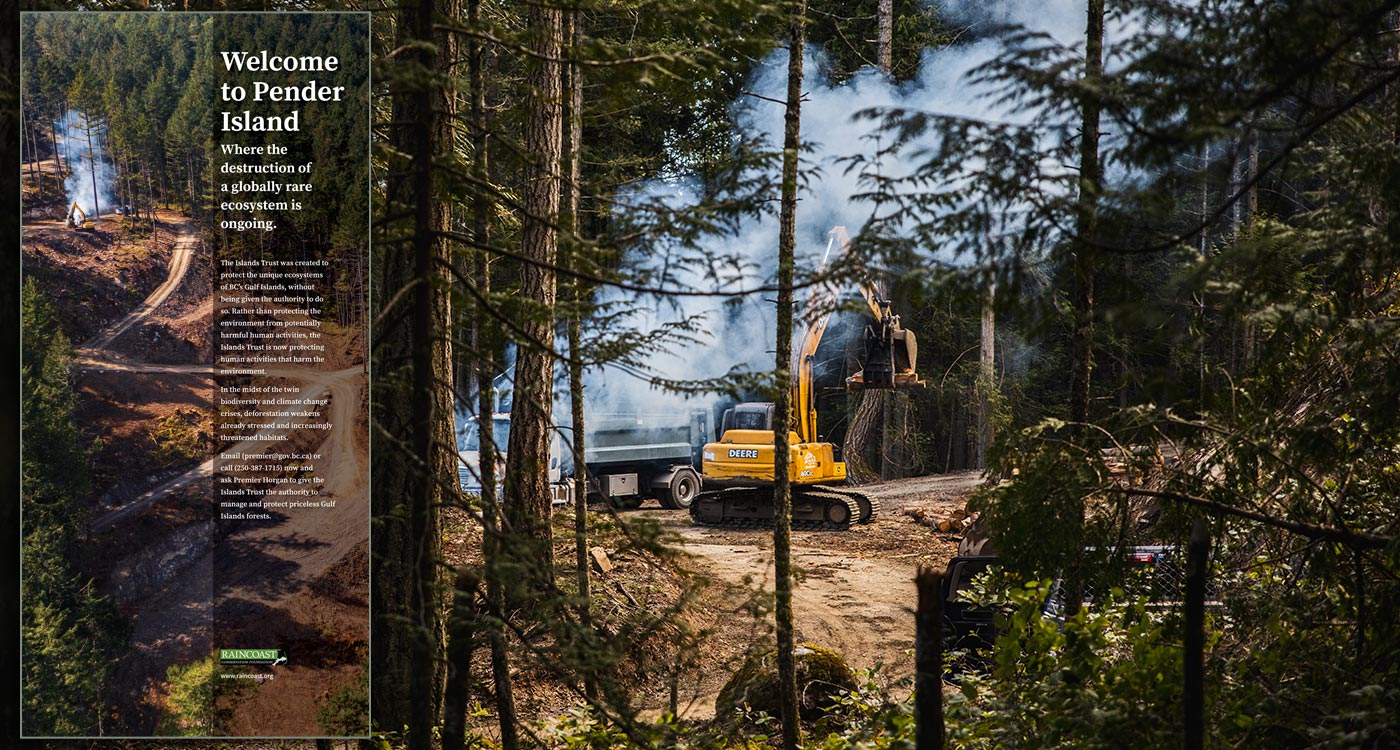
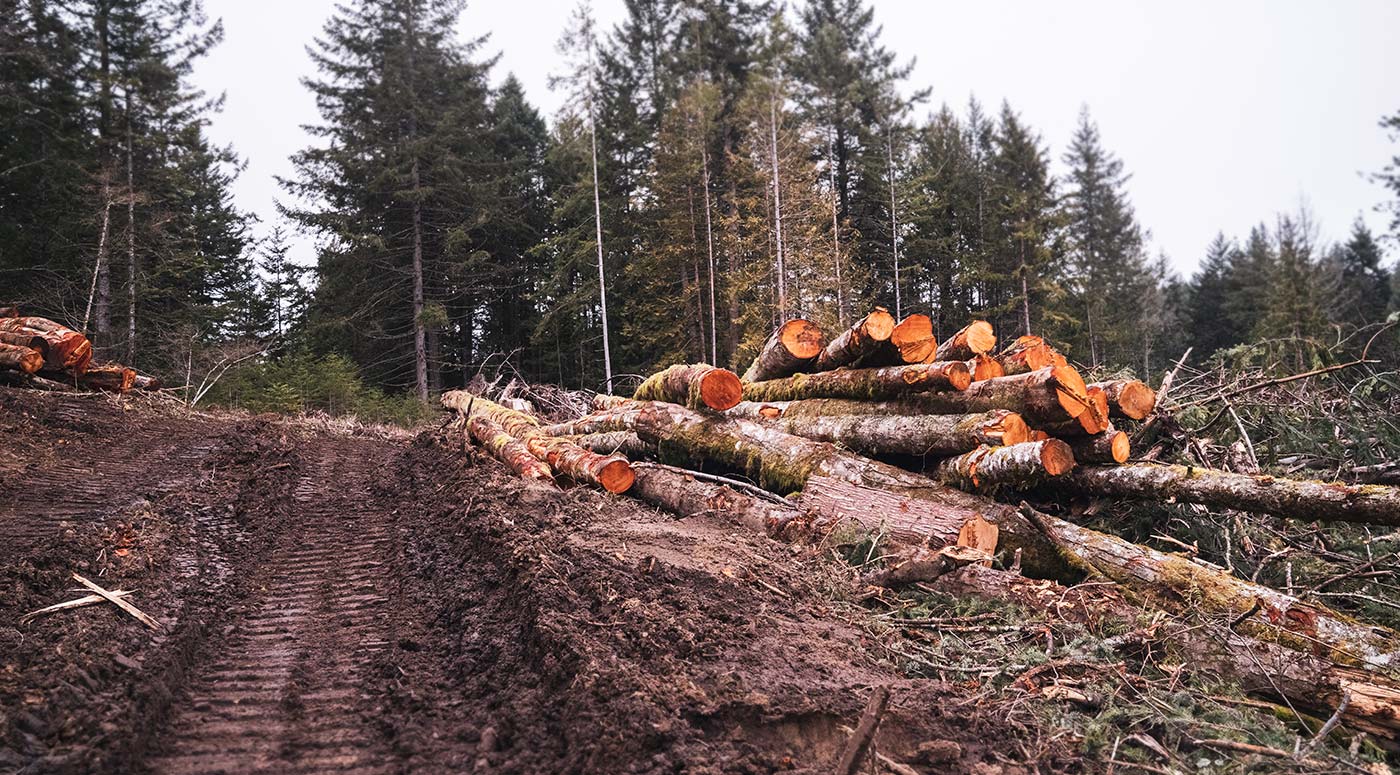
A backhoe works on a cutblock on Pender Island, with remaining trees and smoke scattered around the edge.

Welcome to Pender Island, where the destruction of a globally rare ecosystem is ongoing

The Islands Trust was created to protect the unique ecosystems of BC’s Gulf Islands, without being given the authority to do so. But rather than protecting the ­environment from potentially harmful human activities, the Islands Trust is now protecting human activities that harm the environment.
Southern Resident killer whale at the surface of the water at sunset.

Southern Resident killer whales need your voice
With the Canadian federal government set to decide on recovery measures for 2021, we have made it easy for you to send a letter to three federal ministers encouraging them to implement the strongest possible recovery measures to ensure the survival of Southern Resident killer whales.
A cutblock with a stack of logs from Salt Spring Island, in the Gulf Islands.

Islands 2050: What will the Gulf Islands look like in 25 years?

The preservation and protection of BC’s Gulf Islands “for the benefit of residents of the trust area and of the province generally” has been charged to the Islands Trust. However, recent decision-making has demonstrated that a majority of Local Trustee’s are focusing on different priorities. In February, Raincoast submitted feedback as part of a public engagement process seeking input on the Islands Trust Policy Statement in two areas: climate change and affordable housing within the Islands Trust area.
Behind the Glass Hunting logo floats over top of a stunning image of a cougar on a beach.

Behind The Glass Hunting with Chris Darimont and Chris Pryn
Chris Darimont spoke with hunter and podcaster Chris Pryn to discuss their shared interests in hunting and habitat protection, and also to figure out where they disagree. It’s a remarkable interview, in part, because both Darimont and Pryn work so hard to have a respectful conversation despite their differences.
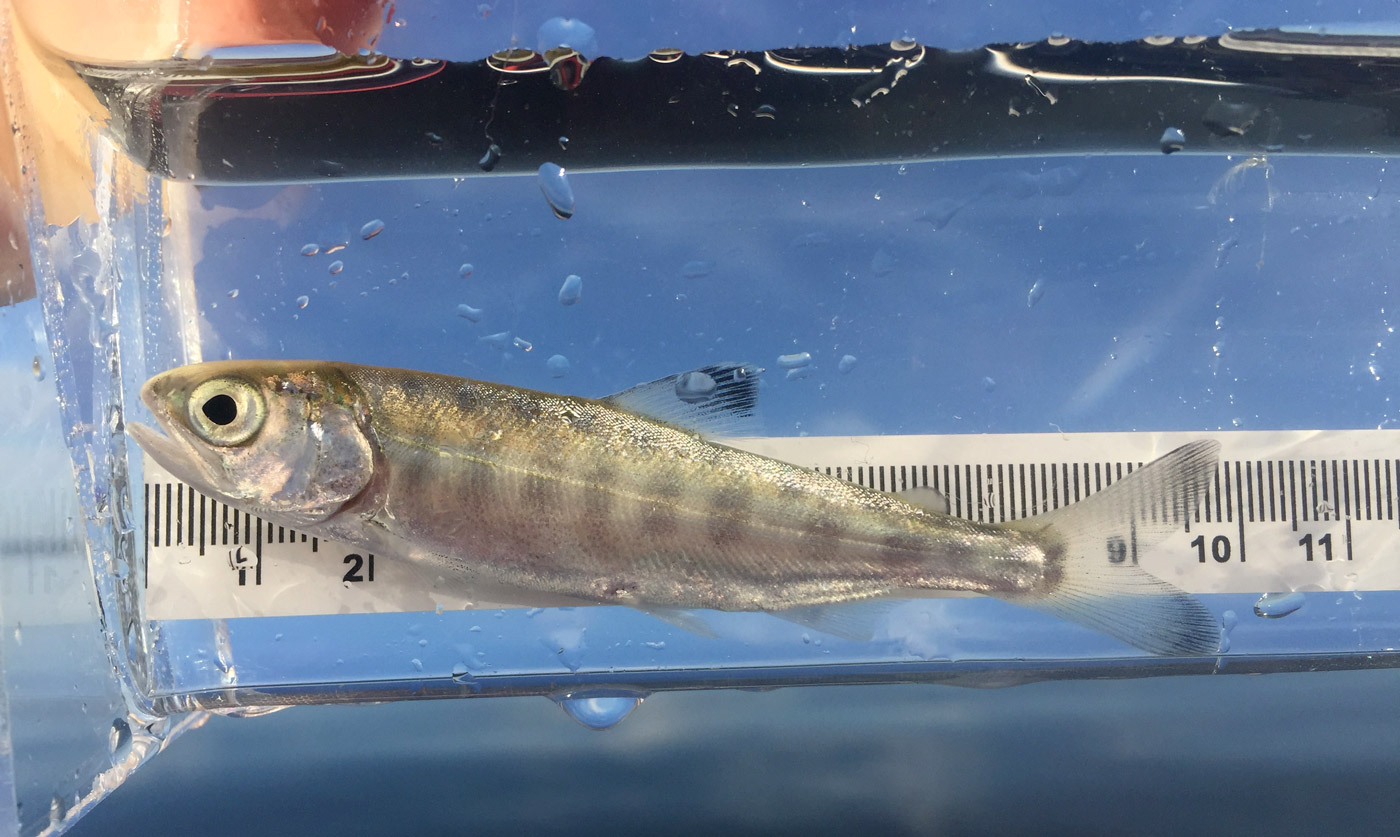
A juvenile Chinook salmon is measured in a clear container with water with the estuary in the background.

Otolith study confirms Harrison Chinook salmon rely on the Fraser River Estuary for early growth

Chinook salmon from the Harrison River, which was declared Canada’s first Salmon Stronghold, do something unique; rather than growing in their home lake and river system for the first year or more as many other salmon do, these fish go on a great adventure.