

Please enjoy our listing of events with Raincoast Conservation Foundation and our communities. We have webinars, talks, meetups, estuary discovery walks, and more.
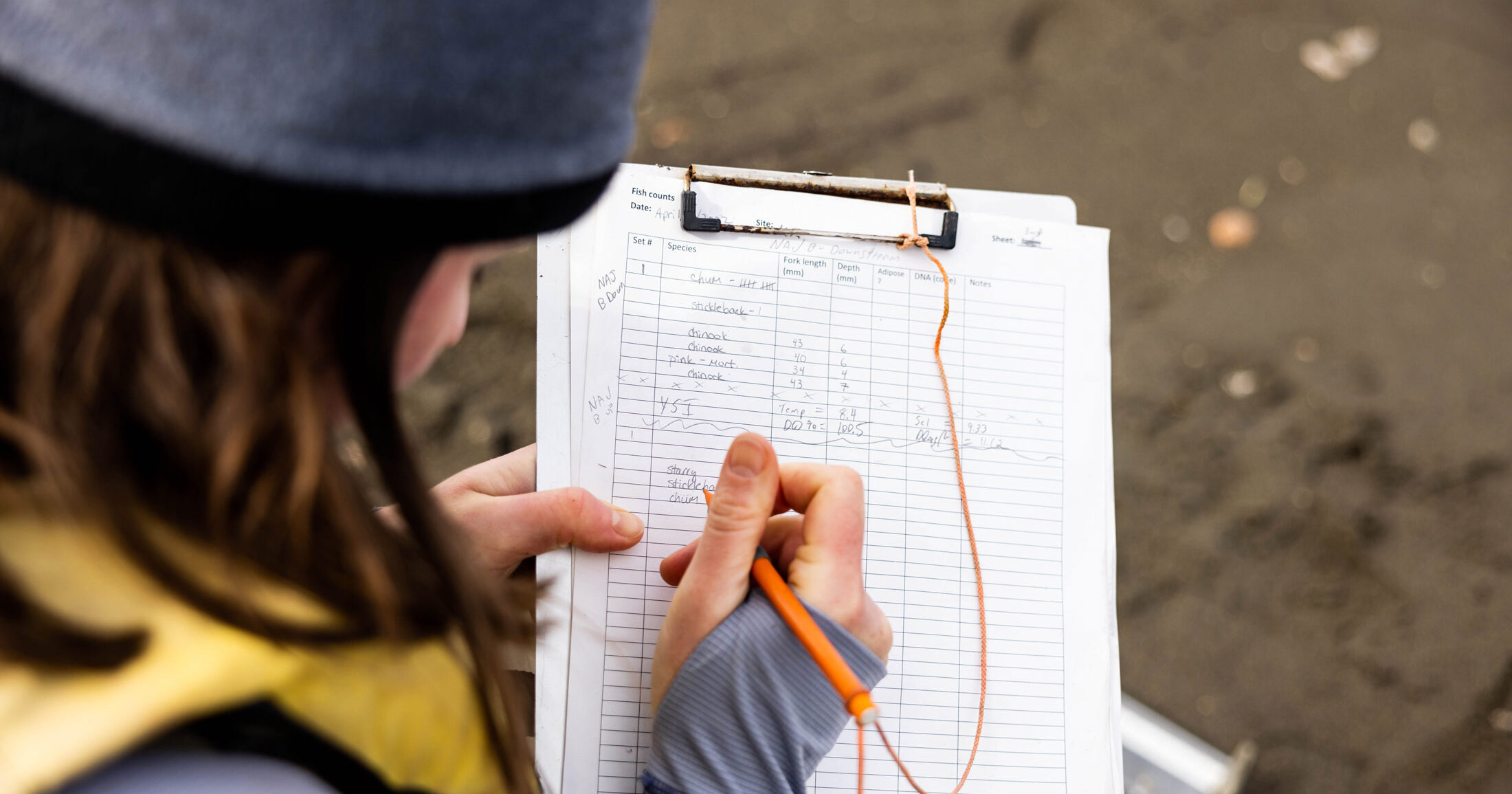
Raincoast Conservation Foundation is seeking Conservation Technicians to assist with fieldwork for our Wild Salmon Program. Technicians will play a crucial role in gathering data on juvenile salmon presence, migration timing, and their utilization of various estuary habitats.

Southern Resident killer whales are identified as Endangered under the Species at Risk Act. As of December 2023, only 75 individuals remain, and supporting their recovery is a key priority. You can help by providing input. Policy and practice guidance from Raincoast is forthcoming.
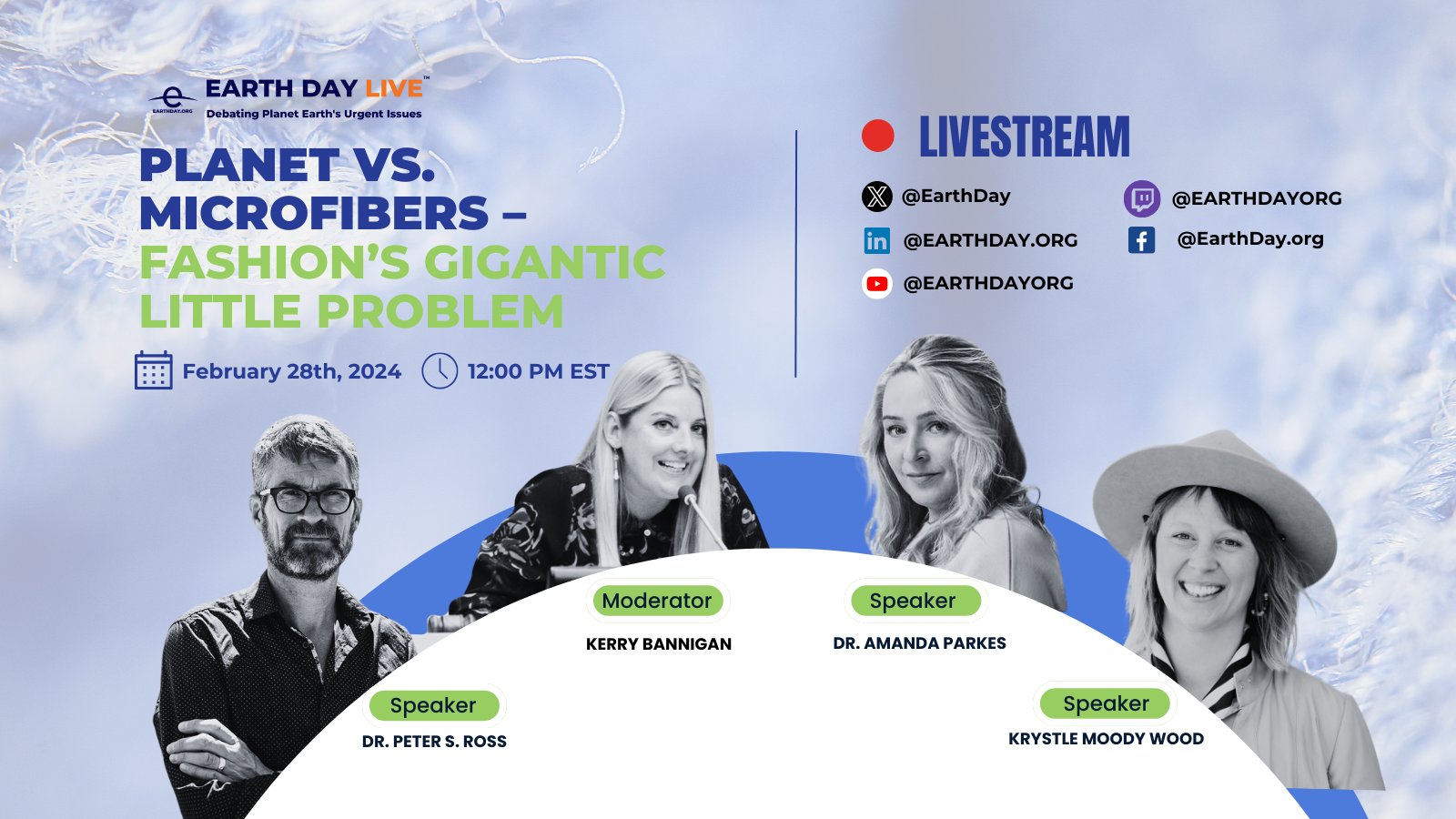
In this webinar, we look at the remarkable work of scientists who have traced the pervasiveness of microfibers at the farthest edges of the globe, who are guiding governments in confronting this crisis and who are, through invention, designing a new path for the sake of the planet.

This ONE-DAY training will teach you about underwater sound, commercial vessels and mitigating underwater radiated noise.
This ONE-DAY training will teach you about underwater sound, commercial vessels and mitigating underwater radiated noise.
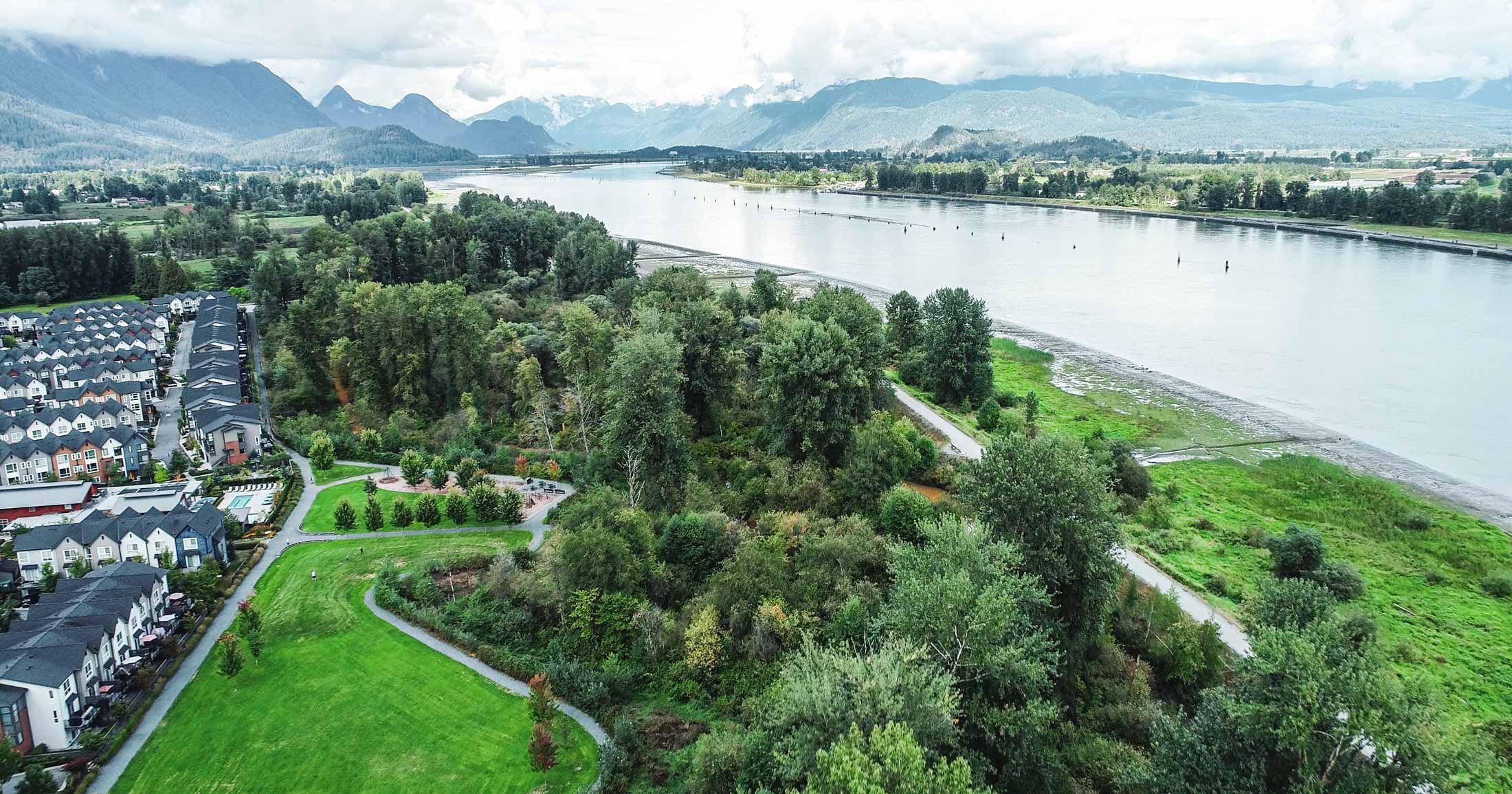
Kristen Walters and Auston Chhor will be attending the Environment Flows Conference in Kelowna! Watch out for for both Kristen and Auston from March 12 to March 15.
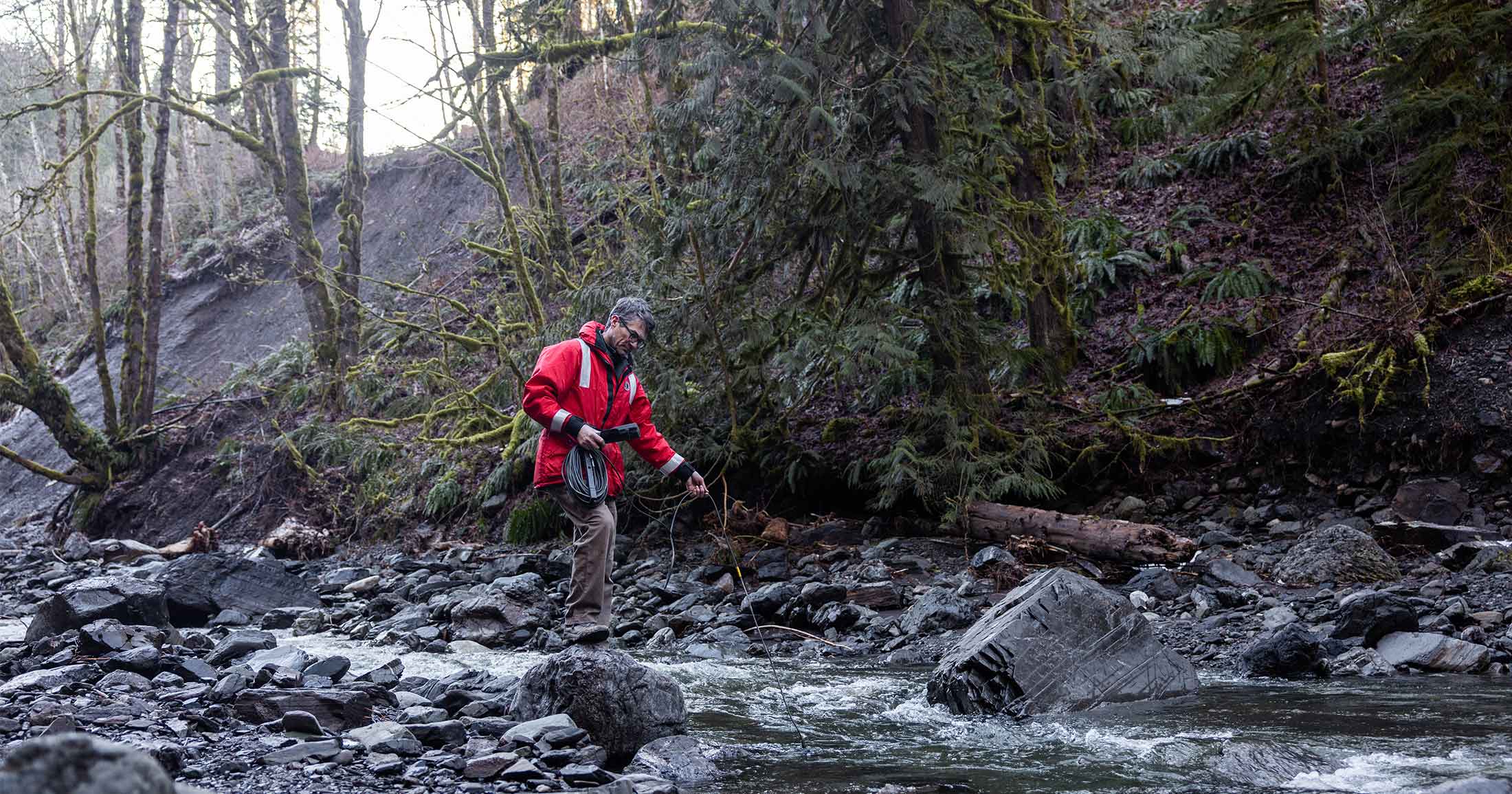
Auston Chhor will be presenting on his Nicola water project: Examining flows, water temperatures, and water licencing in the Nicola watershed under the Water Sustainability Act.

Raincoast is looking for an intern to assist with ecological monitoring on conservation properties on Pender Island, BC.
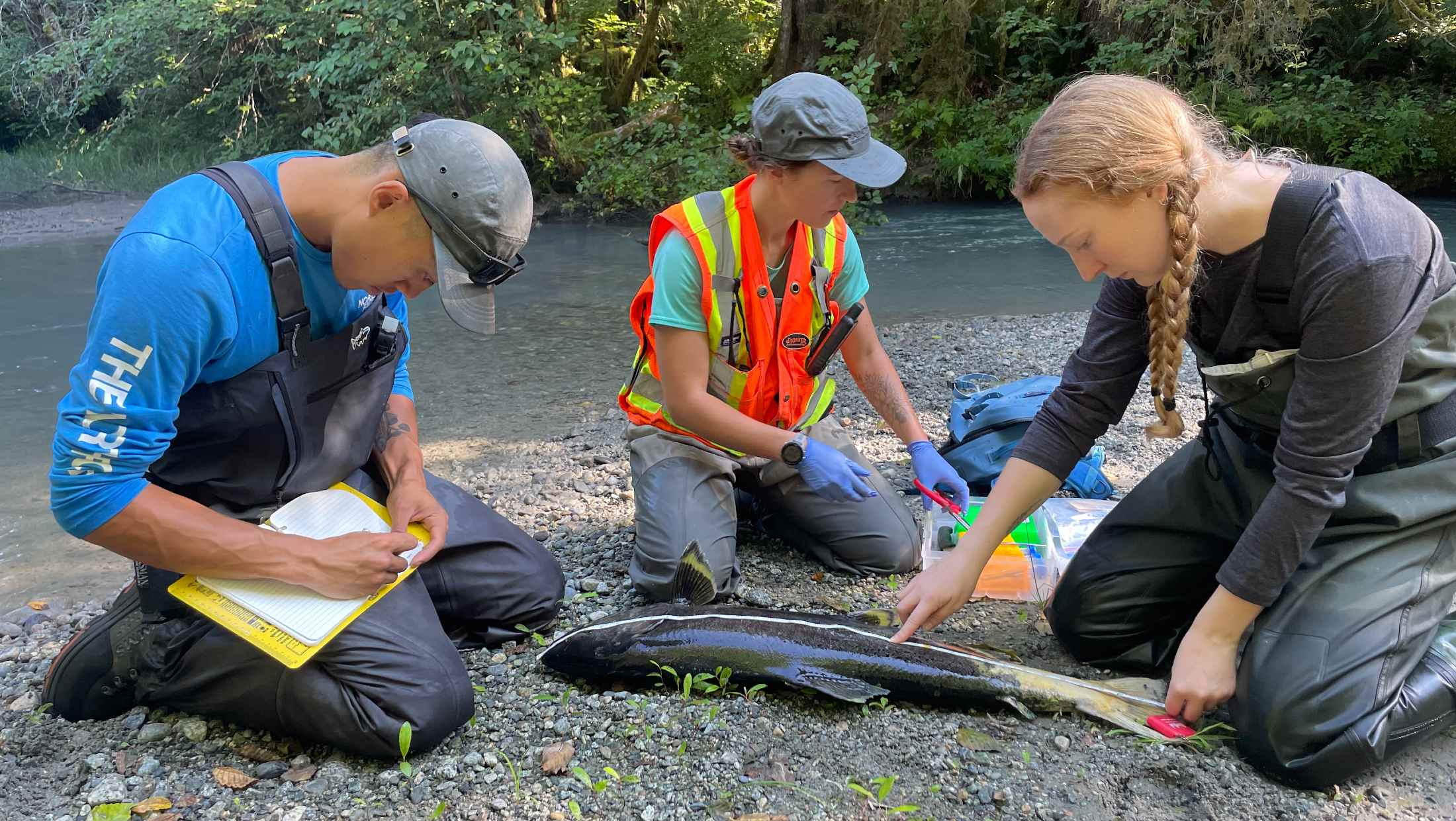
Auston Chor does a family friendly "walk and talk" about salmon conservation and science.

Dr. Peter Ross, Senior Scientist and Healthy Waters Program Director, Raincoast Conservation Foundation on contaminants present in killer whales in the Salish Sea.
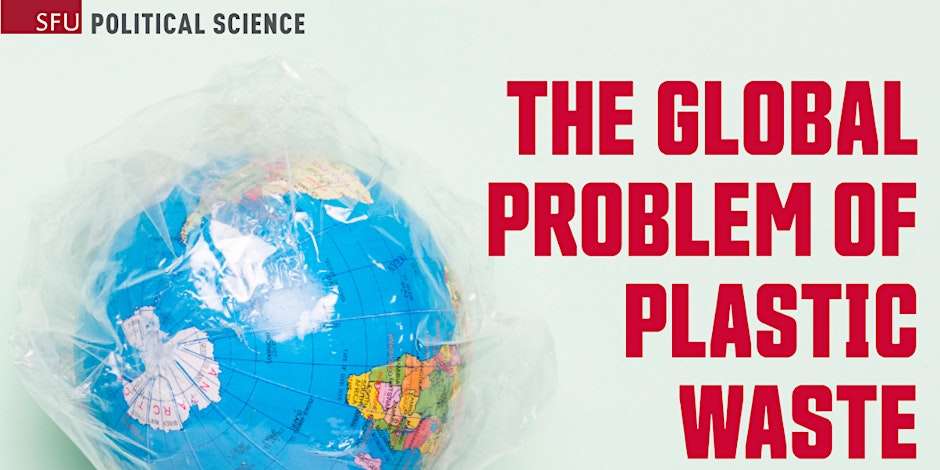
A public forum on how you can be a part of the solution when it comes to combating plastic waste.
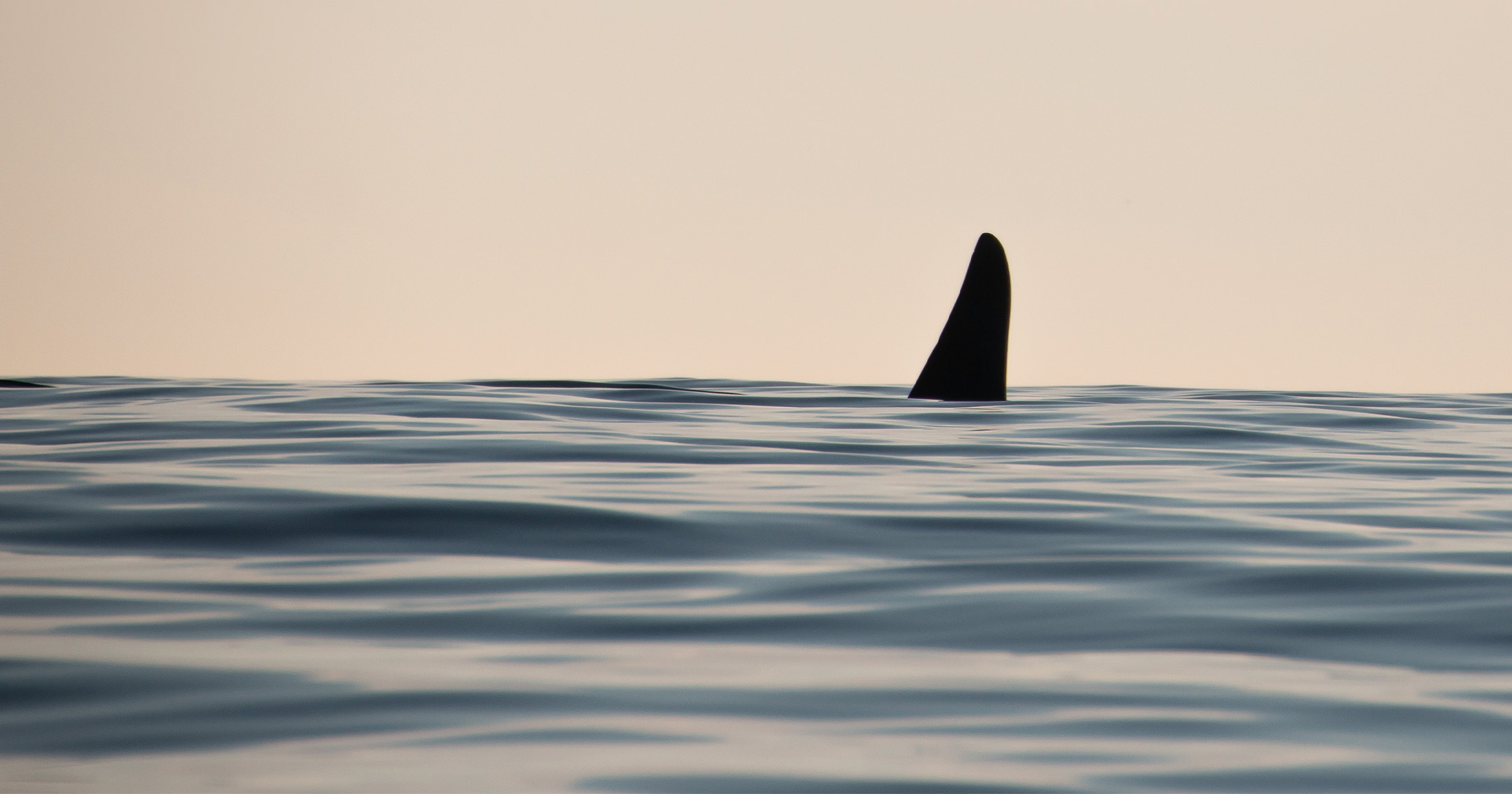
It makes sense for Canada to equally legislate a 1,000 meter vessel buffer for recreational and commercial whale-watching vessels to match the protections provided by Washington State.