Guide government action for Southern Resident killer whale recovery before Feb 19
The federal government is accepting your input through a survey, for this year’s recovery and threat reduction measures for Southern Resident killer whales.

Misty MacDuffee is a biologist with Raincoast's wild salmon program. She has spent over 20 years working in watersheds on BC’s coast advocating for the protection of salmon-based ecosystems. Misty’s work focuses on salmon management and the need to consider whales, bears and other wildlife within fisheries management. More about Misty.
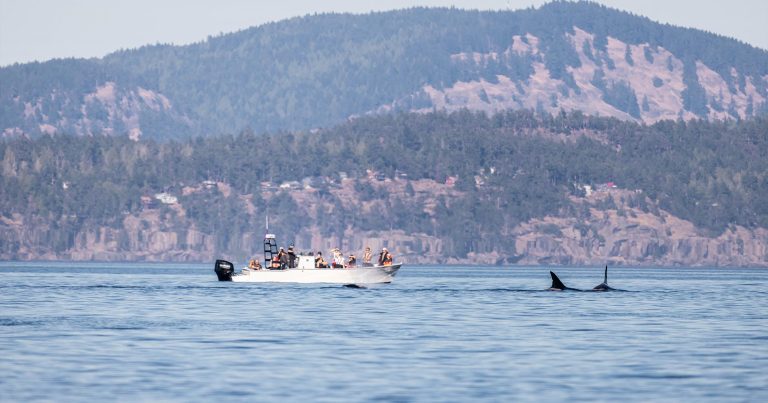
The federal government is accepting your input through a survey, for this year’s recovery and threat reduction measures for Southern Resident killer whales.

Spirits of the Coast brings together the work of marine biologists, Indigenous knowledge keepers, poets, artists and storytellers, united by their enchantment with the orca.
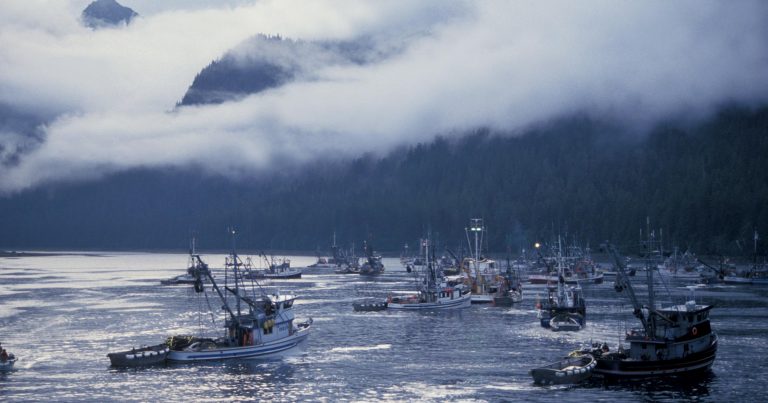
World Fish Migration Day celebrates the wonders of migratory fish and raises awareness of the many obstacles that can prevent them from reaching destinations in the rivers and the spawning grounds they seek.
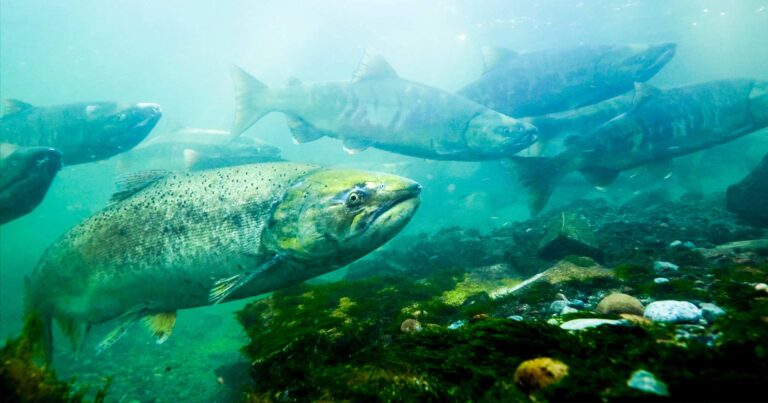
Globally, only 15.5% of the world’s coastal regions remain ecologically intact. In British Columbia, the Fraser River Estuary has already lost 85% of its floodplain habitat and over 100 species that live there are at risk of extinction. Now, they face another threat.
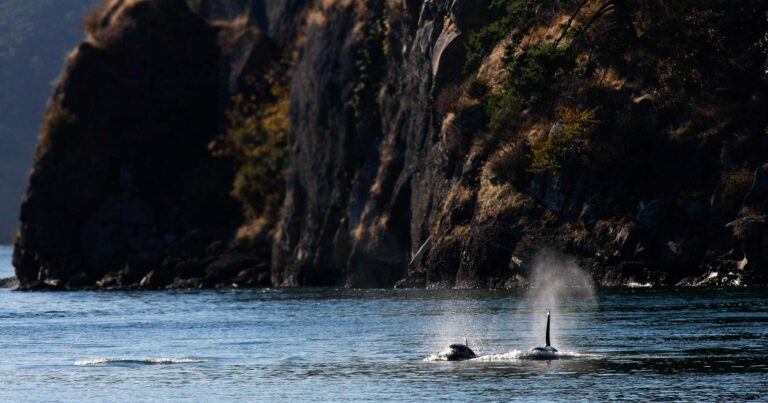
2021 was the third year of collaborative efforts by the federal government, NGOs, and stakeholders to implement threat reduction measures.

The Soul of the Fraser by Ken Ashley, Director of the British Columbia Institute of Technology (BCIT), tells the story of the important intertidal habitat in the Fraser River Estuary.

In partnership with the Pender Islands Conservancy, we need to raise $395,000 to purchase a 13 acre property on North Pender Island…
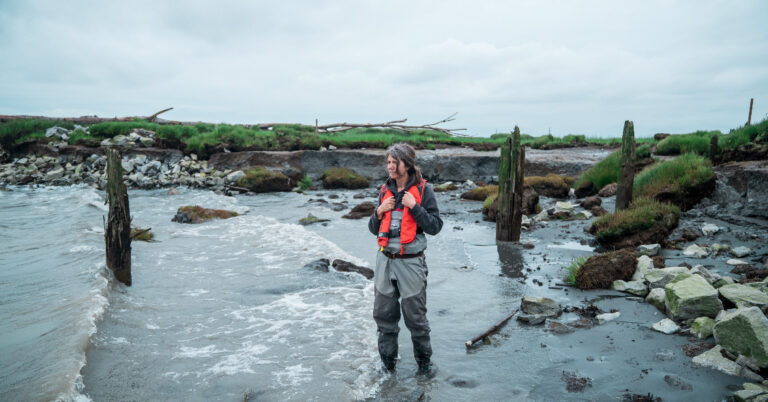
In a six page letter (PDF) to the CEO of the Vancouver Fraser Port Authority, Canada’s minister of Environment and Climate Change, Jonathan Wilkinson, requested more information from the Port to assess the effectiveness of mitigation efforts in the proposed expansion of Terminal 2 on Roberts Bank. Wikinson’s letter conveyed the panel’s conclusion about likely adverse effects to fish, fish habitat and other at-risk species if Terminal 2 proceeds…

The book was produced to accompany the Royal BC Museum’s 2020 feature exhibition Orcas: Our Shared Future which, due to the pandemic, is rescheduled to now open in May 2021…

Hatcheries have failed to protect or restore the old ages, big sizes, range of migration times and diversity of wild Chinook salmon. For Southern Residents to recover, the age structure and run timing of wild Chinook runs, along with abundance, need to be restored. This is not the objective of hatcheries…

On May 10, the Canadian federal government announced its first wide-ranging measures to reduce the primary threats compromising survival of the salmon-eating Southern Resident killer whales reliant on the transboundary waters of the Pacific Northwest and British Columbia. Although federally listed as endangered in 2003 in Canada and 2005 in the US, little has happened…

The Fraser River in British Columbia remains one of the world’s most productive salmon rivers. Equally significant is the Fraser River’s estuary, which serves as vital habitat for fish, bird, and mammal species that are linked across thousands of kilometers of the Northeast Pacific Ocean. All Fraser River populations of salmon…