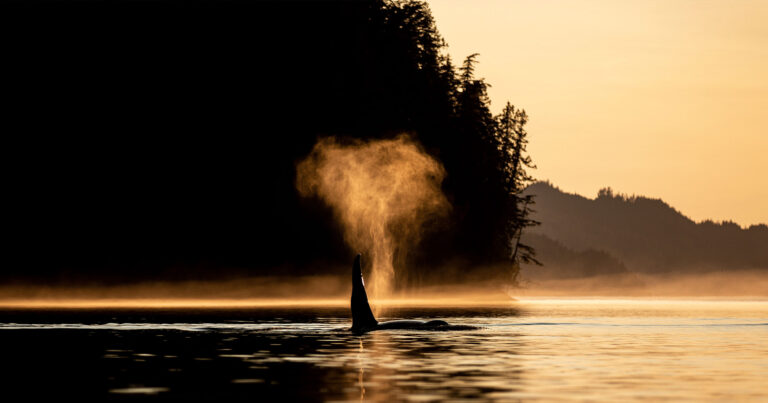
Bright extinction: Scientists have coined this term to describe the situation facing Southern Resident killer whales
Worrying signs of an accelerated decline in Southern Resident killer whales.
Misty MacDuffee is a biologist with Raincoast's wild salmon program. She has spent over 20 years working in watersheds on BC’s coast advocating for the protection of salmon-based ecosystems. Misty’s work focuses on salmon management and the need to consider whales, bears and other wildlife within fisheries management. More about Misty.
Worrying signs of an accelerated decline in Southern Resident killer whales.
Mitigation in the Biological Opinion fails to address impacts to Southern Resident killer whales and Chinook salmon recovery.
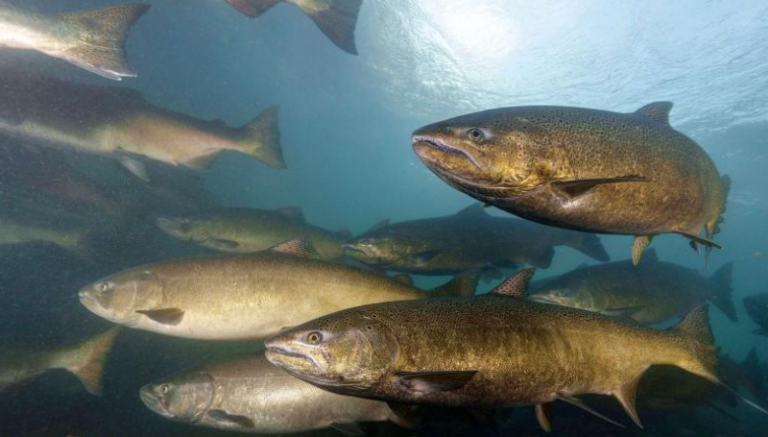
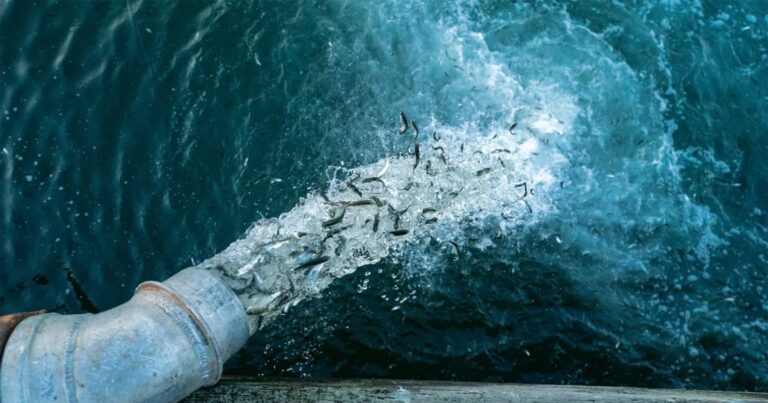
Raincoast argues that the Puget Sound hatchery program does little to solve the prey problem for Southern Residents.
In 2020, the non-profit Wild Fish Conservancy (WFC) filed a lawsuit in the U.S. District Court that challenged the 2019 Biological Opinion developed by the NOAA fisheries.
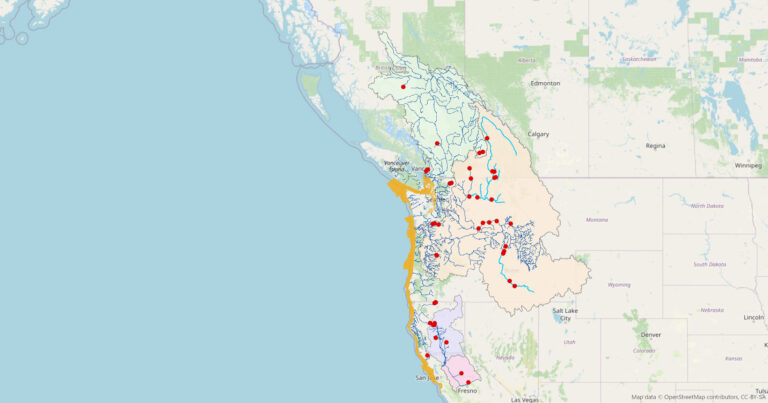
We have mapped the watersheds that feed into critical habitat for Southern Resident killer whales. Protecting these rivers is directly linked to the recovery of critically endangered whales.
The provincial government has a choice. They either act in their role to protect the integrity of south coast ecosystems in BC and their importance to our culture and economy, or they continue to make, and support, decisions that further their decline.
Last week, Raincoast sent a letter in support of the US District court decision to halt the Southeast Alaska troll fishery during the summer and winter seasons. The SEAK troll targets migrating Chinook, over 90% of which are not salmon from Alaska. These Chinook are prey for endangered Southern Resident killer whales as they migrate…
This letter was written by Raincoast Wild Salmon Program Director Misty MacDuffee in support of the US District Court decision to halt the Southeast Alaska troll fishery during the summer and winter seasons.
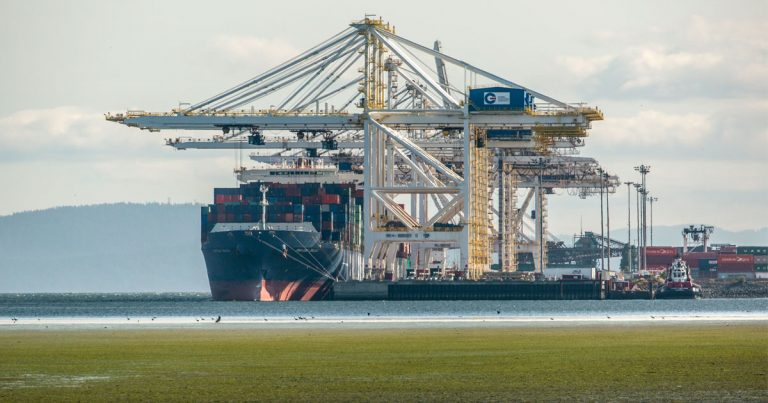
In approving Terminal 2, the federal government has seemingly ignored the findings of their own review process, which found the project will have lasting effects on threatened Chinook salmon and endangered southern resident killer whales.
In May, 2023, a US federal judge issued a ruling to halt the troll fishery off southeast Alaska’s west coast, saying the permits that enable the fishery do not properly protect endangered Southern Resident killer whales.
We created this map to emphasize the relationship between the recovery of Southern Resident killer whales and the recovery of wild Chinook salmon.
The federal government is accepting your input through a survey, for this year’s recovery and threat reduction measures for Southern Resident killer whales.