A better, older way to fish for salmon
Our new animation highlights solutions to the problems in conventional fisheries.


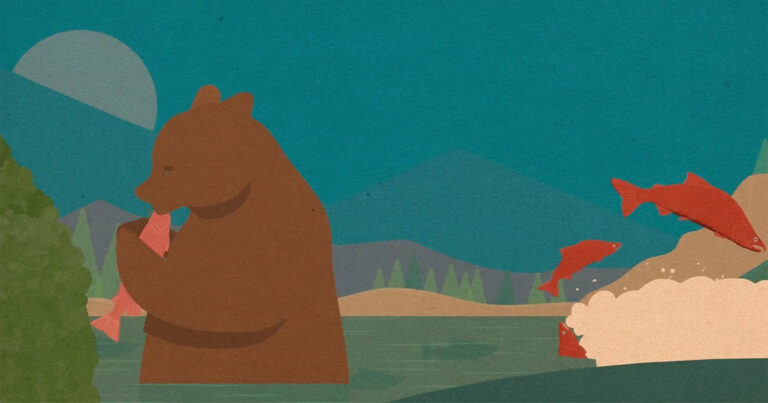
Our new animation highlights solutions to the problems in conventional fisheries.
Our new animation sheds light on the work we do to protect wild salmon.
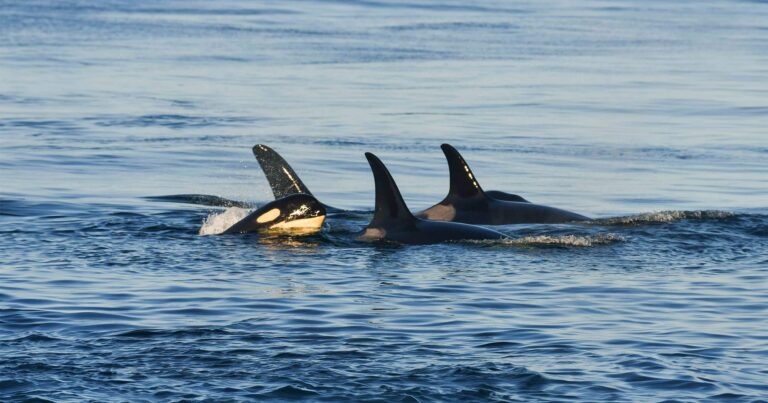
The study reveals more action is needed to save endangered Southern Residents.
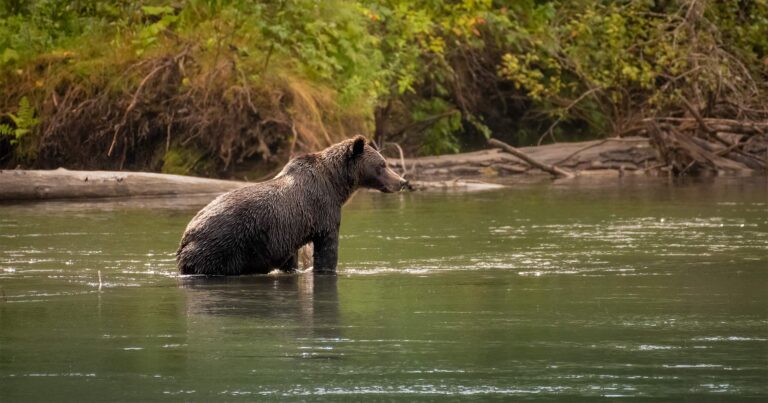
A new study, “Influence of ecotourism on grizzly bear activity depends on salmon abundance in the Atnarko River corridor, Nuxalk Territory” released today in the journal, Conservation Science and Practice, finds that grizzly bear activity is affected by ecotourists in diverse ways that depend on how many salmon are present in the ecosystem. When salmon…
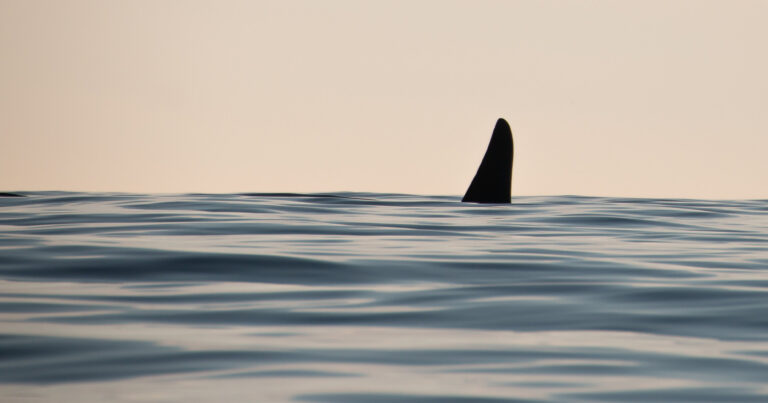
We need to reach 500 signatures by April 21st, 2024 on our House of Commons petition to the Minister of Fisheries and Oceans Canada, Diane Lebouthillier.
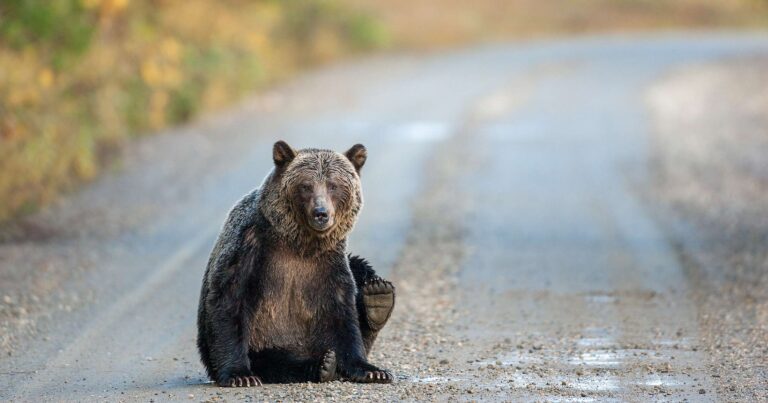
A new study found that disturbance in riparian areas disrupts predator-prey interactions between grizzly bears and salmon.
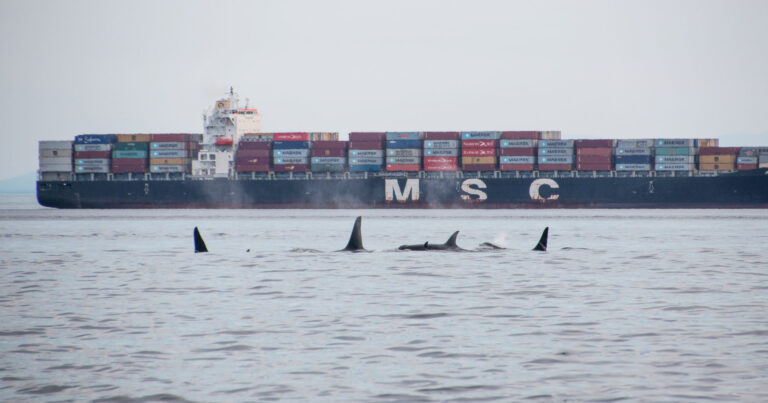
Donate and help us unite hydrophone operators along the pacific coast to increase science-based decision making to reduce noise impacts on marine life, and inform the public about anthropogenic noise.

Applications close March 15th, 2024

Erin recently joined the Raincoast’s Cetacean team as a postdoctoral fellow to research humpback whales through her project “Singing to be heard.”
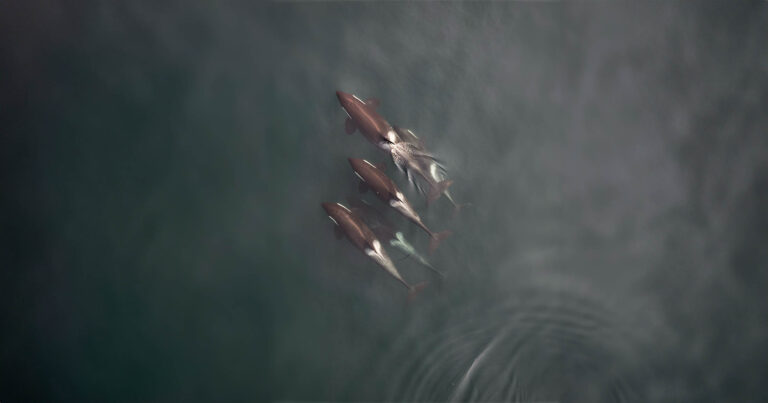
This federal survey will take around 20 minutes.

British Columbia must reevaluate its caribou habitat protection policies and do better by its environment and its citizens, argues Raincoast scientists.

Adam has joined our Cetacean Conservation Program to head up Raincoast’s new Conservation Genetics Lab.