New research shows the impact log booms have on salmon habitats in the Fraser Estuary
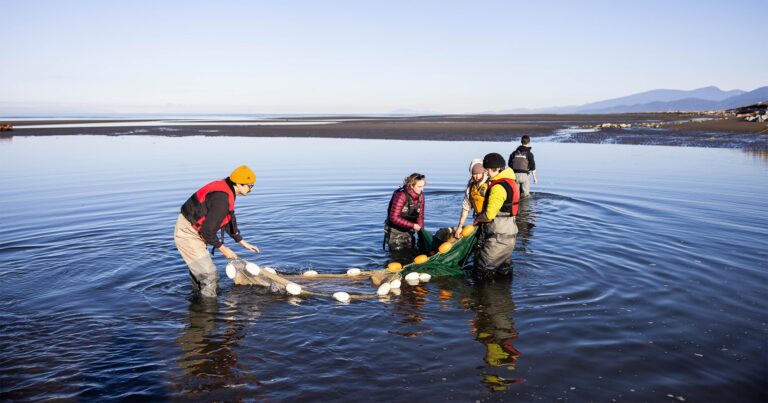
The study found that log booms impact physical habitat, water quality, and invertebrates in the lower Fraser River and Estuary.



The study found that log booms impact physical habitat, water quality, and invertebrates in the lower Fraser River and Estuary.

Raincoast uses drones to study killer whale health…and we always put photography ethics, including the well-being of the whales, first.
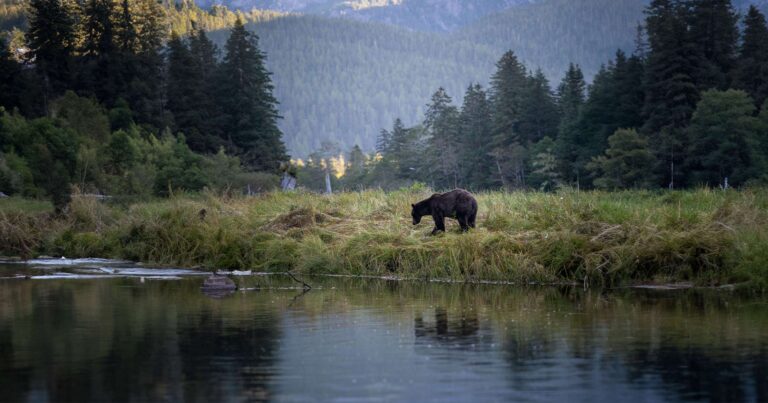
The research found that bears can avoid ecotourists and take multiple weeks after encounters to return to their baseline activity levels. This new information can help fine-tune bear management and sustainable business practices.
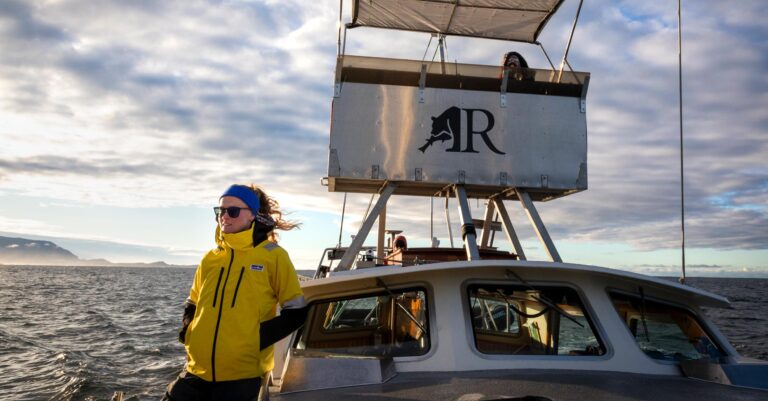
Marlie has joined the Raincoast team to assist with Development.
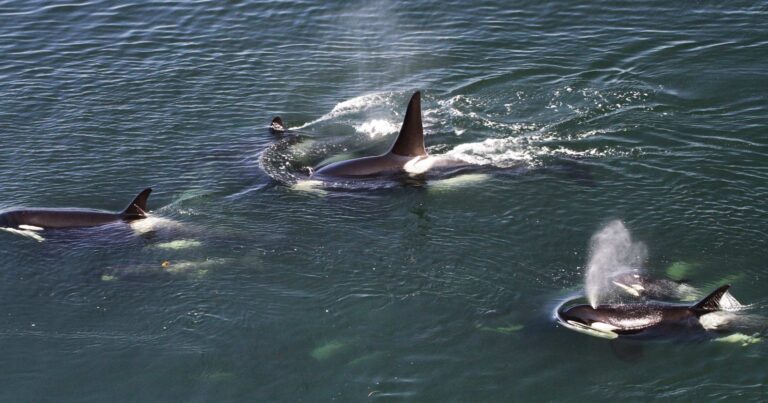
With intensifying threats, emergency protections for endangered killer whales are necessary.
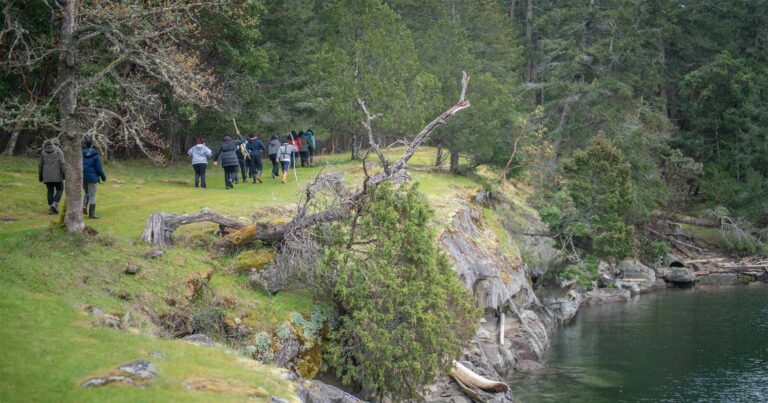
Our goal is to inspire and train the next generation of conservation stewards through land-based, at-sea, and online programming.

Last week, Ocean Wise made the decision to remove its recommendation to list salmon from southeast Alaska as sustainable. This removal will be in place until the sustainability of these fisheries is no longer in question.

Take action! Your feedback can make a difference.

In May of 2024, Raincoast, along with five other conservation groups (David Suzuki Foundation, Georgia Strait Alliance, Living Oceans, Natural Resources Defense Council, and World Wildlife Fund Canada) filed a petition with the federal government to implement an emergency order.

We are accepting nominations for worthy individuals and groups striving to protect lands, waters, and wildlife through science, Indigenous Knowledge systems, and public engagement.

This compelling campaign film, with its epic surf montages, is now available to watch for free online.
Raincoast is able to provide workplace experience while progressing our conservation work.