What does a wolf eat in a year?
By analyzing wolf scat, we can identify prey items and track seasonal feeding patterns, providing critical insight into predator–prey relationships and ecosystem dynamics.
What does a wolf eat over the course of a year? How can we find out? Through scat analysis!
As we head into 2026, we wanted to share some results from our scat analysis work documenting what recovering wolf populations eat throughout the seasons. While it’s well known that wolves have a strong appetite for hoofed animals such as elk and deer, their diet is far more diverse. Wolves regularly consume smaller mammals, birds, fish, and even other carnivores, depending on availability and season.
Since 2022, we have been collecting non-invasive genetic samples of wolf scat and extracting DNA to determine what makes up their diet. So far, our results show that wolves in our study area feed on at least 17 distinct prey species, including two species of Pacific salmon – Chinook and coho, Roosevelt elk, black-tailed deer, black bear, bobcat, Douglas squirrel, snowshoe hare, mink, beaver, river otter, muskrat, mouse, sooty grouse, ruffed grouse, thrush, and threespine stickleback. This video is a compilation of these prey species, minus the sooty grouse and threespine stickleback.
All of these species form an important part of the wolf diet, particularly when their primary prey – ungulates1 – are scarce or harder to access. Wolves are known to switch prey in response to changes in ungulate abundance, especially in regions where ungulates are naturally less common, migrate to areas where wolves cannot easily follow, or during seasons when alternative prey, such as salmon, become available. 23
In salmon-bearing watersheds, this seasonal variation is especially pronounced. During late summer and fall, many coastal wolves shift their diet significantly toward salmon, a high-calorie resource that can temporarily reduce predation pressure on hoofed wildlife. This seasonal switching not only highlights the adaptability and ecological intelligence of wolves, but also underscores their deep connection to both terrestrial and aquatic ecosystems.45

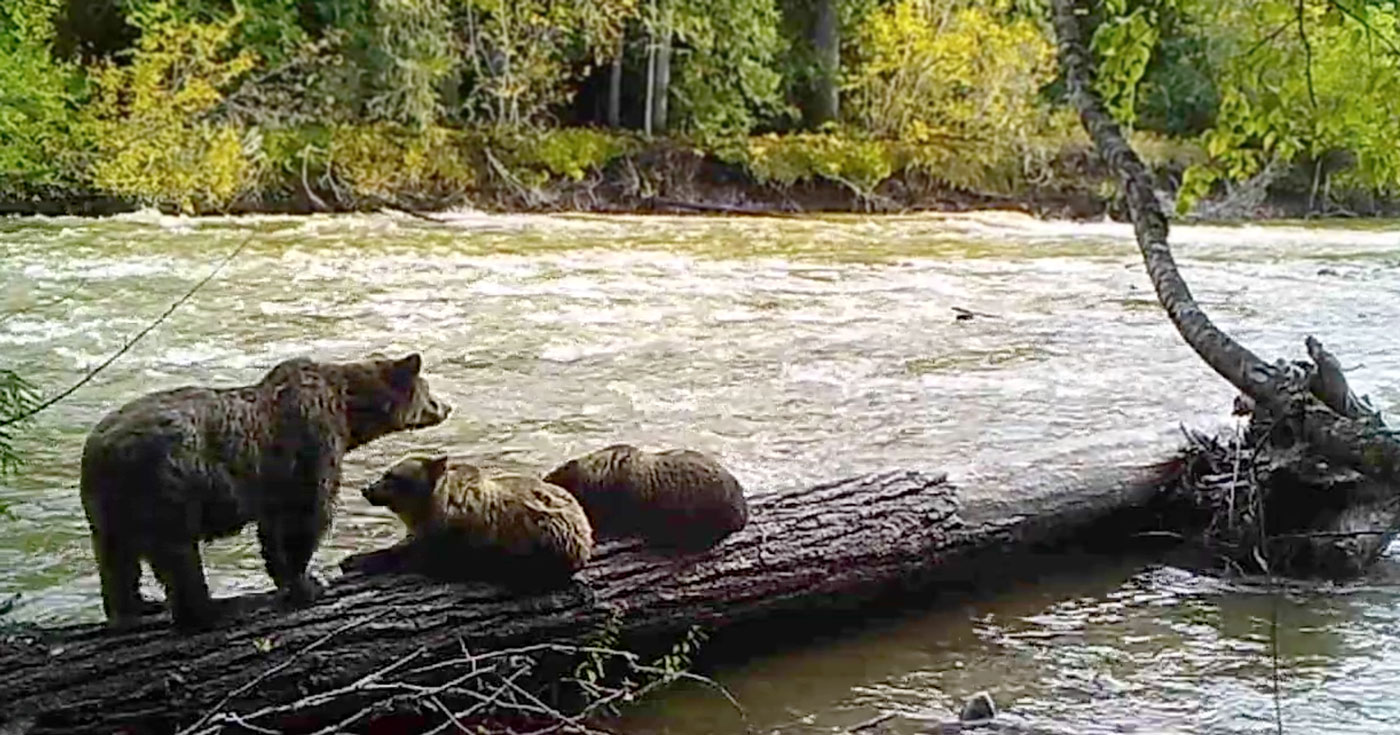
Photo by Marlie Temple.

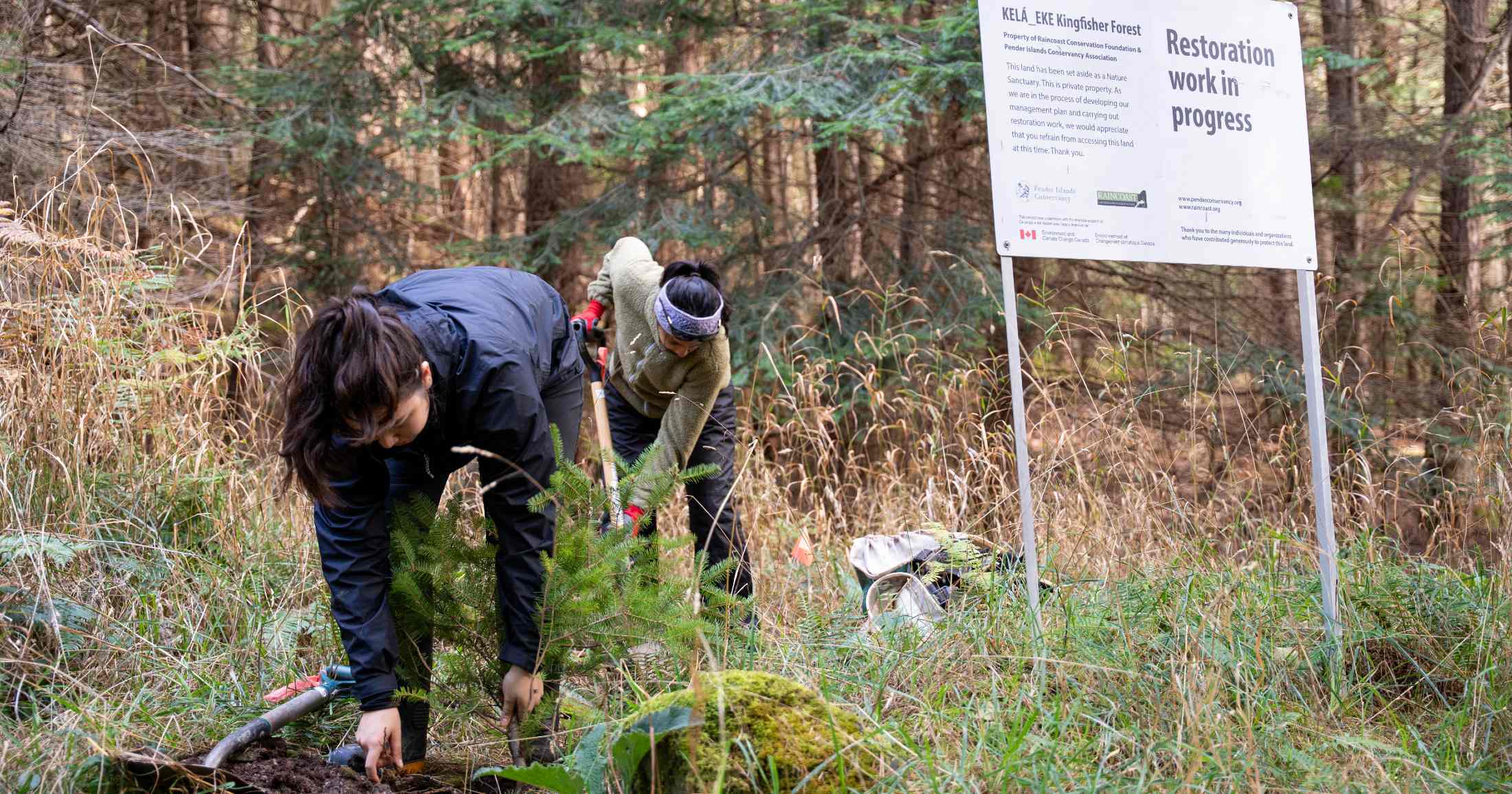
Photo by Chelsea Greer.
Collecting wolf scat is a fundamental non-invasive method for understanding the diet, health, and genetics of wolf populations. By analyzing scat, we can identify prey items and track seasonal feeding patterns, providing critical insight into predator–prey relationships and ecosystem dynamics. Scat also contains DNA, allowing us to assess genetic diversity, relatedness, and the origins of individuals within the population. This approach is especially valuable for studying elusive, wide-ranging species like wolves, enabling researchers to gather rich ecological information without disturbing natural behaviour.678910
These videos were taken as part of a research project conducted in the territory of, and in collaboration with the q̓ic̓əy̓ (Katzie) First Nation to better understand predator-prey dynamics and the behaviour and ecology of large carnivores within their territory.
Notes and references
- A hoofed mammal, such as deer, elk, caribou, moose, mountain goat, bighorn sheep.
- Roffler GH, Allen JM, Massey A, Levi T. 2021. Metabarcoding of fecal DNA shows dietary diversification in wolves substitutes for ungulates in an island archipelago. Ecosphere. 12(1). doi:https://doi.org/10.1002/ecs2.3297.
- Darimont CT, Reimchen TE, Bryan HM, Paquet PC. 2008. Faecal-Centric Approaches to Wildlife Ecology and Conservation; Methods, Data and Ethics. Wildlife Biology in Practice. 4(2). doi:https://doi.org/10.2461/wbp.2008.4.7.
- Darimont CT, Reimchen TE, Paquet PC. 2003. Foraging behaviour by gray wolves on salmon streams in coastal British Columbia. Canadian Journal of Zoology. 81(2):349–353. doi:https://doi.org/10.1139/z02-246.
- Adams LG, Farley SD, Stricker CA, Demma DJ, Roffler GH, Miller DC, Rye RO. 2010. Are inland wolf–ungulate systems influenced by marine subsidies of Pacific salmon? Ecological Applications. 20(1):251–262. doi:https://doi.org/10.1890/08-1437.1.
- Ciucci P, Boitani L, Pelliccioni ER, Rocco M, Guy I. 1996. A comparison of scat-analysis methods to assess the diet of the wolf Canis lupus. Wildlife Biology. 2(1):37–48. doi:https://doi.org/10.2981/wlb.1996.006.
- Piaggio AJ, Cariappa CA, Straughan DJ, Neubaum MA, Dwire M, Krausman PR, Ballard WB, Bergman DL, Breck SW. 2016. A noninvasive method to detect Mexican wolves and estimate abundance. Wildlife Society Bulletin. 40(2):321–330. doi:https://doi.org/10.1002/wsb.659.
- Darimont CT, Price MHH, Winchester NN, Gordon-Walker J, Paquet PC. 2004. Predators in natural fragments: foraging ecology of wolves in British Columbia’s central and north coast archipelago. Journal of Biogeography. 31(11):1867–1877. doi:https://doi.org/10.1111/j.1365-2699.2004.01141.
- Roffler GH, Pilgrim KL, Zarn KE, Schwartz MK, Levi T. 2023. Variation in adult and pup wolf diets at natal den sites is influenced by forest composition and configuration. Ecology and Evolution. 13(1). doi:https://doi.org/10.1002/ece3.9648.
- Massey AL, Roffler G, Vermeul T, Allen JM, Levi T. 2019 Dec 13. Comparison of mechanical sorting and DNA metabarcoding for diet analysis with degraded wolf scats. bioRxiv (Cold Spring Harbor Laboratory). doi:https://doi.org/10.1101/2019.12.13.875898.