Updated marine mammal distribution and abundance estimates for British Columbia
Distribution and abundance estimates from five years (seven seasons) of marine mammal survey in BC’s coastal waters.



Distribution and abundance estimates from five years (seven seasons) of marine mammal survey in BC’s coastal waters.

One of the most important reports submitted to the NEB’s review of the proposed Trans Mountain expansion has been denied, according to a biologist with Raincoast.

Karen Wristen and Paul Paquet/Vancouver Sun
The NEB’s assessment of the Trans Mountain Pipeline expansion has again demonstrated why tight timelines work to defeat rigorous scientific assessment…

2016 marks Raincoast’s 20th anniversary. Check out our special edition of Tracking Raincoast into 2016…

Raincoast’s Chris Darimont speaks with CBC about the Clark proposal to triple the number of grizzlies killed in the Peace and launch unlimited hunting of wolves…

Radio West/CBC News
B.C.’s Ministry of Forestry, Lands and Natural Resource Operations wants to remove limits how many wolves hunters can kill in the Peace Region and when…

Raincoast’s Dr. Paul Paquet has written a guest commentary on the role of Traditional Ecological Knowledge (TEK) in conservation…
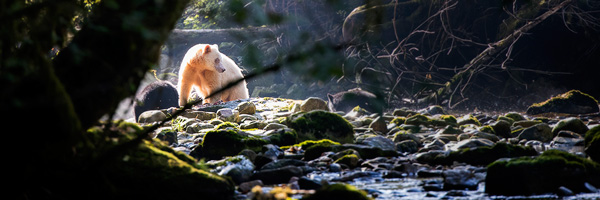
Join Raincoast for carnivore conservation events in Victoria, Vancouver and Seattle…

CBC News/All Points West
Raincoast is incredulous after a single passenger complaint caused BC Ferries to review and then pull the group’s anti-wolf cull ads…

Rebecca Boyd / Times Colonist
I spent 11 days on a fall grizzly “hunt” in coastal BC with Raincoast, a nonprofit working to protect grizzlies and their habitat…
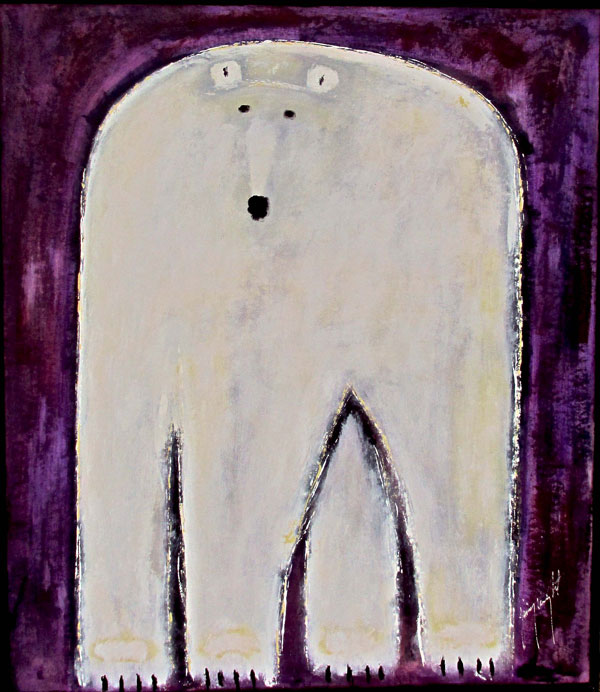
A huge success, the Raincoast Conservation Foundation’s Art Exhibit at the Dales Gallery enters its final week…

Chris Darimont, Kyle Artelle & Paul Paquet/Times Colonist
Trophy hunting of grizzly bears is opposed by 90 per cent of British Columbians, including scientists, environmentalists, First Nations and most hunters…