

Paul Paquet, PhD
Senior Scientist
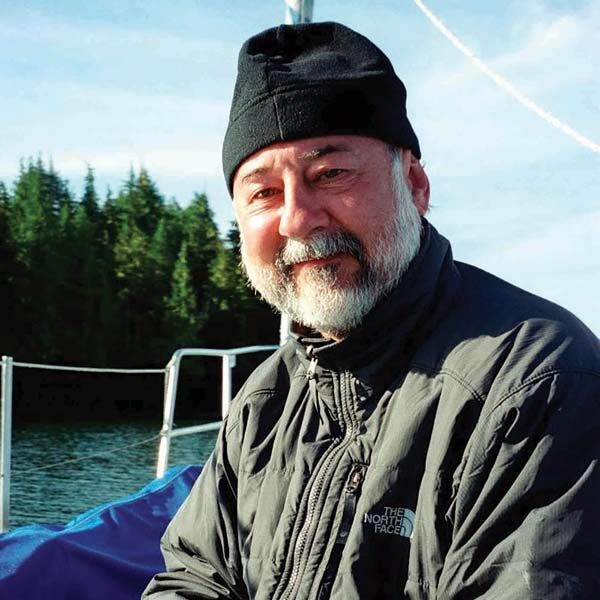
Dr. Paul Paquet is a Senior Scientist at Raincoast and the Wolf Program’s head research advisor. He holds graduate degrees in philosophy, biology, wildlife behaviour and conservation, and a PhD in zoology from the University of Alberta. With over four decades of scholarly and applied research experience worldwide, Dr. Paquet is recognized internationally as an authority on mammalian carnivores, especially wolves and other wild canids. He has written more than 200 scientific articles and reports and published several books on the complexities of wolf management, including characterizing wolf (sub)species, their ecology, and behaviour.
Dr. Paquet serves on many international government, industry and NGO advisory committees, including the Environment Canada, US Fish & Wildlife Service, Caribou Scientific Advisory Committee for Saskatchewan, WWF International, the Large Carnivore Initiative for Europe, the European Union, Species Survival Commission (SSC) of IUCN-World Conservation Union, and International Union for Conservation of Nature (IUCN) Canid Specialist Group.In addition, Dr. Paquet is an Adjunct Professor of Geography at University of Victoria. Additional academic appointments include Adjunct Professor of Biology and Associate Professor of Environmental Design at the University of Calgary; Adjunct Professor at University of Saskatchewan College of Veterinary Medicine, Adjunct Professor of Biology at Brandon University, Adjunct Professor of Zoology at University of Manitoba; and Faculty Associate at Guelph University, and University of New Brunswick.
Recent articles

Raising calves in beluga society
Exploring why belugas care for each other’s offspring.

The story of Coastal Douglas-fir forests: Stewarding the small things
Briony Penn is well known in BC for her tireless…

Update on KELÁ_EKE Kingfisher Forest
With the ongoing support of our community of supporters, protecting…
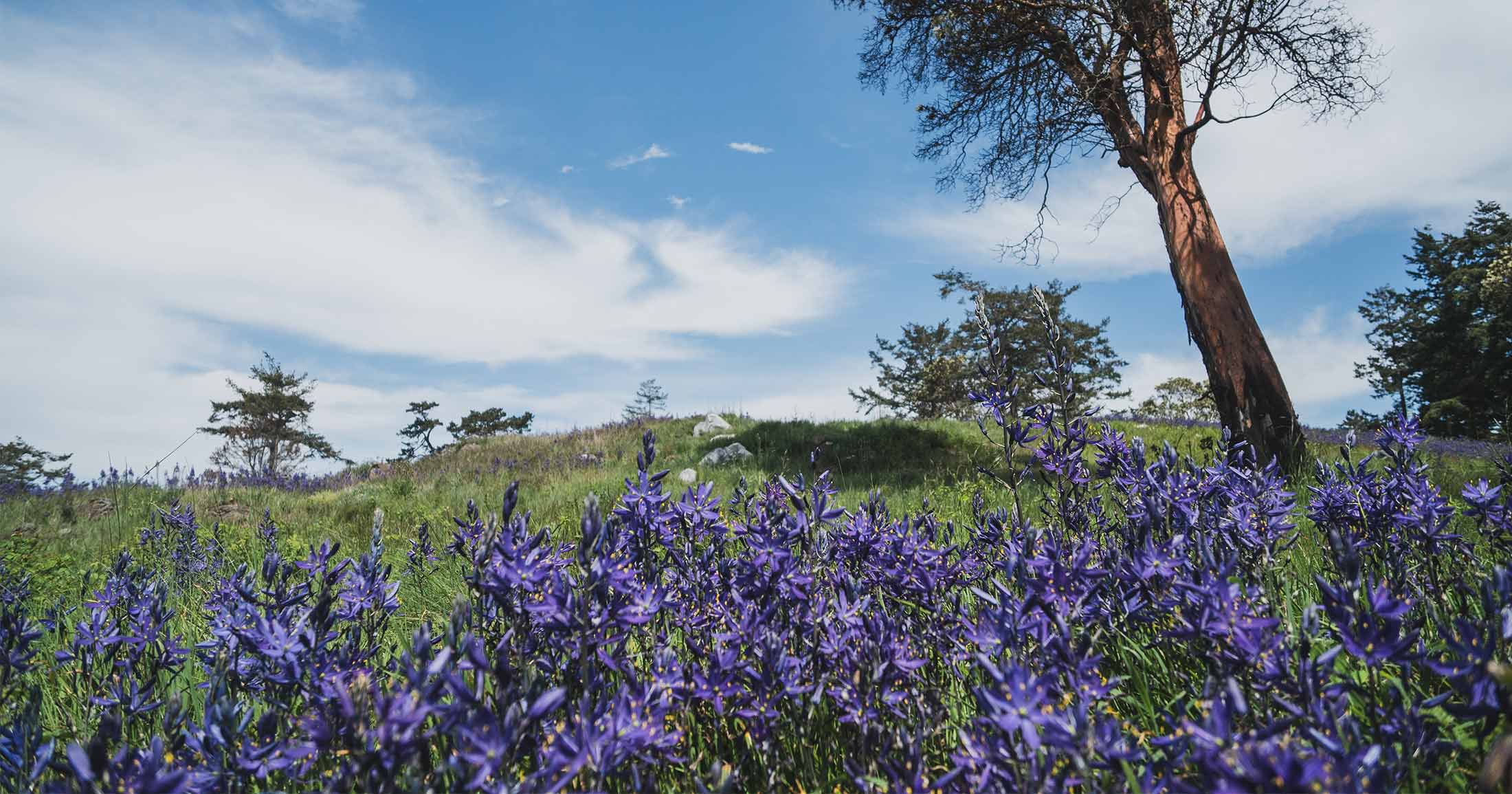
The story of Coastal Douglas-fir forests: Some of the most rare and diverse plant communities in Canada
Coastal Douglas-fir forests and associated ecosystems exist at the interface…

You cannot ‘offset’ extinction
Globally, only 15.5% of the world’s coastal regions remain ecologically…
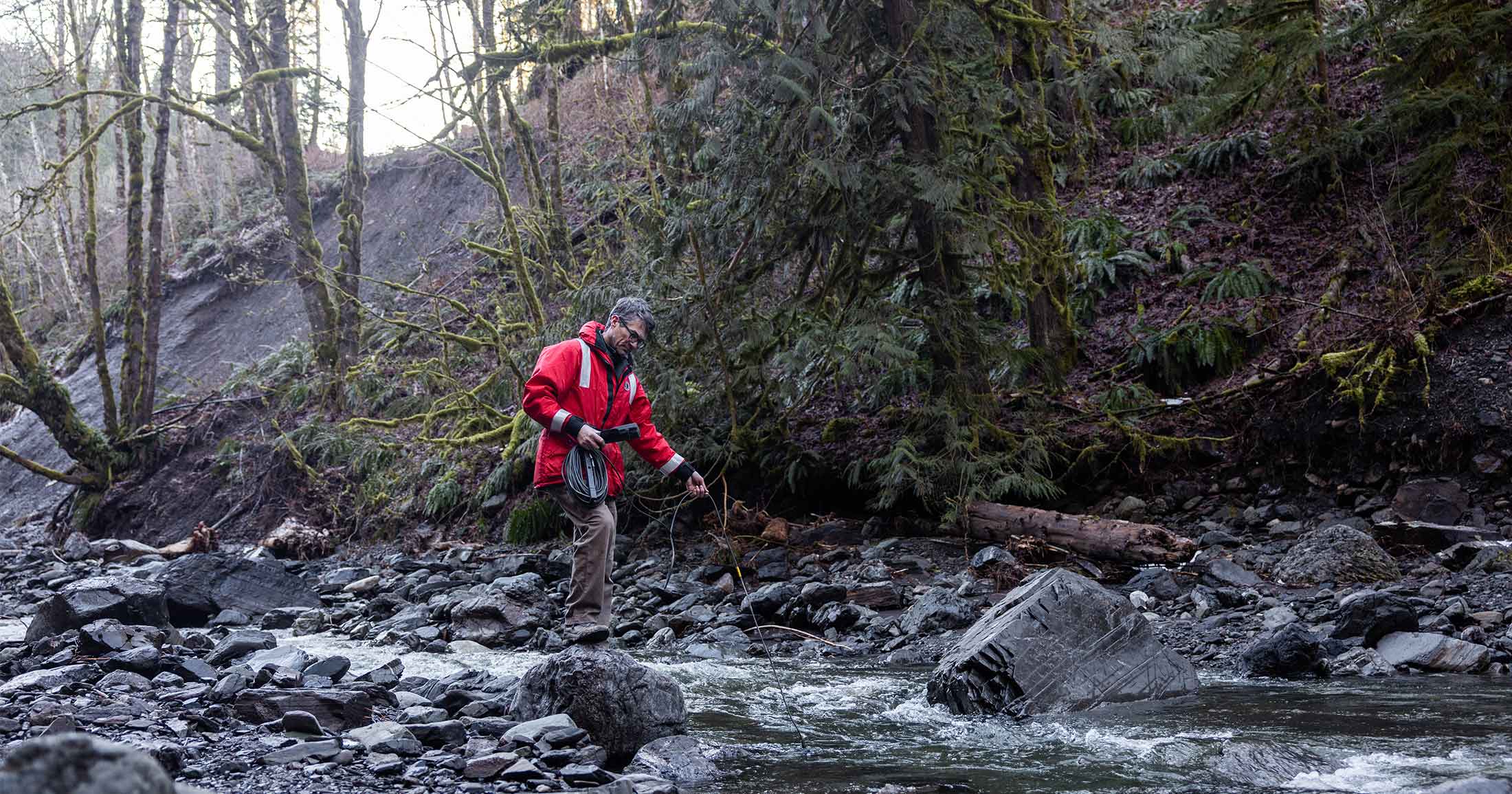
Rising waters, pollution spillover, and salmon habitat in the Sumas Lake area of the Lower Fraser Valley: The catastrophic ‘atmospheric rivers’ of 2021
November of 2021 was a month like many others for…