

Paul Paquet, PhD
Senior Scientist
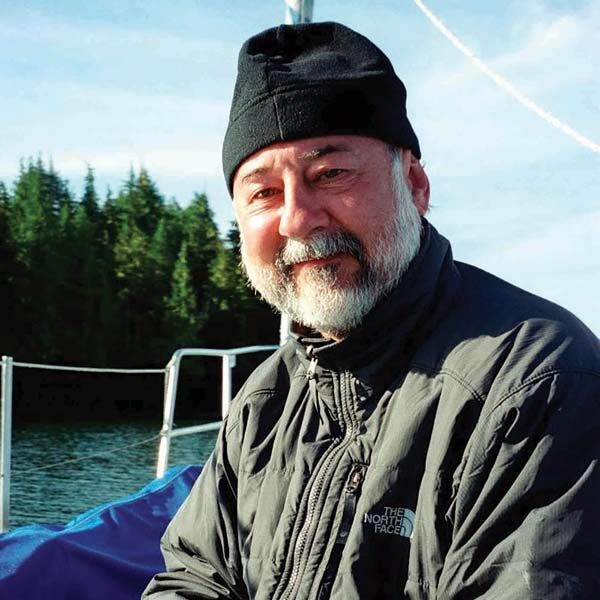
Dr. Paul Paquet is a Senior Scientist at Raincoast and the Wolf Program’s head research advisor. He holds graduate degrees in philosophy, biology, wildlife behaviour and conservation, and a PhD in zoology from the University of Alberta. With over four decades of scholarly and applied research experience worldwide, Dr. Paquet is recognized internationally as an authority on mammalian carnivores, especially wolves and other wild canids. He has written more than 200 scientific articles and reports and published several books on the complexities of wolf management, including characterizing wolf (sub)species, their ecology, and behaviour.
Dr. Paquet serves on many international government, industry and NGO advisory committees, including the Environment Canada, US Fish & Wildlife Service, Caribou Scientific Advisory Committee for Saskatchewan, WWF International, the Large Carnivore Initiative for Europe, the European Union, Species Survival Commission (SSC) of IUCN-World Conservation Union, and International Union for Conservation of Nature (IUCN) Canid Specialist Group.In addition, Dr. Paquet is an Adjunct Professor of Geography at University of Victoria. Additional academic appointments include Adjunct Professor of Biology and Associate Professor of Environmental Design at the University of Calgary; Adjunct Professor at University of Saskatchewan College of Veterinary Medicine, Adjunct Professor of Biology at Brandon University, Adjunct Professor of Zoology at University of Manitoba; and Faculty Associate at Guelph University, and University of New Brunswick.
Recent articles

Backgrounder: The court case over the Southeast Alaskan Troll fishery on Chinook salmon
In 2020, the non-profit Wild Fish Conservancy (WFC) filed a…
Sharing our plans for our future mobile lab
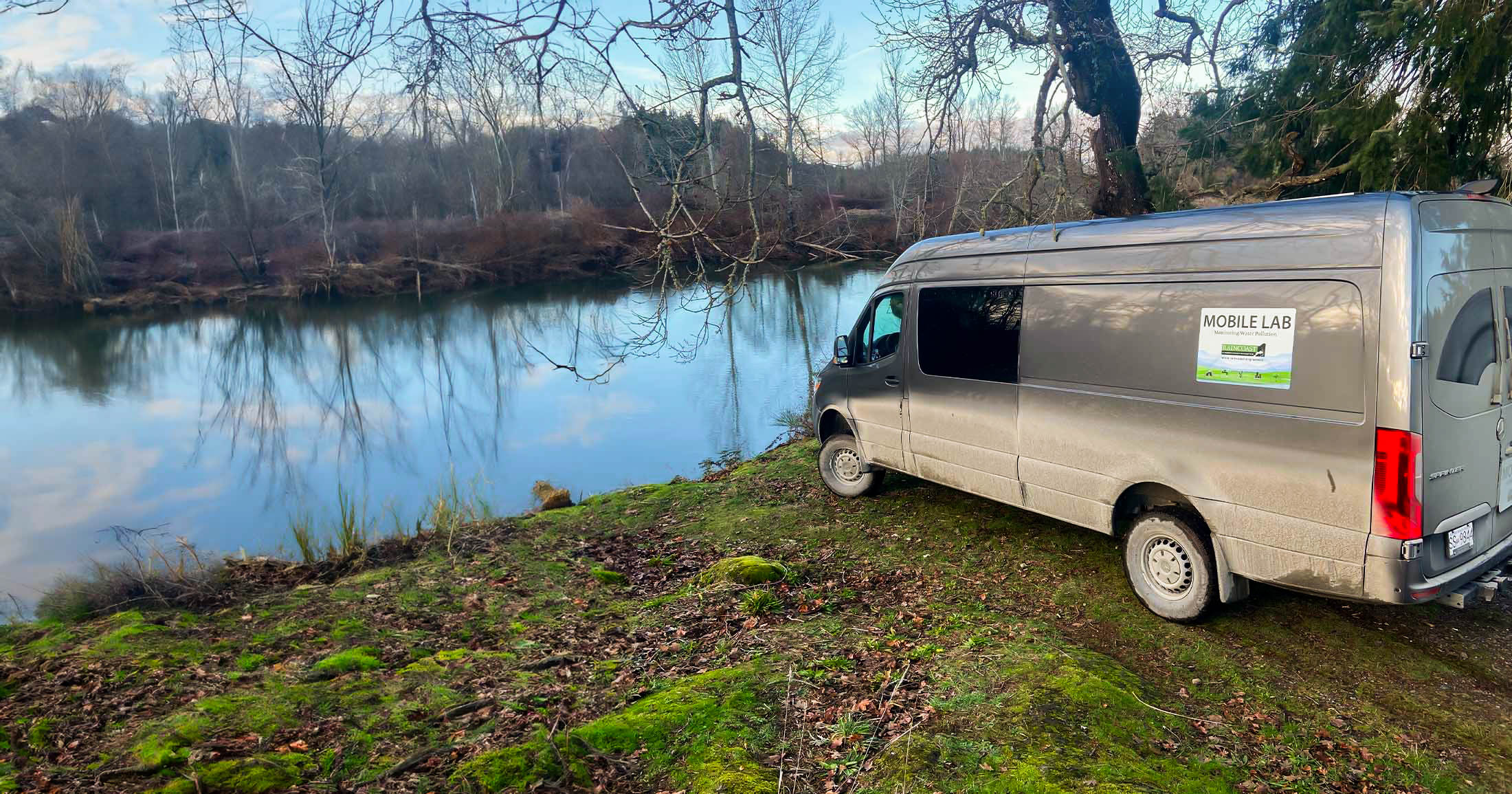
We are thrilled to share the design plan for Tracker…
Wolf Stories: Animal welfare and the evolution of animal ethics
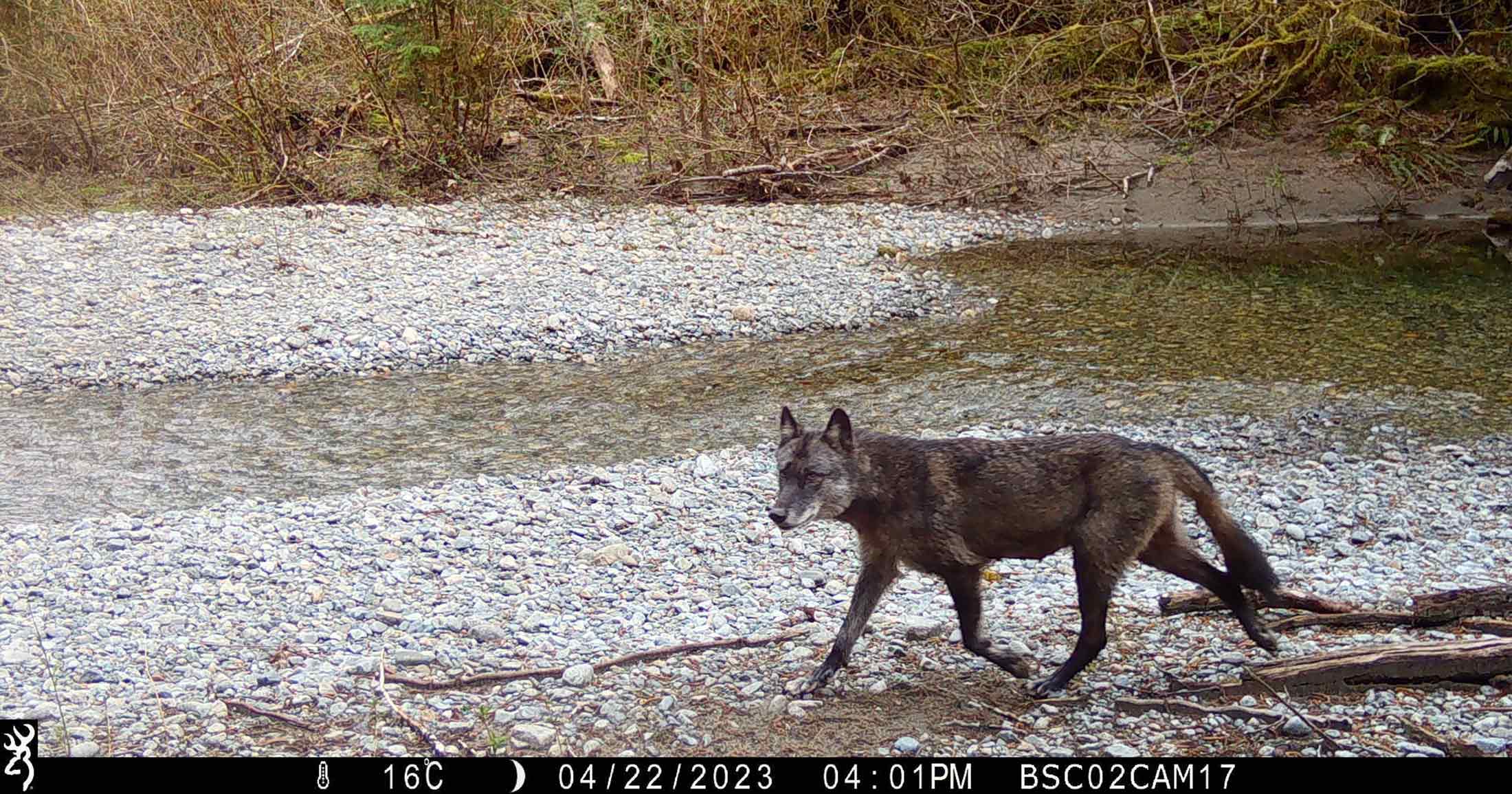
In this article, we’ve interviewed David Fraser (C.M., Ph.D.), a…

Guide government actions on Southern Resident killer whale recovery: Take the federal survey before February 12, 2024
This federal survey will take around 20 minutes.
Letter in Science states that Canada’s wolf cull subsidizes industry
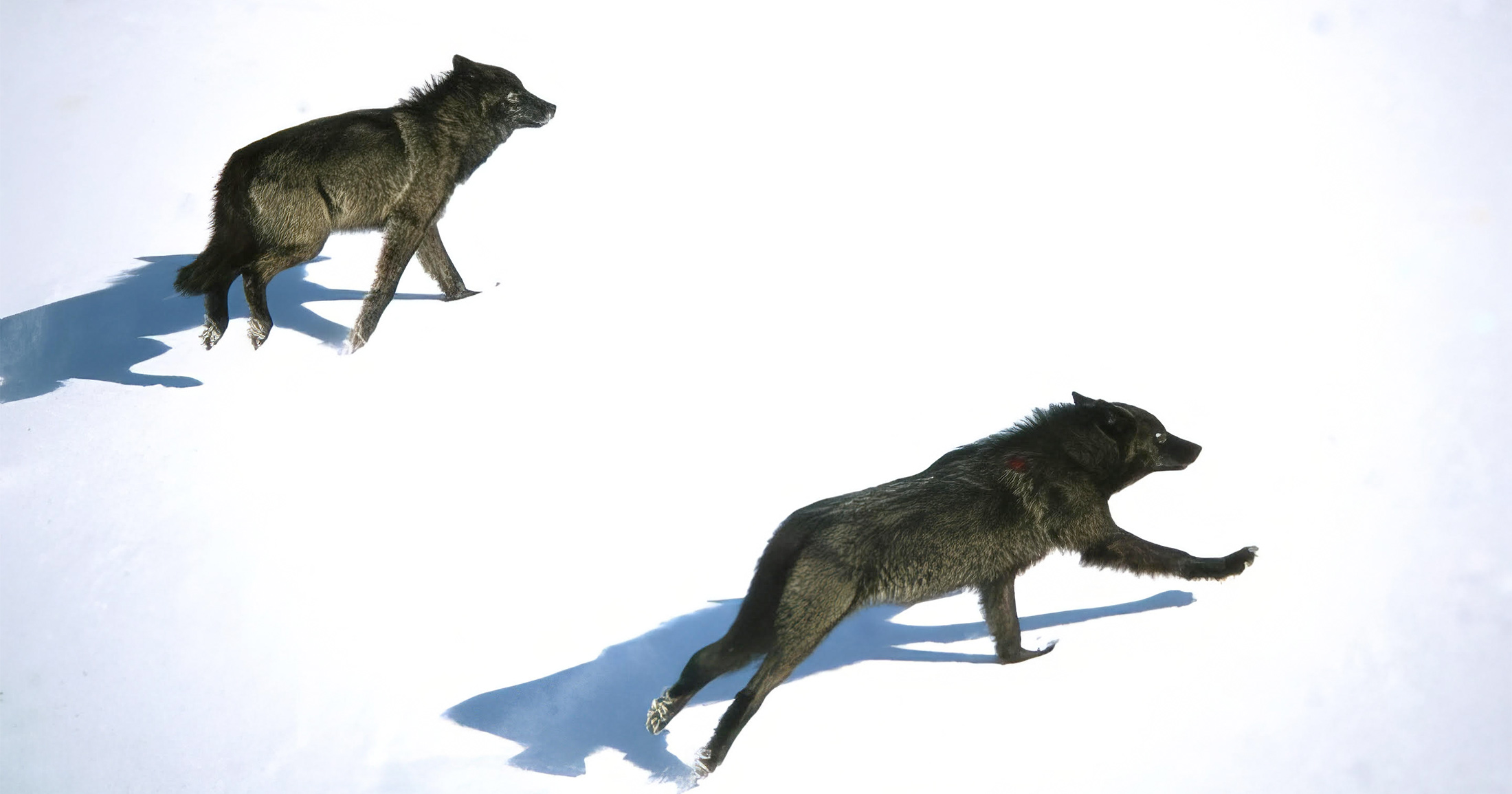
British Columbia must reevaluate its caribou habitat protection policies and…

Using poop to identify individual killer whales
DNA can answer many questions about a killer whale’s health…