

Paul Paquet, PhD
Senior Scientist
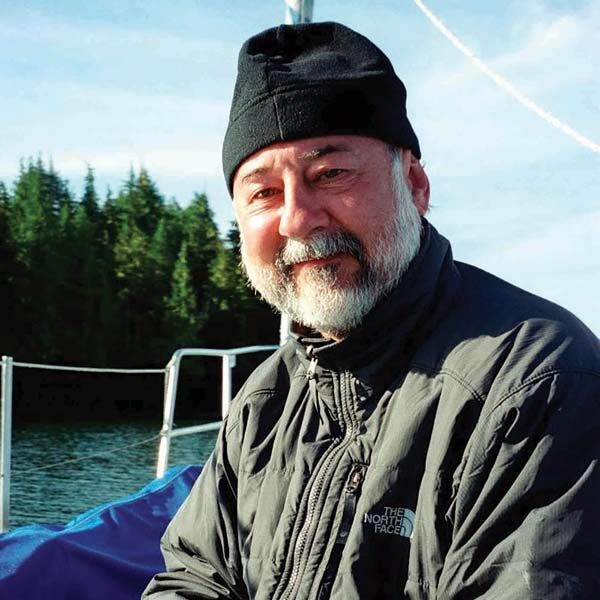
Dr. Paul Paquet is a Senior Scientist at Raincoast and the Wolf Program’s head research advisor. He holds graduate degrees in philosophy, biology, wildlife behaviour and conservation, and a PhD in zoology from the University of Alberta. With over four decades of scholarly and applied research experience worldwide, Dr. Paquet is recognized internationally as an authority on mammalian carnivores, especially wolves and other wild canids. He has written more than 200 scientific articles and reports and published several books on the complexities of wolf management, including characterizing wolf (sub)species, their ecology, and behaviour.
Dr. Paquet serves on many international government, industry and NGO advisory committees, including the Environment Canada, US Fish & Wildlife Service, Caribou Scientific Advisory Committee for Saskatchewan, WWF International, the Large Carnivore Initiative for Europe, the European Union, Species Survival Commission (SSC) of IUCN-World Conservation Union, and International Union for Conservation of Nature (IUCN) Canid Specialist Group.In addition, Dr. Paquet is an Adjunct Professor of Geography at University of Victoria. Additional academic appointments include Adjunct Professor of Biology and Associate Professor of Environmental Design at the University of Calgary; Adjunct Professor at University of Saskatchewan College of Veterinary Medicine, Adjunct Professor of Biology at Brandon University, Adjunct Professor of Zoology at University of Manitoba; and Faculty Associate at Guelph University, and University of New Brunswick.
Recent articles

Federal promises made for endangered whales during TMX approval are unfulfilled
Southern Resident killer whales need protective orders to facilitate recovery.

Summary of key facts about southeast Alaska interception fisheries
Last week, Ocean Wise made the decision to remove its…

Wildfire, watersheds, and landscape change
Exploring the co-benefits of collaborative, landscape-scale approaches to managing fire…

Using drones to study killer whale health
Every summer our Cetacean Scientists use innovative drone technology to…

Submit feedback to the Proposed Marine Mammal Regulations
Take action! Your feedback can make a difference.
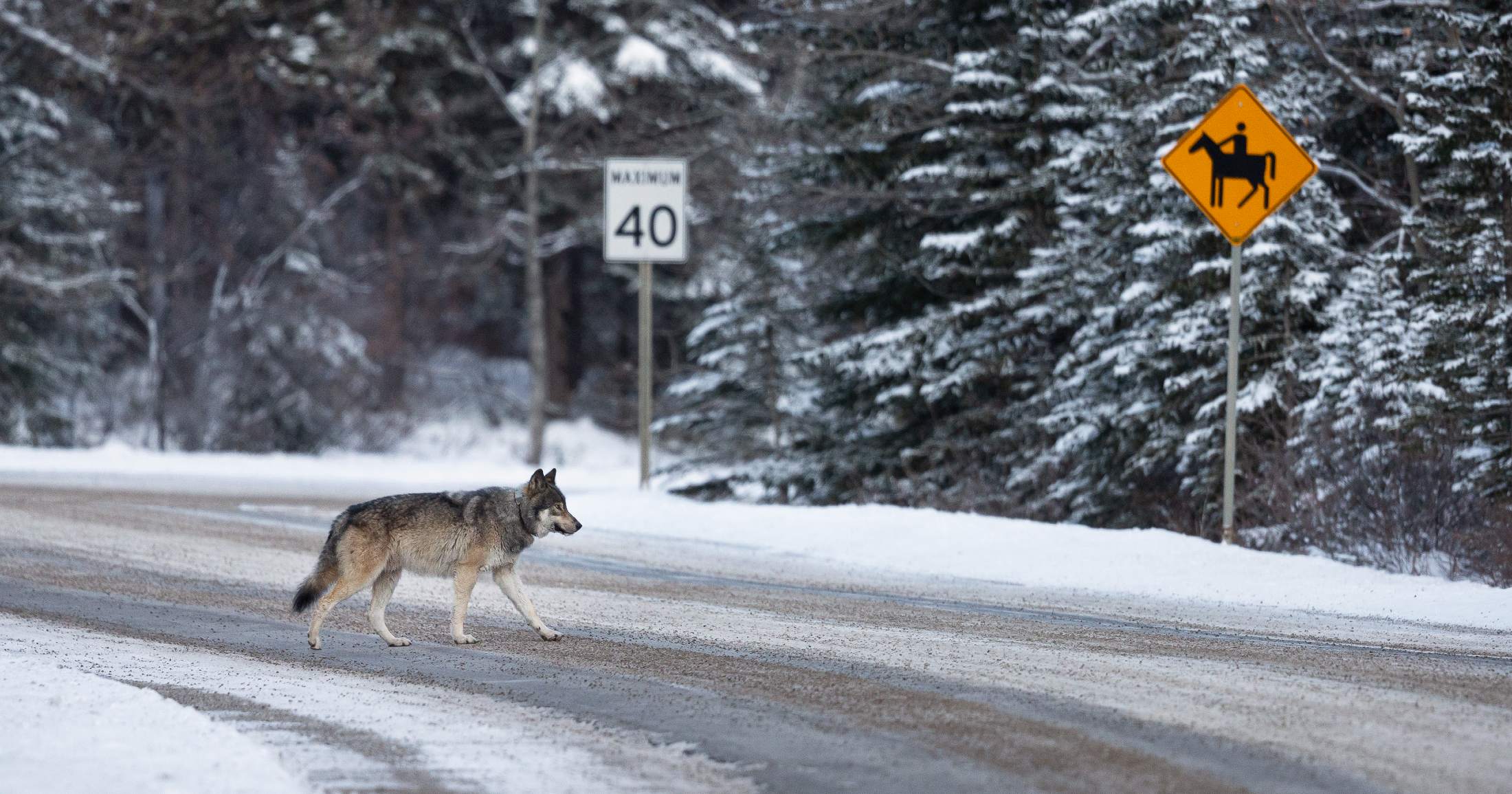
Wolf Stories: Killing in the name of conservation
Ethical and welfare considerations for lethally and non-lethally controlling wild…