

Paul Paquet, PhD
Senior Scientist
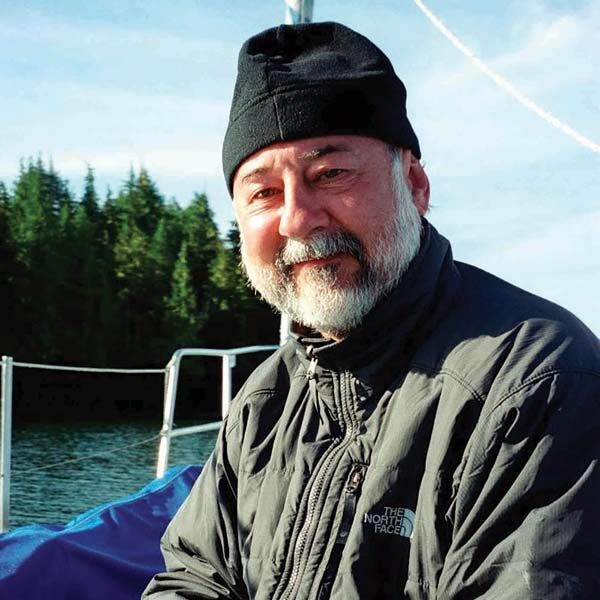
Dr. Paul Paquet is a Senior Scientist at Raincoast and the Wolf Program’s head research advisor. He holds graduate degrees in philosophy, biology, wildlife behaviour and conservation, and a PhD in zoology from the University of Alberta. With over four decades of scholarly and applied research experience worldwide, Dr. Paquet is recognized internationally as an authority on mammalian carnivores, especially wolves and other wild canids. He has written more than 200 scientific articles and reports and published several books on the complexities of wolf management, including characterizing wolf (sub)species, their ecology, and behaviour.
Dr. Paquet serves on many international government, industry and NGO advisory committees, including the Environment Canada, US Fish & Wildlife Service, Caribou Scientific Advisory Committee for Saskatchewan, WWF International, the Large Carnivore Initiative for Europe, the European Union, Species Survival Commission (SSC) of IUCN-World Conservation Union, and International Union for Conservation of Nature (IUCN) Canid Specialist Group.In addition, Dr. Paquet is an Adjunct Professor of Geography at University of Victoria. Additional academic appointments include Adjunct Professor of Biology and Associate Professor of Environmental Design at the University of Calgary; Adjunct Professor at University of Saskatchewan College of Veterinary Medicine, Adjunct Professor of Biology at Brandon University, Adjunct Professor of Zoology at University of Manitoba; and Faculty Associate at Guelph University, and University of New Brunswick.
Recent articles
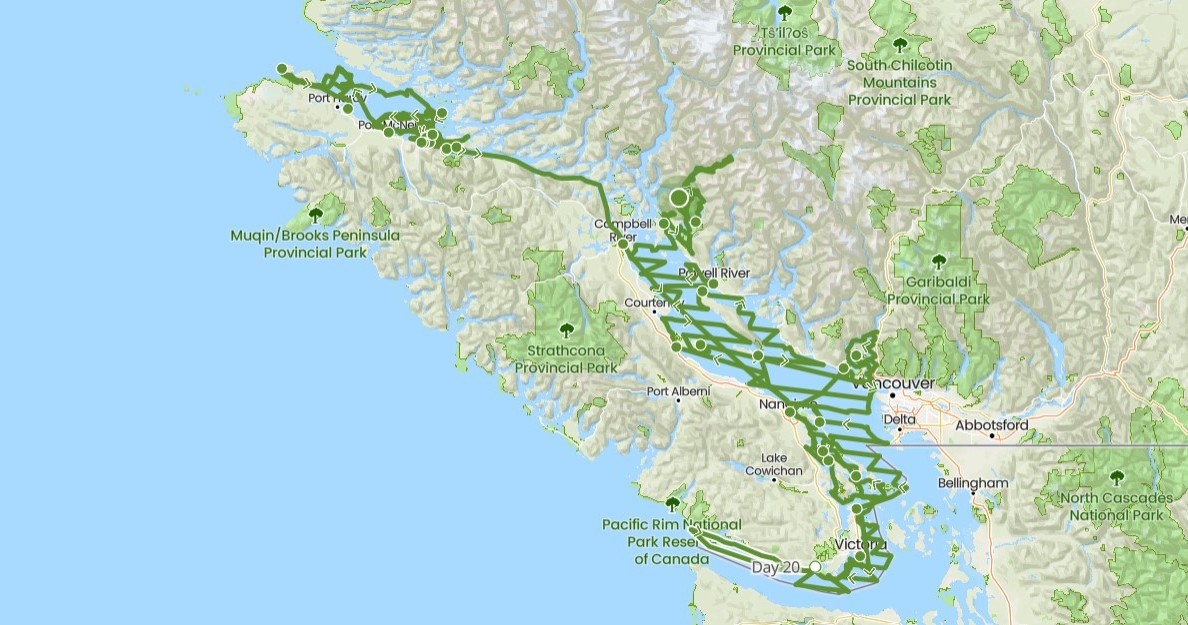
Where is our research vessel, Achiever?
Our new map shows the live location of Achiever as…

The killer whales are speaking, but is the minister of transport listening?
Studies have shown that killer whales’ ability to communicate is…

Sounding the alarm: The federal draft Ocean Noise Strategy falls short
Why Canada’s draft Ocean Noise Strategy misses the mark.

BC NGOs head to Seattle for final step in their objection to the MSC certification of southeast Alaska salmon fisheries
Alaska’s fisheries should not be accredited with Marine Stewardship Council’s…

Salmon DNA enables new understanding of how young Chinook salmon use the Fraser River Estuary
Raincoast’s five year collection of genetic samples illuminates patterns of…
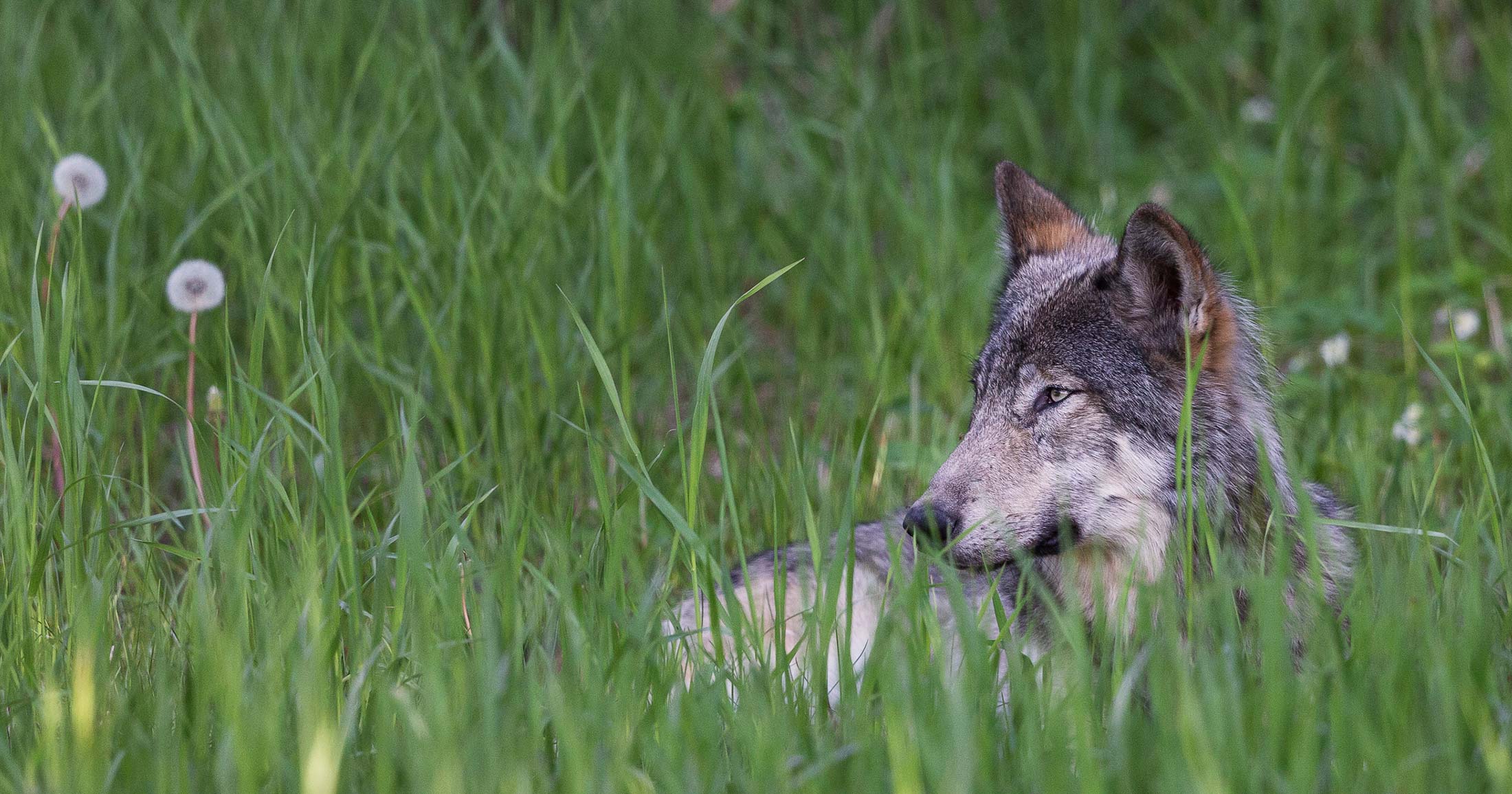
Wildlife killing contests
We have ethical responsibilities to targeted species and to biodiversity,…