

Dylan Smyth, MSc Student
Cetacean Conservation Program Associate
Dylan is an aquatic sciences technician with a focus on marine mammal ecology and conservation. After graduating in 2015 with a Bachelor of Science, Dylan spent several years working on various projects involving juvenile salmon survival before switching gears to marine mammals. He loves being on the water, playing with boats, drones, and various other scientific toys. His keen interest, and ear, for marine mammal acoustics has given him the privilege of working with a variety of organizations such as OrcaLab, Ocean Wise, and DFO.
After nearly 10 years of field work up and down British Columbia’s coastline, Dylan is now returning to school to pursue a Masters degree with the University of the Algarve in Portugal. Working closely in collaboration with Raincoast and Simon Fraser University, his research will investigate the effects of anthropogenic noise on southern resident killer whale call type selection.

Recent articles
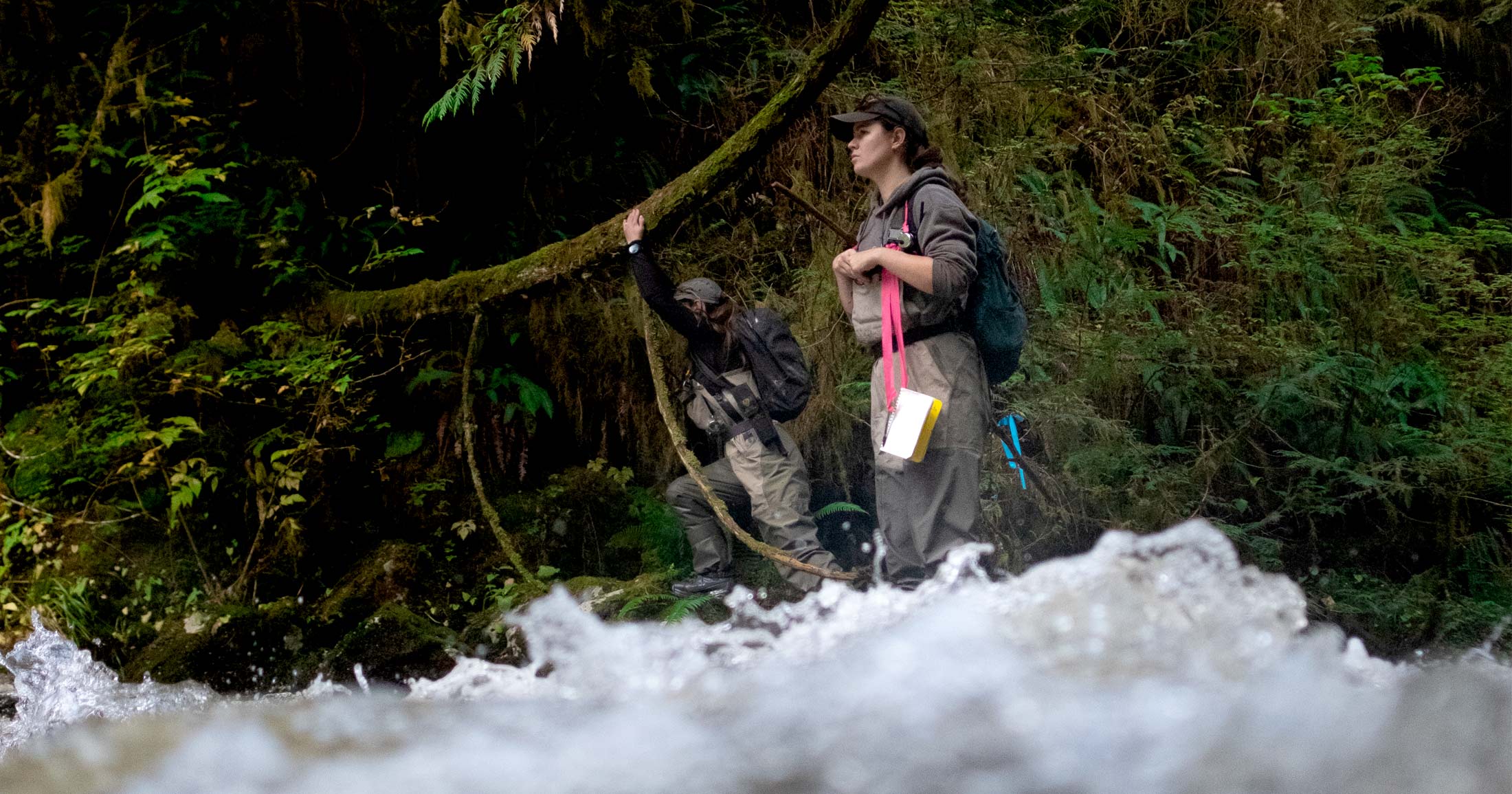
30 years in the Great Bear Rainforest
How Haíɫzaqv principles and ongoing research will guide our future.
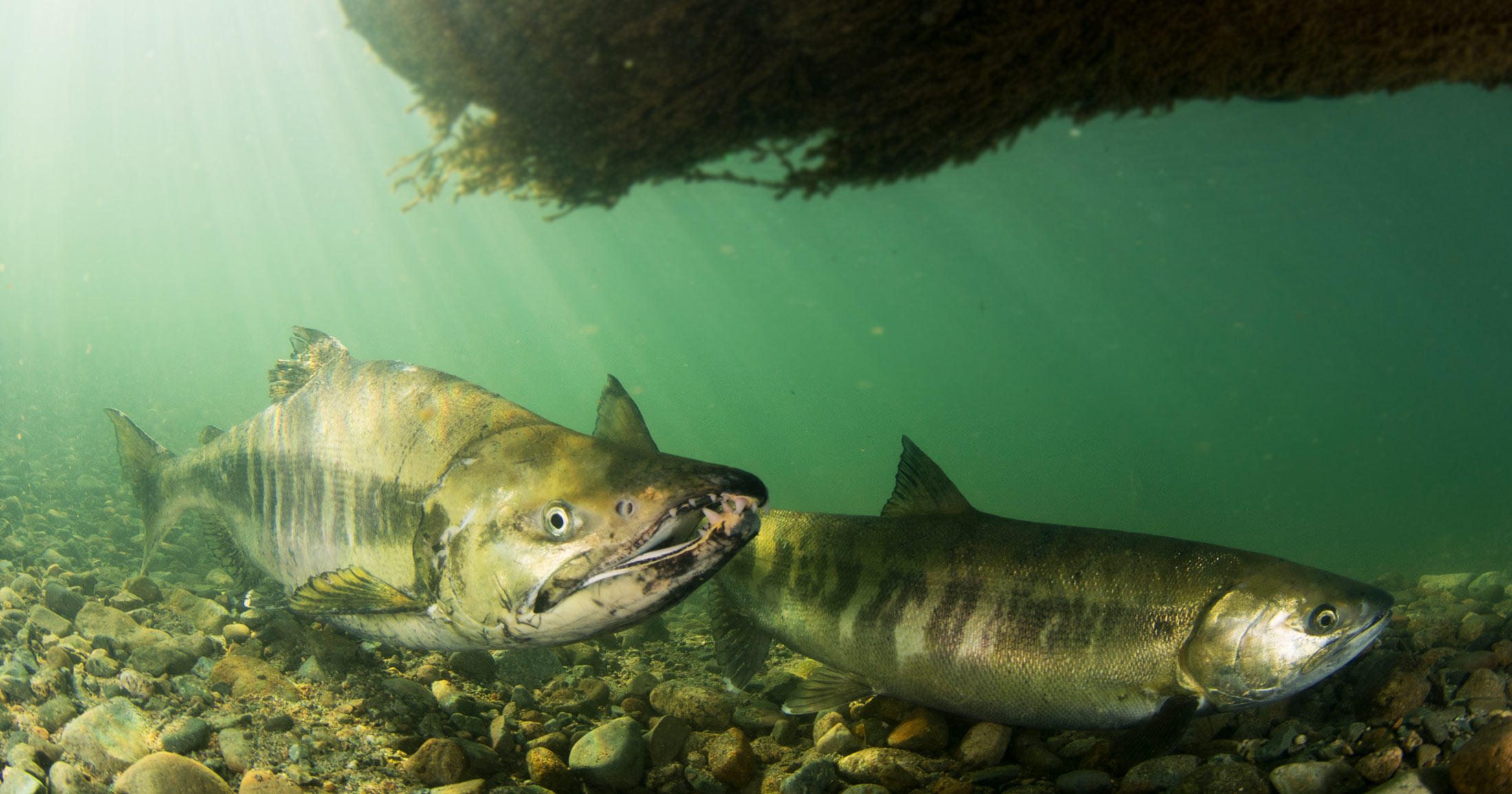
Canada’s Policy for the Conservation of Wild Pacific Salmon
A framework for safeguarding salmon diversity and resilience.
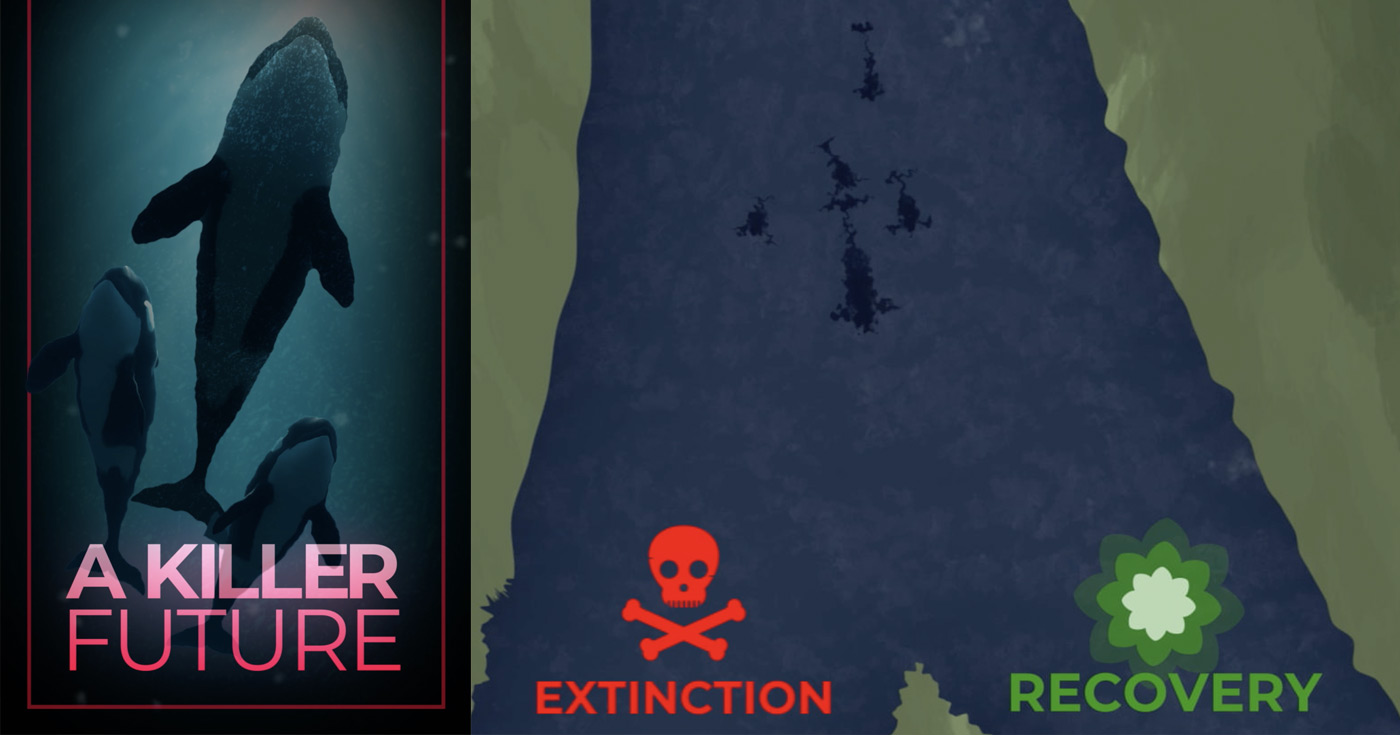
A killer future
By restoring Chinook salmon, reducing underwater noise, and stopping pollution…
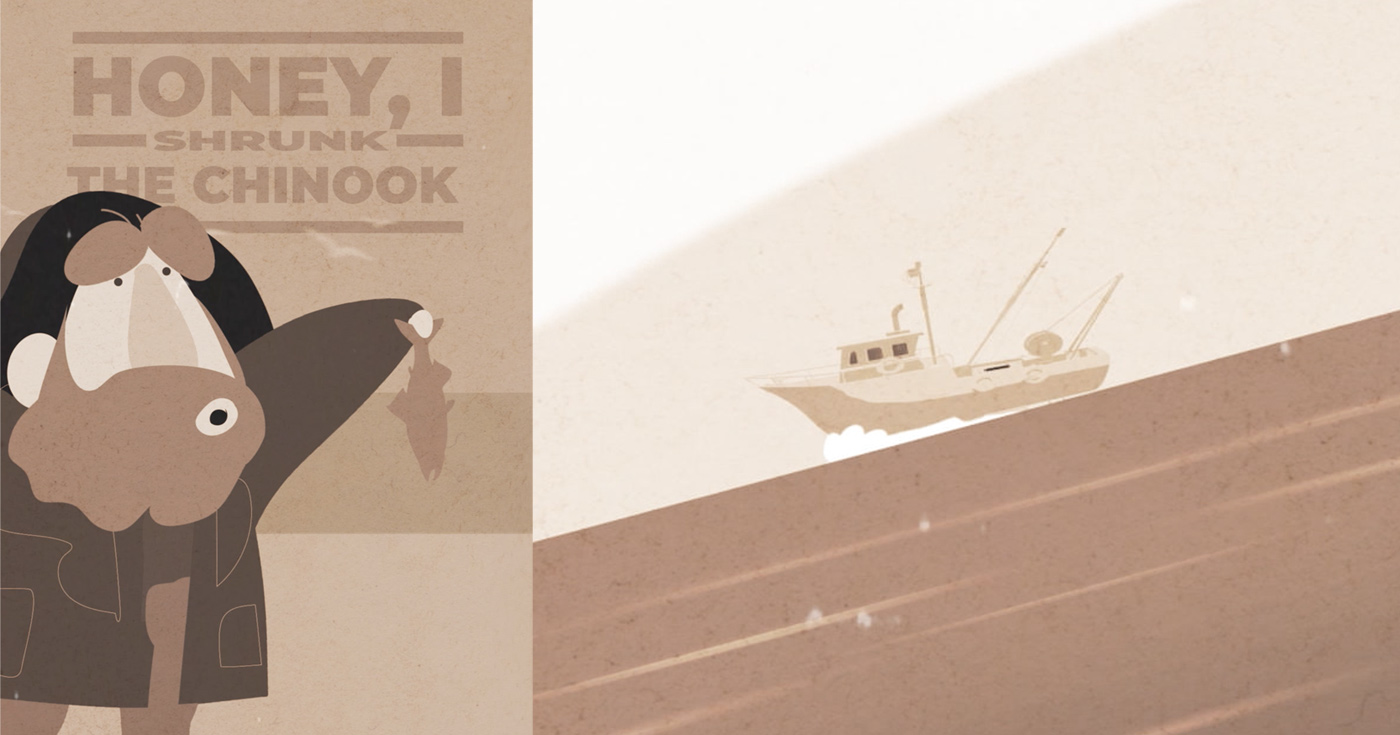
Honey, I shrunk the Chinook
Chinook salmon are getting smaller, and one explanation is uncomfortably…
Two simple ways to support Raincoast through recycling
Practical and convenient ways for you to support Raincoast.

Listening to protect
To protect killer whales, we first need to understand what…

Open Letter to the Honourable Joanne Thompson Minister of Fisheries
A coalition of 35 experts from 26 organizations has issued…
How Canada can protect B.C.’s iconic killer whales without busting the budget
Three no-cost steps would advance the recovery of Southern Resident…