

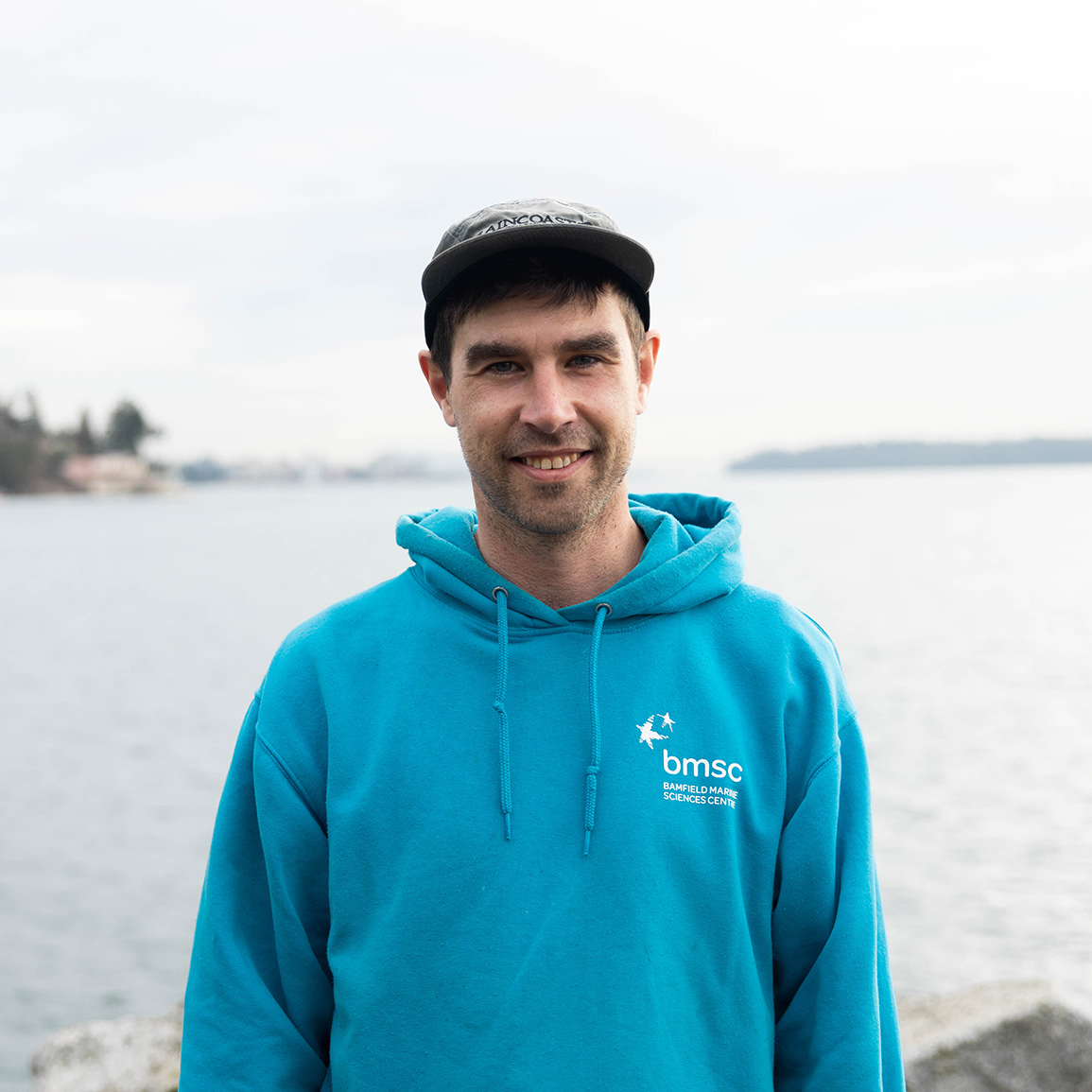
Dave Scott, MSc
Research and Restoration Coordinator for the Lower Fraser Salmon Program
Dave Scott is a salmon biologist with a focus on understanding juvenile salmon life histories to facilitate better restoration planning. Dave is currently a PhD student in the Pacific Salmon Ecology and Conservation Laboratory at the University of British Columbia where he studies under highly renowned salmon researcher Dr. Scott Hinch. Dave’s PhD research focuses on understanding juvenile Chinook estuary reliance through field research capturing out migrating juvenile salmon in the Fraser River estuary along with laboratory studies conducted at UBC. Dave also leads Raincoast’s Fraser Estuary Connectivity Project which has created three large breaches in the Steveston Jetty, reconnecting the river to its delta after over 100 years. As part of his research Dave also leads our effectiveness monitoring which has demonstrated the movement of juvenile salmon through the newly created breaches along with measuring changes in the distribution of freshwater and sediments and changes in vegetation.
Prior to starting his PhD studies in the fall of 2019, Dave has worked full time with Raincoast since the beginning of 2015 in the role of Lower Fraser Salmon Program Coordinator. His work has ranged from creating submissions for the Joint Review Panel regarding the potential impact of the Trans Mountain pipeline on salmon in the Lower Fraser, to helping to host workshops with local stakeholders to develop a positive vision for salmon in the Lower Fraser, to running a field research program in the Fraser estuary now going into its fifth consecutive field season. Dave has also served as the co-chair of the environmental advisory committee to the Lower Mainland Flood Management Strategy and served as an expert witness representing Raincoast and submitting evidence on the record and in the public hearing regarding the Canadian Environmental Assessment Act review of the Roberts Bank Terminal 2 expansion project.
Before joining Raincoast, Dave received a Master of Resource Management degree from Simon Fraser University where he studied the effects of flood infrastructure on salmon habitat in the Lower Fraser River under Dr. Jonathon Moore. This is where Dave first got his introduction to working in the Fraser River and to working with salmon and he hasn’t turned back since. Originally from Regina, Saskatchewan, where he obtained his BSc., Dave fell in love with mountains of British Columbia as a teenager and after obtaining his undergraduate degree decided to make the move for good. As an undergraduate Dave was fortunate to take a field course at the Bamfield Marine Sciences Center and this is where his love of field research began.
Scientific papers
Chalifour, L., D.C. Scott, M. MacDuffee, S. Stark, J.F. Dower, T.D. Beacham, T.G. Martin, and J.K. Baum. 2020. Chinook salmon exhibit long-term rearing and early marine growth in the Fraser River, B.C., a large urban estuary. Canadian Journal of Fisheries and Aquatic Science DOI: 10.1139/cjfas-2020-0247
Chalifour, L., Scott, D.C., MacDuffee, M., Iacarella, J. C., Martin, T. G., and Baum, J. K. 2019. Habitat use by juvenile salmon, other migratory fish, and resident fish species underscores the importance of estuarine habitat mosaics. Marine Ecology Progress Series, 625: 145-162.
Warkentin, L., Favaro, C., Scott, D., Seifert, R., and Moore, J. W. 2018. Urban planning for fishes: untangling a new project’s effects from old infrastructure and regional patterns. Canadian Journal of Fisheries and Aquatic Sciences, 999: 1-12.
Scott, D. C., Harris, S. L., Hebert, A. S., and van Poorten, B. T. 2017. Nutrient dynamics in a highly managed reservoir system: considering anadromous sockeye salmon (Oncorhynchus nerka) and nutrient restoration. Lake and Reservoir Management, 33(1): 14-22.
Scott, D. C., Arbeider, M., Gordon, J., and Moore, J. W. 2016. Flood control structures in tidal creeks associated with reduction in nursery potential for native fishes and creation of hotspots for invasive species. Canadian Journal of Fisheries and Aquatic Sciences, 73(7): 1138-1148.
Moore, J.W., Beakes, M.P., Nesbitt, H.K., Yeakel, J.D., Patterson, D.A., Thompson, L., Phillis, C.C., Braun, D., Favaro, C., Scott, D., Carr-Harris, C., and Atlas, W. 2015. Emergent stability in a large free-flowing watershed. Ecology. 96: 340–347.
Gordon, J., Arbeider, M., Scott, D., Wilson, S., and Moore, J. W. 2015. When the tides don’t turn: Floodgates and hypoxic zones in the lower Fraser River, British Columbia, Canada. Estuaries and Coasts. 38 (6): 2337-2344
Scott, D., Moore, J., Herborg, L.M., Clarke Murray, C., and Serrao N.R. 2013. A non-native snakehead fish in British Columbia, Canada: Capture, genetics, isotopes, and policy consequences. Management of Biological Invasions 4(4): 265-271.
Recent articles
Wildlife management isn’t rocket science (but it should still be other kinds of science)
Do wildlife management policies in North America consistently rely on…

Southern Resident killer whales need action, not delay
Will Southern Resident killer whales survive the next one hundred…

Chris Darimont interviewed on CFAX 1070 about political populations
What is a political population? Did governments around the world…
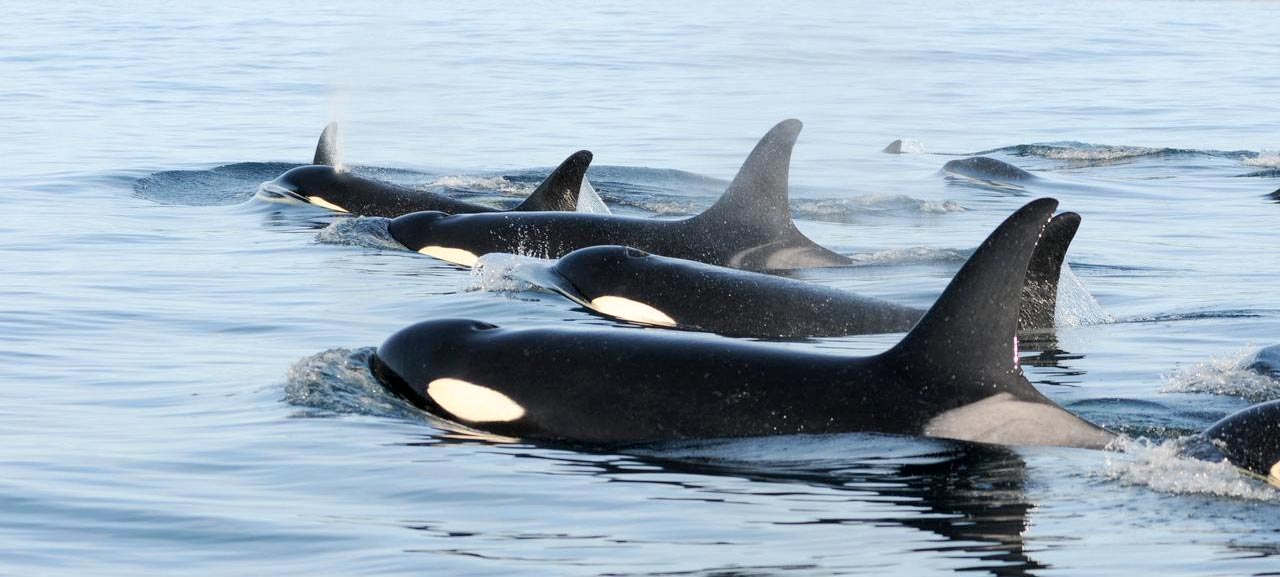
Emergency order for endangered killer whales
February request for an emergency order.

Summer employment opportunity (closed)
Are you a biology student looking for a great summer…
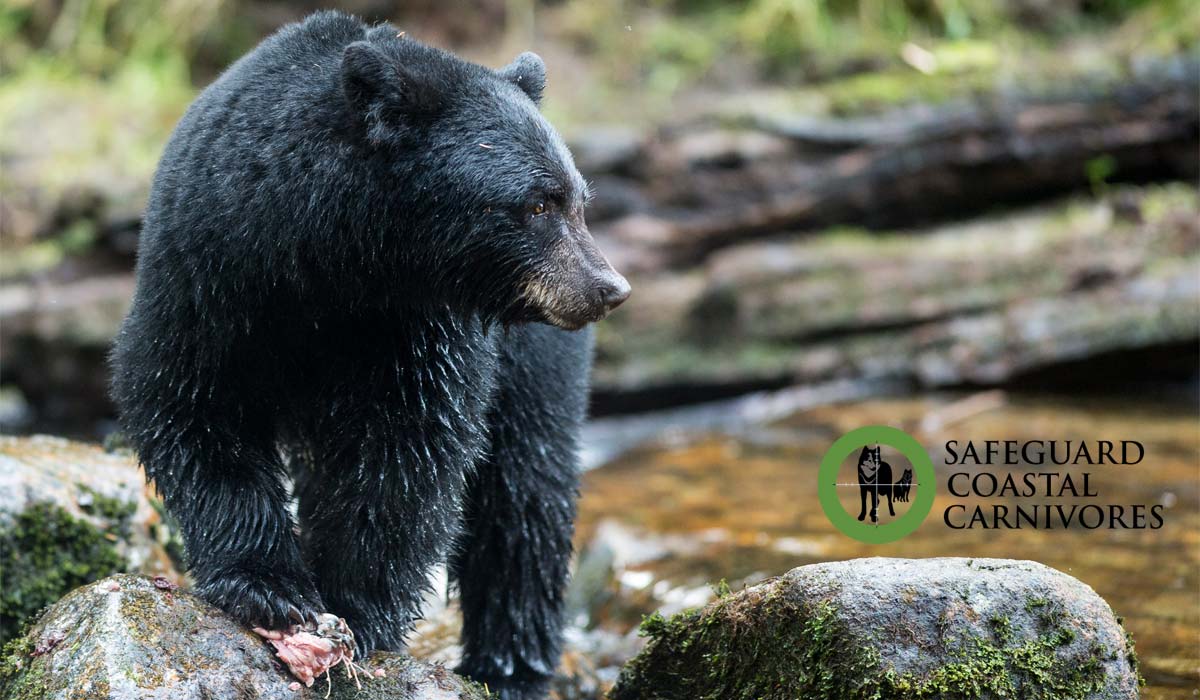
Getting closer to safeguarding coastal carnivores
Recently, we unveiled our Safeguarding Coastal Carnivores campaign to refresh…

New study casts doubt on scientific basis of wildlife management in North America, offers a way forward
A new study, “Hallmarks of science missing from North American…
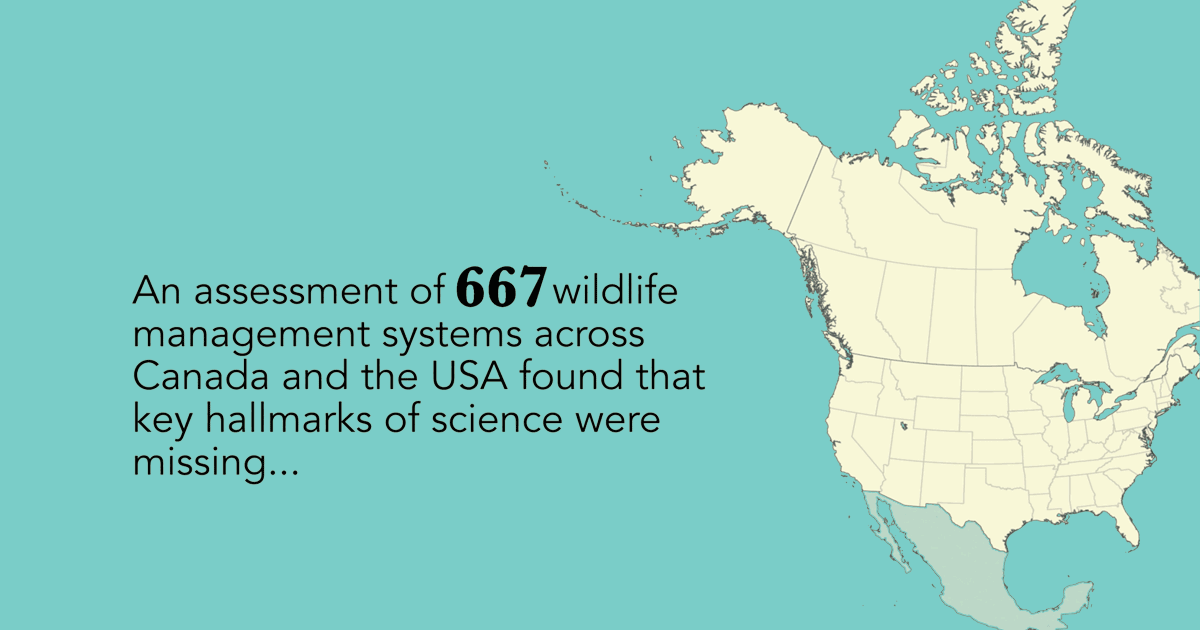
Applied Ecology: Hallmarks of science missing from North American wildlife management
A new study, “Hallmarks of science missing from North American…