

Chris Darimont, PhD
Science Director and Chair of Raincoast Applied Conservation Science Lab
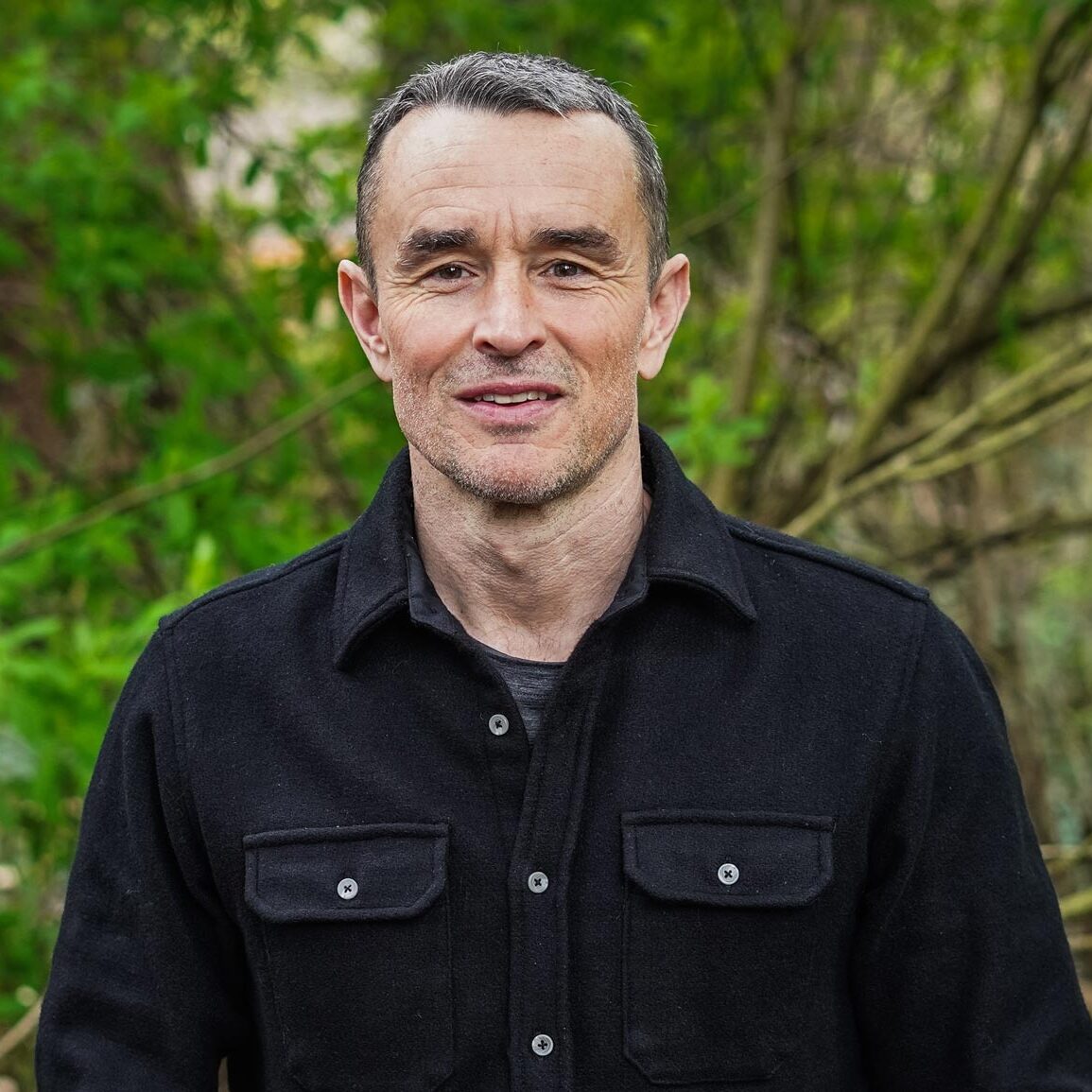
Dr. Chris Darimont is a Science Director at Raincoast and a Professor, Provost’s Engaged Scholar, and the Raincoast Chair of the Applied Conservation Science Lab in the Department of Geography at the University of Victoria (UVic). Favouring an interdisciplinary approach, he has been – and continues to be – influenced by a broad network of mentors and collaborators. He earned a PhD in Ecology and Evolution from the Biology Department at the University of Victoria with Dr. Tom Reimchen, and postdoctoral opportunities took him to the University of California, Santa Cruz, where he worked with Dr. Chris Wilmers. Raincoast Conservation Foundation has also shaped Chris and the work in which he engages. He received mentorship and partnership with many Raincoasters, including Dr. Paul Paquet, who has influenced, taught and empowered Chris since they first met at a pizza restaurant in Canmore in December 1998. Colleagues, friends, and Knowledge Holders among the Haíɫzaqv (Heiltsuk), Wuikinuxv, Kitasoo/Xai-xais, and Nuxalk Nations have also been enormously influential in guiding what he does and how he does it.
Chris’s work with wildlife often focuses on wolves, bears, and other large carnivores, and has pioneered the integration of ecology with human dimensions of conservation, highlighting how cultural values, politics, and industry shape wolf management.
Although frequently engaging with media, teaching and mentoring students and youth is a favourite form of outreach for Chris. His graduate student colleagues teach Chris as much as he teaches them. And undergraduate students in his Geography 353 (Coastal and Marine Resource Management) course at UVic keep him on his toes. He and colleague Jessie Housty of the Heiltsuk Nation also co-teach a field course (Geography 453) on weaving Indigenous Knowledge and Western science in the use, monitoring and management of resources. This amazing land-based course, offered since 2013, takes place at the remote Koeye River among bears, wolves and the long-term presence of people in the rainforest of this precious coast.
Recent articles

The killer whales are speaking, but is the minister of transport listening?
Studies have shown that killer whales’ ability to communicate is…

Sounding the alarm: The federal draft Ocean Noise Strategy falls short
Why Canada’s draft Ocean Noise Strategy misses the mark.

BC NGOs head to Seattle for final step in their objection to the MSC certification of southeast Alaska salmon fisheries
Alaska’s fisheries should not be accredited with Marine Stewardship Council’s…

Salmon DNA enables new understanding of how young Chinook salmon use the Fraser River Estuary
Raincoast’s five year collection of genetic samples illuminates patterns of…
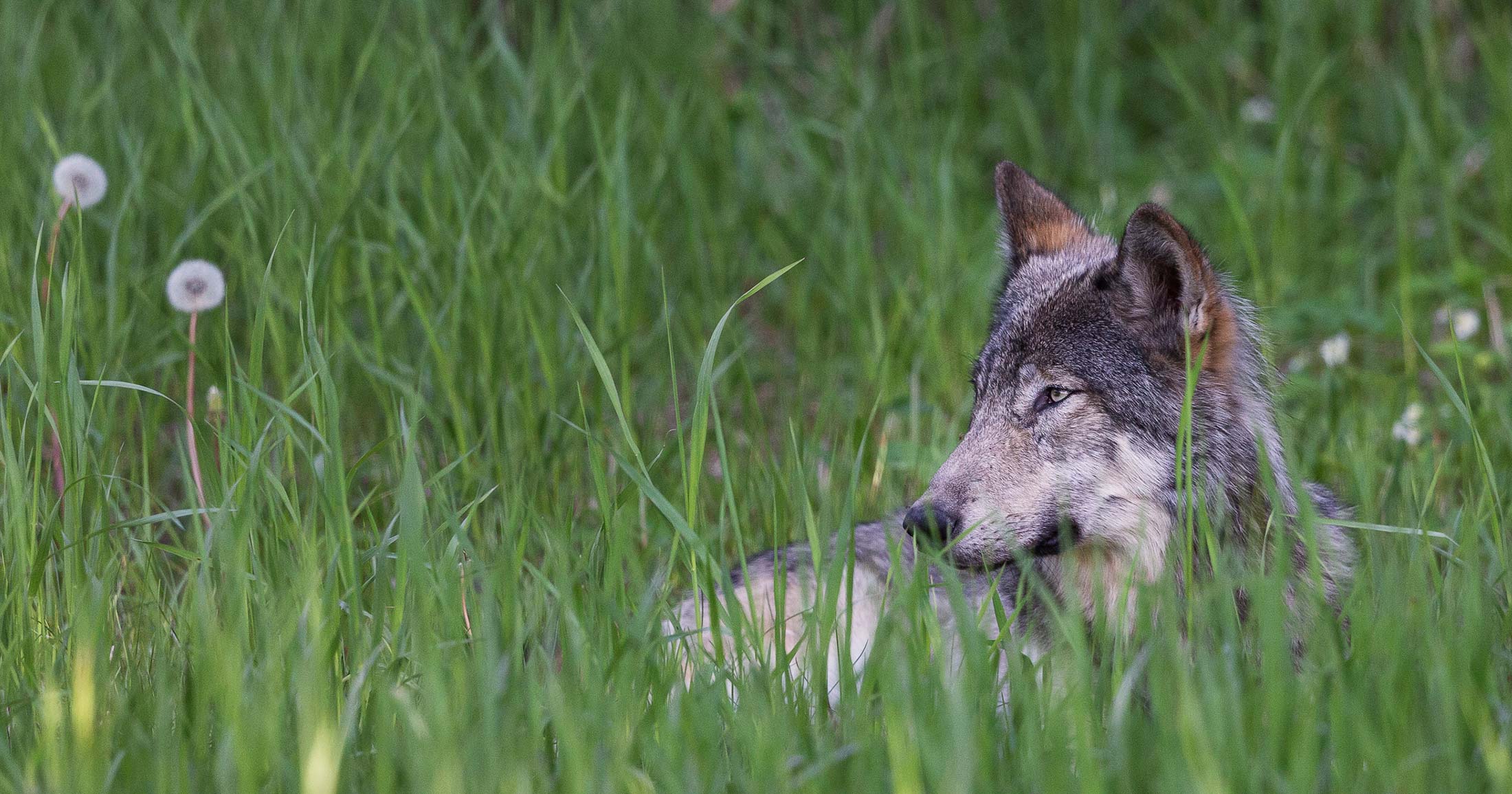
Wildlife killing contests
We have ethical responsibilities to targeted species and to biodiversity,…

New research shows the impact log booms have on salmon habitats in the Fraser Estuary
The study found that log booms impact physical habitat, water…