Fisheries management and Canada’s Wild Salmon Policy
There is no question that fisheries management presents complex biological, economic, and political challenges.


There is no question that fisheries management presents complex biological, economic, and political challenges.

We urge you to consider supporting efforts to span the international border to recover our beloved salmon and Southern Resident killer whales.
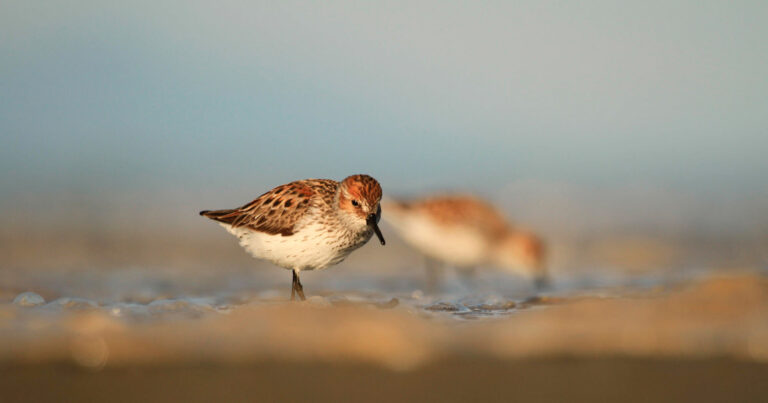
Globally, only 15.5% of the world’s coastal regions remain ecologically intact. In British Columbia, the Fraser River Estuary has already lost 85% of its floodplain habitat and over 100 species that live there are at risk of extinction. Now, they face another threat.
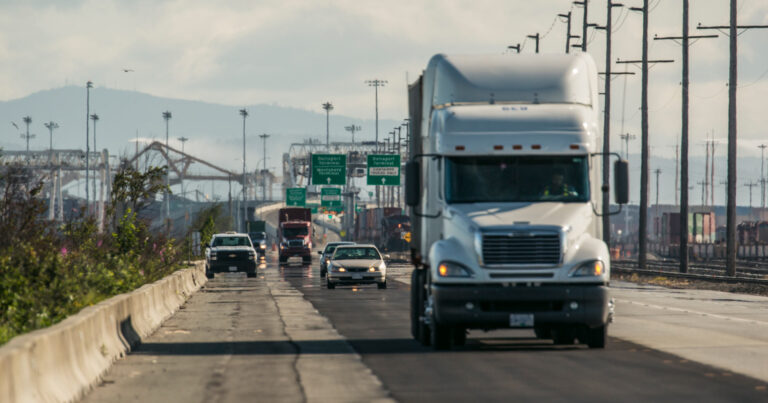
The Government of Canada is currently requesting public comments to decide on whether the Roberts Bank Terminal 2 expansion project should go forward. Until March 15th, supporters like you can take action to protect the Fraser River Estuary. Please consider taking five minutes to submit a public comment. We have made it very easy for…

Endangered Interior Fraser River steelhead were the object of a scandal in 2018 when bureaucrats at Fisheries and Oceans Canada unilaterally altered the conclusions of a multi-author scientific report the federal cabinet relied on in their controversial decision not to protect Fraser River steelhead under SARA. This action by DFO came to light in an FOI that was reported on by the Narwhal in 2021.

Alaskan Interceptions of BC Salmon: State of Knowledge Prepared by: Andrew Rosenberger, Victoria Chicatun, and Greg TaylorPrepared for: Watershed Watch Salmon Society, Skeena Wild Conservation Trust Read the report and summary: Southeastern Alaska catch of BC salmon. How many Canadian salmon and steelhead are killed in Southeast Alaskan interception fisheries? In 2021, nearly 800,0000 sockeye…

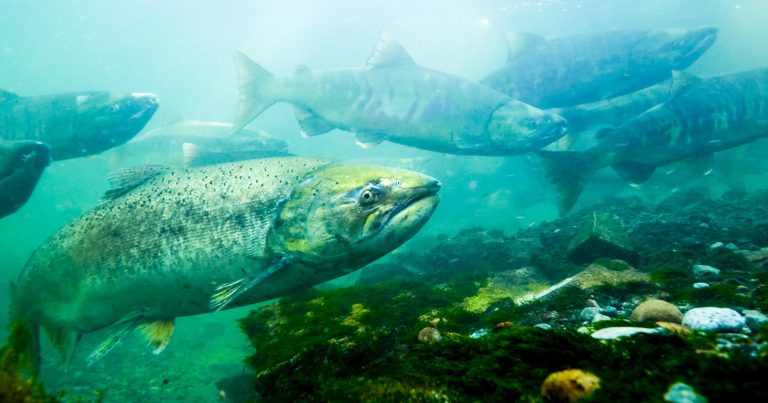
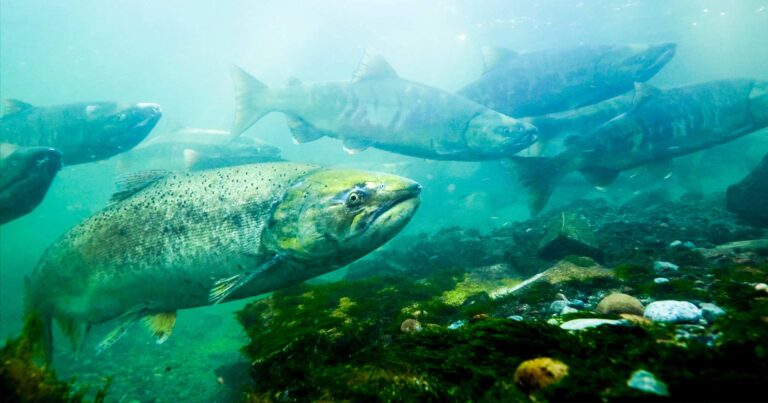
The Fraser is one of the world’s greatest salmon rivers. Despite the Lower Fraser representing only 5% of the entire watershed, it supports more than half of the watershed’s Chinook and chum, 65% of its coho, 80% of its pink, and significant populations of sockeye salmon.
n 2020, a federal review panel concluded that the Terminal 2 shipping expansion project would have significant adverse and cumulative effects to populations of Fraser Chinook.
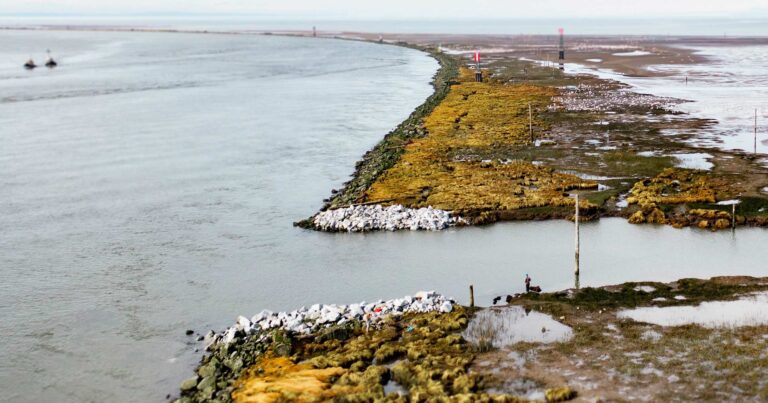
As we move into 2022, our Fraser River Estuary restoration efforts move towards the next target, the North Arm jetty. In late 2021, we finished our Coastal Restoration Fund project, a five year multi-million dollar initiative to restore connectivity between the main arm of the Fraser River and the marsh on Lulu Island’s Sturgeon Bank….
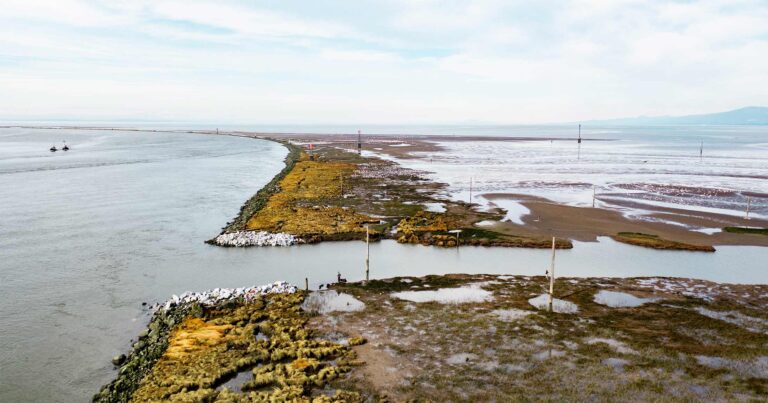
This project has been the largest connectivity restoration project in the Fraser estuary in decades.

Salmon have lost access to as much as 85 per cent of their historical floodplain habitat – the biologically rich wetlands next to a river or stream that typically harbour wildlife – due to dikes and similar infrastructure.
Most of this seasonally available habitat is no longer accessible.