Skip to content
Raincoast Conservation Foundation logo with bear and salmon icon.Raincoast Conservation Foundation icon.
  • Give killer whales a voice
  • What we doExpand
    • Living Economies
    • Wild Salmon
    • Healthy Waters
    • Wolf Conservation
    • Safeguard Coastal Carnivores
    • Cetacean Conservation
    • Forest Conservation
    • Youth Education
    • Research vessel
    • Southern Resident killer whales
  • ScienceExpand
    • Peer-reviewed publications
    • Reports and books
    • Mapping
    • Conservation Genetics Lab
    • Applied Conservation Science Lab
  • AboutExpand
    • Team
    • Raincoast Ocean Science Awards
    • Tracking Raincoast
    • FAQ
    • Events
    • Raincoast store
  • newsExpand
    • Latest
    • Videos
    • Raincoast Radio
    • Press releases
    • Media contacts
Donate
Raincoast Conservation Foundation logo with bear and salmon icon.Raincoast Conservation Foundation icon.

What's new // CDF zone

CDF zone

Notes from the field
Raincoast Radio
Conservation updates
Raincoast updates
Press releases
Science literature
Reports and books
Investigate and inform
Backgrounders
Map science
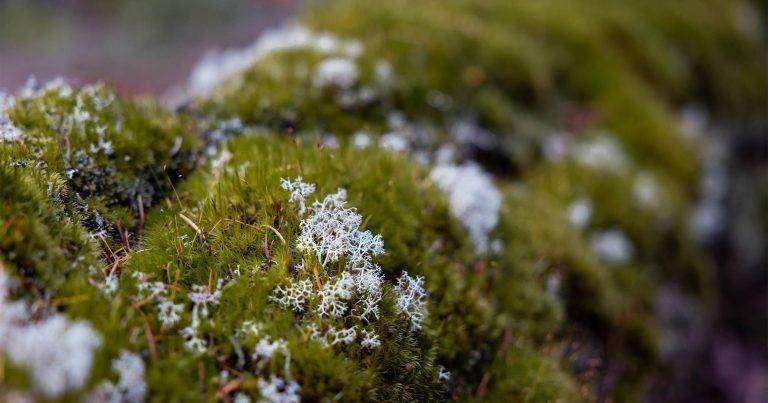
  • Moss and lichen on the forest floor.
    Investigate and inform

    The story of Coastal Douglas-fir forests: The role of education, curiosity, and exploration in conservation

    2022 May 162025 December 15

    According to Parks Canada social scientist, Stephanie Coulson, rebuilding relationships between humans and place is essential to establishing a culture of conservation.

    Read More The story of Coastal Douglas-fir forests: The role of education, curiosity, and exploration in conservationContinue

  • Mason bee on a sea blush flower.
    Investigate and inform

    The story of Coastal Douglas-fir forests: Plant-pollinator communities and connections

    2022 May 22024 July 8

    Dr. Lora Morandin, Research and Conservation Director for Pollinator Partnership and Pollinator Partnership Canada, highlights the importance of pollinators in the CDF and supplies recommendations for how to support them.

    Read More The story of Coastal Douglas-fir forests: Plant-pollinator communities and connectionsContinue

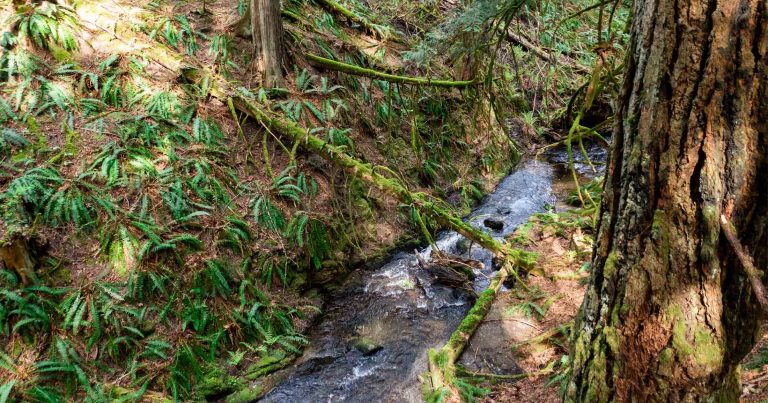
  • Creek running through an intact forest.
    Events

    Introducing Project TEACH (Talking about Ecology and Aims for Conserving Habitat)

    2022 April 272024 July 8

    Every Thursday between May 12th and June 9th, our group of collaborators will be joined by a panel of three experts for a virtual educational session exploring the landscape-level impacts of human decision-making.

    Read More Introducing Project TEACH (Talking about Ecology and Aims for Conserving Habitat)Continue

  • Nancy turner standing in a forest smiling.
    Investigate and inform

    The story of Coastal Douglas-fir forests: Places that have been millennia in the making

    2022 April 112025 December 15

    In this article, Dr. Nancy Turner identifies consultation with First Nation communities as the missing piece in land management practices in the CDF region.

    Read More The story of Coastal Douglas-fir forests: Places that have been millennia in the makingContinue

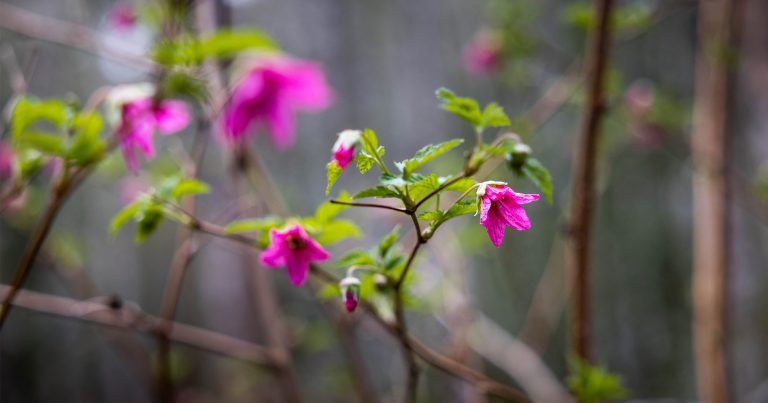
  • Salmonberry bush in bloom.
    Investigate and inform

    The story of Coastal Douglas-fir forests: An ecosystem on the edge

    2022 April 42025 December 15

    This interview with Dr. Rachel Holt, co-author of the stark report: Old growth: Last stand for biodiversity, contributes to the story of Coastal Douglas-fir forests through the lens of old growth protection. Dr. Holt also presents policy options to safeguard the forests that remain. What are the forest values of the Coastal Douglas-fir (CDF) zone…

    Read More The story of Coastal Douglas-fir forests: An ecosystem on the edgeContinue

  • Pileated woodpecker in a cedar tree.
    Investigate and inform

    The story of Coastal Douglas-fir forests: Conservation, connectivity, and individual responsibility

    2022 March 282024 July 8

    In this article, landscape ecologist Jan Kirkby (M.Sc., R.P. Bio) demystifies the CDF classification, explains the importance of CDF protection, and provides recommendations for individual conservation action. 

    Read More The story of Coastal Douglas-fir forests: Conservation, connectivity, and individual responsibilityContinue

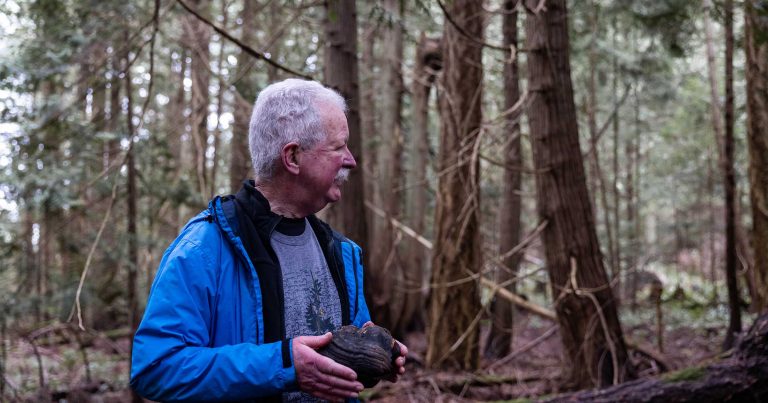
  • Andy MacKinnon holding a conk fungi standing in a forest.
    Investigate and inform

    The story of Coastal Douglas-fir forests: The intrinsic value of forests

    2022 March 212025 December 15

    Andy MacKinnon is one of the modern architects of the widely-used biogeoclimatic forest classification system in British Columbia.

    Read More The story of Coastal Douglas-fir forests: The intrinsic value of forestsContinue

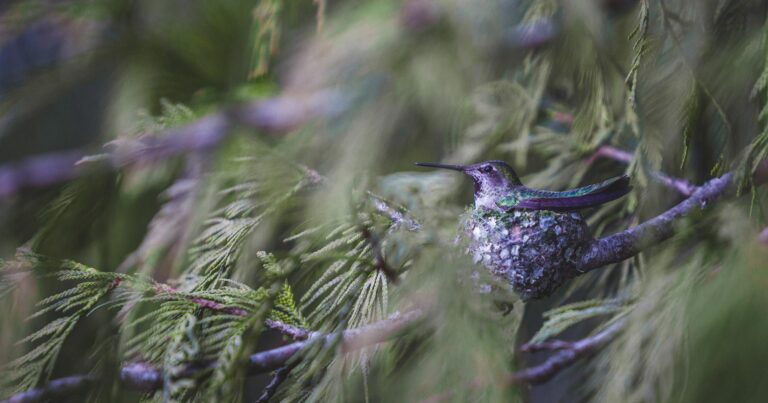
  • Annas Hummingbird sitting in it's nest in a cedar tree.
    Investigate and inform

    The story of Coastal Douglas-fir forests: The “right” management

    2022 March 142024 July 8

    Despite significant losses to biodiversity and connectivity in the Coastal Douglas-fir forests of southern British Columbia, management regimes continue to honor practices that value profits over preservation. According to this interview with registered professional forester, Satnam Manhas, management practices that consider ecology first are required to maintain ecological and economic viability. What is the Coastal…

    Read More The story of Coastal Douglas-fir forests: The “right” managementContinue

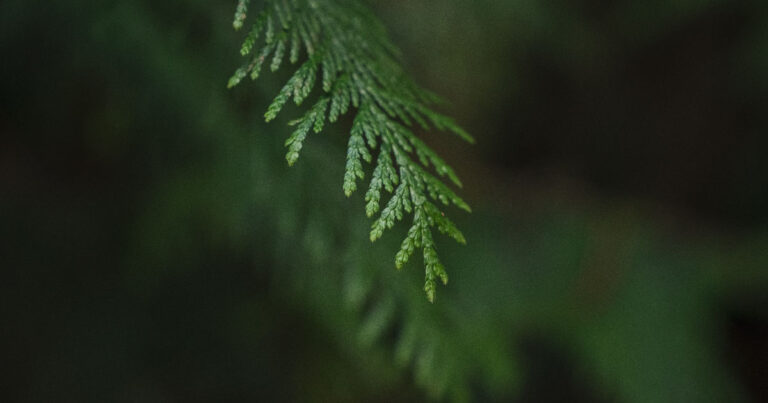
  • Close up photo of a cedar bough.
    Investigate and inform

    BC’s Coastal Douglas-fir zone needs protection now

    2021 February 92024 December 16

    In an era where climate change is a modern reality and biodiversity is in crisis the world over, the province’s continued support of industrial logging in old growth forests is out of sync with global scientific consensus and policy objectives. This is especially true in the Coastal Douglas-fir (CDF) biogeoclimactic zone, the smallest and most endangered of 16 such zones in BC…

    Read More BC’s Coastal Douglas-fir zone needs protection nowContinue

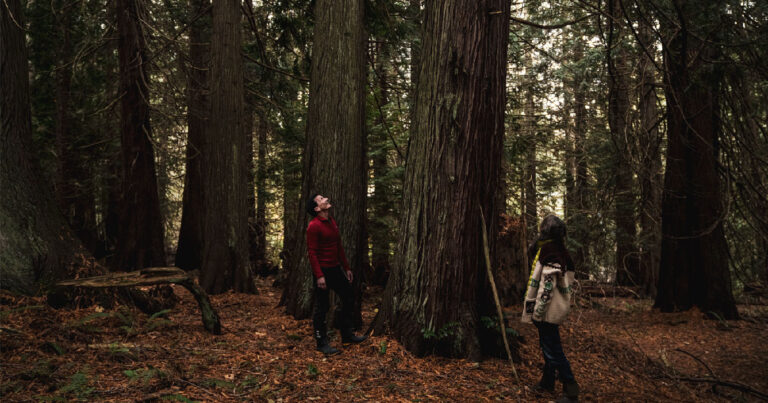
  • Misty MacDuffee and Chris Genovali looking up at a very large cedar tree in a cedar grove.
    Conservation updates

    The home stretch to permanently protect S,DÁYES Flycatcher Forest

    2021 January 182024 October 23

    It was in late November when we launched our initiative to purchase and permanently protect the S,DÁYES Flycatcher Forest. We determined the sale price and set our goal to raise $395,000 by April. Now, less than 2 months into our 6 month fundraising campaign, we are less than $20,000 away from meeting our target…

    Read More The home stretch to permanently protect S,DÁYES Flycatcher ForestContinue

  • A tiny songbird rests for a moment on a root at S,DÁYES Flycatcher Forest.
    Conservation updates

    Announcing Raincoast’s newest conservation initiative

    2020 November 242024 July 8

    In partnership with the Pender Islands Conservancy, we need to raise $395,000 to purchase a 13 acre property on North Pender Island…

    Read More Announcing Raincoast’s newest conservation initiativeContinue

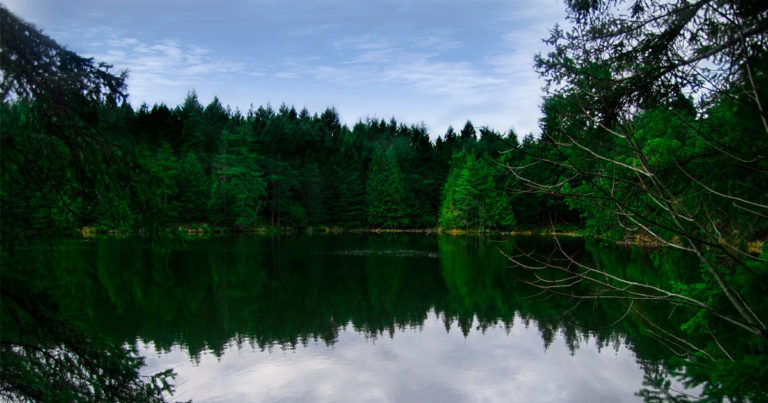
  • Roe Lake on North Pender, on a blue sky day.
    Conservation updates

    Protecting the evergreen giants at the edge of the sea

    2020 February 192024 July 8

    The rainshadow region, extending across the southeastern coast of Vancouver Island from Metchosin to Deep Bay; covering the Gulf Islands, and reaching the Sunshine Coast, has been subject to rampant land conversion–by some estimates up to 50%…

    Read More Protecting the evergreen giants at the edge of the seaContinue

Page navigation

Previous PagePrevious 1 2

Registered Charity Number in Canada

#889643565 RR0001
More information

Facebook Twitter Instagram YouTube Vimeo Linkedin
  • About Raincoast
  • Events
  • Career
  • Volunteer
  • Privacy policy

.eco profile for raincoast.eco

  • Subscribe
  • Mail a cheque
  • Raincoast Ocean Science Awards
  • Contact Us
  • FAQ
  • Newsroom
  • Press releases
  • Press assets policy
  • Publications
  • Backgrounders
  • Conservation ethics
  • Photography ethics
  • Notes from the field
  • Scientific literature
  • Backgrounders

© 2026 Raincoast | W̱SÁNEĆ Territory
Site supported by Pink Sheep Media.

Scroll to top
Search
  • Raincoast Conservation Foundation
  • Give killer whales a voice
  • What we do
    • Living Economies
    • Wild Salmon Conservation
      • Managing Salmon for Wildlife
      • Climate
      • Fisheries Management
      • Trans Mountain Expansion
      • Policy and Governance
      • Habitat Restoration
      • Roberts Bank Terminal 2
    • Healthy Waters
      • Spill response
      • Plastic pollution
      • Mobile lab
    • Wolf Conservation
      • Protect wolves
      • Coastal wolves
      • Wolf School
    • Safeguarding Coastal Carnivores
      • A 25 year history
      • GBR map
    • Forest Conservation
      • Land Trust
      • S,DÁYES Flycatcher Forest
      • KELÁ_EKE Kingfisher Forest
      • Big Tree Registry
      • Project TEACH
    • Cetacean Conservation
      • Cetacean Conservation Research
      • Beluga research
      • Whale Sanctuary Listening Station
      • Sunshine Coast Underwater Listening Station
    • Southern Resident killer whales
      • Ten years of work
      • Take action
    • Raincoast Education
      • Online education: Coastal Insights
      • Outdoor education
    • Achiever, research vessel
      • More about Marine Operations
      • Where are we?
      • Re-Power Achiever
  • Science
    • Publications
    • Reports and books
    • Mapping
    • Raincoast Lab
    • Genetics Lab
  • About Raincoast
    • Team members and staff
    • Tracking Raincoast
    • FAQ
    • Calendar of events
    • Raincoast Ocean Science Awards
  • News
    • Videos
    • Press releases
    • Media contacts
  • Donate
Facebook Twitter Instagram Linkedin
Search