Bold, sustained action can revitalize wild Pacific salmon in the lower Fraser River
New research shows that Wild Salmon populations in the Fraser can recover if action is taken now.


New research shows that Wild Salmon populations in the Fraser can recover if action is taken now.

This article synthesises the information shared by the eighteen experts who contributed to Project TEACH.
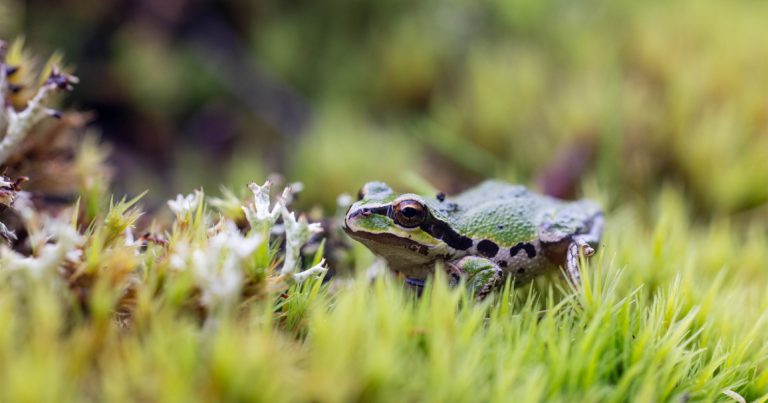
In this article, Elke Wind describes the amphibian species common to the Coastal Douglas-fir biogeoclimatic zone; identifies their preferred habitat types; and makes recommendations for strengthening amphibian protection.
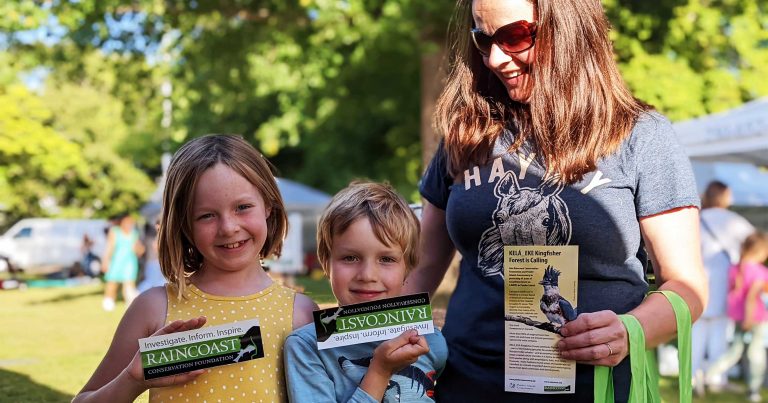
You can find Raincoast at the Moss Street Market on Saturday, August 6th from 10am-2pm and at the Esquimalt Farmers Market on Thursday, August 18th from 4:30-7:30pm.
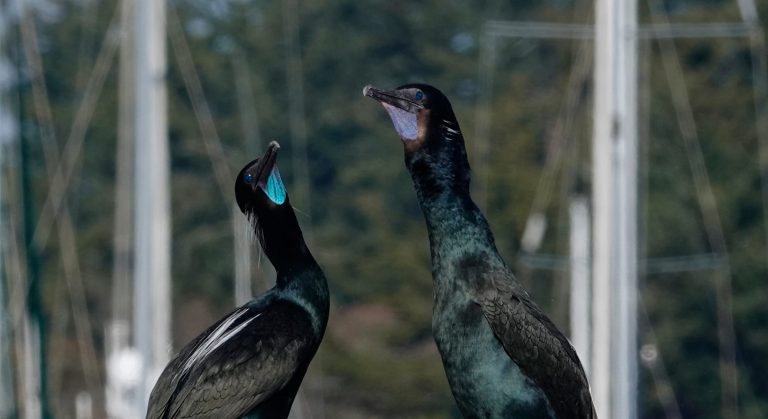
Ann Nightingale, from the Rocky Point Bird Observatory in Victoria, BC, introduces bird species common to the Coastal Douglas-fir biogeoclimatic zone and shares recommendations for how people can better protect them.
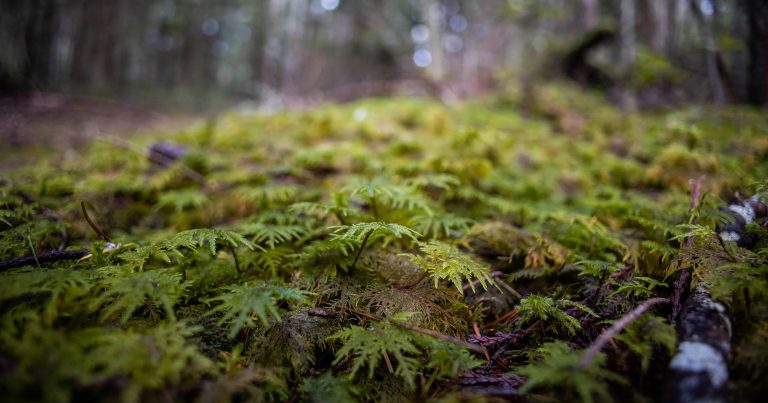
This article systematically reviews the literature on ecotype designations and reflects on recent advances in genetic science to show that genetic analyses can provide concrete evidence for the designation of ecotypes, which has implications for conservation decision making.
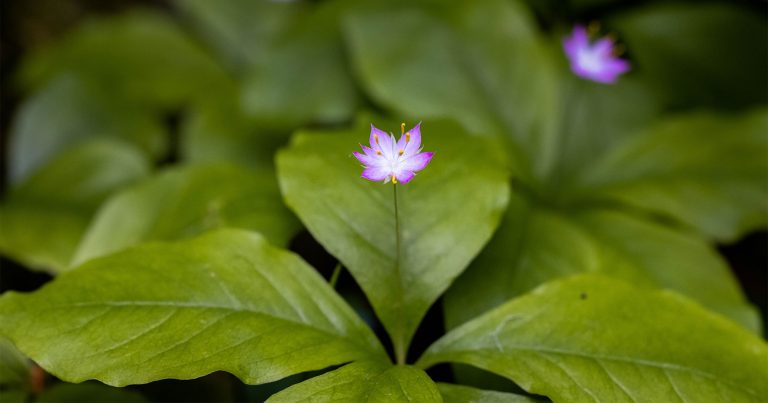
We are thrilled to have seven interns join our team through the federal government’s Canada Summer Jobs program and UBC’s Sustainability Scholar program.
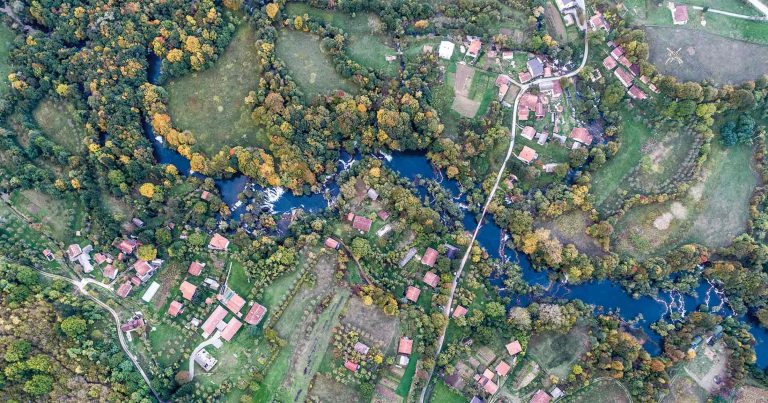
Denis shared his story of leaving Bosnia as a war refugee and becoming an activist through Patagonia’s blog. It’s such an impactful story and we are grateful to share it with our community.
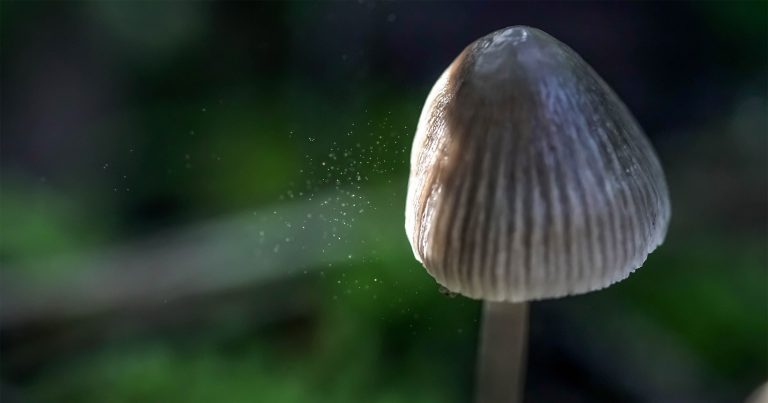
Collecting your stories and/or observations of change will not only broaden understanding of CDF ecosystems, but it also provides an opportunity for community engagement and science to work collaboratively.

As a way to celebrate the impact youth are making in their communities, Raincoast and Take a Stand organized another Student Innovation Challenge.

Photography is a key tool in our communication and, as with our scientific research, we have an extensive ethics protocol that we follow and share with photographers who contribute images to us. A reality of wildlife photography is that, whether intentional or not, photographers have an effect on their subjects. These disturbances take place when…

This work is part of our Fraser River Connectivity Project, our five-year restoration project to create openings in several of the man-made barriers in the Fraser Estuary that prevent the natural migration of juvenile salmon.