Synthesis of the Gulf Islands Webinar Series
This article is a synthesis of the key takeaways from that series to address the twin biodiversity and climate crisis on a local scale.



This article is a synthesis of the key takeaways from that series to address the twin biodiversity and climate crisis on a local scale.

Beluga whales produce a multitude of sounds for a variety of functions. To date, calls used for group cohesion and for mother-calf contact, known as ‘contact calls’, are the best understood 4,6,8,11,13,14. The fact that contact calls sound nothing like the typical chirps and whistles that are common in the beluga vocal repertoire, but instead…

On this episode of the Future Ecologies podcast, Doug (Muq’vas Glaw) Neasloss and Kyle Artelle illustrate the issues with the NAM by telling the story of provincial management of grizzly bear hunting in the Great Bear Rainforest. However, they also illustrate an alternative to the NAM, a decolonial model rooted in Indigenous sovereignty that has made the Great Bear Rainforest a bright-spot for bear conservation .

Spirits of the Coast brings together the work of marine biologists, Indigenous knowledge keepers, poets, artists and storytellers, united by their enchantment with the orca.

Paige Griffin shares her experience interning with Raincoast’s Gulf Islands Forest Project.

Senior Scientist and Co-Director of our Cetacean Conservation Research Program, Dr. Valeria Vergara, is teaching the course, which is part of the SFU’s Continuing Studies Program.

This installment is the second in a series of several articles seeking to explore the ways ecosystems differ between the islands within the Coastal Douglas-fir (CDF) biogeoclimatic zone. Rob Brockley, President of the Gabriola Land and Trails Trust, explains the ways topography, soil conditions, and increasing development pressure have influenced and continue to shape the…

Field notes from a group of youth learning about restoration and conservation on Pender Island.
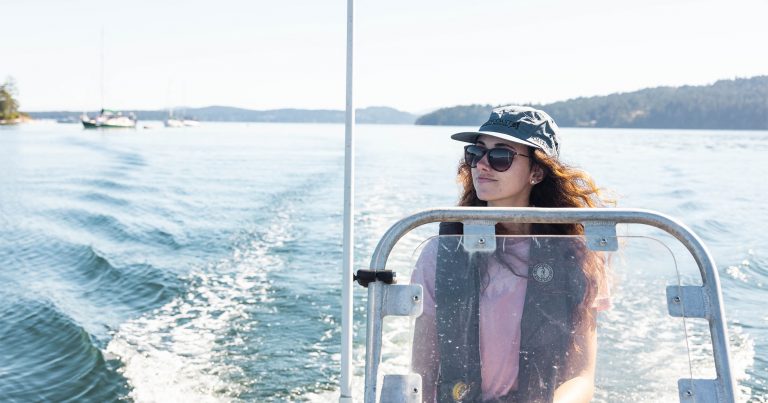
We are excited that Pascale Campagna-Slater joined our team this spring!
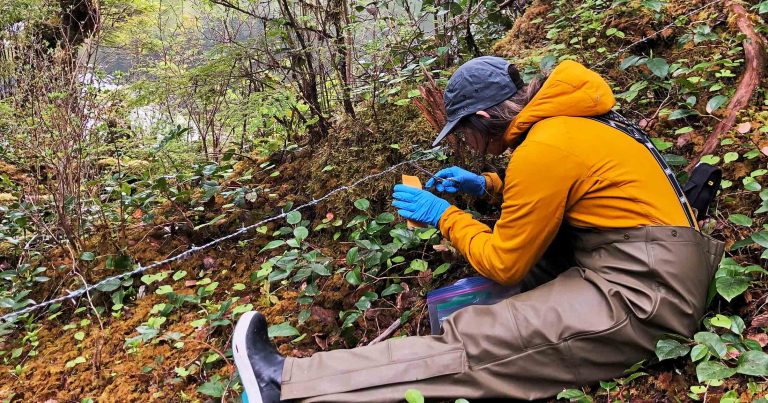
The Bear Project, originally started in 2006 by William Housty and his team at QQS (Eyes) Projects Society, focuses on gaining a greater understanding of bears in Heiltsuk territory.
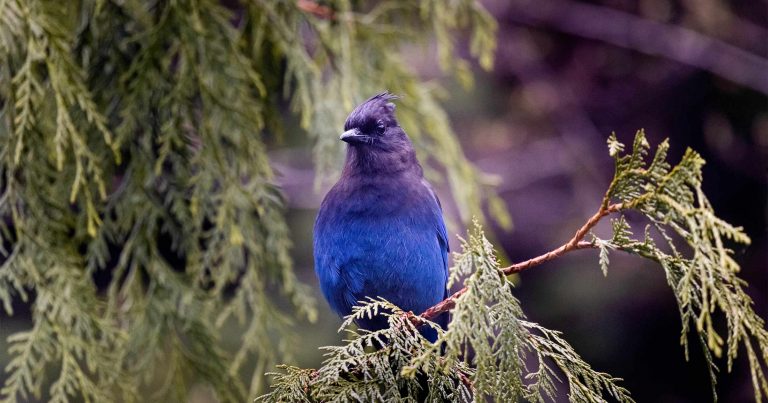
We must work together toward local solutions.
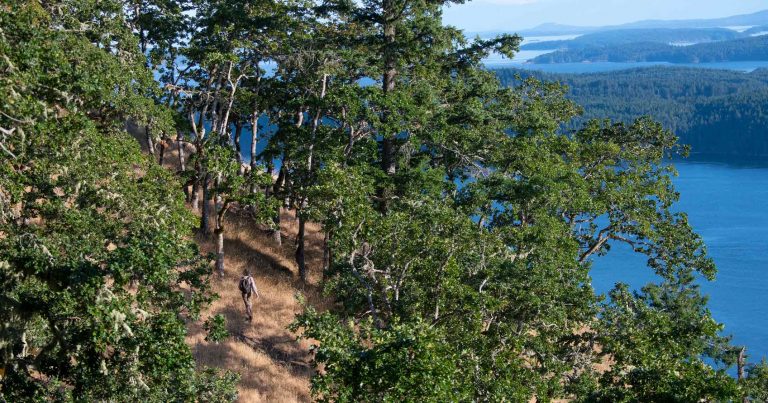
The project takes a watershed-wide scope to improve understanding of both existing and historical ecological conditions. The first question we aim to answer is: how has modification via forestry, fire, wetland drainage, etc. influenced hydrological dynamics, availability and quality of freshwater (i.e. source drinking water), and local forest ecology? We seek to find answers to…