Oil and chemical spill tracking

Spills of oil and chemicals into freshwater and ocean environments have killed fish, degraded habitat, and led to closures of commercial, recreational, and Indigenous fisheries. Raincoast’s Healthy Waters Program is positioned to collect data at the scene of a spill and collaborate with various organizations and First Nations to understand the impact of a spill. 

Tracker will host a number of rugged analytical instruments, and enable the measurement of several contaminants in the field, including coliform bacteria, nutrients, metals, pesticides, and tracers of wastewater effluent.
Photo by Peter Ross.
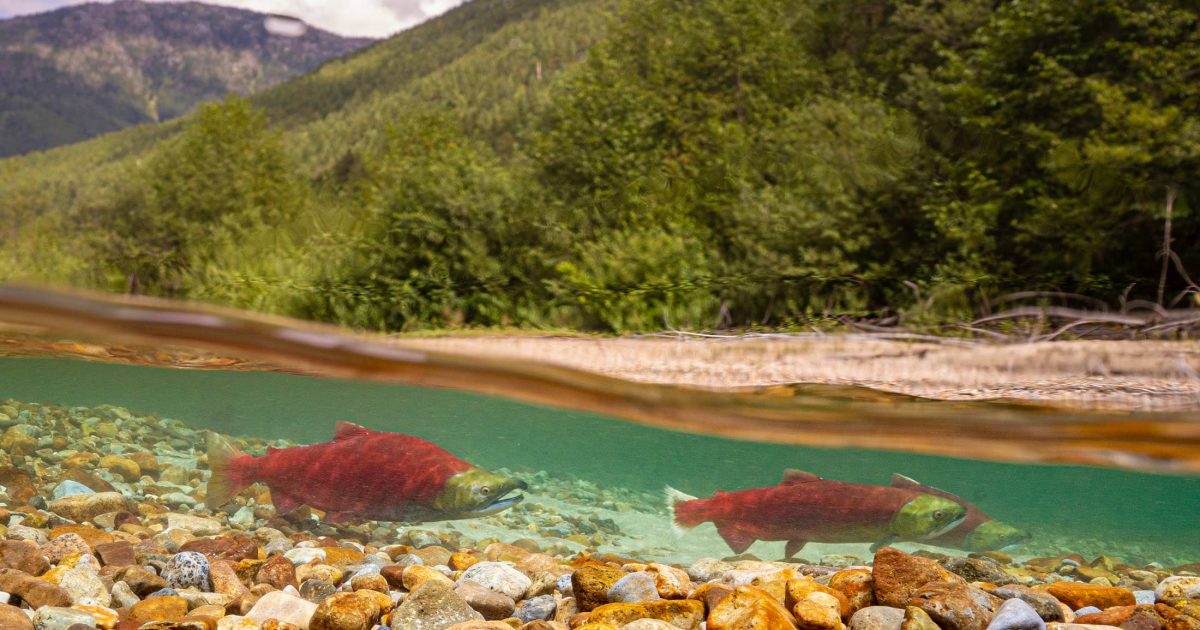
Two sockeye salmon swimming in a river.
Photo by Fernando Lessa.

Spills happen

Spills originate from all manner of accidents. The 2005 train derailment that spilled caustic soda into the Cheakamus River that killed 500,000 fish, The 2015 spill of 3,000 L of Bunker C oil from the MV Marathassa into English Bay. The 2020 fire aboard the MV ZIM Kingston in Juan de Fuca Strait that resulted in the loss of 104 mixed cargo shipping containers into the ocean. Each and every accident is bad news, and threatens the health of fish and whales, and contributes to the degradation of their habitats.

Being prepared is key

Given the sudden and unpredictable nature of oil and chemical spills, our oil and chemical spill response work entails being agile and available for support to First Nations, government agencies, and industry during a major spill. We are developing science protocols, and acquiring sampling kits, field equipment, and safety gear, and are poised to deploy our team to the scene of a spill. 

Being prepared on all fronts is key to limiting the damage from a spill. We recognize that with spills, it’s not a matter of if, but when. Research and monitoring to confirm the origin of the spill, track the fate of the spilled product, and monitor the recovery of ecosystem components routinely fails to be a priority. We will deploy expert capacity where and when needed, and work to prevent harm to valued ecosystem components.
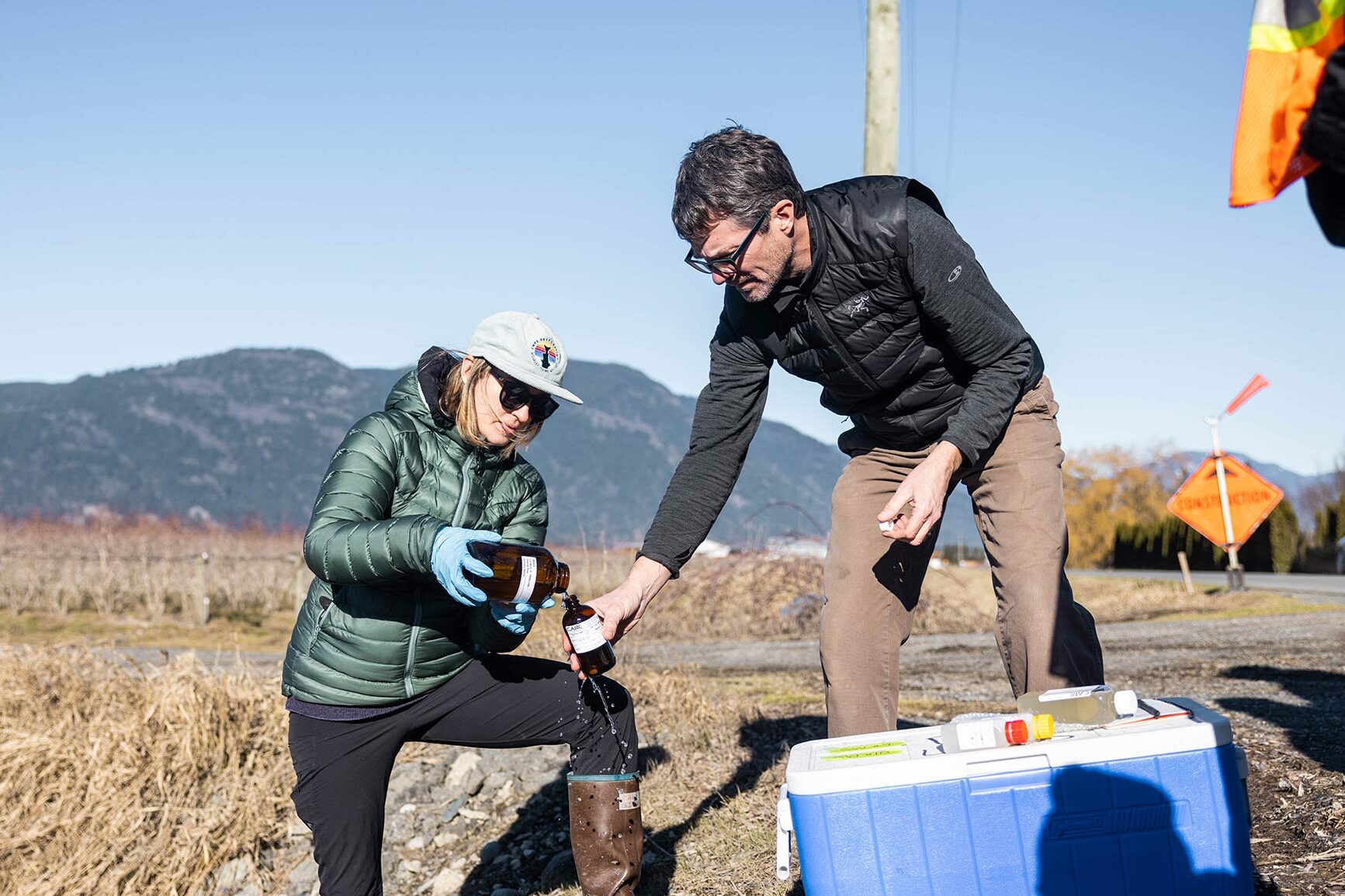
Two people working together to collect water samples in a farm field with the mountains in the background.
Photo by Alex Harris.
https://www.raincoast.org/reports/flood

Semá:th X̱ó:tsa (Sumas Lake) Floods of 2021

The catastrophic floods of late 2021 in southern British Columbia (Canada) and neighbouring Washington State (USA) destroyed homes, farms and businesses, with excess water spilling debris, animal carcasses and diesel fuel into historically productive fish habitat. 

We assembled a team to assess water quality in the former Semá:th X̱ó:tsa (Sumas Lake) area of the Fraser Valley over a seven-week period after the floods. We collected water samples from 11 surface water sites and four groundwater sites for comprehensive contaminant analysis and a subsequent risk-based evaluation. We measured 379 analytes (chemical components and bacteria), including 262 anthropogenic contaminants. We examined excess nutrients, metals, fecal coliform, hydrocarbons, pesticides, pharmaceuticals, and personal care products, perfluorinated compounds, sucralose, and tire-related chemicals.

Recent articles

dummy-img

We should be suspicious of grizzly bear numbers

By Chris Genovali, Executive Director Raincoast Conservation Vancouver Sun Published: Wednesday, May 14, 2008 Re: Bear attack prompts conservation officers to issue vigilance warning, May 8 In the article a spokesman for the provincial Ministry of the Environment claims that there are 17,000 grizzly bears in British Columbia. There is no credible basis for this…
dummy-img

Environmentalists decry hunting's record toll on B.C. grizzlies

MARK HUME From Tuesday’s Globe and Mail April 15, 2008 at 3:57 AM EDT VANCOUVER – A record number of grizzly bears were killed in British Columbia last year, according to new figures released yesterday by environmental organizations. “It’s kind of shocking … very disturbing,” Chris Genovali of the Raincoast Conservation Society said of provincial…
dummy-img

Rally sounded a warning. Is anybody listening?

Island’s old-growth forests continue to disappear while governments do little Special to Times Colonist, Page A11,  April 03, 2008 It was heartening to see the strong show of support for Vancouver Island’s dwindling old growth forests (“Logging protesters circle legislature,” Times Colonist March 29) at the rally over the weekend. The Western Canada Wilderness Committee…
dummy-img

Greens call for grizzly-hunt moratorium after record year of kills

John Colebourn, The Province Published: Thursday, April 17, 2008 A record number of grizzly bears was killed in B.C. last year, prompting environmental groups to call for a moratorium on hunting the animals. Statistics obtained by the Raincoast Conservation Society show 430 grizzlies were killed in B.C. in 2007.
dummy-img

Calculating the true cost of salmon farming

The Georgia Straight April 3, 2008 By Chris Genovali There has been a strong push recently by governments in both the United States and Canada for citizens to increase their fish consumption because of health benefits. This presumptive dietary shift, along with the fact that the bulk of seafood caught in Canadian waters is exported,…
A black wolf stands on the edge of the water.

Notes from the Lab

Biologist Rainforest Wolf ProjectParasitology labUniversity of Saskatchewan, Saskatoon Peering down the eyepiece of my microscope, I scan a slide for larval stages of parasites. I find one that is familiar-a brown, translucent egg of the tapeworm Diphyllobothrium-and begin to count. One, two …. With the Wolf Project crew out of the field, our dedicated lab…
dummy-img

Fin Whale Frenzy

By Ian McLeod Marine Mammal Observer Journal Entry – October 2007 It was another early start for Raincoast’s marine mammal survey team as we needed every minute of light to complete the long transect from Haida Gwaii to the mainland in less than favourable conditions—cold winds and a slopping two-metre swell that seemed to come…
dummy-img

Oil Subsidies Undermine Tax

By CHRIS GENOVALI Victoria Times Colonist: Letters to the Editor Published: Thursday, February 21, 2008 While the Liberals try to foster a transition to a low-carbon economy via the new carbon-pricing initiative, their budget announcement simultaneously includes a 24 per cent increase in oil and gas subsidies, in addition to further funding and promotion of…