Oil and chemical spill tracking

Spills of oil and chemicals into freshwater and ocean environments have killed fish, degraded habitat, and led to closures of commercial, recreational, and Indigenous fisheries. Raincoast’s Healthy Waters Program is positioned to collect data at the scene of a spill and collaborate with various organizations and First Nations to understand the impact of a spill. 

Tracker will host a number of rugged analytical instruments, and enable the measurement of several contaminants in the field, including coliform bacteria, nutrients, metals, pesticides, and tracers of wastewater effluent.
Photo by Peter Ross.
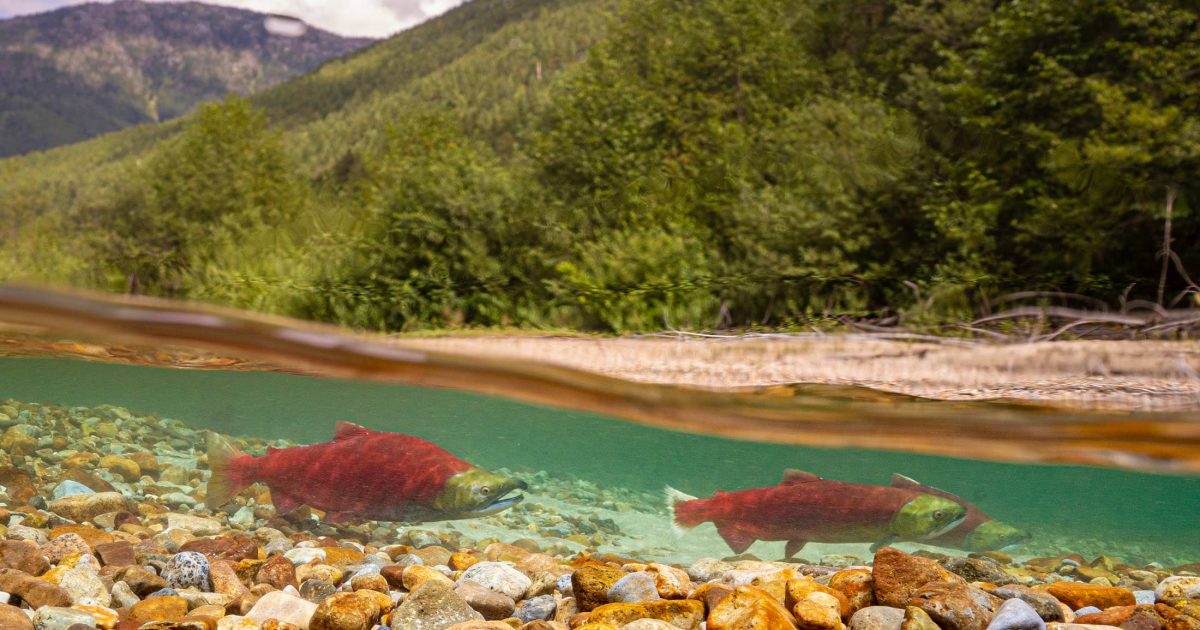
Two sockeye salmon swimming in a river.
Photo by Fernando Lessa.

Spills happen

Spills originate from all manner of accidents. The 2005 train derailment that spilled caustic soda into the Cheakamus River that killed 500,000 fish, The 2015 spill of 3,000 L of Bunker C oil from the MV Marathassa into English Bay. The 2020 fire aboard the MV ZIM Kingston in Juan de Fuca Strait that resulted in the loss of 104 mixed cargo shipping containers into the ocean. Each and every accident is bad news, and threatens the health of fish and whales, and contributes to the degradation of their habitats.

Being prepared is key

Given the sudden and unpredictable nature of oil and chemical spills, our oil and chemical spill response work entails being agile and available for support to First Nations, government agencies, and industry during a major spill. We are developing science protocols, and acquiring sampling kits, field equipment, and safety gear, and are poised to deploy our team to the scene of a spill. 

Being prepared on all fronts is key to limiting the damage from a spill. We recognize that with spills, it’s not a matter of if, but when. Research and monitoring to confirm the origin of the spill, track the fate of the spilled product, and monitor the recovery of ecosystem components routinely fails to be a priority. We will deploy expert capacity where and when needed, and work to prevent harm to valued ecosystem components.
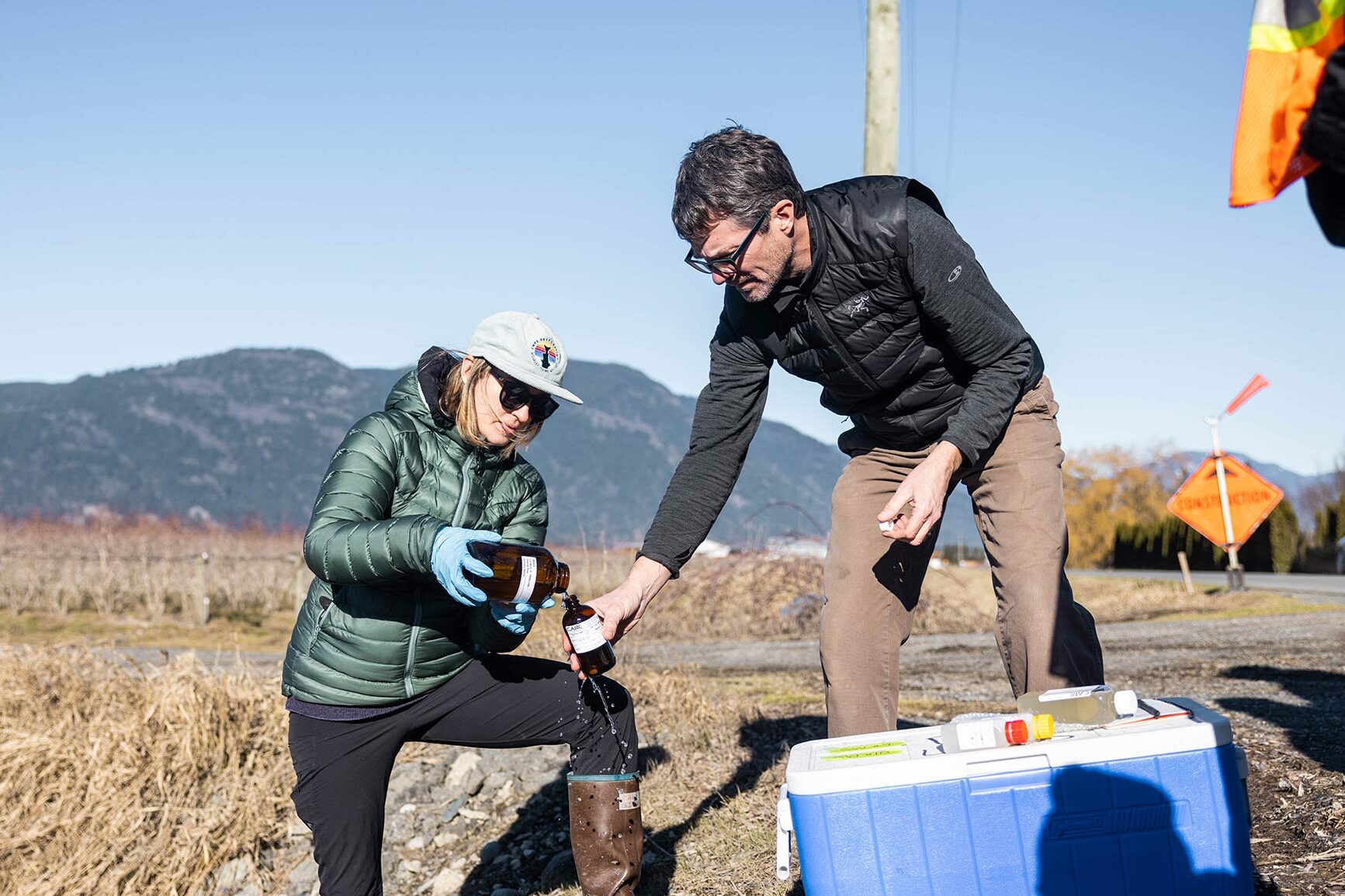
Two people working together to collect water samples in a farm field with the mountains in the background.
Photo by Alex Harris.
https://www.raincoast.org/reports/flood

Semá:th X̱ó:tsa (Sumas Lake) Floods of 2021

The catastrophic floods of late 2021 in southern British Columbia (Canada) and neighbouring Washington State (USA) destroyed homes, farms and businesses, with excess water spilling debris, animal carcasses and diesel fuel into historically productive fish habitat. 

We assembled a team to assess water quality in the former Semá:th X̱ó:tsa (Sumas Lake) area of the Fraser Valley over a seven-week period after the floods. We collected water samples from 11 surface water sites and four groundwater sites for comprehensive contaminant analysis and a subsequent risk-based evaluation. We measured 379 analytes (chemical components and bacteria), including 262 anthropogenic contaminants. We examined excess nutrients, metals, fecal coliform, hydrocarbons, pesticides, pharmaceuticals, and personal care products, perfluorinated compounds, sucralose, and tire-related chemicals.

Recent articles

dummy-img

Exxon Valdez: Lessons for BC An evening with Dr. Riki Ott

Betrayal and Courage in the wake of the Exxon Valdez Oil Spill: Lessons for British Columbia A public talk by Dr Riki Ott, Friday March 6, 7:00pm, Vancouver Aquarium In the face of renewed proposals for crude oil tankers on BC’s coast, understanding the lessons of the Exxon Valdez oil spill has never been more…
dummy-img

Bute Inlet Hydroelectric Project Open House

A massive hydroelectric development is proposed for Bute Inlet involving 17 river diversions and a peak generating capacity of 1,027 MW – more than the proposed Site C project. The public has not been properly consulted.  Come to the Open House to find out more. Victoria Wednesday February 11, University of Victoria Elliott Building Room…
dummy-img

Raincoast scientists contribute to paper on impacts of commercial harvesting

Raincoast scientists Dr. Chris Darimont and Dr. Paul Paquet are authors on an important paper published this week in the Proceedings of the National Academy of Sciences.’a0 The paper examines the impacts of commercial harvesting on plants and animals.
dummy-img

Old growth clearcuts are pushing out deer

Victoria News January 14, 2009 by Chris Genovail Re: “Petition Calls For End To Old Growth Logging On Vancouver Island” The Ministry of Environment has acknowledged that the Island’s cougar and wolf populations have been in decline as a result of a drop in the deer population, which is linked to the clearcut logging of…
dummy-img

Campbell’s contradictions on fossil fuel development

FOCUS Magazine January 2009 by Chris Genovali In Katherine Gordon’s “The Inconvenient Truth About Her Axe and His Tax,” Premier Gordon Campbell’s facile explanation regarding the stark disconnect between his implementation of the carbon tax and his continued support for intensive fossil fuel development escapes indepth scrutiny.
dummy-img

Pipeline Peril

Calgary Herald January 4, 2009 by Chris Genovali Re: “Syncrude duck deaths cap oilpatch’s ‘dirty’ year,” Dec. 29. The oilsands could impact avian life beyond the waterfowl migrating through and nesting in Alberta’s boreal forest.
dummy-img

Maple Leaf Adventures

Maple Leaf Adventures has supported Raincoast from the beginning, for its important research, education and advocacy on the Great Bear Rainforest. To learn about touring the Great Bear Rainforest – including Raincoast’s field station – you can read about Maple Leaf’s Great Bear Rainforest adventure cruises.
dummy-img

The cry of the wolf

Globe and Mail December 19, 2008 by Chris Darimont and Chris Genovali With dismay we read Mark Hume’s article (B.C.’s Quiet War On Wolves – Dec.15). Emboldened by the forest industry and hunting groups, the province has demonized and made scapegoats of wolves for the decline of everything from marmots to mountain caribou.