Oil and chemical spill tracking

Spills of oil and chemicals into freshwater and ocean environments have killed fish, degraded habitat, and led to closures of commercial, recreational, and Indigenous fisheries. Raincoast’s Healthy Waters Program is positioned to collect data at the scene of a spill and collaborate with various organizations and First Nations to understand the impact of a spill. 

Tracker will host a number of rugged analytical instruments, and enable the measurement of several contaminants in the field, including coliform bacteria, nutrients, metals, pesticides, and tracers of wastewater effluent.
Photo by Peter Ross.
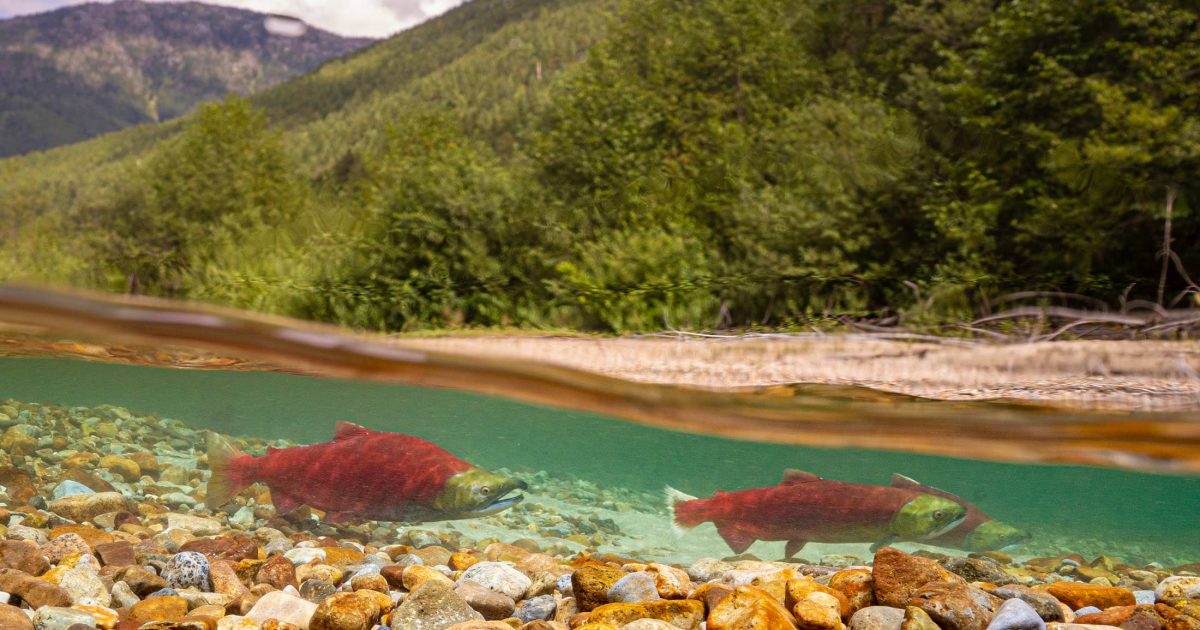
Two sockeye salmon swimming in a river.
Photo by Fernando Lessa.

Spills happen

Spills originate from all manner of accidents. The 2005 train derailment that spilled caustic soda into the Cheakamus River that killed 500,000 fish, The 2015 spill of 3,000 L of Bunker C oil from the MV Marathassa into English Bay. The 2020 fire aboard the MV ZIM Kingston in Juan de Fuca Strait that resulted in the loss of 104 mixed cargo shipping containers into the ocean. Each and every accident is bad news, and threatens the health of fish and whales, and contributes to the degradation of their habitats.

Being prepared is key

Given the sudden and unpredictable nature of oil and chemical spills, our oil and chemical spill response work entails being agile and available for support to First Nations, government agencies, and industry during a major spill. We are developing science protocols, and acquiring sampling kits, field equipment, and safety gear, and are poised to deploy our team to the scene of a spill. 

Being prepared on all fronts is key to limiting the damage from a spill. We recognize that with spills, it’s not a matter of if, but when. Research and monitoring to confirm the origin of the spill, track the fate of the spilled product, and monitor the recovery of ecosystem components routinely fails to be a priority. We will deploy expert capacity where and when needed, and work to prevent harm to valued ecosystem components.
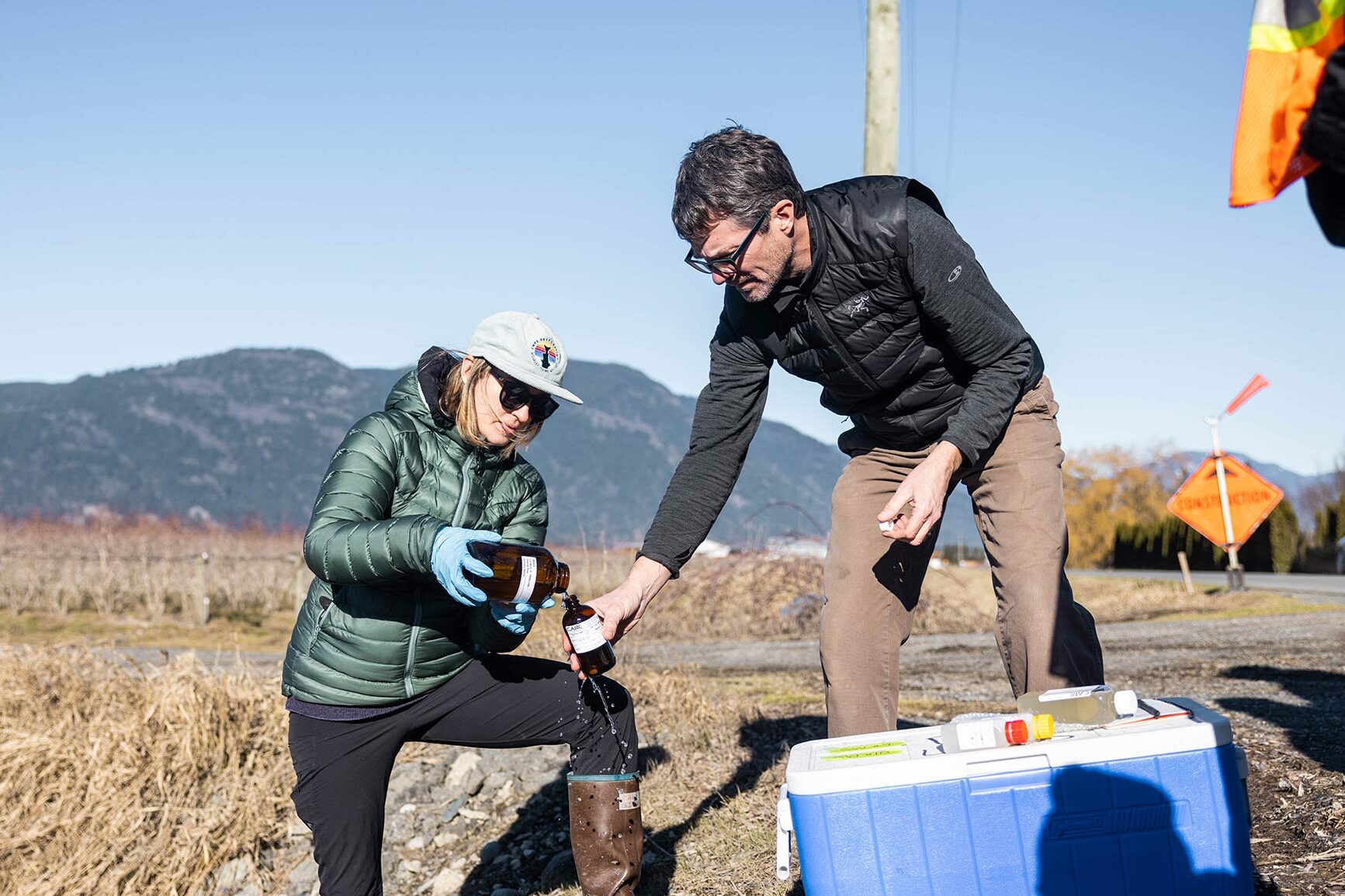
Two people working together to collect water samples in a farm field with the mountains in the background.
Photo by Alex Harris.
https://www.raincoast.org/reports/flood

Semá:th X̱ó:tsa (Sumas Lake) Floods of 2021

The catastrophic floods of late 2021 in southern British Columbia (Canada) and neighbouring Washington State (USA) destroyed homes, farms and businesses, with excess water spilling debris, animal carcasses and diesel fuel into historically productive fish habitat. 

We assembled a team to assess water quality in the former Semá:th X̱ó:tsa (Sumas Lake) area of the Fraser Valley over a seven-week period after the floods. We collected water samples from 11 surface water sites and four groundwater sites for comprehensive contaminant analysis and a subsequent risk-based evaluation. We measured 379 analytes (chemical components and bacteria), including 262 anthropogenic contaminants. We examined excess nutrients, metals, fecal coliform, hydrocarbons, pesticides, pharmaceuticals, and personal care products, perfluorinated compounds, sucralose, and tire-related chemicals.

Recent articles

A group of orca whales swimming in the water.

B.C. oil profits may come at a high price

By Chris Genovali, Paul Paquet and Misty MacDuffee Special to the Times Colonist To borrow a phrase from Franklin Delano Roosevelt, today is a day that will live in infamy.
dummy-img

Report warns of catastrophic oil spill in waters north of Vancouver Island

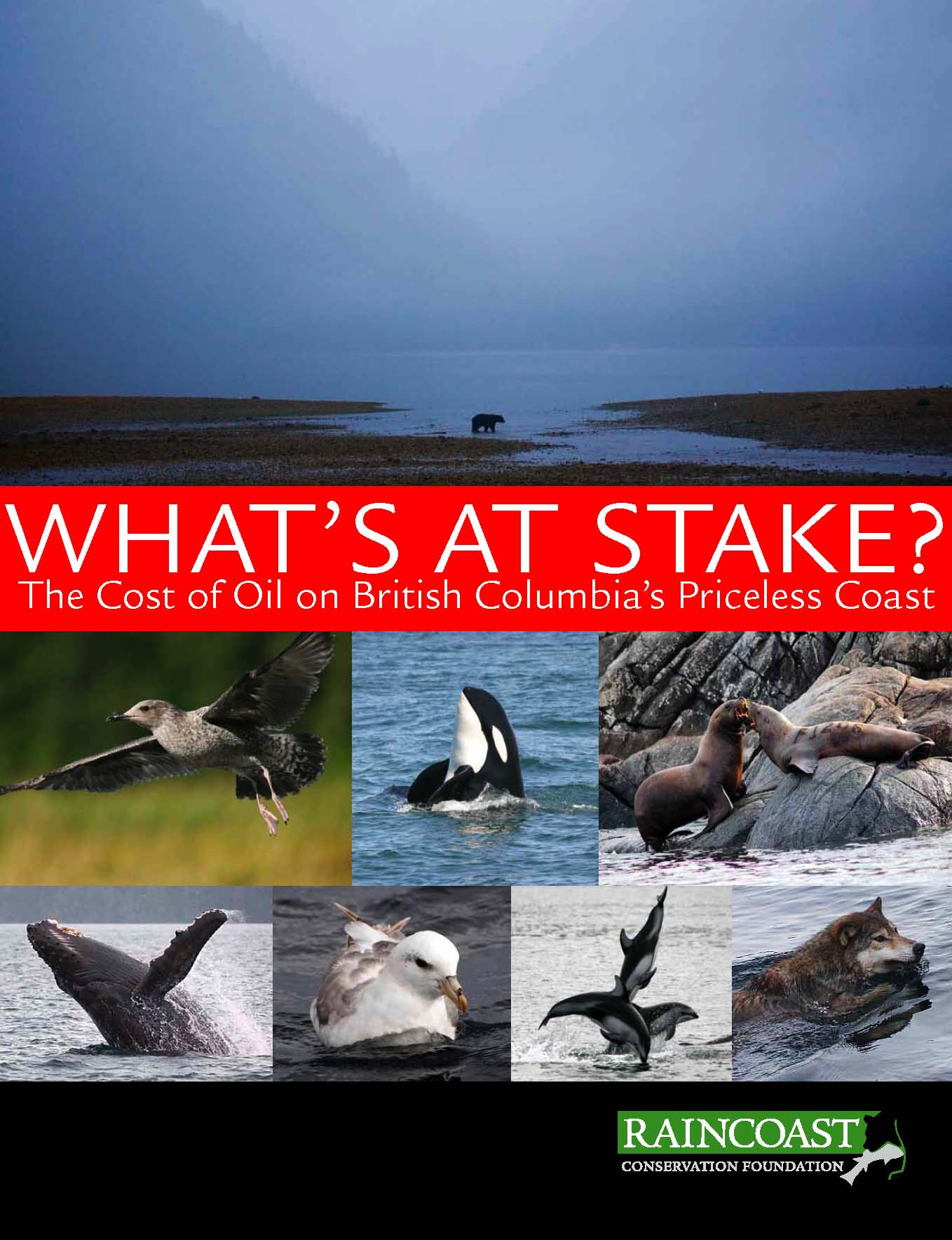
Conservation group states case against pipeline, coastal shipping By Judith Lavoie, Victoria Times Colonist, March 23, 2010 Whales, wolves, bears and birds would be devastated by an oil spill in the waters north of Vancouver Island and off Haida Gwaii, says an extensive new study. What’s at Stake: The Cost of Oil on British Columbia’s…
dummy-img

An oil spill could be ‘catastrophic’ for British Columbia killer whales

Orca population would not survive an ecological incident, researchers say By Nicholas Read, Special To The Sun March 22, 2010 British Columbia killer whales could become extinct in the long term if an oil spill similar in scope to that from the Exxon Valdez occurred off the coast of B.C., says a conservation biologist with…
A wolf laying on a pile of wood.

We’re a never-kill-wolf province, public says

B.C. government faced with tough decision on caribou recovery issue By Larry Pynn, Vancouver Sun, March 18, 2010 The public has rejected the idea of an aerial wolf kill in B.C. to benefit threatened mountain caribou, even before the first gun has been loaded.
A bird flying in the sky with trees in the background.

Meet the Raincoast Marine Team

In 2007, the crew surveyed the stormy waters off BC’s central and north coast until December, in order to expand our understanding of abundance and distribution patterns of animals throughout the year…
dummy-img

Groups call for emergency corridor for wild salmon smolts: closure of three fish farms

Dan Maclennan, Courier-Islander Wednesday, March 10, 2010 A host of environmental, recreation and tourism organizations are calling on Ottawa to shut down three fish farms to create an emergency corridor for out-migrating wild salmon smolts.
dummy-img

Raincoast’s Oscar pick

Raincoast joins with other national and international organizations to support James Cameron and send a message about the Alberta Tar Sands Project that would bring oil tankers to the BC coast. Click here to see the ad in Hollywood’s Variety Magazine.
A dark morph Northern fulmar flies over the blue gray waters of the Pacific Ocean off the coast of BC.

Marine Bird Research Takes Flight

I was on my back on the aft deck of the research vessel.  My repose was involuntary as we plied the lumpy waters of Haida Gwaii’s west coast.  Not one prone to sea-sickness, I nevertheless felt like my head was virtually nailed down, a result of the interminable chop.