Listening to protect
Our ongoing projects allow us to hear cetacean vocalizations in real time to better understand how their communication is being impacted.


Our ongoing projects allow us to hear cetacean vocalizations in real time to better understand how their communication is being impacted.
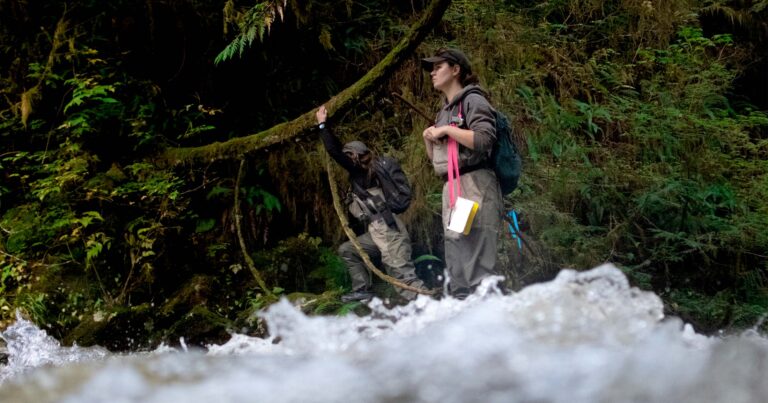
How Haíɫzaqv principles and ongoing research will guide our future.
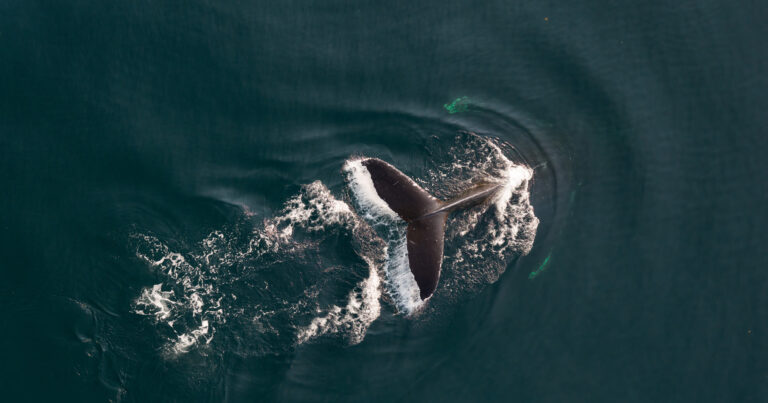
One of our most striking findings in 2024 was a negative relationship between the health of females and the number of offspring they had.
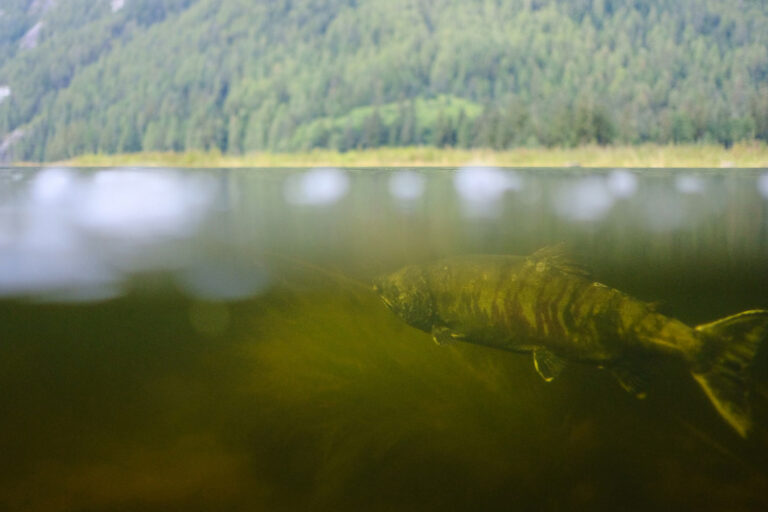
This emerging research will inform how climate change more broadly affects salmon habitat.
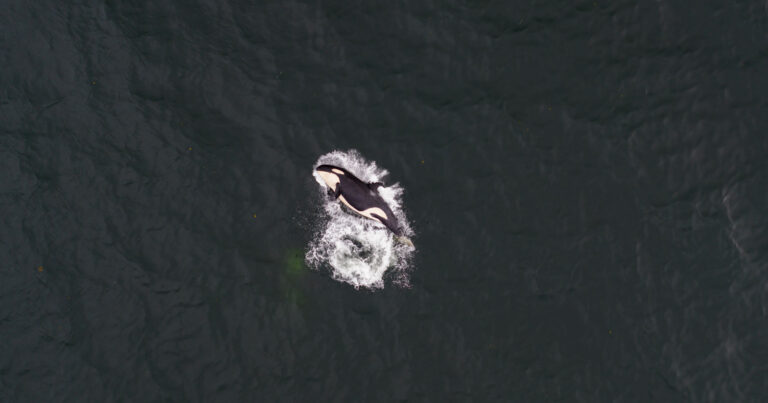
With more deaths in 2024 than births, action is needed more than ever.
We have completed our analysis of inbreeding across Resident killer whale populations, yielding some interesting results.
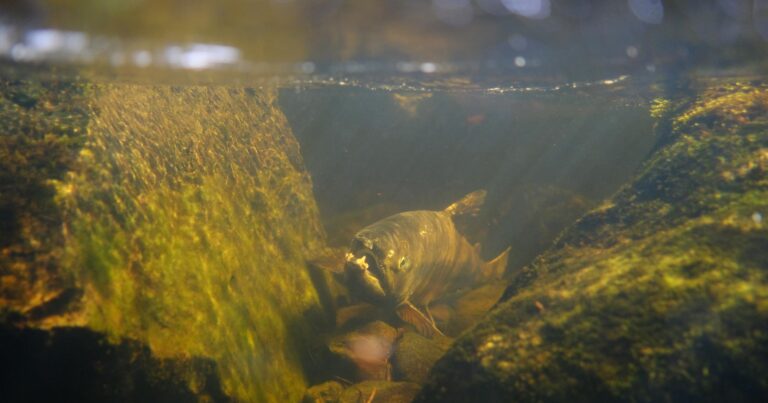
Raincoast has long argued that ocean fisheries removing “yields” of intercepted salmon on migration routes are not sustainable into the future.
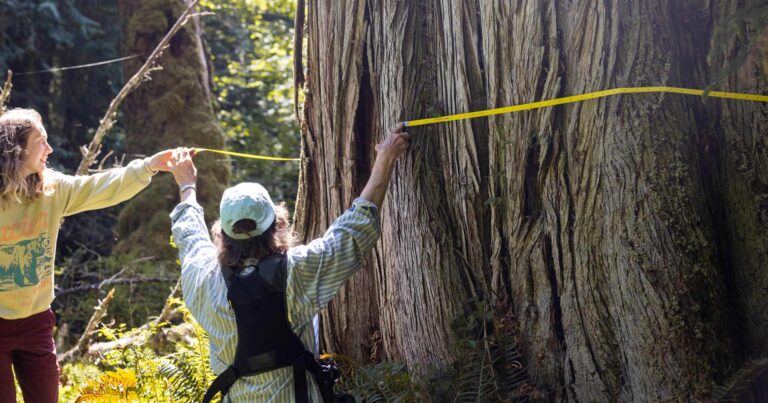
We’re now establishing long term monitoring and sampling protocols, developing management plans, and carrying out active restoration.
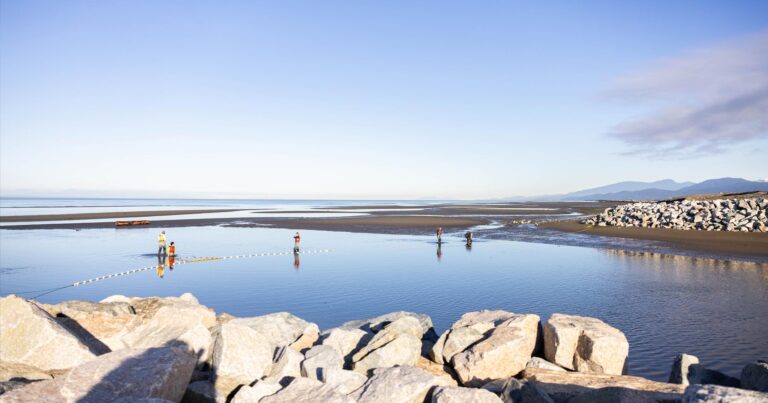
Raincoast is undertaking a multi-year initiative that began in 2016 to conduct research and restore habitat in the Fraser River Estuary.

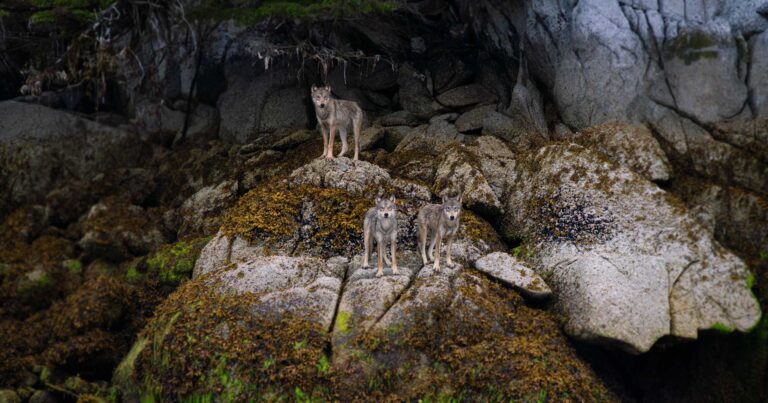
Marked by a long history of persecution and astonishing resilience, wolves continue to be in the crosshairs of both the public and policymakers.
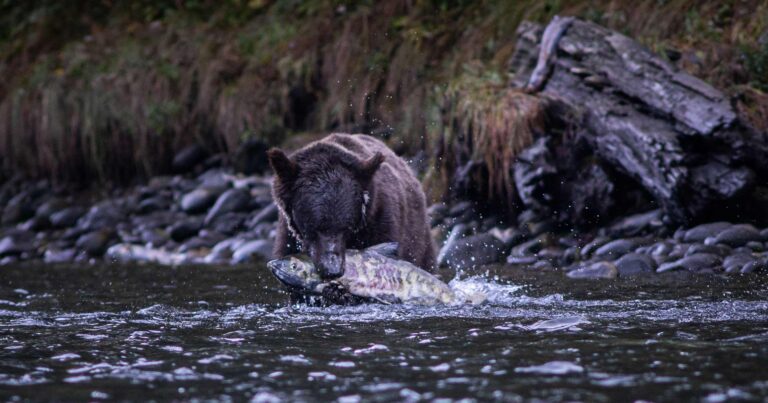
Applied science in its most productive form requires a commitment to acknowledging – and communicating – difficult realities.
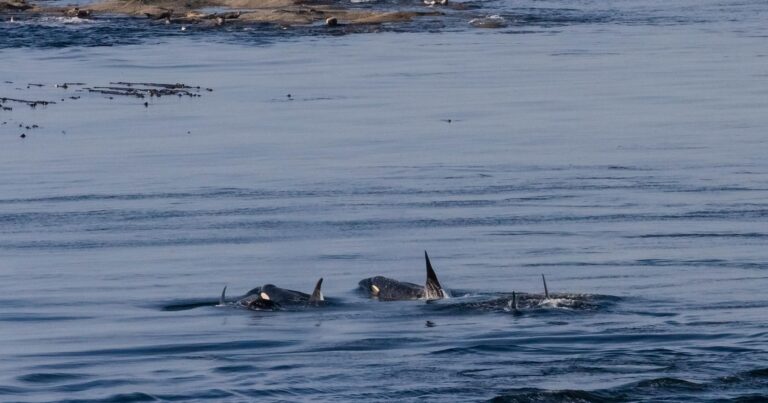
Highly intelligent, social, and sensitive, with sophisticated communication skills and strong family ties, these whales have an intrinsic right to live their lives.