

Wild Salmon Program
Using science, policy, and restoration to improve the health of pacific salmon.
Photo by Fernando Lessa.
Raincoast’s Wild Salmon Program is focused on ensuring that wild salmon thrive across their historic range at abundance levels that sustain wildlife and communities. The Wild Salmon Program addresses threats facing the survival of wild salmon. We offer solutions to the systemic problems that drive short-sighted and commodity-based decisions on the land, in the water, and over resources, by all levels of government.
Salmon are the foundation of who we are
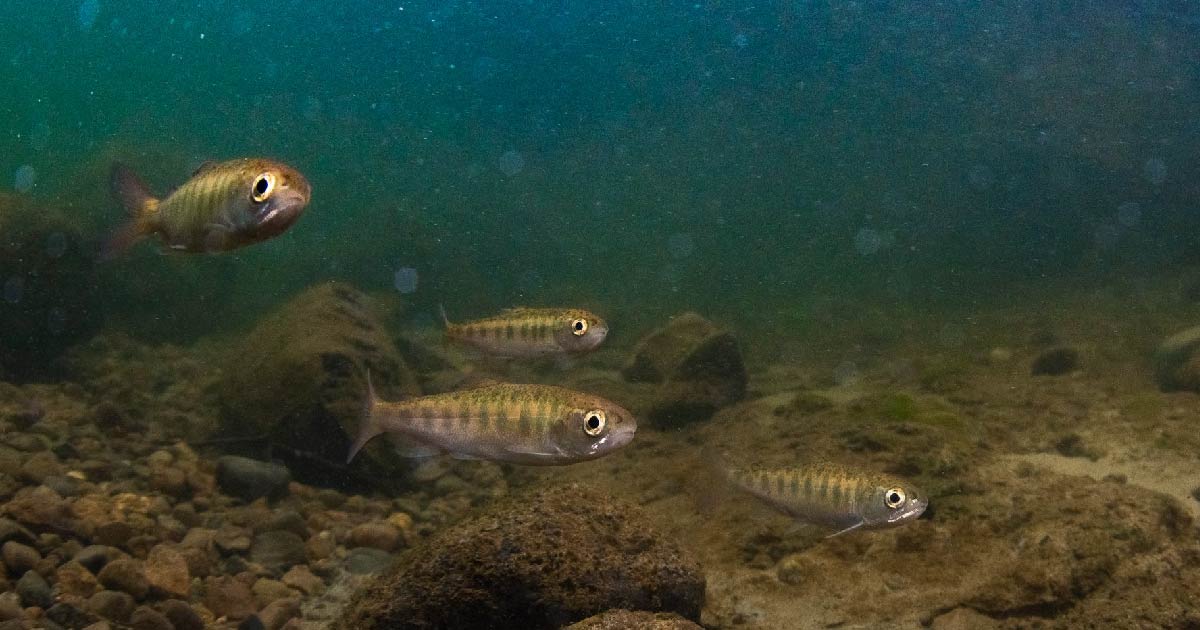
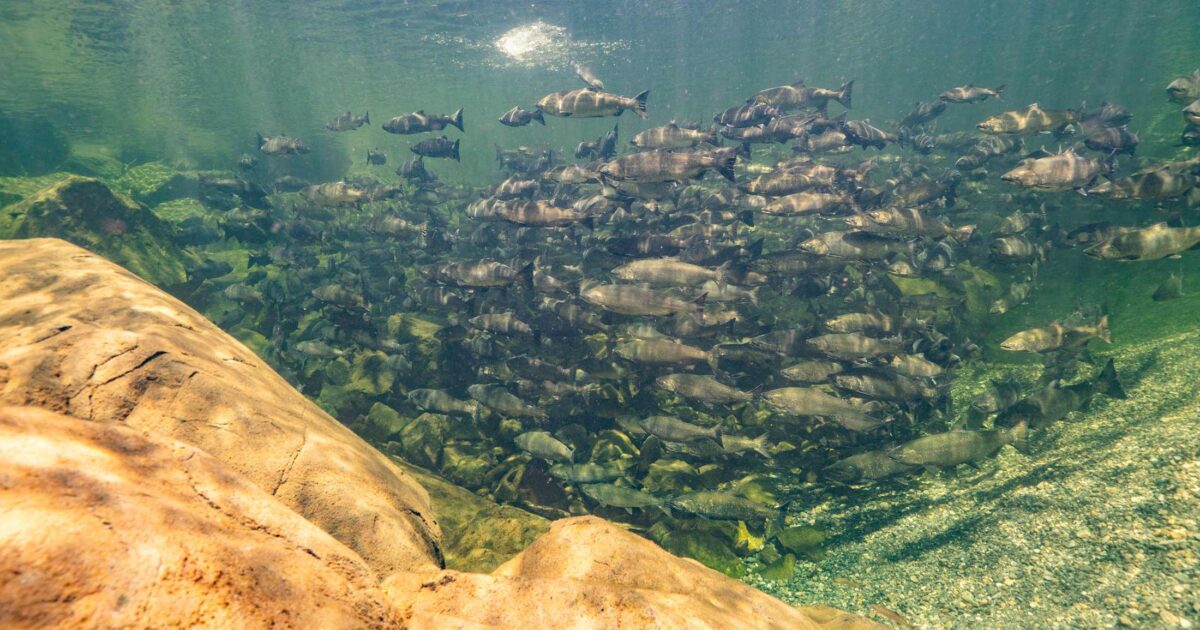
Pacific salmon are a foundation species. Different from a keystone species, a foundation species is important because of the role it plays due to its sheer biomass in the ecosystem, and the strong influence this has on structuring an ecological community. Foundation species support ecosystems from the bottom up.
Pacific Salmon support dozens of species of marine life out in the open ocean, and even more in their home waters where they come back to spawn. They also support the people of the Pacific Northwest, and have done so for thousands of years. Salmon are part of the ecological and cultural fabric of our coast.
A wild salmon crisis
British Columbia is in an unprecedented wild salmon crisis. Intensified by a warming North Pacific Ocean, more extreme aquatic conditions, decades of habitat loss, overharvesting, as well as fish farm and hatchery impacts, many wild salmon populations in BC are experiencing low to record low returns.
Despite reductions in fishing pressure over the last several decades, the situation for many populations is not improving. The reasons for this are complex, but recovery is hampered by decades of frontier resource ideology that has compromised the watersheds, the rivers, and the fish themselves. Fisheries that harvested wild salmon to their limits are now sustained by hatcheries. Climate change is now intensifying the consequences of these actions.
Although wild salmon face unparalleled threats, there are more people committed to, and concerned about, wild salmon recovery than ever before. Almost 90% of BC residents are worried about the future of salmon. If we work together, we can restore healthy, abundant populations of wild spawning salmon to wild rivers in British Columbia.

Photo by Fernando Lessa
A place-based approach
Over the last decade, we have been filling a gap left by the federal and provincial governments to support the recovery of wild salmon and their habitats in all their life stages, from the headwaters of their spawning grounds to the deep waters of their marine rearing grounds. We have completed habitat restoration, championed estuary protection, undertaken policy analysis, led research, furthered fisheries reform, and advanced ideas for new governance models. The success of this work is rooted in collaboration with Indigenous Nations, government agencies, researchers, NGOs, industry, and community groups.
The challenges that salmon face vary from place to place and from species to species. There is not a one-size-fits-all solution for salmon recovery. This is why we believe that a place-based approach, focused on the watersheds where salmon spawn and adapt, and people in those places, is the best way forward.
Rigorous scientific research
Raincoast’s scientists have published over 30 peer-reviewed scientific papers on salmonids in a variety of academic journals. Increasingly, we use a two-eyed seeing approach which weaves academic science with Indigenous knowledge to better understand the wildlife and ecosystems of coastal British Columbia.
We want to better understand Pacific salmon to fill information gaps and advance their recovery and long-term persistence. Embracing this vision of wild salmon on the landscape requires consideration of salmon beyond their commodity value as catch, and embrace their value as spawning salmon in rivers, feeding wildlife, nourishing ecosystems, and influencing terrestrial landscapes.
Recent articles

Mapping Chinook watersheds that feed into the critical habitat of Southern Resident killer whales
Sign our official petition to tell the federal government to reject Roberts Bank Terminal 2
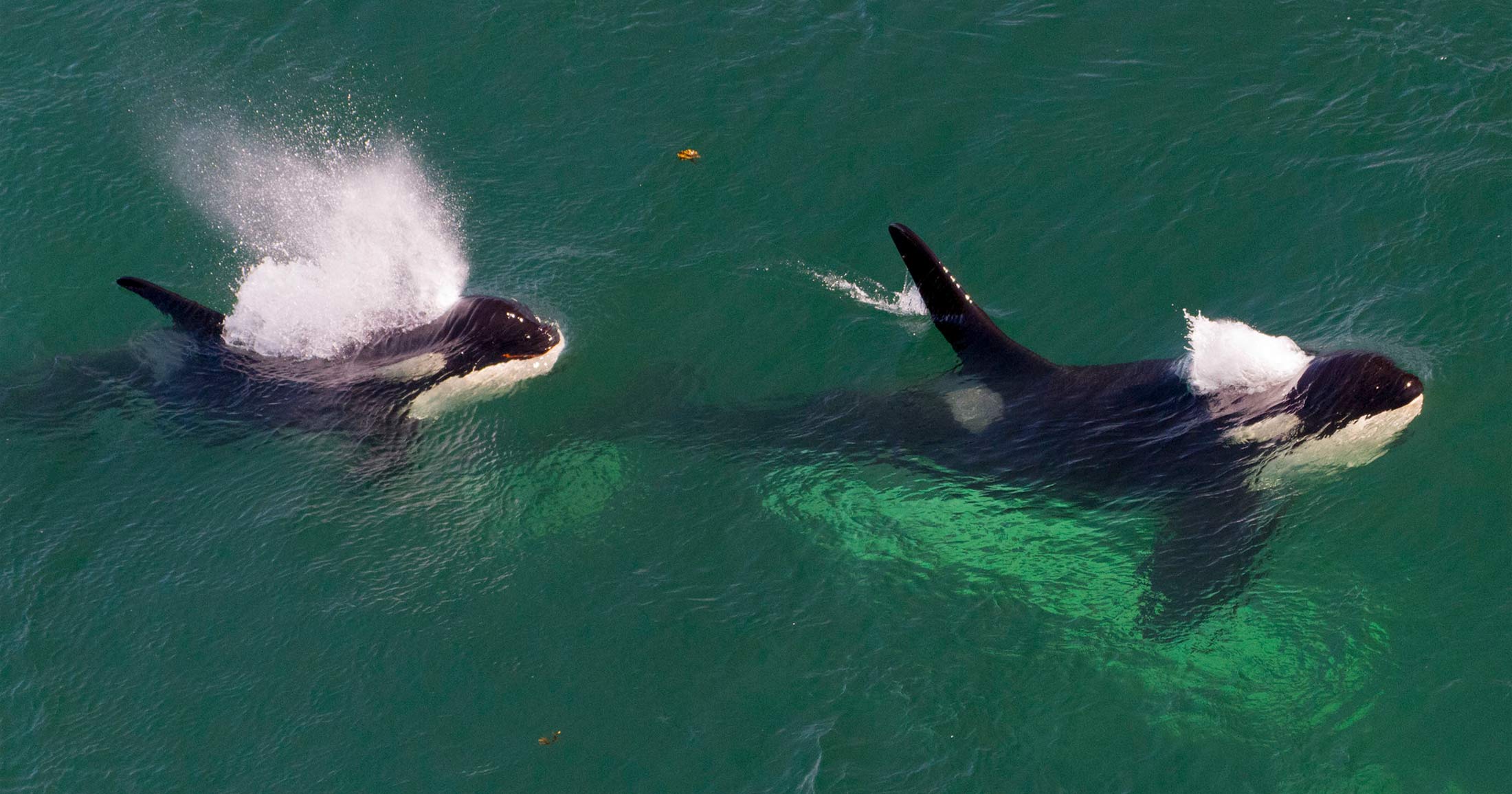
Opposed to the Roberts Bank Terminal 2 expansion? You’re not alone

Mark-Selective Fishery: a backgrounder
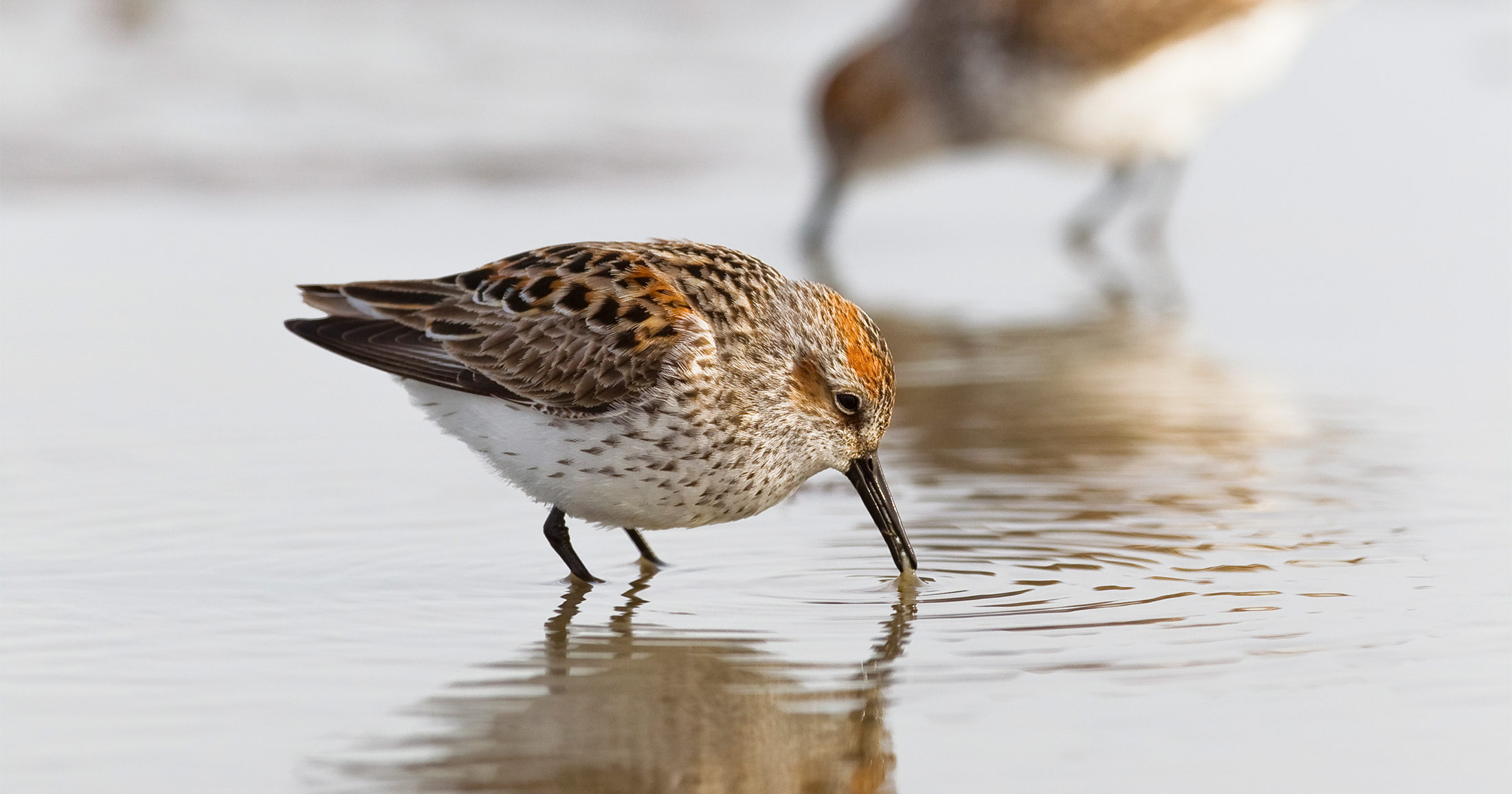
Your voice is needed now to stop Roberts Bank Terminal 2
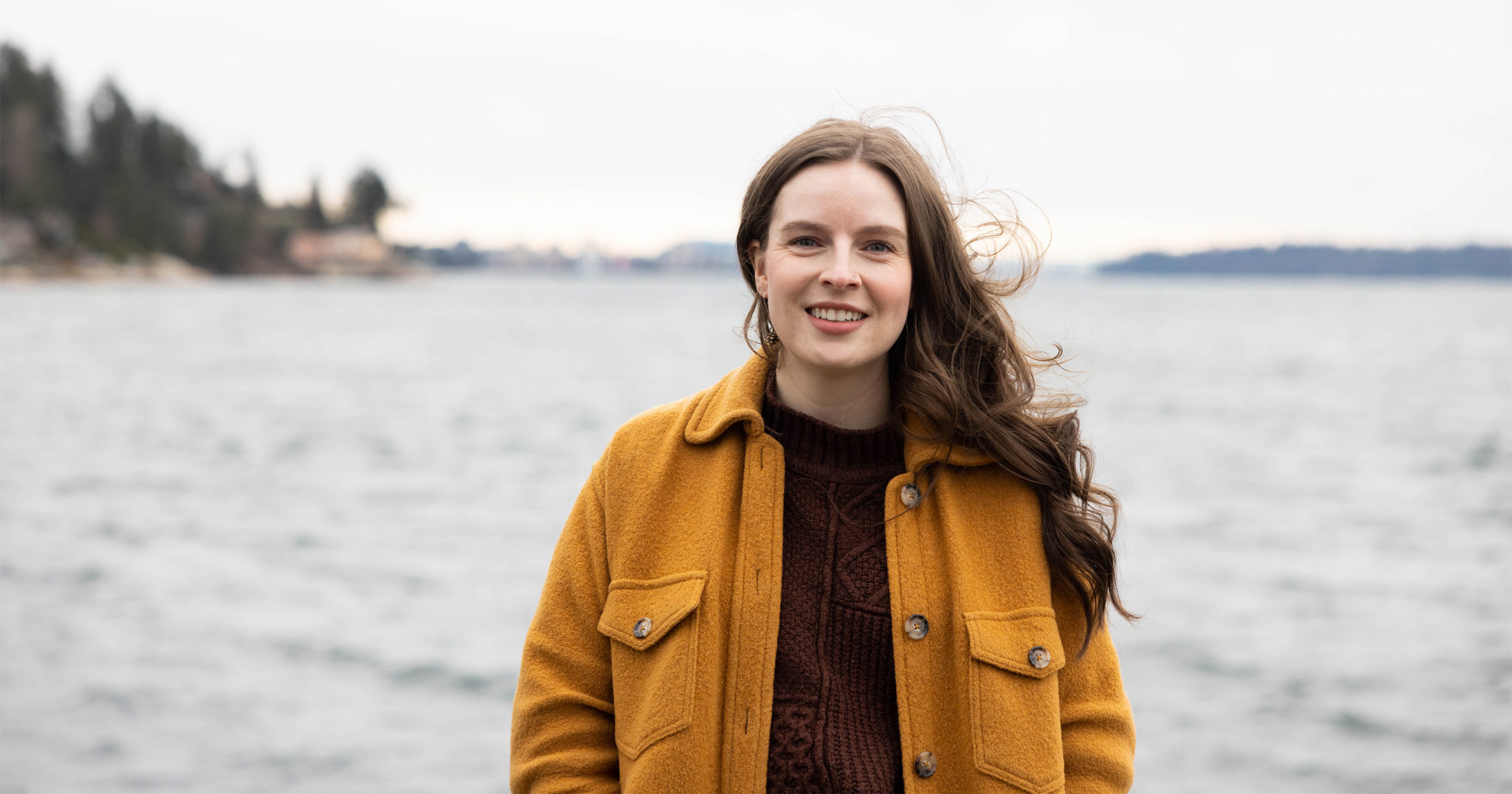
Meet Allison Dennert, Raincoast’s new Quantitative Salmon Ecologist
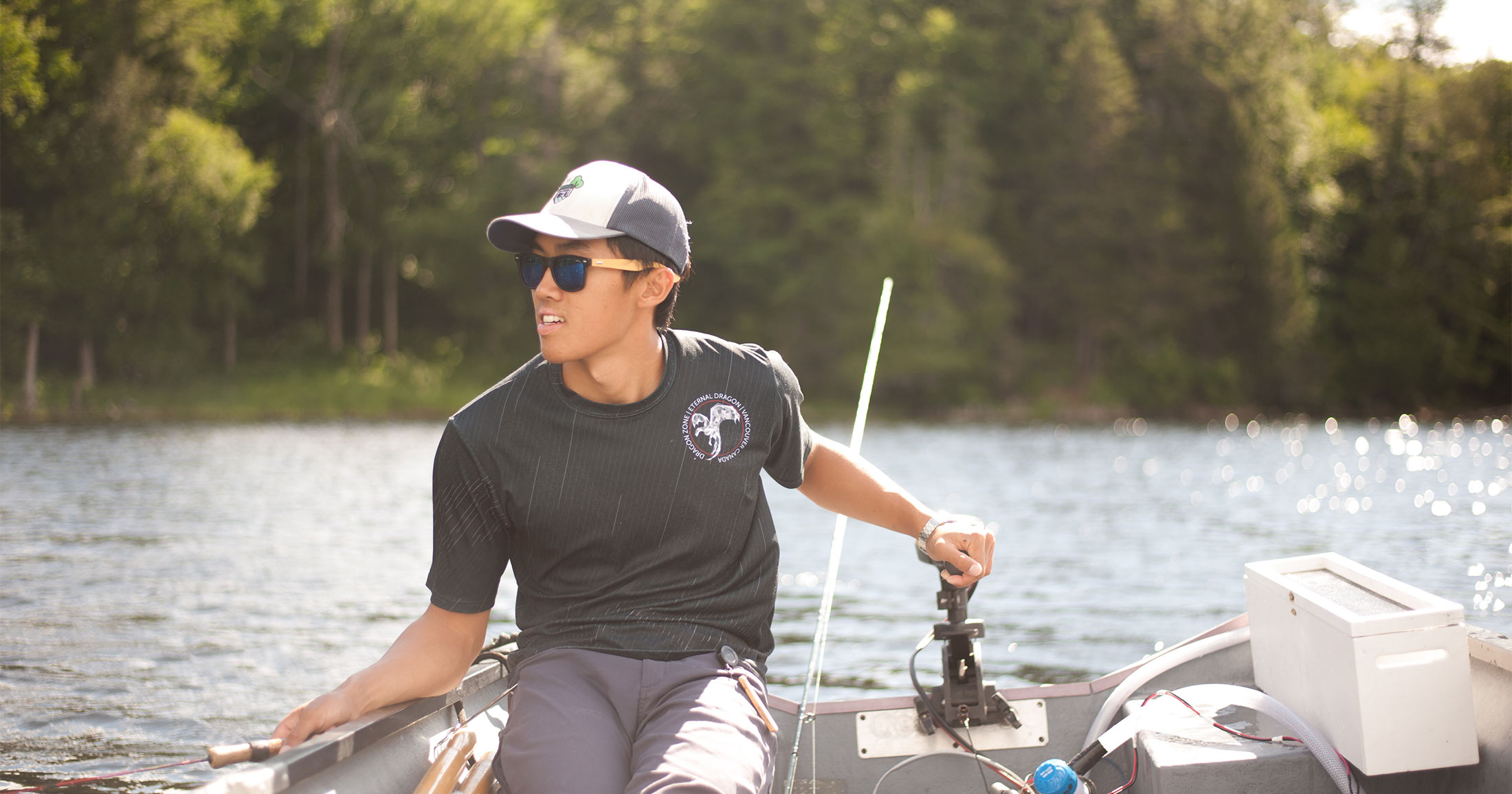
Meet Auston Chhor, Raincoast’s new Wild Salmon Governance and Policy Analyst
