
Reports and books
As a natural extension of our primary scientific literature, Raincoast also compiles popular reports designed to inform the public, stakeholders, and decision makers on conservation issues relevant to coastal British Columbia.
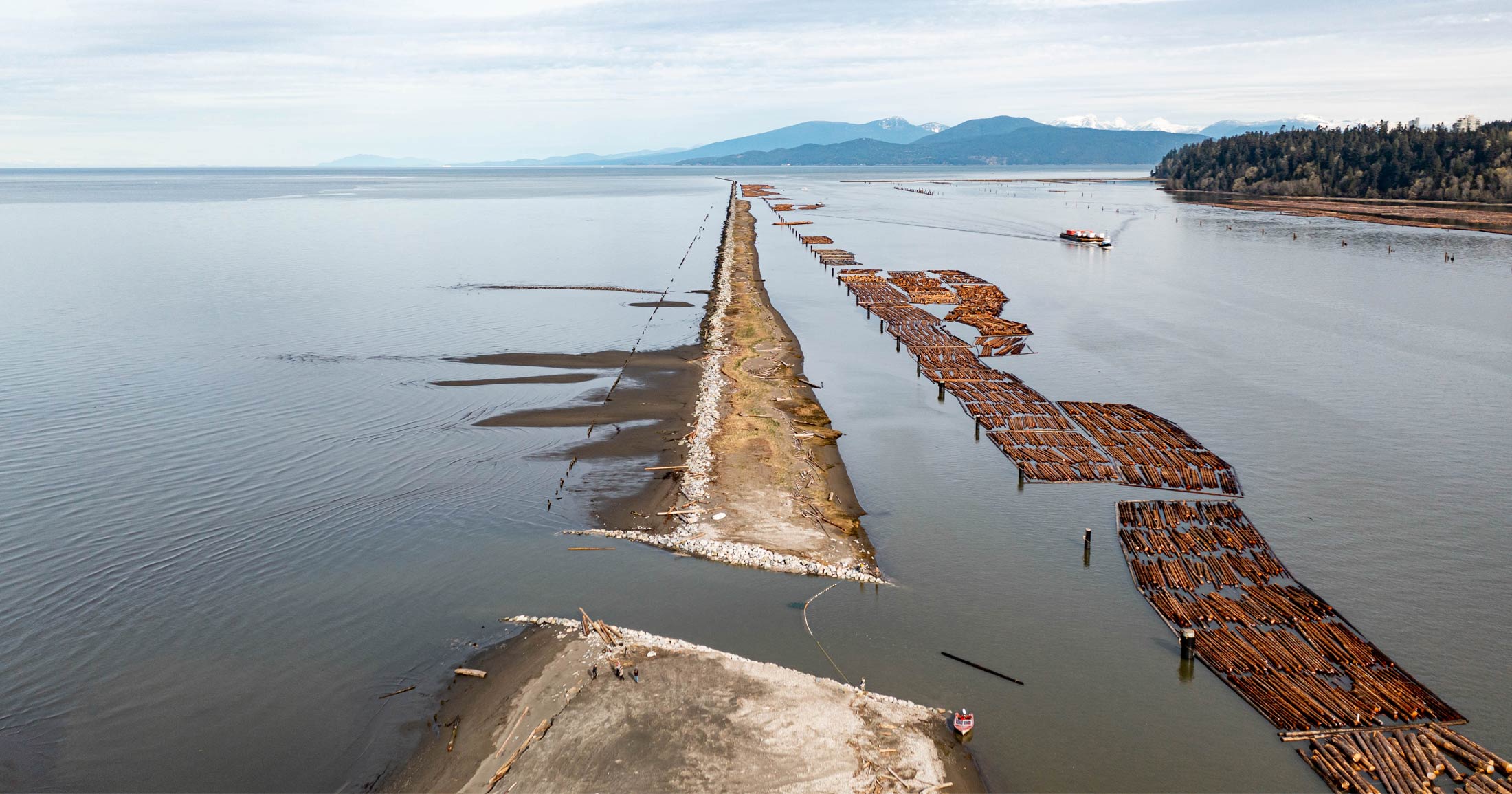
Nature-based Solutions for addressing climate risks and fostering biodiversity in the Lower Mainland of British Columbia
Climate change and habitat loss are two intersecting issues facing communities and ecosystems in British Columbia’s Lower Mainland.

Drought resilience for Nicola River salmon
Eight policy solutions to benefit wild salmon in an age of water scarcity.
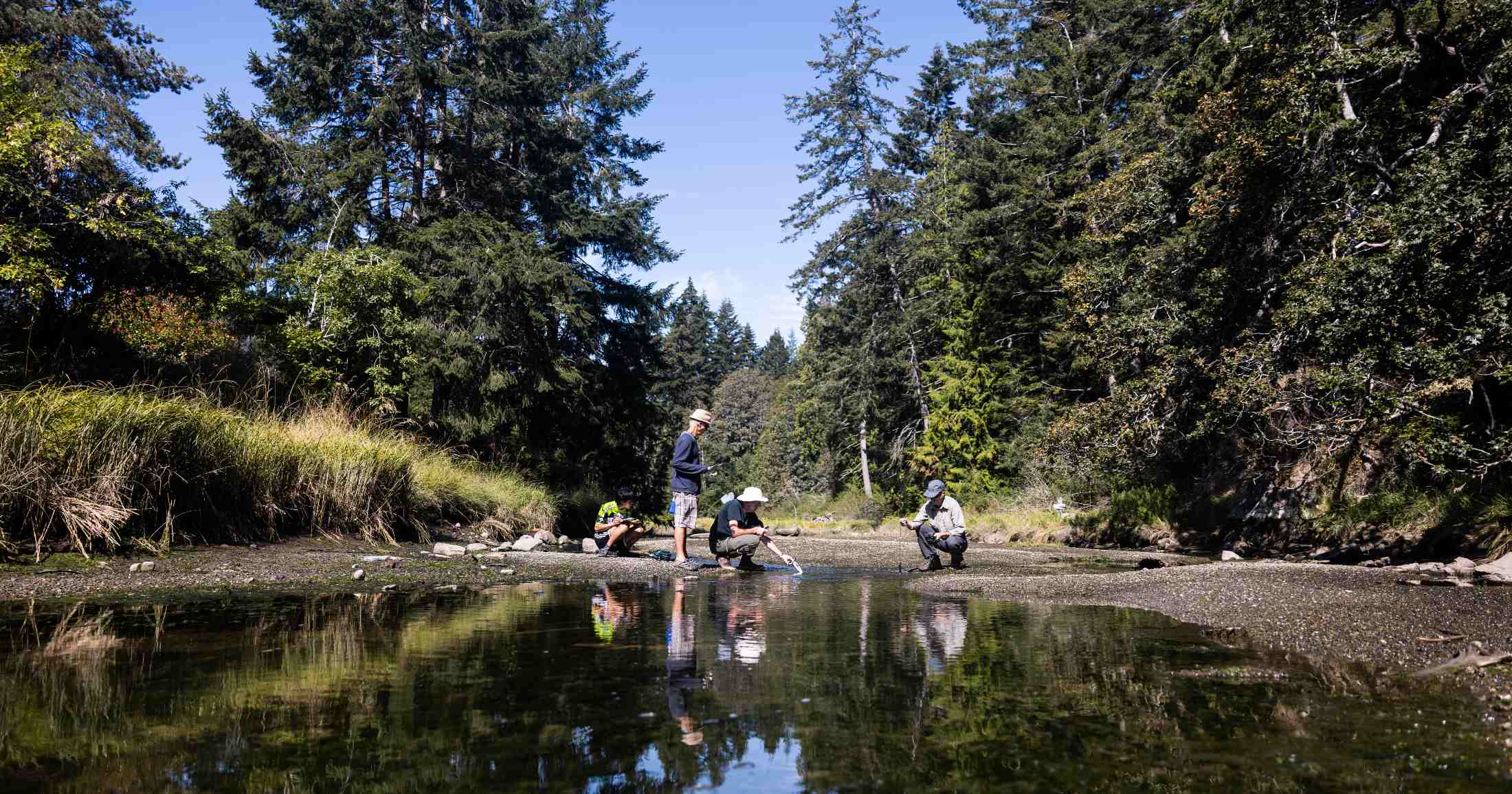
Report: Pilot water quality report for streams discharging into W̱E¸NÁ¸NEĆ/Hwune’nuts (Fulford Harbour, Salt Spring Island, British Columbia)
The planned restoration of the Sea Gardens in W̱E¸NÁ¸NEĆ/Hwune’nuts (Fulford Harbour) on Salt Spring Island (British Columbia, Canada) by the W̱SÁNEĆ Nations and Hul’q’umi’num speaking Nations highlights the need for water quality analyses that identify contaminants of concern from adjacent watersheds.

Report: Fire risk reduction in the CDF
This report is a synthesis of the expertise shared by the community of practice, who under the leadership of Transition Salt Spring, have assembled around the issue of fire risk in the Coastal Douglas-fir (CDF) biogeoclimatic zone.

Rights of Nature: Pathways to legal personhood for the Fraser River Estuary
This report outlines a path ahead for more equitable, sustainable, and coordinated funding for Lower Fraser salmon. Report finds $91.6 million spent over 10 years for salmon habitat in the Lower Fraser River was inadequate and lacked coordination.
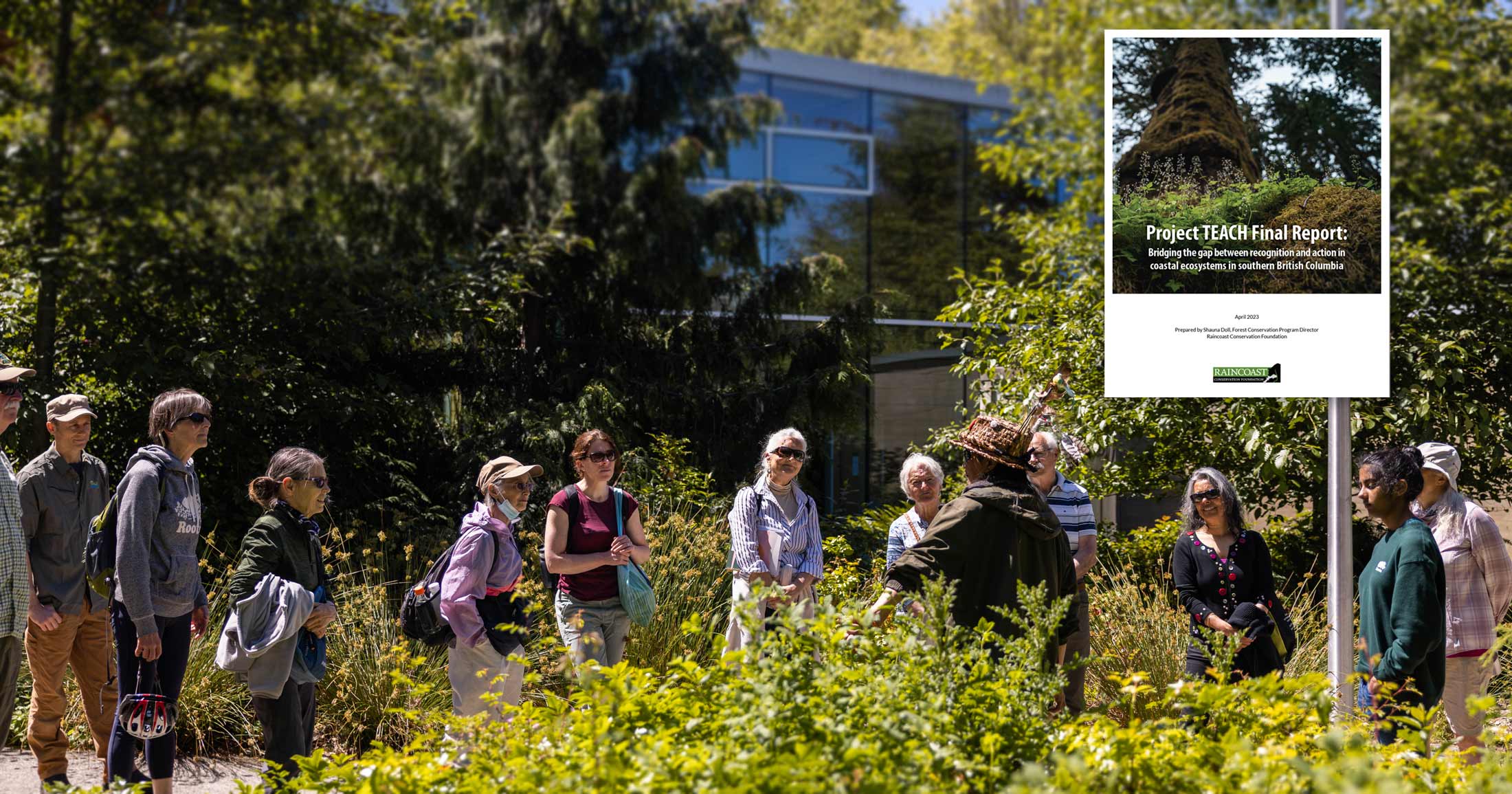
Project TEACH Final Report
Bridging the gap between recognition and action in coastal ecosystems in southern British Columbia.
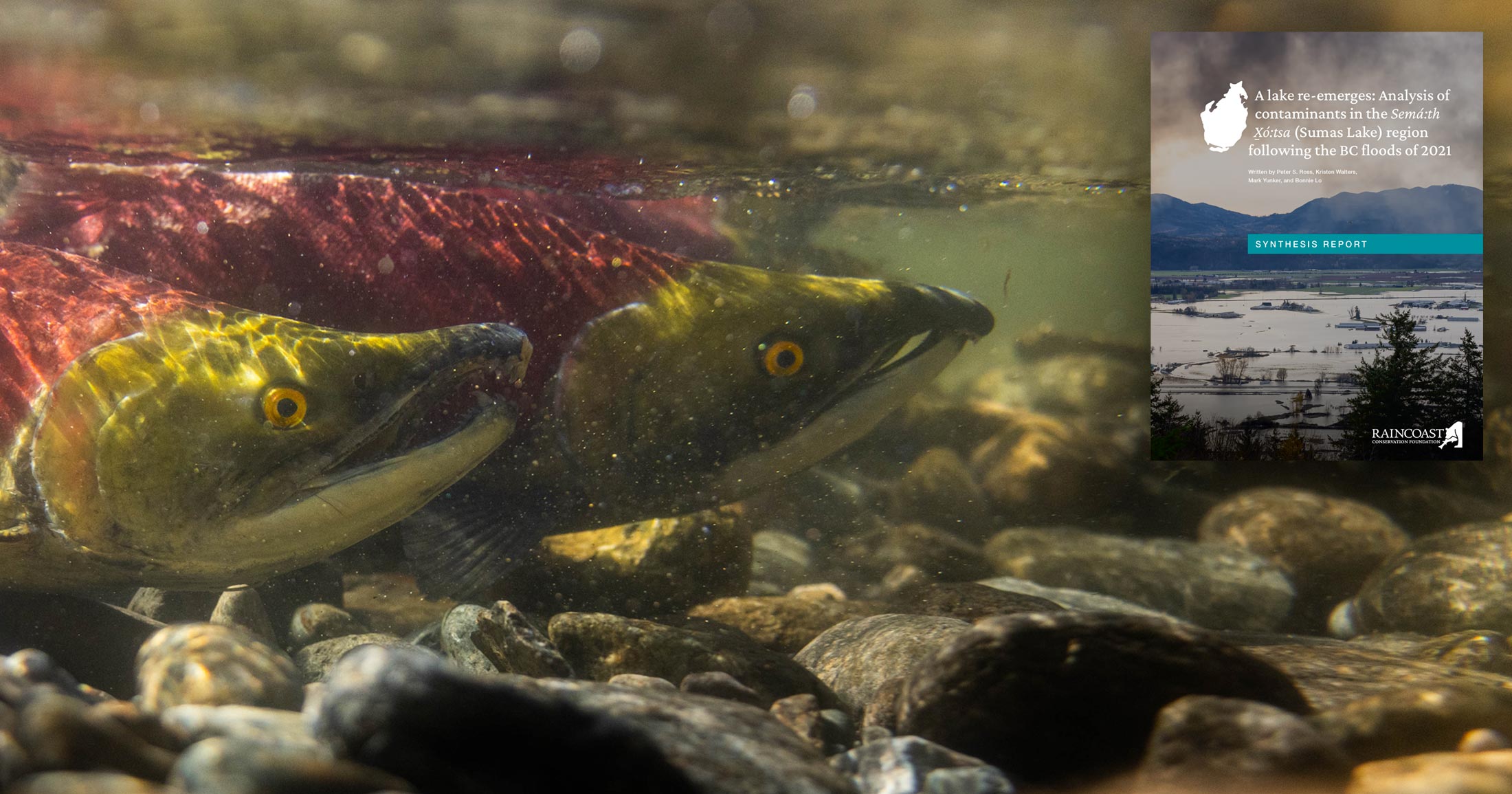
Floodwater contaminants report
We assembled a team to assess water quality in the former Semá:th X̱ó:tsa (Sumas Lake) area of the Fraser Valley over a seven-week period after the floods. We collected water samples from 11 surface water sites and four groundwater sites for comprehensive contaminant analysis and a subsequent risk-based evaluation.
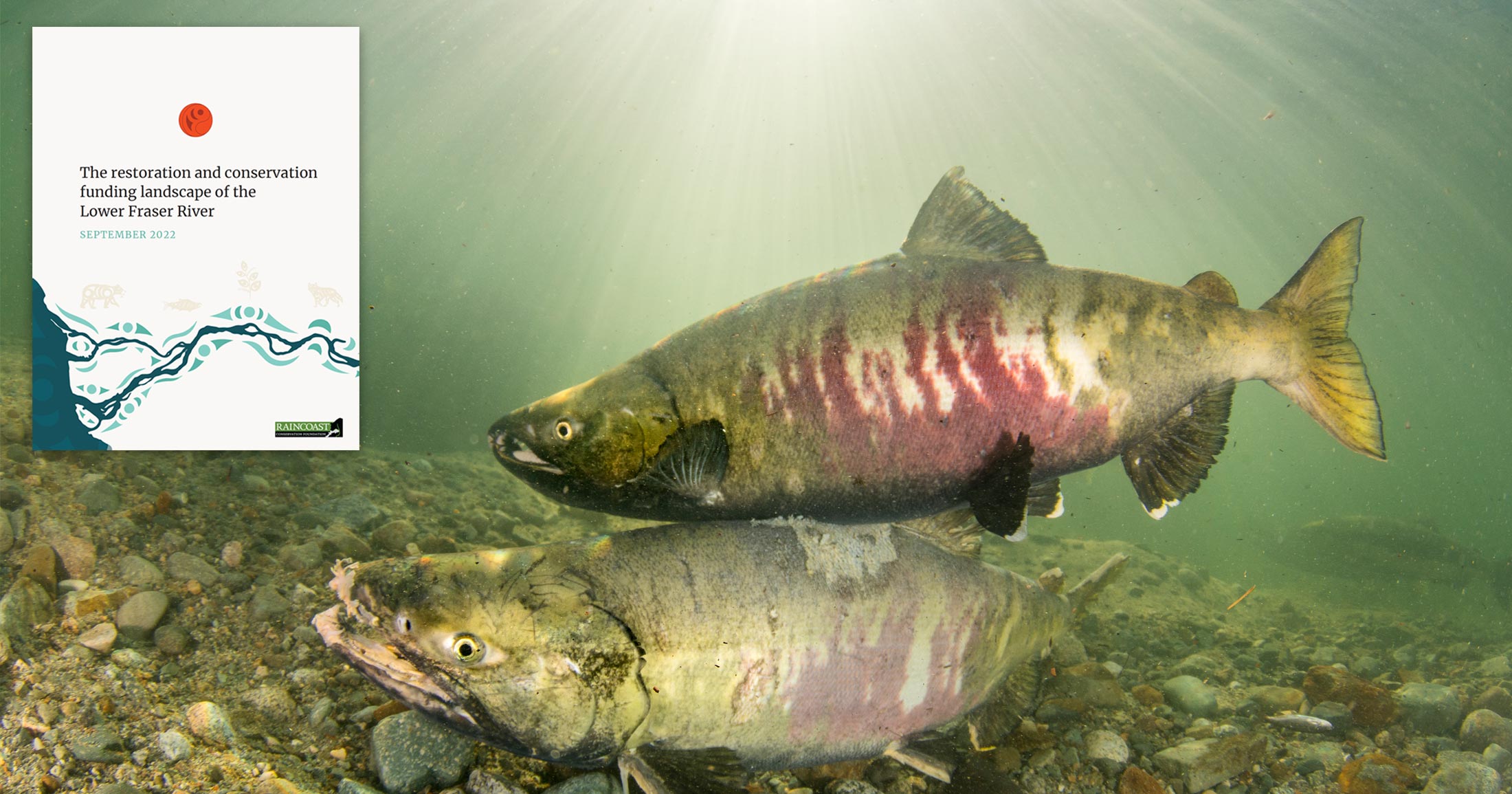
Funding landscape report
This report outlines a path ahead for more equitable, sustainable, and coordinated funding for Lower Fraser salmon. Report finds $91.6 million spent over 10 years for salmon habitat in the Lower Fraser River was inadequate and lacked coordination.
A Conservation Prospectus for the Fraser River Estuary
In 2017 researchers from the Martin Conservation Decisions Lab at the University of British Columbia and University of Victoria’s Baum Lab led a conservation decision-making exercise – Priority Threat Management (PTM).

Report: Blueprint for governance
As of 2018, more than one third of the unique populations of Fraser River salmon and steelhead are considered at risk of extinction. Additionally, there are more than 100 other species of conservation concern just within the Fraser estuary.

Toward a vision for salmon habitat in the Lower Fraser River
This is a crucial time for wild salmon that depend on the Fraser River. We identify systemic problems of governance and land use that have created this situation and offer six recommendations as next steps to put salmon and their habitat on a trajectory to ecological resilience.

Trans Mountain Expansion
The executive summary highlights the risks posed to wild salmon in the Lower Fraser River from a Trans Mountain pipeline or oil tanker spill. It finds there is no time of year when the effects of an oil spill would be negligible on salmon species in the Lower Fraser. It identifies the river’s unique features, the nature of diluted bitumen, and the failures of the TMX environmental assessment.