

Shifting salmon policy
Photo by Alex Harris.
Ecosystems are complex. They are communities of living organisms connected through interacting processes and features on the land, in water, and between the two. Yet BC’s antiquated environmental policy doesn’t reflect this. Colonial society governs ecosystems by siloing them into distinct ministries and resources instead of reflecting the interconnected nature of habitats that make them function in the living world. This “siloed decision making”is the root cause of many of the ecological challenges we face today.
Our policy goals
1. Manage fisheries for ecosystems
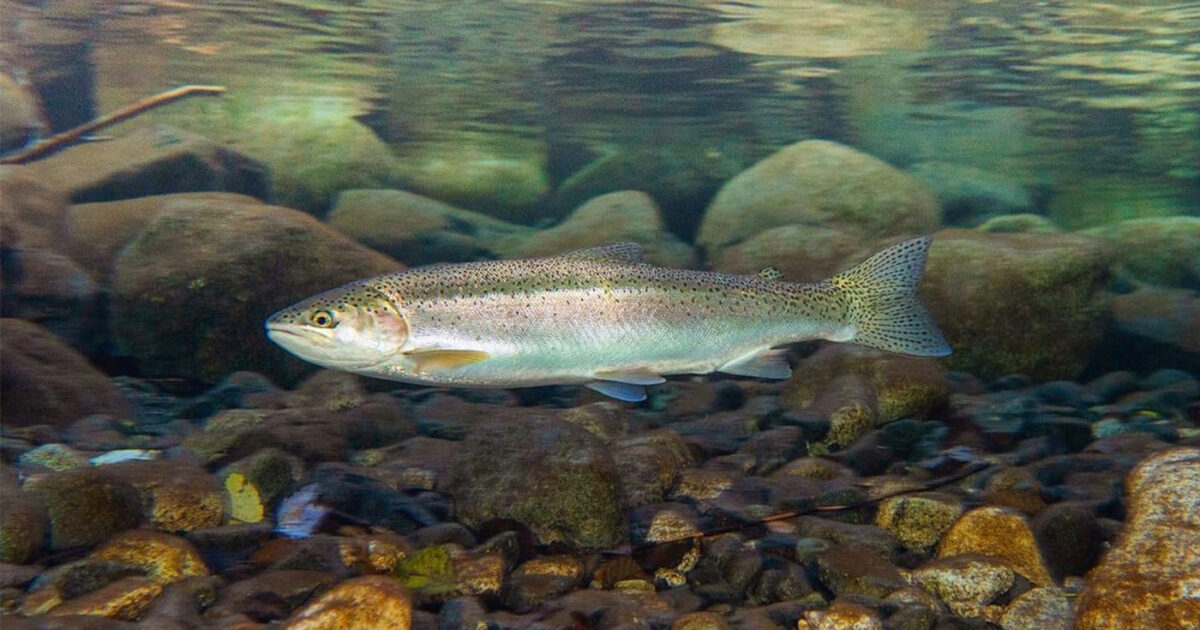
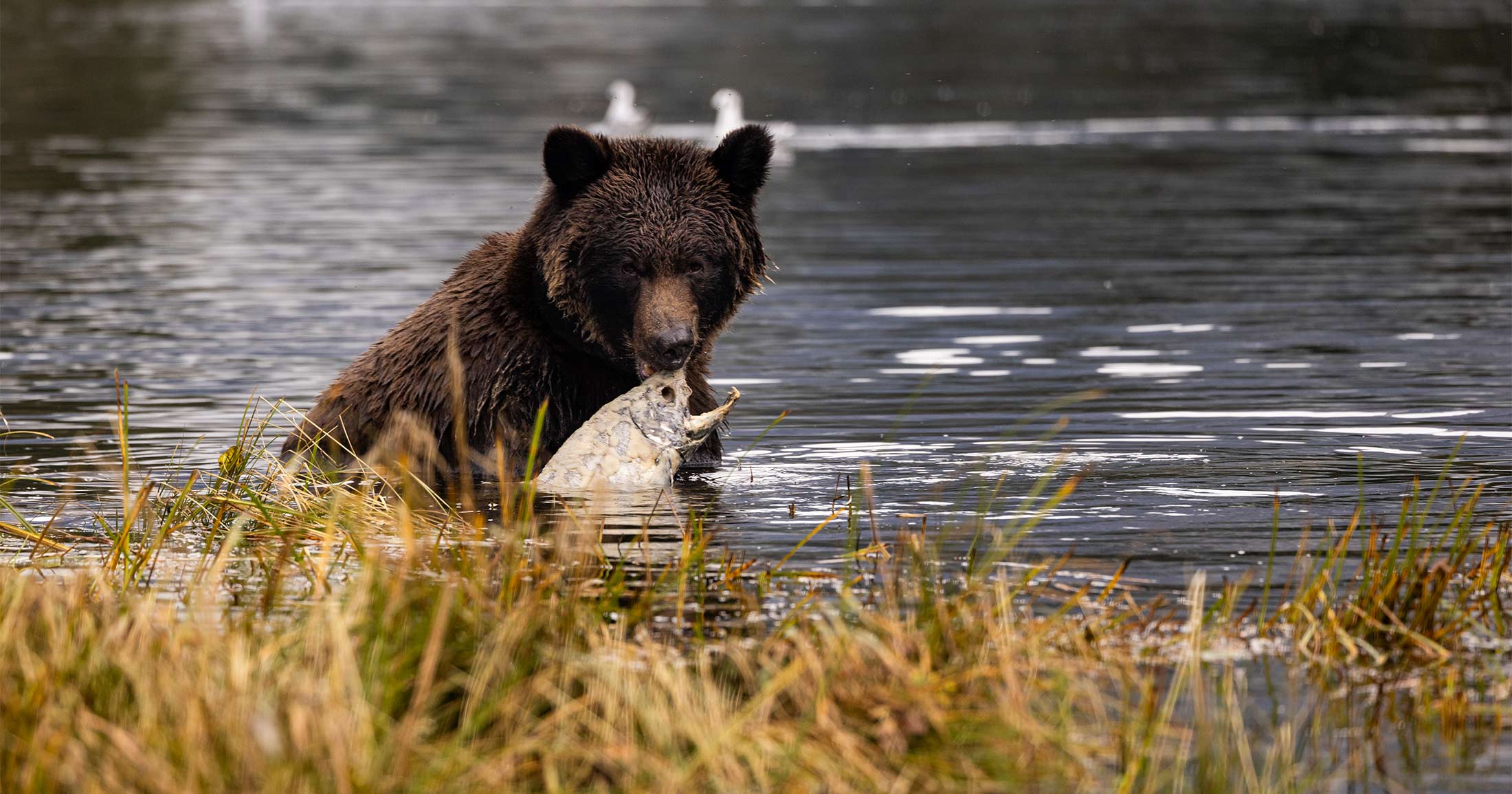
- Set salmon harvest at levels that optimize the benefits of spawning salmon to watersheds and wildlife.
- Shift away from historic management paradigms that minimize the number of spawning salmon reaching rivers and maximize harvest (called Maximum Sustainable Yield). Move towards fisheries management that meets salmon spawning targets that are ecologically based, not harvest-based.
- Shift harvest toward selective terminal fisheries (conducted in or near the rivers of origin) that respect the ‘place-based’ nature of salmon, and optimize the benefits to ecosystems, Indigenous cultures, and local communities.
2. Implement ecological-based governance
- Conservation planning and a commitment to sustainability that looks 7 generations ahead.
- A “whole-of-government” approach that implements shared solutions by Indigenous, federal, provincial, and municipal governments to achieve salmon recovery from inland watersheds and rivers, to the open ocean.
- Governance that honours Aboriginal rights and title, inherent Indigenous jurisdiction and law, and the United Nations Declaration on the Rights of Indigenous Peoples (UNDRIP) and the Declaration on the Rights of Indigenous Peoples Act (DRIPA).
- Sustainable funding strategies for watershed-scale restoration and planning.
3. Advance land-use policies that prioritize the health of wild salmon and biodiversity
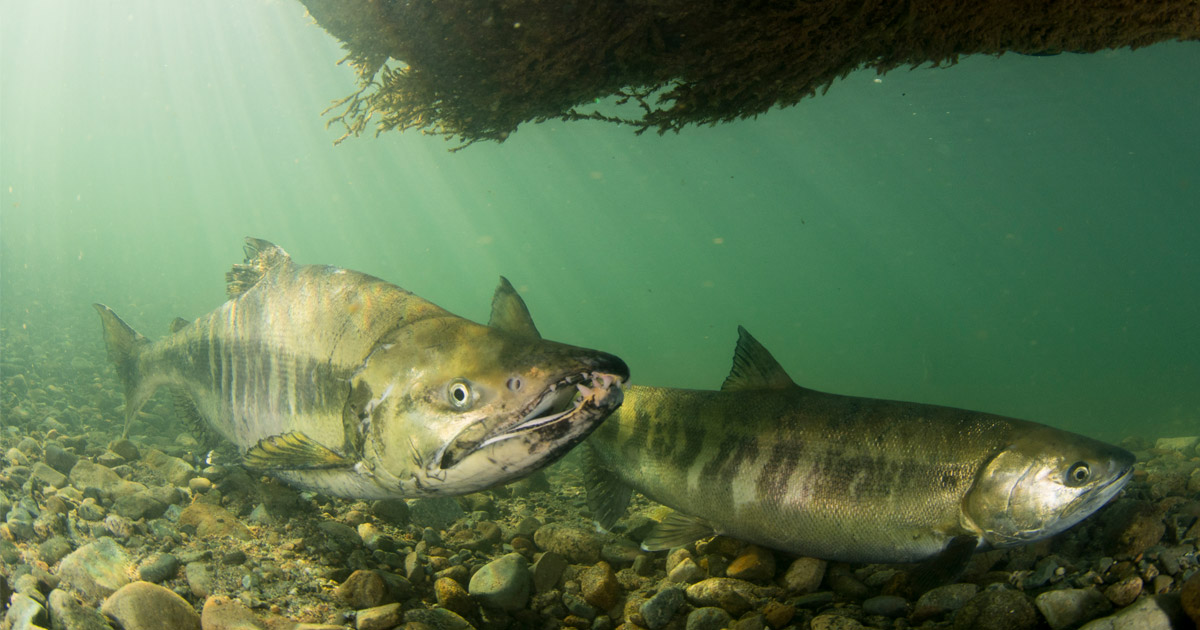
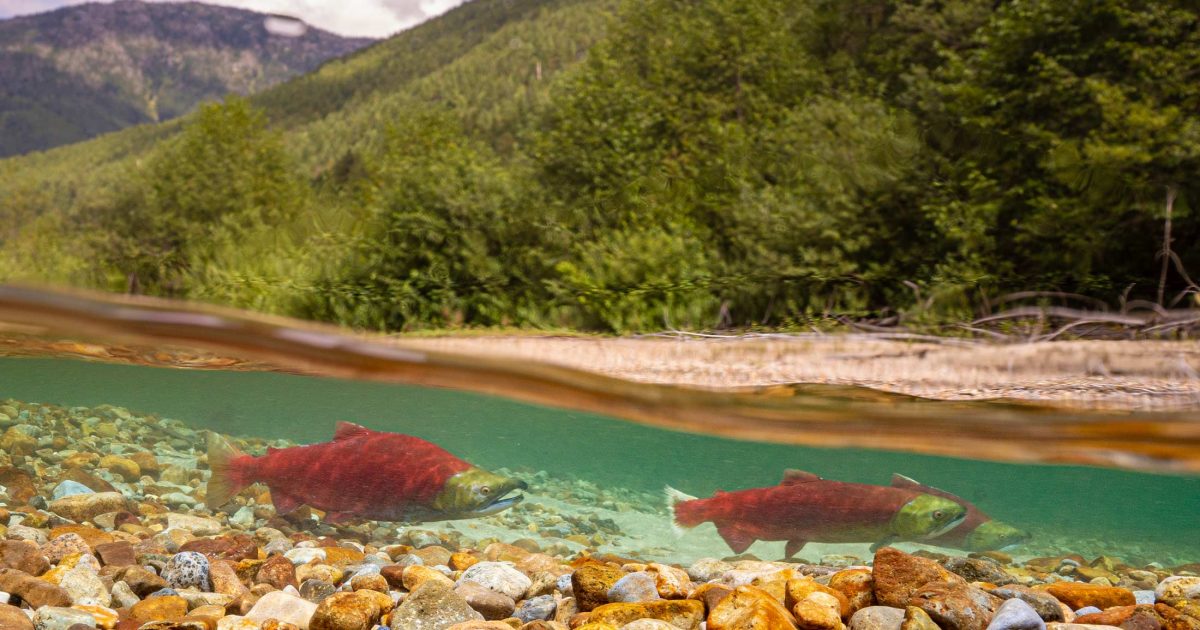
- Zoning that bolsters functioning watersheds and riparian habitat (i.e.protect natural features, limit impervious surfaces, reduce urban sprawl, adopt nature-based solutions).
- Forestry policy that prioritizes salmon health by restricting clear-cutting in salmon watersheds, and incentivizes a sustainable, second or third-growth forest economy.
- Climate adaptation policy that incentivizes nature-based solutions including natural shorelines, intact riparian areas, unrestricted floodplains, managed retreat, and use of rain-gardens in urban areas.
Our recent reports
Recent articles
New season of Coastal Insights!
This Spring, Raincoast is partnering with Take A Stand: Youth for Conservation to present Season 3 of our online educational series, Coastal Insights. The theme of this webinar series is hope, equity and advocacy and will include six hour long interactive live-stream sessions which will showcase youth who are tackling these topics despite the significant…

Student Innovation Challenge 2022
Salish Sea Emerging Stewards / Student Innovation challenge 2022 Student Innovation Challenge 2022 Presented by Raincoast and Take a Stand: Youth for Conservation. Youth all over the world are increasingly stepping up for social change in their communities and voicing the urgent need to address anthropogenic impacts to nature. The Raincoast Conservation Foundation and Take…
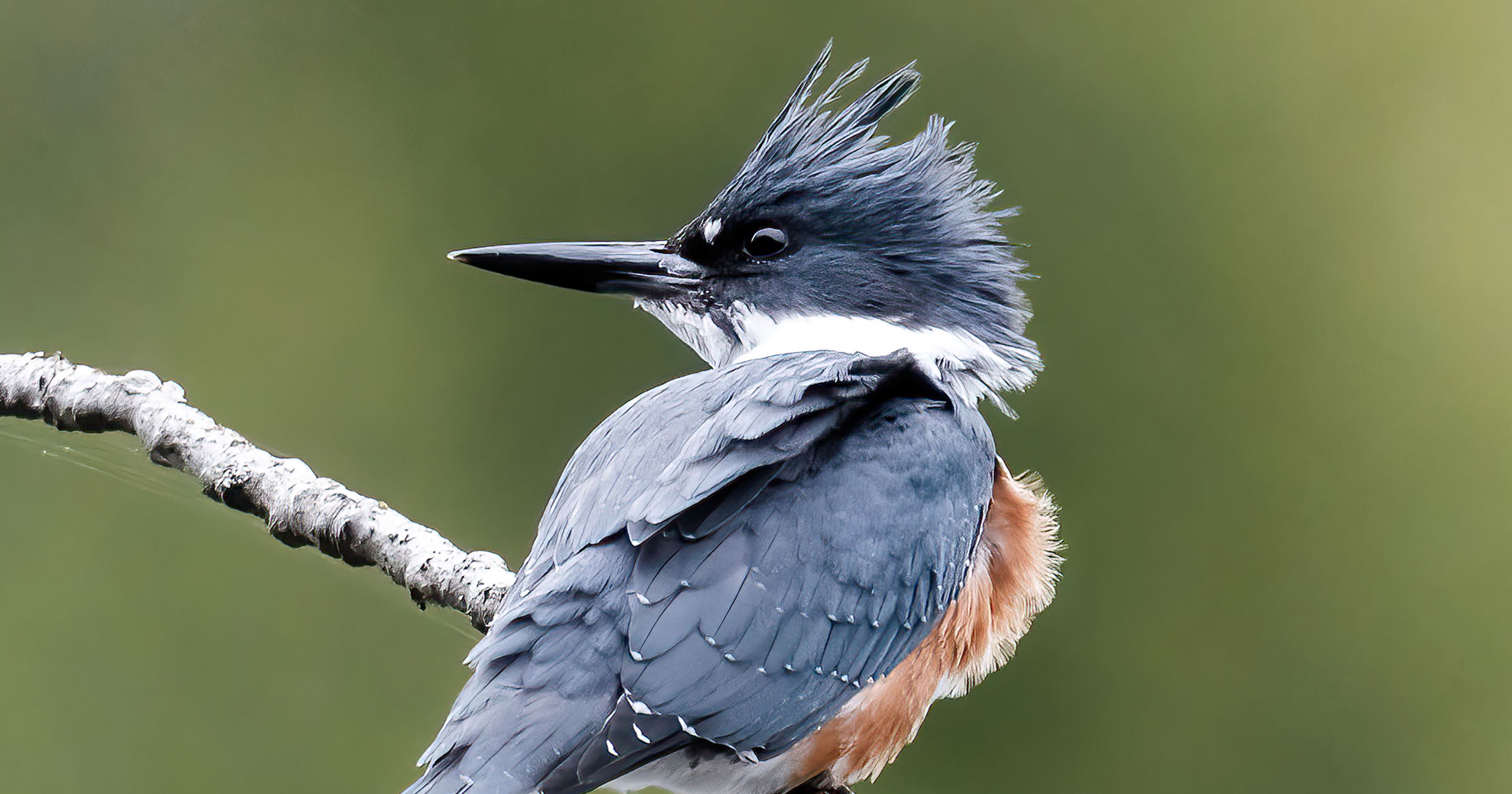
Between now and Earth Day, every dollar donated to KELÁ_EKE Kingfisher Forest will be doubled!
The purchase and permanent protection of this property is an ambitious undertaking by Raincoast and our partners at the Pender Islands Conservancy Association. We must raise $2.1 million. In pursuit of this goal, today we released our campaign video to introduce our community to KELÁ_EKE Kingfisher Forest with an announcement: between now and Earth Day,…
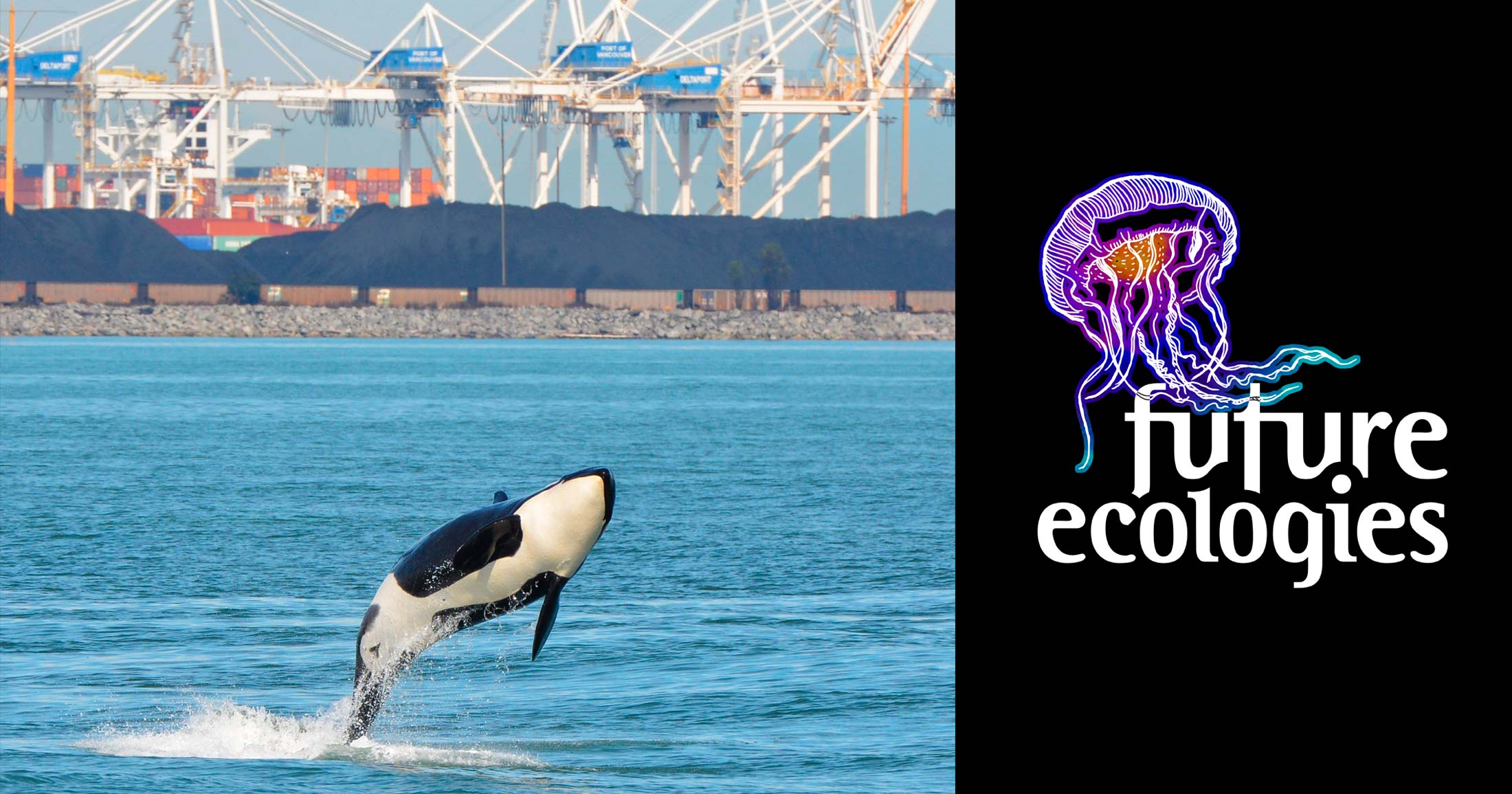
Future Ecologies podcast dives into the Terminal 2 expansion project
The largest container port in Canada is poised to get even larger. Listen to these interviews and learn about the context of the threat that building and operating Terminal 2 poses to the Fraser Estuary and the people and species that rely on it. You have until March 15th to submit a comment on the…

The story of Coastal Douglas-fir forests: The “right” management
Despite significant losses to biodiversity and connectivity in the Coastal Douglas-fir forests of southern British Columbia, management regimes continue to honor practices that value profits over preservation. According to this interview with registered professional forester, Satnam Manhas, management practices that consider ecology first are required to maintain ecological and economic viability. What is the Coastal…
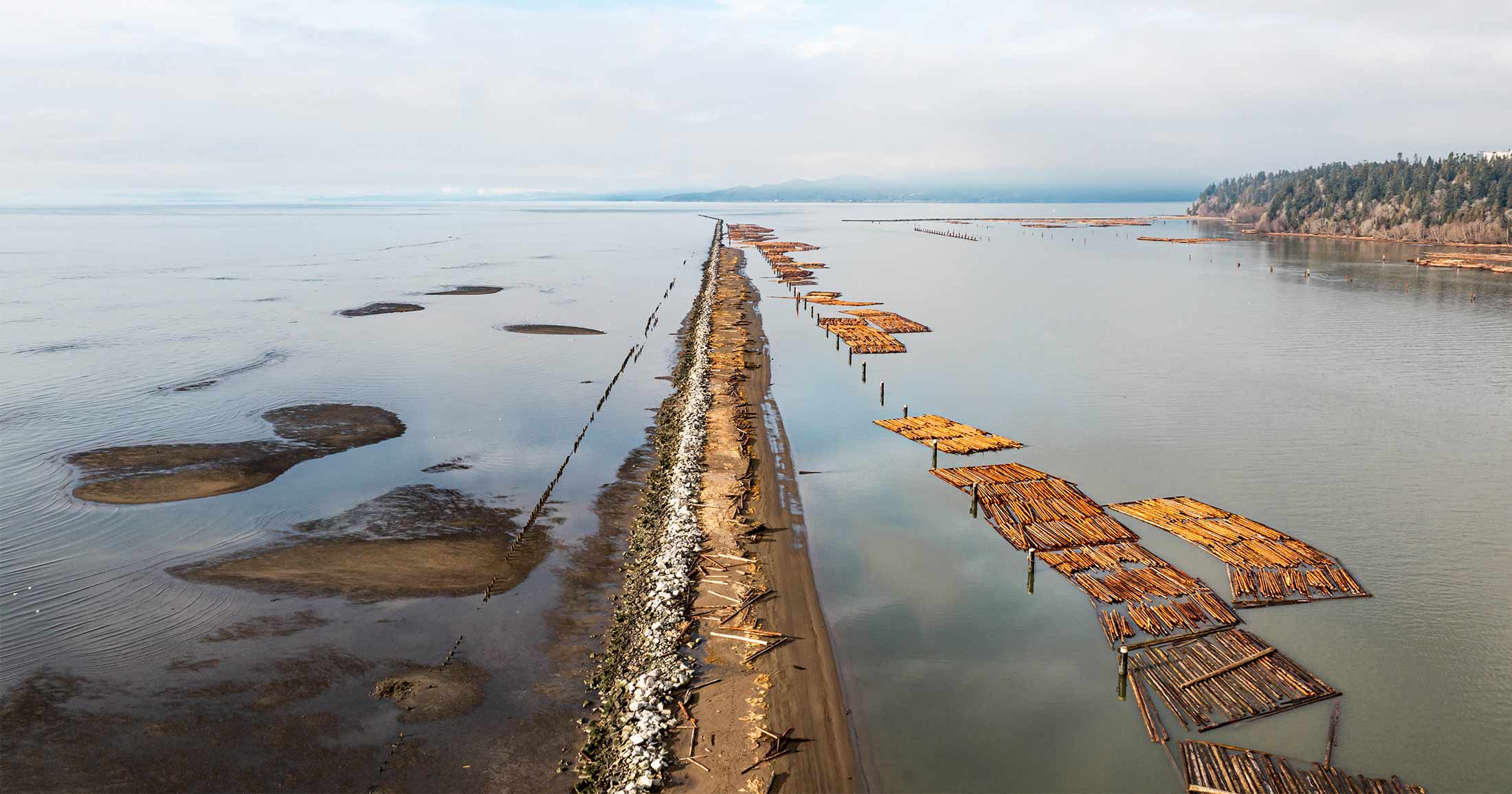
Another jetty, another breach project
The project we are undertaking is to create a breach in the North Arm jetty