

Shifting salmon policy
Photo by Alex Harris.
Ecosystems are complex. They are communities of living organisms connected through interacting processes and features on the land, in water, and between the two. Yet BC’s antiquated environmental policy doesn’t reflect this. Colonial society governs ecosystems by siloing them into distinct ministries and resources instead of reflecting the interconnected nature of habitats that make them function in the living world. This “siloed decision making”is the root cause of many of the ecological challenges we face today.


Our policy goals
1. Manage fisheries for ecosystems
- Set salmon harvest at levels that optimize the benefits of spawning salmon to watersheds and wildlife.
- Shift away from historic management paradigms that minimize the number of spawning salmon reaching rivers and maximize harvest (called Maximum Sustainable Yield). Move towards fisheries management that meets salmon spawning targets that are ecologically based, not harvest-based.
- Shift harvest toward selective terminal fisheries (conducted in or near the rivers of origin) that respect the ‘place-based’ nature of salmon, and optimize the benefits to ecosystems, Indigenous cultures, and local communities.
2. Implement ecological-based governance
- Conservation planning and a commitment to sustainability that looks 7 generations ahead.
- A “whole-of-government” approach that implements shared solutions by Indigenous, federal, provincial, and municipal governments to achieve salmon recovery from inland watersheds and rivers, to the open ocean.
- Governance that honours Aboriginal rights and title, inherent Indigenous jurisdiction and law, and the United Nations Declaration on the Rights of Indigenous Peoples (UNDRIP) and the Declaration on the Rights of Indigenous Peoples Act (DRIPA).
- Sustainable funding strategies for watershed-scale restoration and planning.


3. Advance land-use policies that prioritize the health of wild salmon and biodiversity
- Zoning that bolsters functioning watersheds and riparian habitat (i.e.protect natural features, limit impervious surfaces, reduce urban sprawl, adopt nature-based solutions).
- Forestry policy that prioritizes salmon health by restricting clear-cutting in salmon watersheds, and incentivizes a sustainable, second or third-growth forest economy.
- Climate adaptation policy that incentivizes nature-based solutions including natural shorelines, intact riparian areas, unrestricted floodplains, managed retreat, and use of rain-gardens in urban areas.
Our recent reports
Recent articles
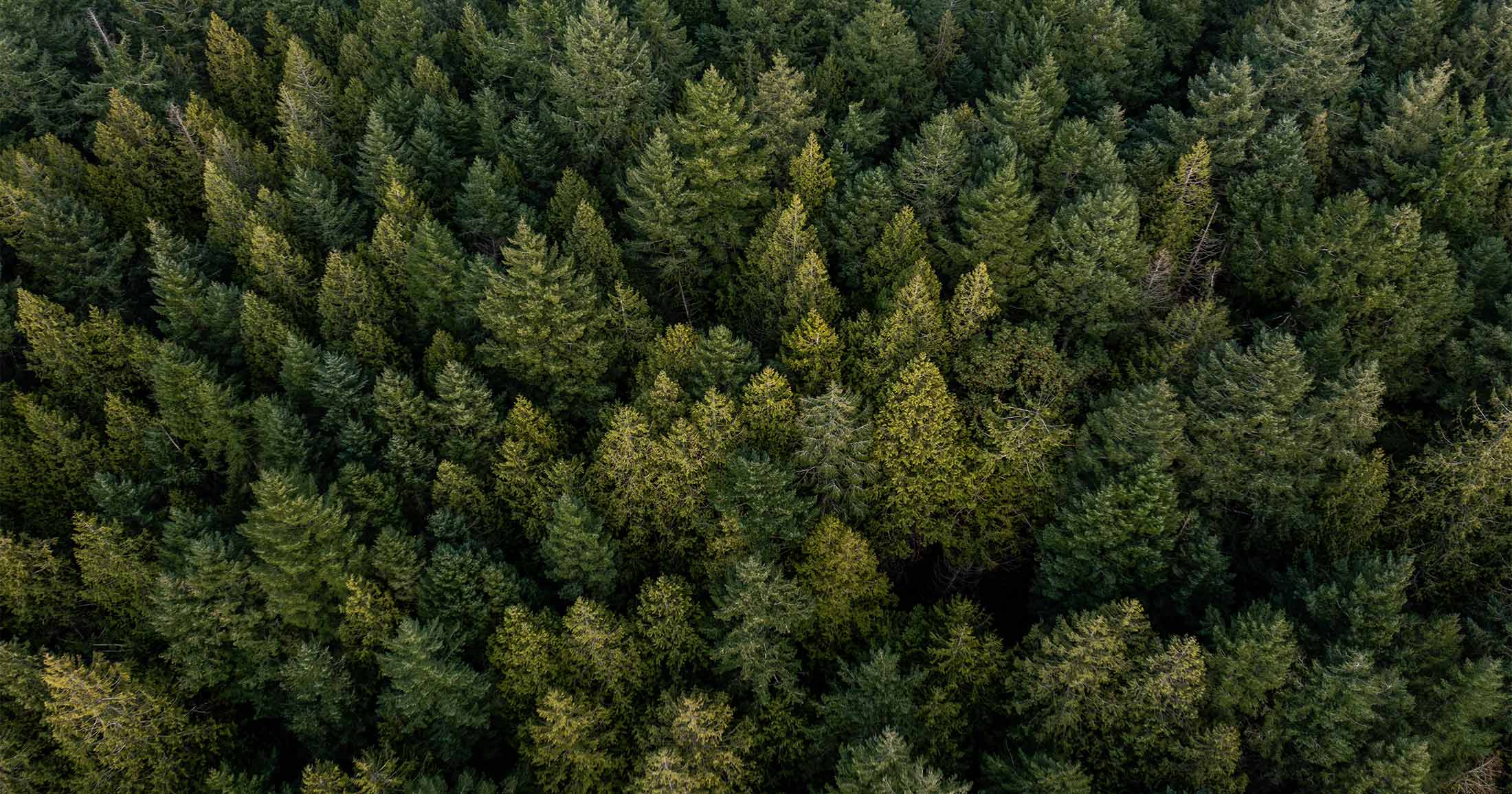
Entering the homestretch of the KELÁ_EKE Kingfisher Forest fundraising campaign
Over the past ten months, Raincoast and the Pender Islands Conservancy have raised $1,445,656.46 to protect this special place and secure, in perpetuity, an old growth forest.
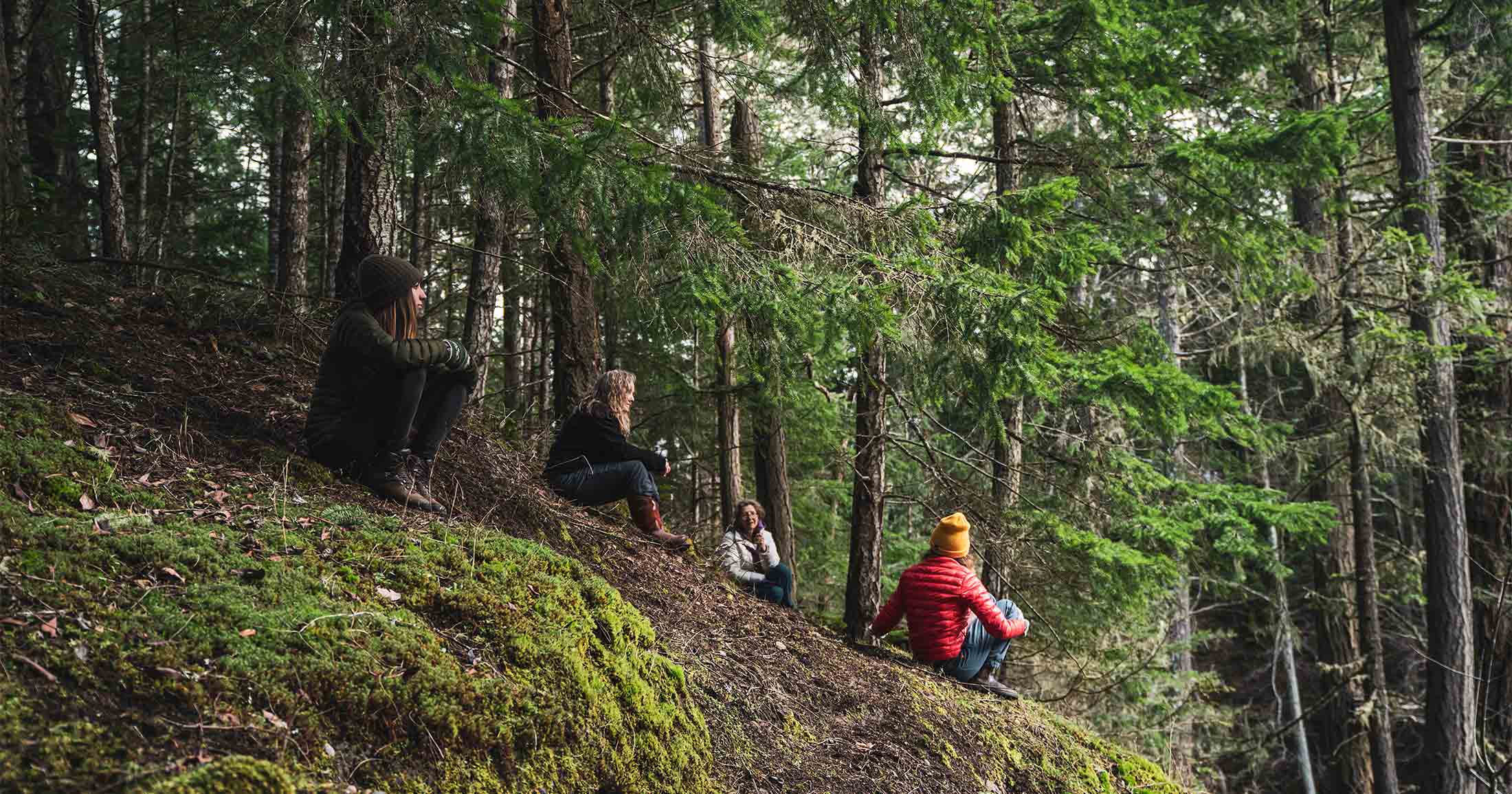
Trees to Seas EcoExpo and Conservation Conversations
Unlike industry-led expos, which generally feature products and business pitches, EcoExpo will be a chance to interact with conservation leaders from across the Salish Sea Region.

Restoration with PEPÁḴEṈ HÁUTW̱ at EcoFair
PEPÁḴEṈ HÁUTW̱ or “The Blossoming Place” is a charitable, non-profit organization that provides participatory education opportunities about traditional and healthy food systems to contribute to the restoration and revitalization of native ecosystems in W̱SÁNEĆ homelands.
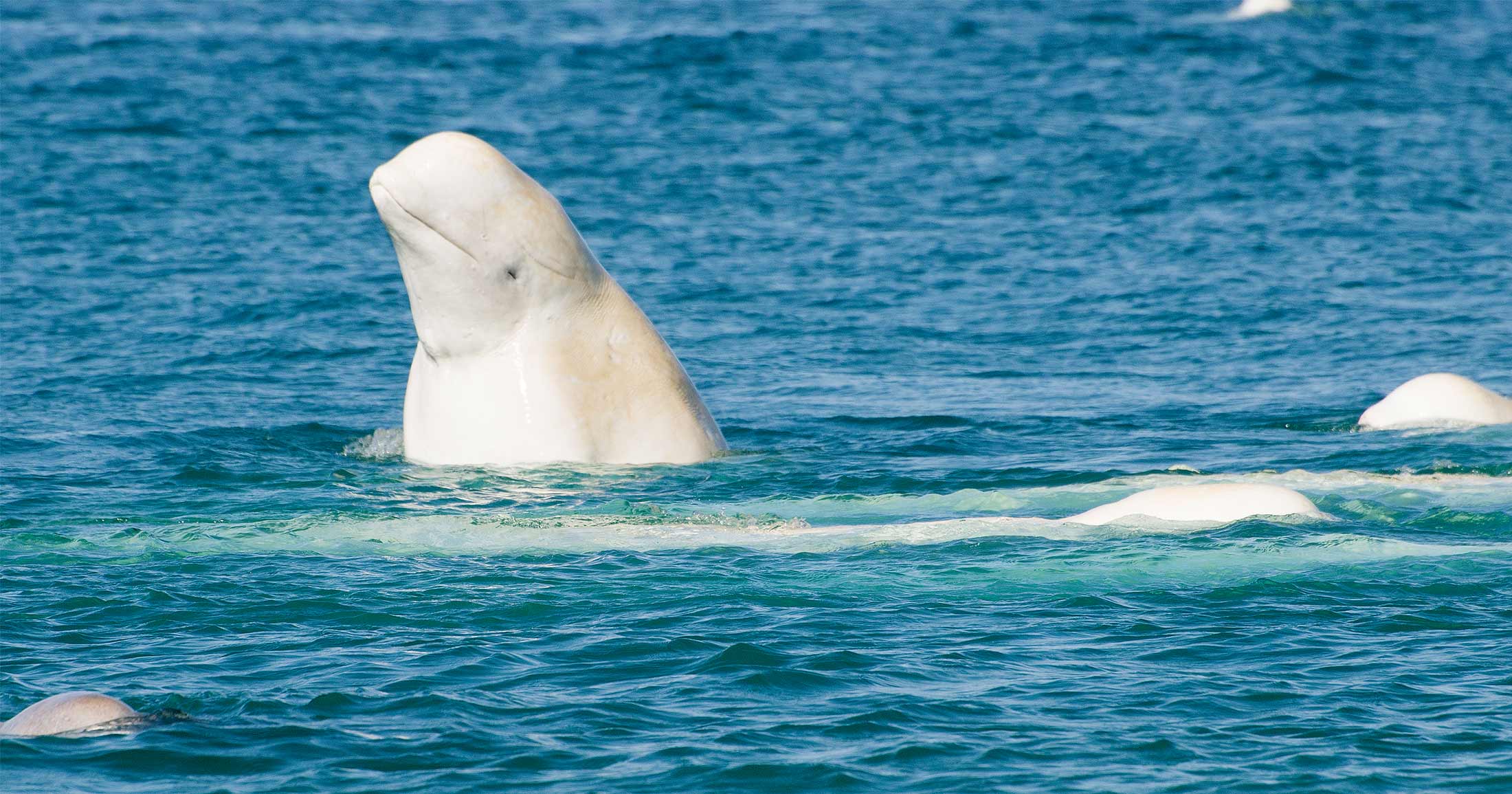
Belugas, the Sea Canaries: Deciphering a complex communication system
Belugas, nicknamed “sea canaries”, are one of the most loquacious cetacean species, producing an impressive array of sounds for a variety of purposes, such as social communication, group cohesion, maintaining mother-calf contact, navigating, and detecting prey.
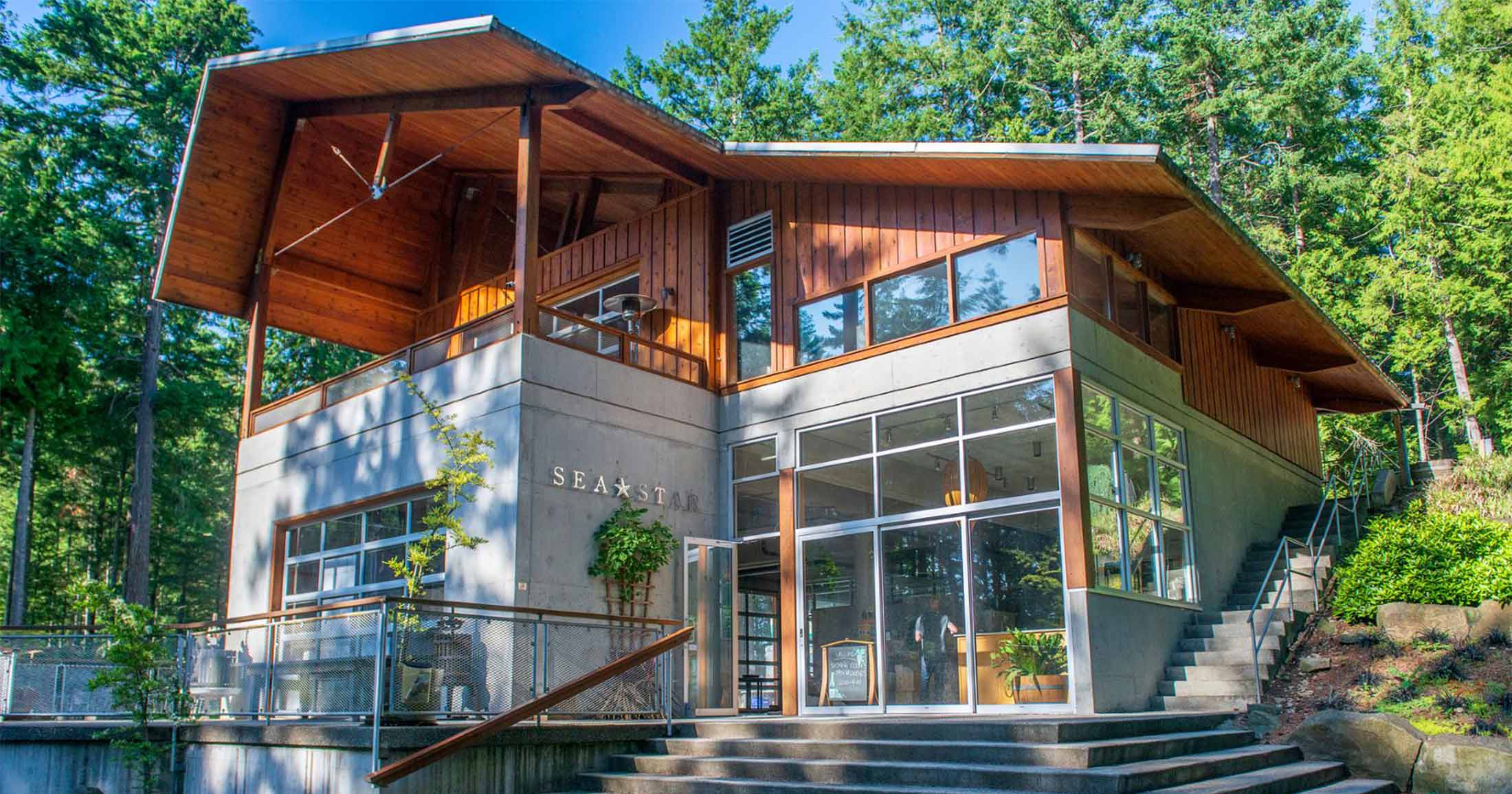
Trees to Seas EcoFair Evening Gala Fundraiser
The Evening Gala Fundraiser has been planned as an evening of networking and celebration.

Fungi Foray with Hugues Massicotte
From October 22-23, 2022, Dr. Hugues Massicotte will be on S,DÁYES for EcoFair, an initiative organized by Raincoast Conservation Foundation, Pender Islands Conservancy, and PenderPOD.