

Shifting salmon policy
Photo by Alex Harris.
Ecosystems are complex. They are communities of living organisms connected through interacting processes and features on the land, in water, and between the two. Yet BC’s antiquated environmental policy doesn’t reflect this. Colonial society governs ecosystems by siloing them into distinct ministries and resources instead of reflecting the interconnected nature of habitats that make them function in the living world. This “siloed decision making”is the root cause of many of the ecological challenges we face today.
Our policy goals
1. Manage fisheries for ecosystems
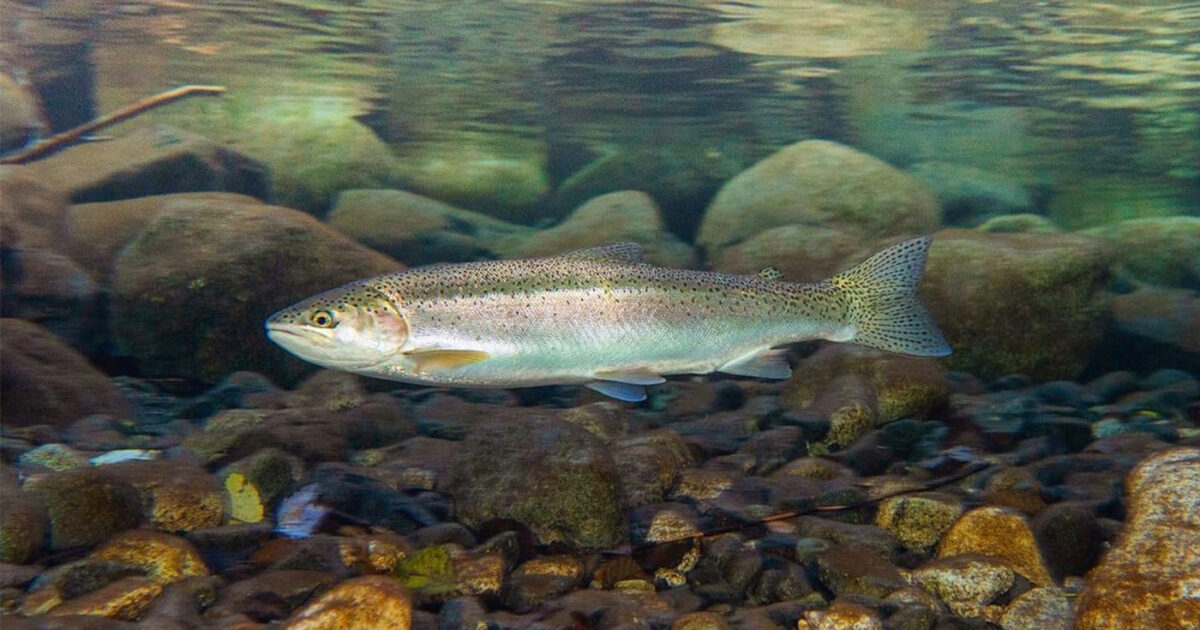
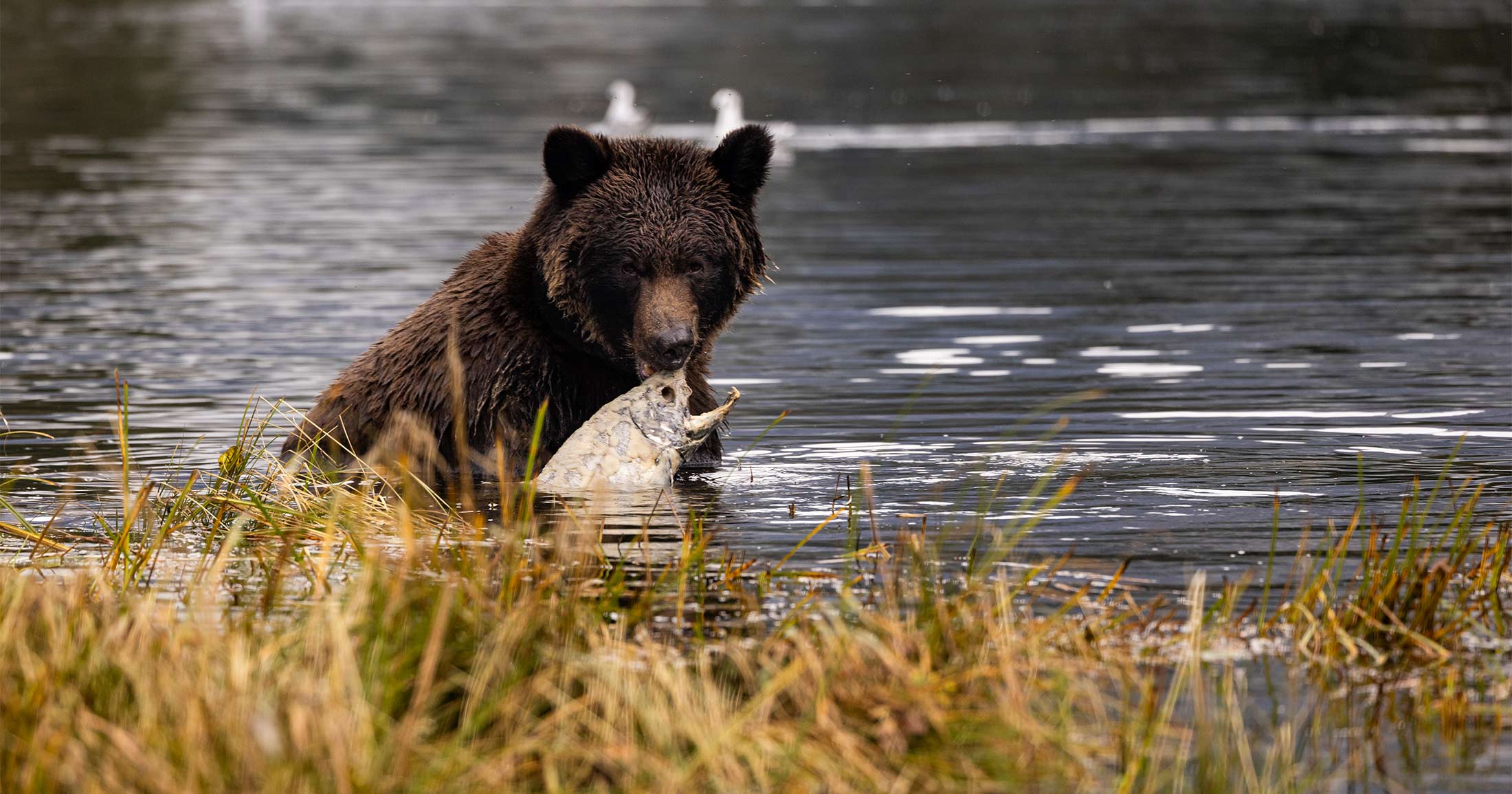
- Set salmon harvest at levels that optimize the benefits of spawning salmon to watersheds and wildlife.
- Shift away from historic management paradigms that minimize the number of spawning salmon reaching rivers and maximize harvest (called Maximum Sustainable Yield). Move towards fisheries management that meets salmon spawning targets that are ecologically based, not harvest-based.
- Shift harvest toward selective terminal fisheries (conducted in or near the rivers of origin) that respect the ‘place-based’ nature of salmon, and optimize the benefits to ecosystems, Indigenous cultures, and local communities.
2. Implement ecological-based governance
- Conservation planning and a commitment to sustainability that looks 7 generations ahead.
- A “whole-of-government” approach that implements shared solutions by Indigenous, federal, provincial, and municipal governments to achieve salmon recovery from inland watersheds and rivers, to the open ocean.
- Governance that honours Aboriginal rights and title, inherent Indigenous jurisdiction and law, and the United Nations Declaration on the Rights of Indigenous Peoples (UNDRIP) and the Declaration on the Rights of Indigenous Peoples Act (DRIPA).
- Sustainable funding strategies for watershed-scale restoration and planning.
3. Advance land-use policies that prioritize the health of wild salmon and biodiversity
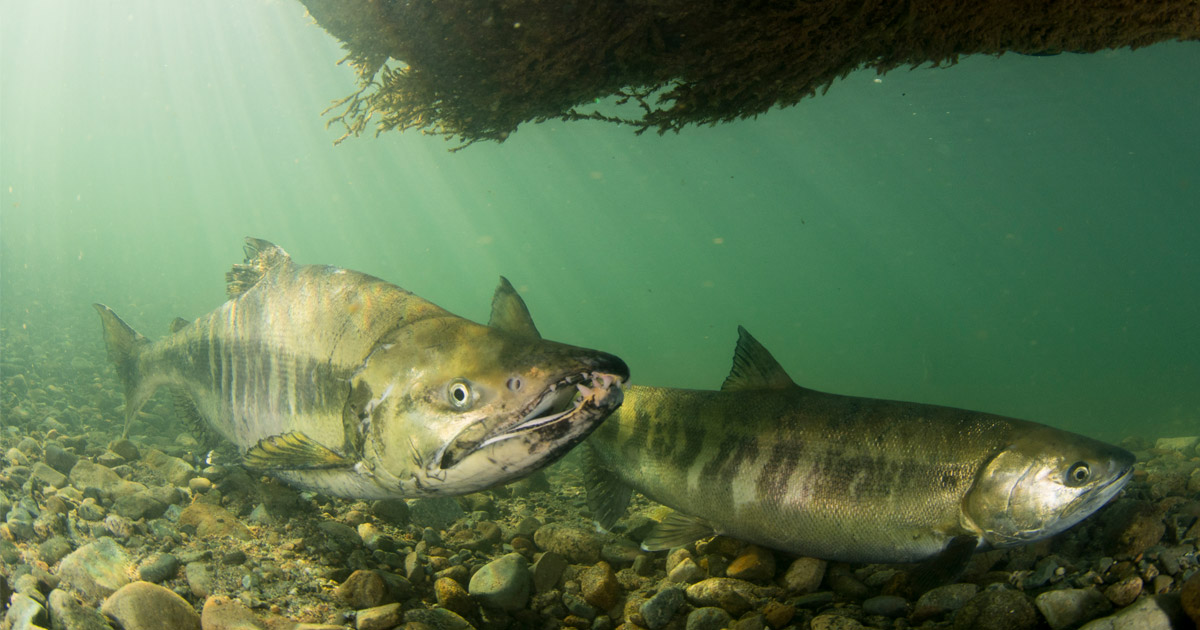
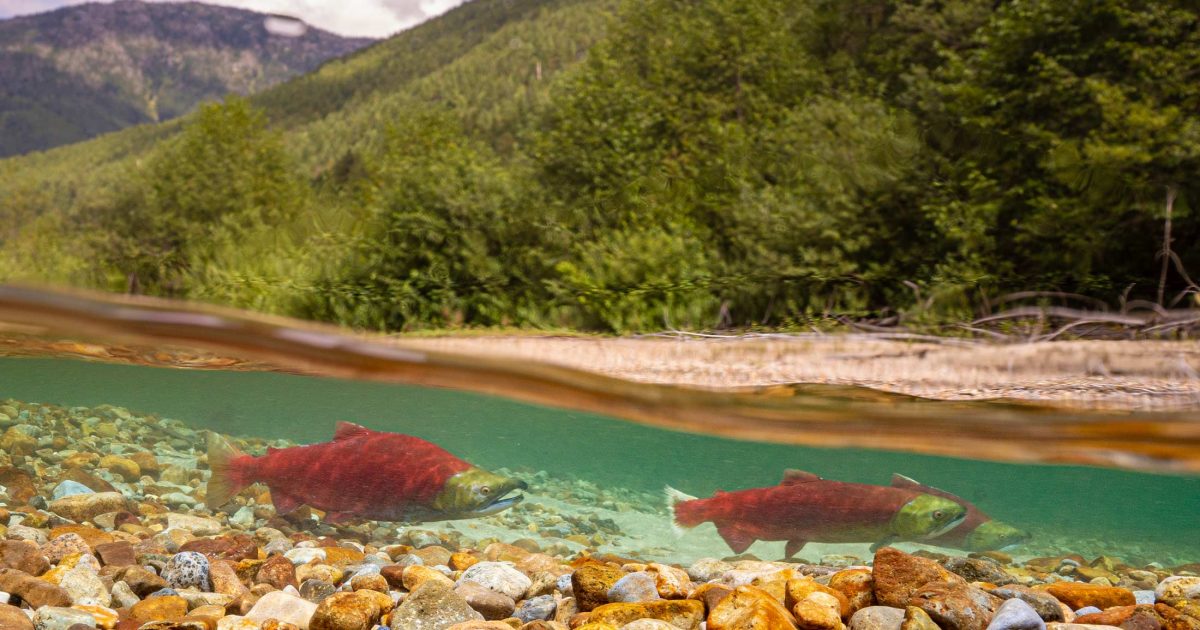
- Zoning that bolsters functioning watersheds and riparian habitat (i.e.protect natural features, limit impervious surfaces, reduce urban sprawl, adopt nature-based solutions).
- Forestry policy that prioritizes salmon health by restricting clear-cutting in salmon watersheds, and incentivizes a sustainable, second or third-growth forest economy.
- Climate adaptation policy that incentivizes nature-based solutions including natural shorelines, intact riparian areas, unrestricted floodplains, managed retreat, and use of rain-gardens in urban areas.
Our recent reports
Recent articles
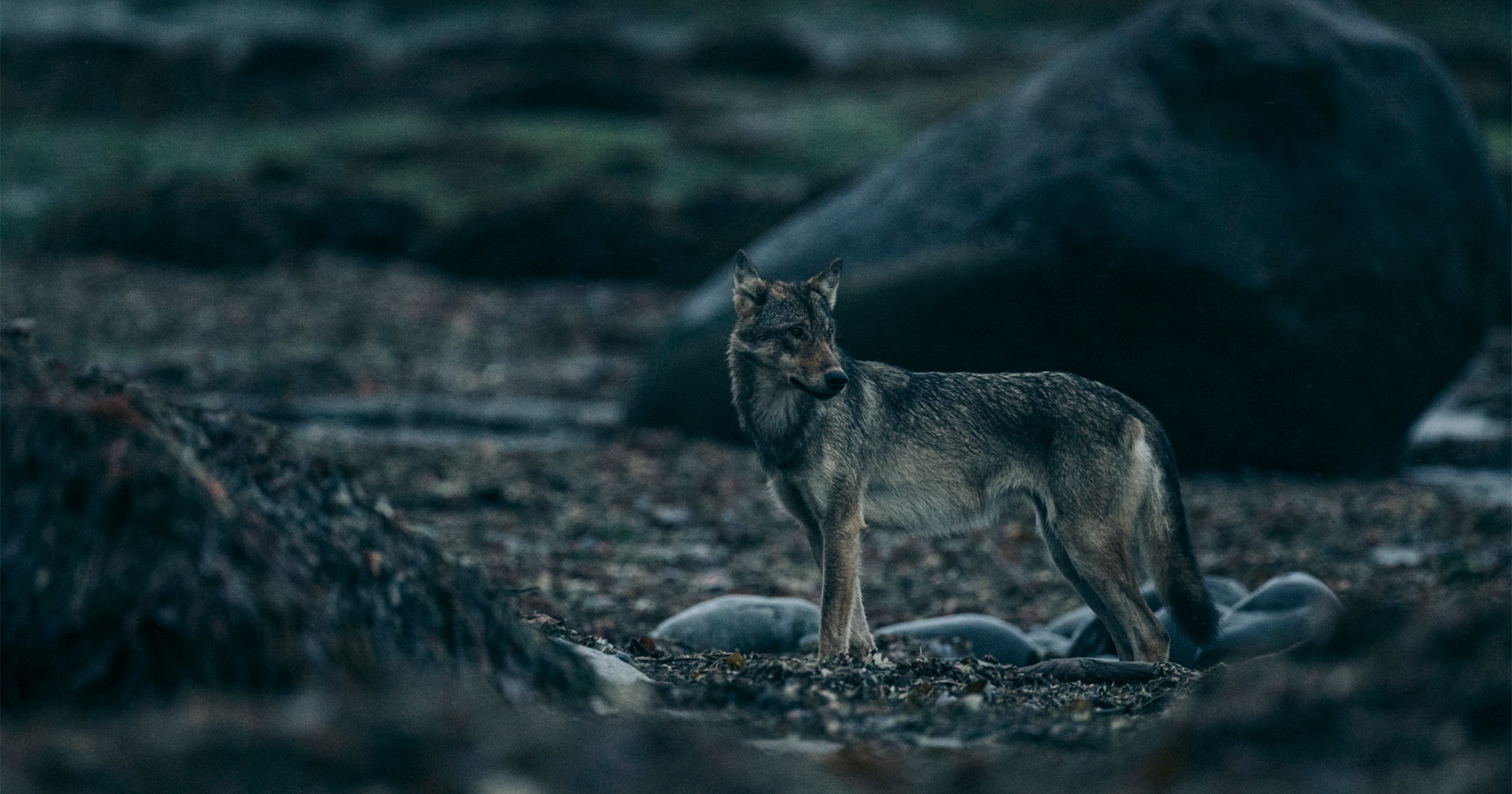
Wolf Stories: Sustaining the wellbeing of people, animals, and nature (Part 2)
PAN Works is a new ethics think tank dedicated to the wellbeing of animals. Drs. William Lynn, Kristin Stewart, Liv Baker, and Francisco Santiago-Ávila discuss the place of science and ethics in sustaining the wellbeing of people, animals, and nature. This is the second in a two-part interview. As a global platform for ethicists, scholars,…

Meet Samantha Scott, Raincoast’s new Water Quality Coordinator
Sam has joined our Healthy Waters Program team as a Water Quality Coordinator. She assists Dr. Peter Ross in the implementation of community-based research into water quality in various watersheds around southern British Columbia. Sam received her Bachelor of Science degree in Biology from Simon Fraser University. While studying at SFU she had the opportunity…
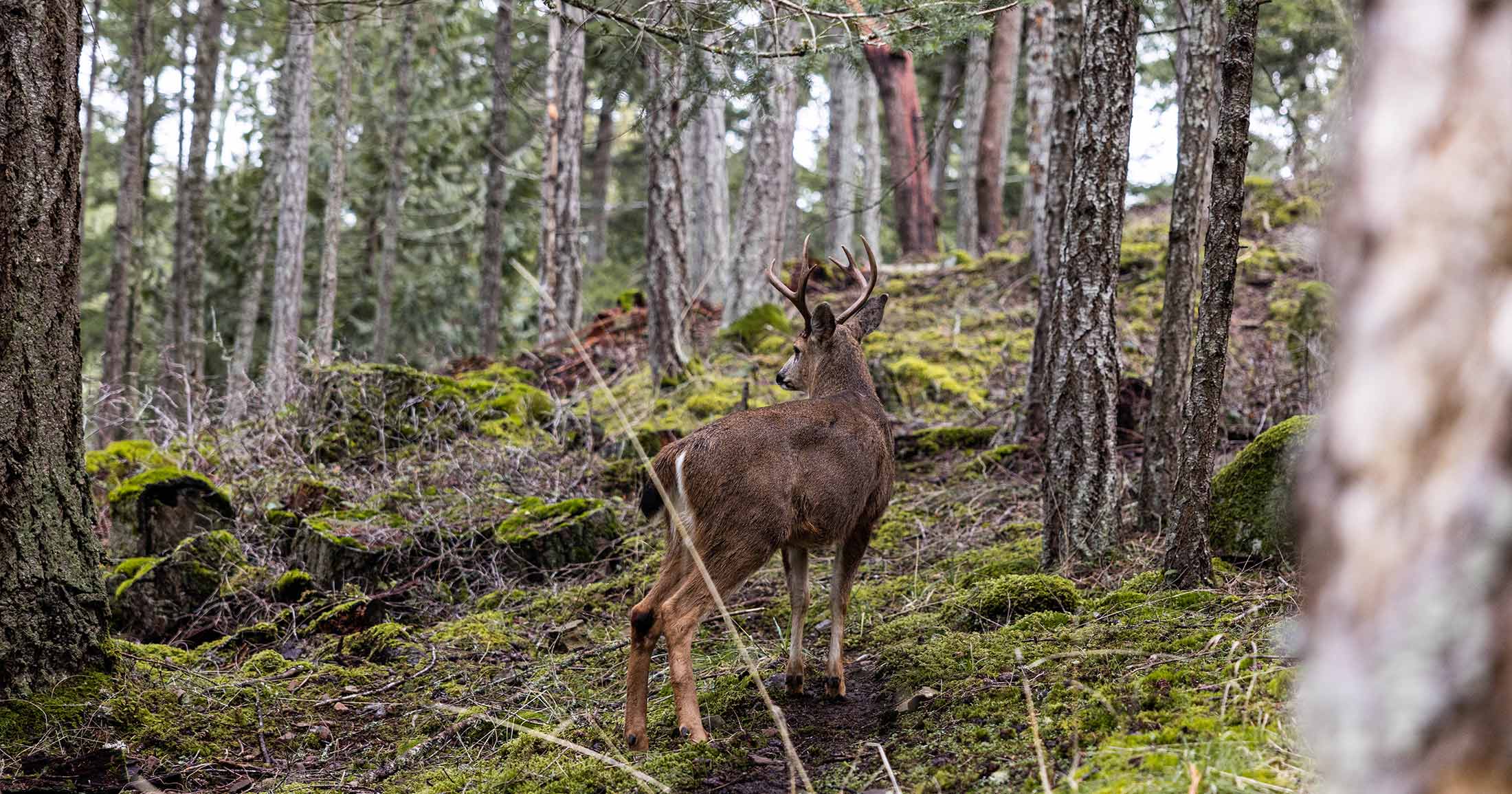
Embracing complexity: Exploring carbon sequestration in two highly interconnected ecosystems
The Coastal Carnivores and Carbon project seeks to explore the role salmon abundance and large carnivore foraging activities play in carbon sequestration in coastal ecosystems in BC.

Wolf Stories: Sustaining the wellbeing of people, animals, and nature (Part 1)
PAN Works is a new ethics think tank dedicated to the wellbeing of animals. Drs. William Lynn, Kristin Stewart, Liv Baker, and Francisco Santiago-Ávila discuss the place of science and ethics in sustaining the wellbeing of people, animals, and nature. As a global platform for ethicists, scholars, and civil society, PAN Works cultivates compassion, respect…

Raincoast welcomes new team members who have joined our team for the summer!
They will work on a variety of Raincoast initiatives throughout the summer. Learn more about each of them below.

Purchase a new Raincoast tumbler to help protect Southern Resident killer whales
We are so excited to launch our new Southern Resident tumblers. We sourced them from Miir choosing their Climate+ model which boasts no new plastic, 25% less stainless steel, is BPA free, and double-wall vacuum insulated. It can hold 16 oz of hot or cold liquid and has a splash proof lid. They feature art…