

Shifting salmon policy
Photo by Alex Harris.
Ecosystems are complex. They are communities of living organisms connected through interacting processes and features on the land, in water, and between the two. Yet BC’s antiquated environmental policy doesn’t reflect this. Colonial society governs ecosystems by siloing them into distinct ministries and resources instead of reflecting the interconnected nature of habitats that make them function in the living world. This “siloed decision making”is the root cause of many of the ecological challenges we face today.
Our policy goals
1. Manage fisheries for ecosystems
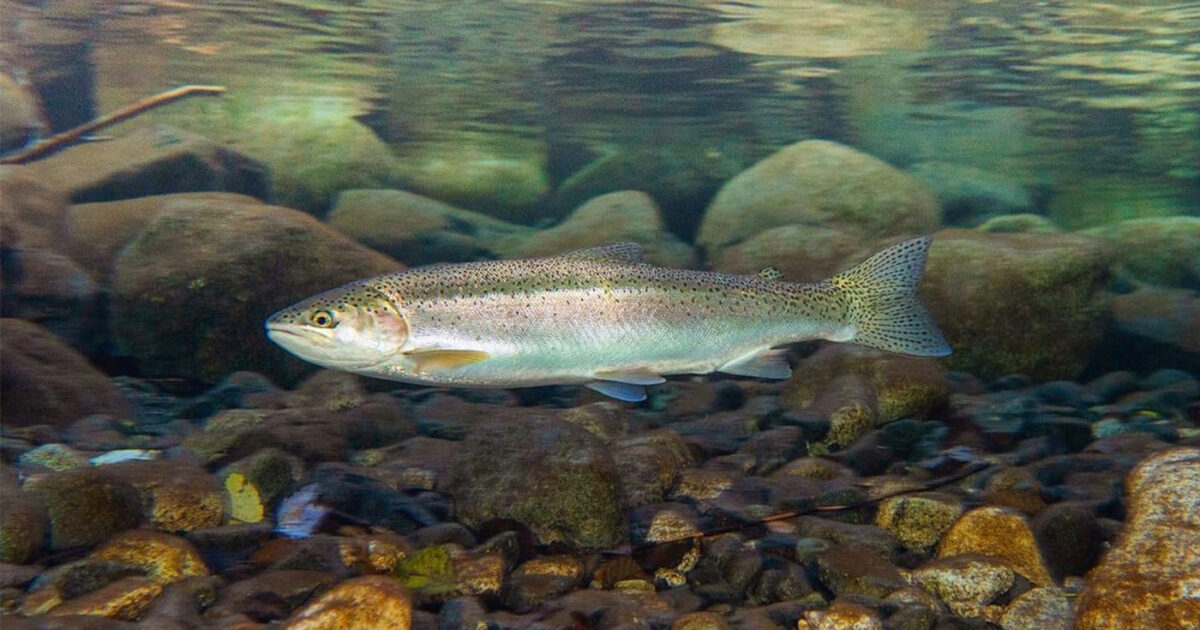
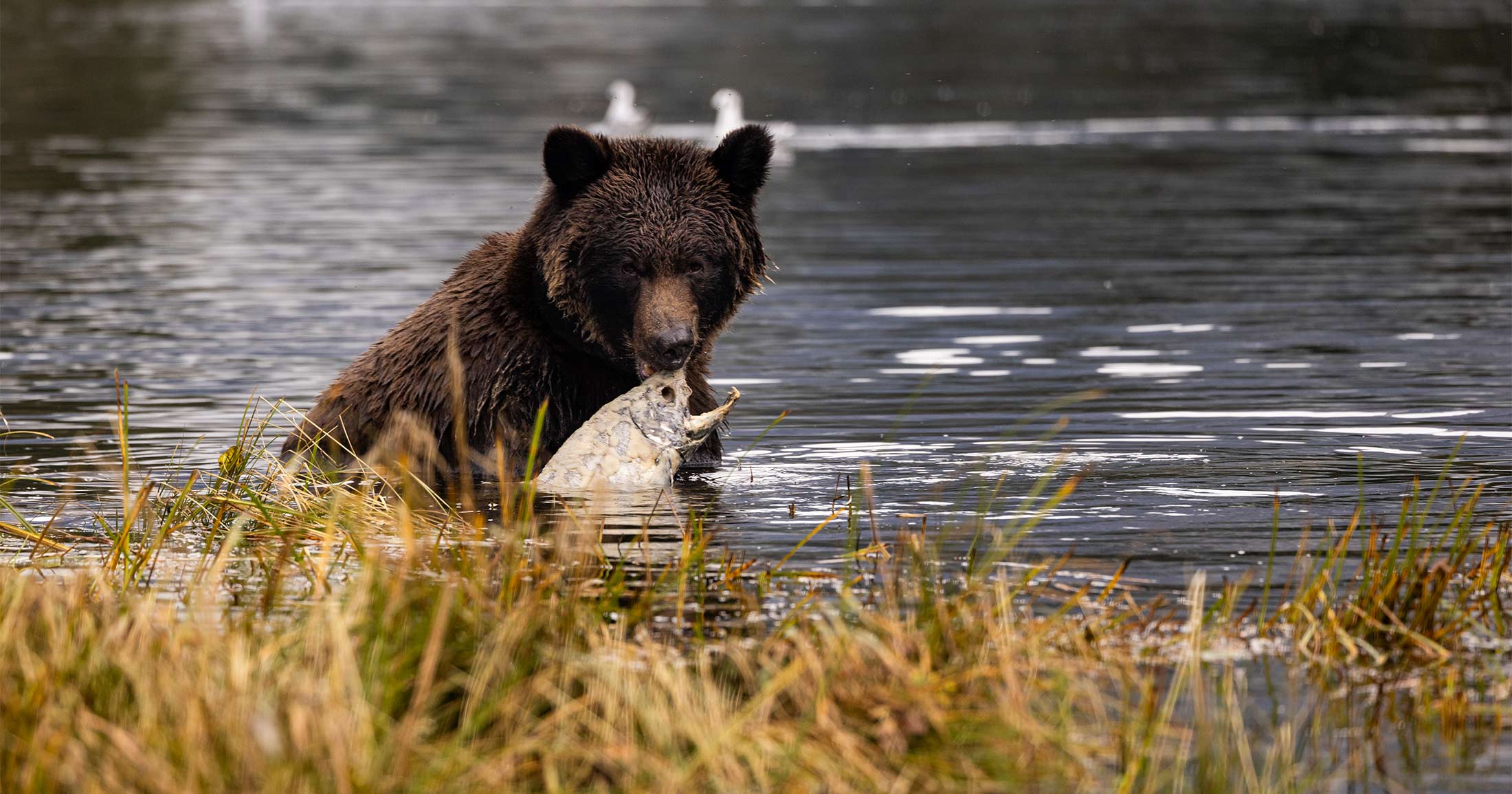
- Set salmon harvest at levels that optimize the benefits of spawning salmon to watersheds and wildlife.
- Shift away from historic management paradigms that minimize the number of spawning salmon reaching rivers and maximize harvest (called Maximum Sustainable Yield). Move towards fisheries management that meets salmon spawning targets that are ecologically based, not harvest-based.
- Shift harvest toward selective terminal fisheries (conducted in or near the rivers of origin) that respect the ‘place-based’ nature of salmon, and optimize the benefits to ecosystems, Indigenous cultures, and local communities.
2. Implement ecological-based governance
- Conservation planning and a commitment to sustainability that looks 7 generations ahead.
- A “whole-of-government” approach that implements shared solutions by Indigenous, federal, provincial, and municipal governments to achieve salmon recovery from inland watersheds and rivers, to the open ocean.
- Governance that honours Aboriginal rights and title, inherent Indigenous jurisdiction and law, and the United Nations Declaration on the Rights of Indigenous Peoples (UNDRIP) and the Declaration on the Rights of Indigenous Peoples Act (DRIPA).
- Sustainable funding strategies for watershed-scale restoration and planning.
3. Advance land-use policies that prioritize the health of wild salmon and biodiversity
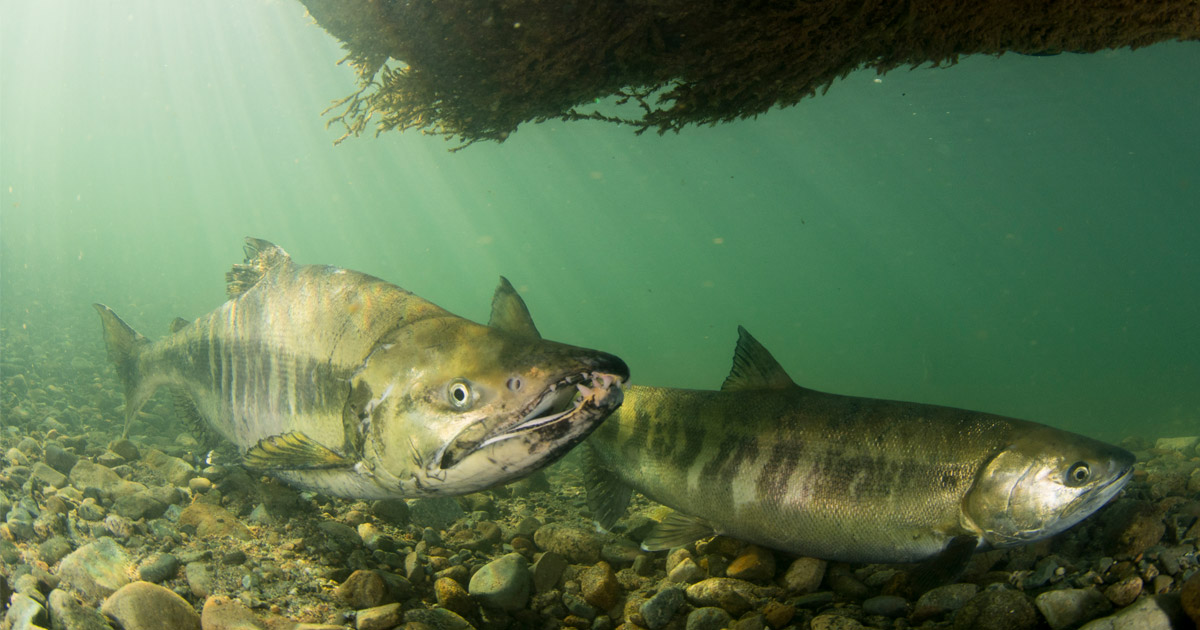
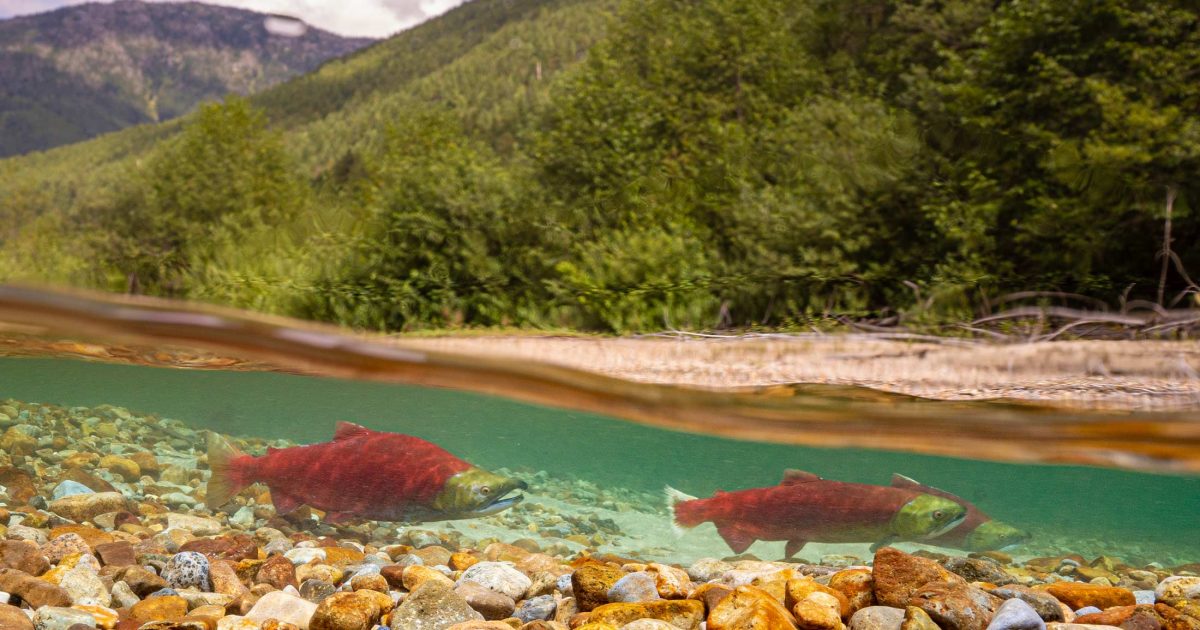
- Zoning that bolsters functioning watersheds and riparian habitat (i.e.protect natural features, limit impervious surfaces, reduce urban sprawl, adopt nature-based solutions).
- Forestry policy that prioritizes salmon health by restricting clear-cutting in salmon watersheds, and incentivizes a sustainable, second or third-growth forest economy.
- Climate adaptation policy that incentivizes nature-based solutions including natural shorelines, intact riparian areas, unrestricted floodplains, managed retreat, and use of rain-gardens in urban areas.
Our recent reports
Recent articles
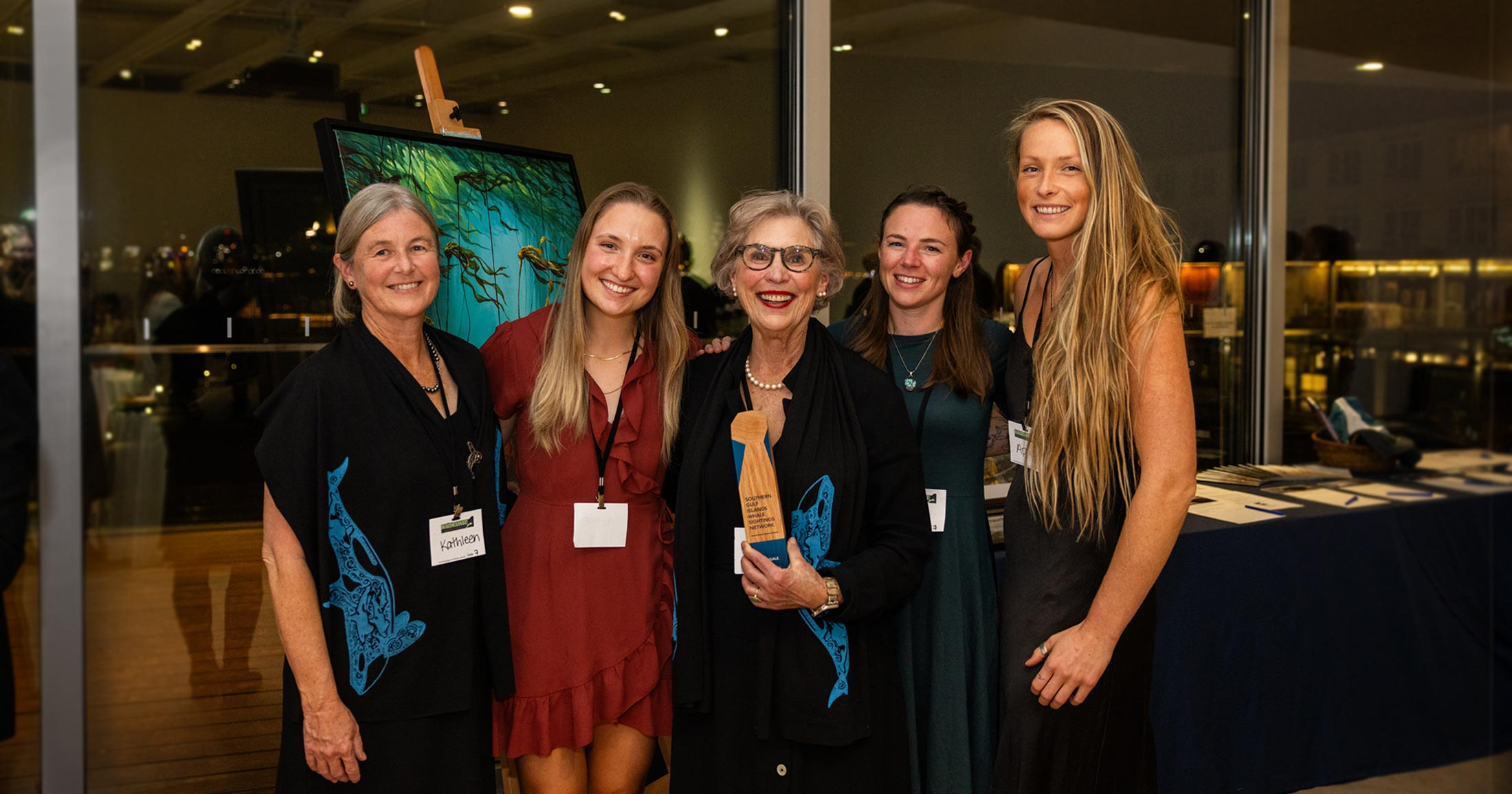
A memorable evening at the 2024 Raincoast Ocean Science Awards
Filled with warmth, camaraderie, and engaging conversations, the Ocean Awards was an inspiring celebration of science excellence and conservation achievement.
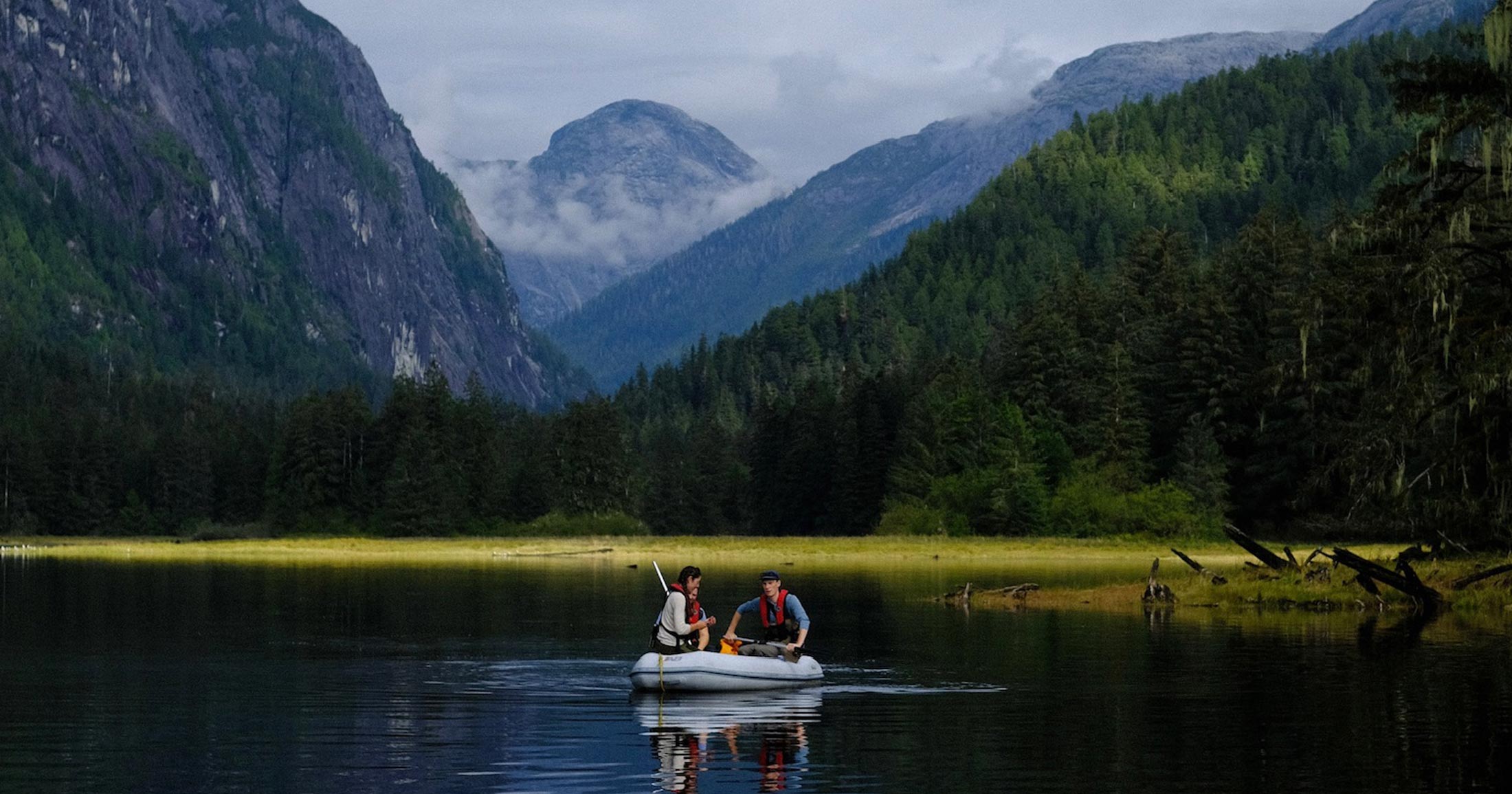
What forests mean to coastal wildlife
We know that old-growth forests provide many important services to coastal species, but when these environments are changed, how does the age, diversity, and structure of these forests influence wildlife communities? Over the past 14 months, a network of wildlife cameras in Heiltsuk Territory has been collecting images of coastal species so that managers and…
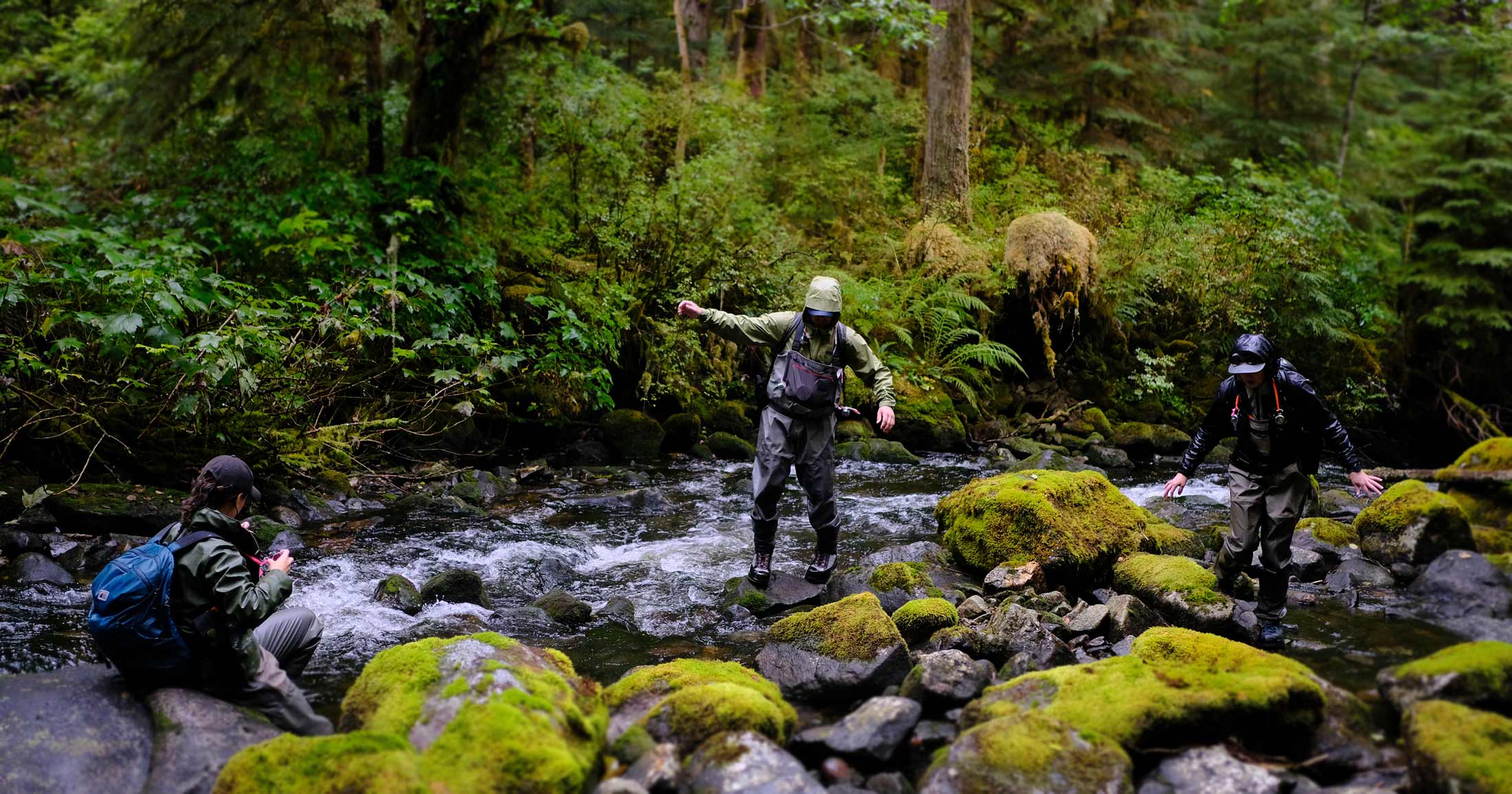
Creekwalking in Heiltsuk Territory
This past fall, Raincoast’s Wild Salmon team and technicians from the Reynolds Lab at Simon Fraser University conducted fieldwork for a long-term chum and pink salmon spawner monitoring project in Heiltsuk Territory. Started in 2007, the project monitors spawning populations in 27 small streams throughout the territory, and the data is used to inform fisheries…

Studying the impacts of drought on salmon habitat in the Nicola watershed
We’re conducting collaborative science to build climate resilience for salmon in the Nicola watershed.

The current situation for wolves in British Columbia
The level of human-caused wolf mortality can only be described as staggering.

Announcing the Raincoast Ocean Science Awards winners, 2024
Honouring leaders committed to excellence in marine science research and conservation.