
Shifting salmon policy
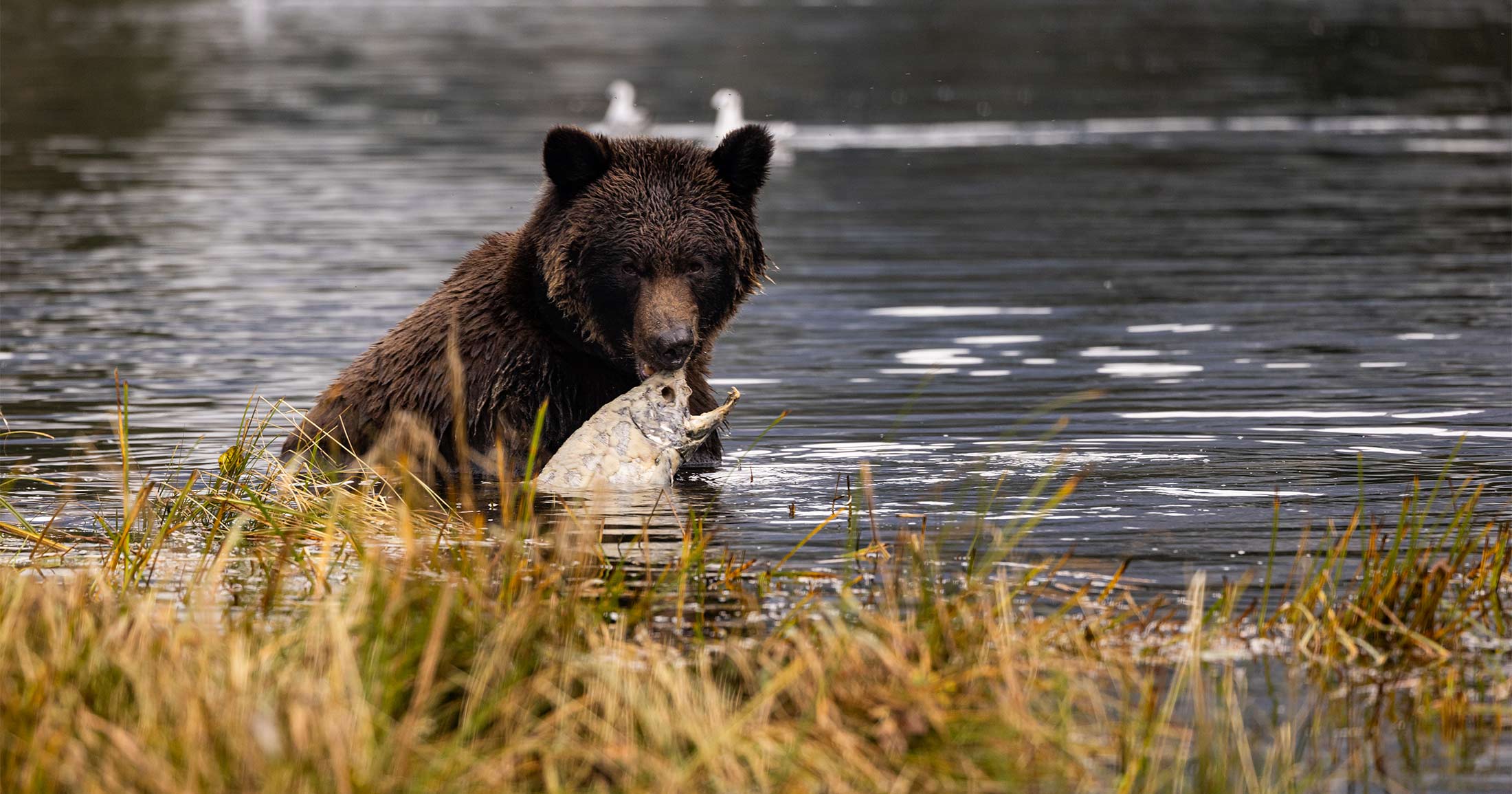
Photo by Alex Harris.
Ecosystems are complex. They are communities of living organisms connected through interacting processes and features on the land, in water, and between the two. Yet BC’s antiquated environmental policy doesn’t reflect this. Colonial society governs ecosystems by siloing them into distinct ministries and resources instead of reflecting the interconnected nature of habitats that make them function in the living world. This “siloed decision making”is the root cause of many of the ecological challenges we face today.
Our policy goals
1. Manage fisheries for ecosystems
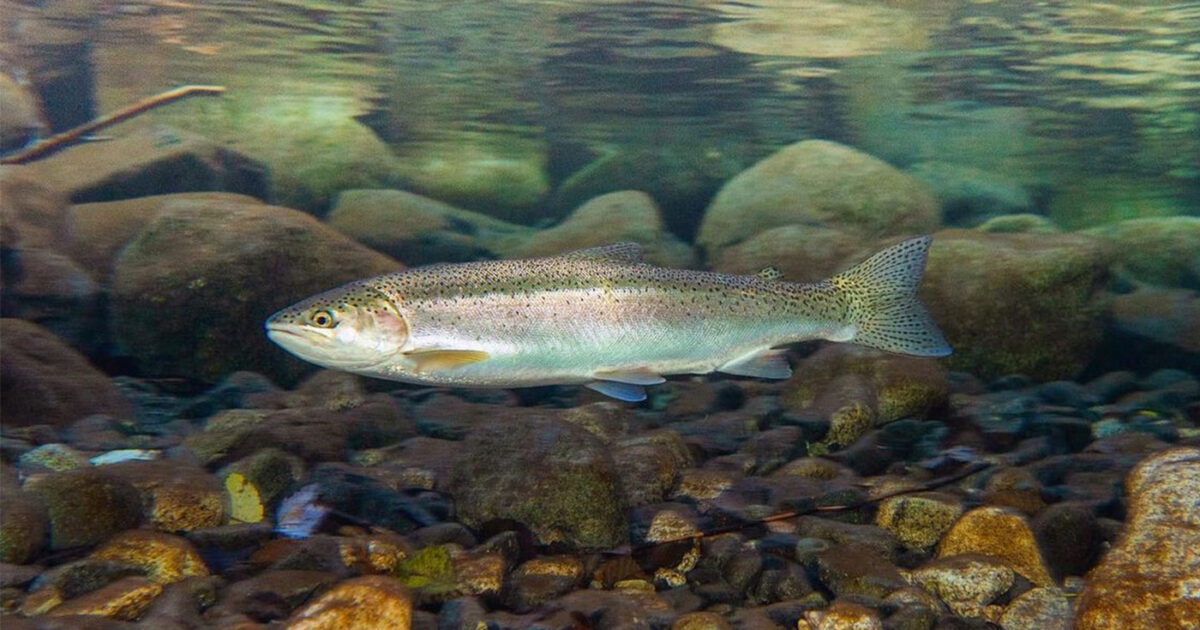
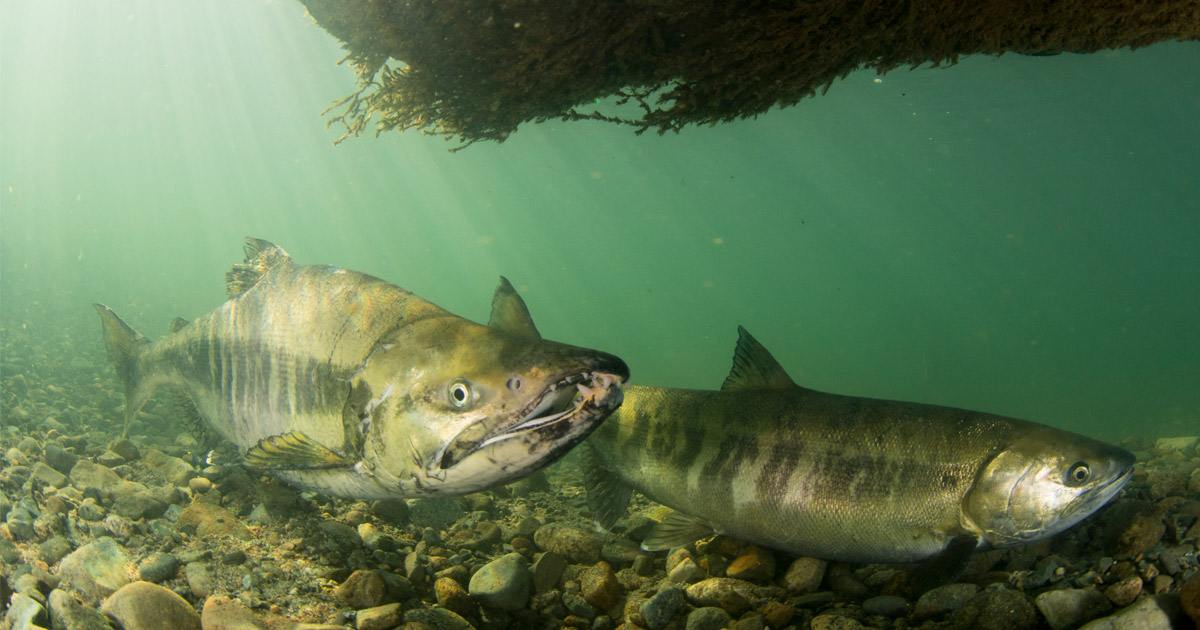
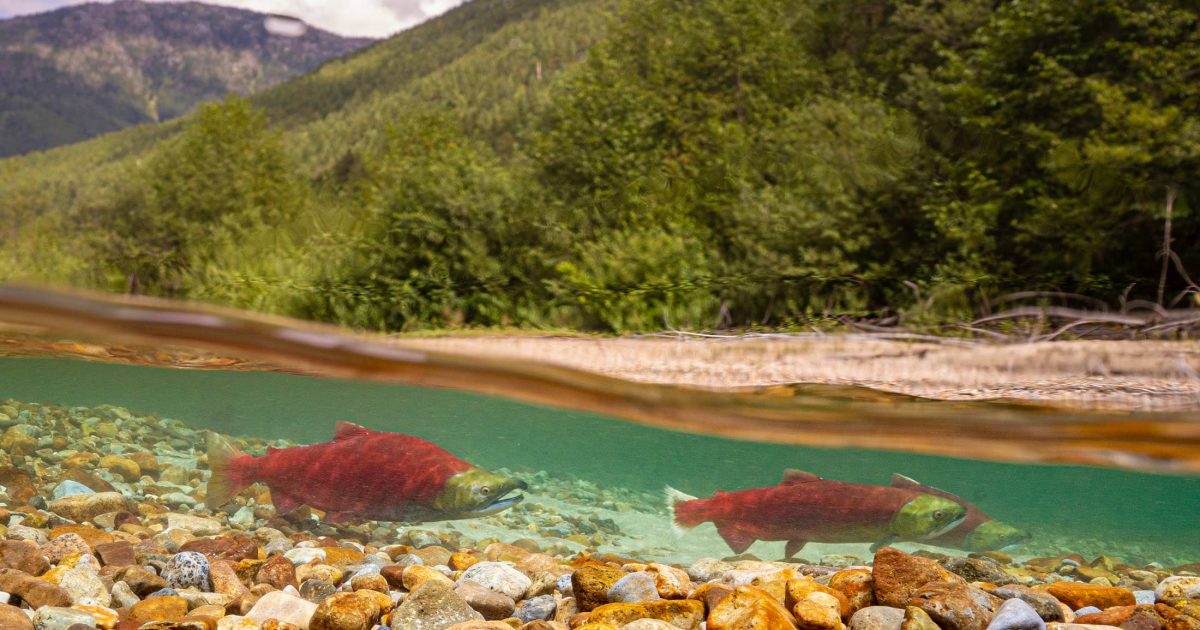
- Set salmon harvest at levels that optimize the benefits of spawning salmon to watersheds and wildlife.
- Shift away from historic management paradigms that minimize the number of spawning salmon reaching rivers and maximize harvest (called Maximum Sustainable Yield). Move towards fisheries management that meets salmon spawning targets that are ecologically based, not harvest-based.
- Shift harvest toward selective terminal fisheries (conducted in or near the rivers of origin) that respect the ‘place-based’ nature of salmon, and optimize the benefits to ecosystems, Indigenous cultures, and local communities.
2. Implement ecological-based governance
- Conservation planning and a commitment to sustainability that looks 7 generations ahead.
- A “whole-of-government” approach that implements shared solutions by Indigenous, federal, provincial, and municipal governments to achieve salmon recovery from inland watersheds and rivers, to the open ocean.
- Governance that honours Aboriginal rights and title, inherent Indigenous jurisdiction and law, and the United Nations Declaration on the Rights of Indigenous Peoples (UNDRIP) and the Declaration on the Rights of Indigenous Peoples Act (DRIPA).
- Sustainable funding strategies for watershed-scale restoration and planning.
3. Advance land-use policies that prioritize the health of wild salmon and biodiversity
- Zoning that bolsters functioning watersheds and riparian habitat (i.e.protect natural features, limit impervious surfaces, reduce urban sprawl, adopt nature-based solutions).
- Forestry policy that prioritizes salmon health by restricting clear-cutting in salmon watersheds, and incentivizes a sustainable, second or third-growth forest economy.
- Climate adaptation policy that incentivizes nature-based solutions including natural shorelines, intact riparian areas, unrestricted floodplains, managed retreat, and use of rain-gardens in urban areas.
Our recent reports
Recent articles

Raincoast Outfitters Ltd.
The old saying, “if you can’t beat ’em, join ’em” has taken on a new meaning here at Raincoast. In an unprecedented move, Raincoast, with the support of coastal First Nations, has successfully purchased one of the largest exclusive commercial trophy hunting tenures in the province. The license area covers over 20,000 square kilometres of…
Notes from the Office
Inspiration comes in many different forms. With Raincoast, I have found it among schools of migrating salmon and with grizzlies wrestling in the estuaries, and this month I found it in our Victoria office. Raincoast dreams big, and this year we needed the resources to significantly expand our protection efforts with new research, marine resources…
So long, and thanks for all the fish
“Canada is a great country much too cold for good sense, inhabited by compassionate, intelligent people with bad hairdos.” Yann Martel, Life of Pi Enter: The Aussie marine mammal scientist One train, two busses, three taxis, and five flights later I arrive in Port Hardy, BC, to meet our expedition vessel, Gwaii Haanas. This is…
Persistent Organic Pollutants in British Columbia’s Grizzly Bears: Consequence of Divergent Diets
Christensen, J.R., MacDuffee, M., MacDonald, R.W., Whiticar, M., Ross, P.S. 2005. Persistent Organic Pollutants in British Columbia’s Grizzly Bears: Consequence of Divergent Diet. Environmental Science and Technology 39: 6952-6960. View the paper in .PDF
Wayward Course: British Columbia’s Failure to Meet Protected Areas Standards for Grizzlies
British Columbia Fails to Meet Protected Areas Standards for the Conservation of Grizzly Bear (Ursus arctos) Populations and Habitat in the Northern Great Bear Rainforest. Dr. Brian L. Horejsi and Dr. Barrie K. Gilbert Wayward Course
Great Bear Rainforest Agreement
An ongoing assessment of British Columbia’s efforts in protecting the Great Bear Rainforest September 1, 2005 Proposed land use plans for Great Bear Rainforest scientifically inadequate The British Columbia government is currently deciding whether or not to legally implement a new conservation blueprint for the Great Bear Rainforest. After years of consultation with the forestry…